What is serotonin?

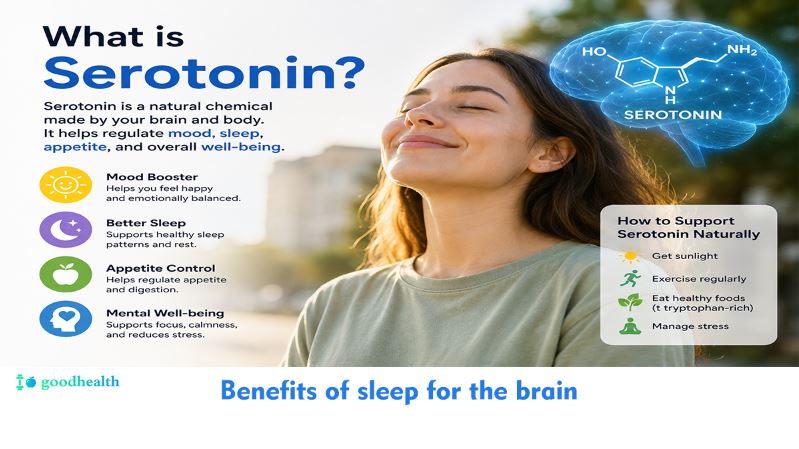
Serotonin, known chemically as 5-hydroxytryptamine (5-HT), is one of the most versatile and influential chemical messengers operating within human biology. Frequently described as the body’s natural feel-good chemical, this monoamine neurotransmitter acts as a vital bridge between the central nervous system and peripheral body systems. While its reputation in popular culture centers predominantly on its impact on mood, emotional stability, and mental health, serotonin functions as a master regulatory molecule that governs an exceptionally wide array of biological processes. From modulating sleep architecture and memory consolidation to directing gastrointestinal motility and vascular tone, serotonin ensures that the body maintains internal balance across diverse biochemical demands.
Understanding the mechanics of serotonin requires looking beyond its simple definition as a brain chemical. Biological research continuously underscores that serotonin does not act in isolation; rather, it coordinates dynamic communication pathways across organ systems, particularly along the gut-brain axis. Because human health relies heavily on precise cellular communication, subtle changes in serotonin synthesis, receptor binding, or reuptake can ripple throughout the entire body. Exploring how serotonin is generated, where it operates, and how its homeostasis influences physical and psychological resilience reveals why it remains a central focal point in contemporary neuroscience, gastroenterology, and pharmacological medicine.
What Is Serotonin and How Does It Work in the Human Body?
At a fundamental biochemical level, serotonin operates both as a neurotransmitter and as a local tissue hormone. As a neurotransmitter, its primary duty is to transmit electrical signals across the microscopic gaps between nerve cells, known as synaptic clefts. When a presynaptic neuron receives an electrical impulse, it releases stored serotonin into the synapse. The molecule then diffuses across this gap to bind with specific receptor sites on the receiving postsynaptic cell, triggering a cascade of intracellular events that either propagate or suppress further signaling. Once the message is delivered, specialized transporter proteins retrieve the neurotransmitter back into the originating cell through a process called reuptake, or localized enzymes degrade it to clear the pathway for subsequent signals.
In addition to its synaptic activity, serotonin exhibits paracrine and endocrine behavior when circulating in systemic blood flow. When released into peripheral tissue or plasma, it acts directly on smooth muscle cells, blood vessel walls, immune cells, and organ linings. This dual identity enables serotonin to convey signals over fractions of a micrometer within the brain while simultaneously orchestrating large-scale mechanical functions throughout the rest of the body.
The biological actions of serotonin are mediated through a complex array of serotonin receptors, categorized into seven distinct families designated as 5-HT1 through 5-HT7. Within these families exist at least 14 recognized receptor subtypes, each possessing unique biochemical structures and cellular mechanisms. Certain receptor types act by opening ion channels directly, facilitating rapid neuronal transmission, whereas others are coupled to G-proteins that stimulate secondary messenger pathways within target cells. This profound diversity in receptor architecture explains why a single chemical compound can produce strikingly different physiological effects depending on which specific tissue and receptor type it engages.
The Primary Anatomical Locations of Serotonin Production
Despite the widespread belief that serotonin is exclusively a brain chemical, the vast majority of the body’s total serotonin supply is produced and stored outside the central nervous system. Approximately 90 percent of human serotonin resides within the gastrointestinal tract, specifically synthesized inside specialized mucosal cells known as enterochromaffin cells. These specialized cells line the lumen of the stomach and intestines, where they act as sensory detectors monitoring nutrient availability, mechanical distension, and microbial activity. When food moves through the digestive digestive tract, enterochromaffin cells release serotonin to stimulate coordinated smooth muscle contractions, known as peristalsis, moving contents through the intestine.
The remaining 10 percent of systemic serotonin is split between the central nervous system and circulating blood platelets. In the brain, serotonin is produced by a select group of neurons concentrated within the raphe nuclei, a collection of specialized cell clusters situated along the brainstem. Although the total number of serotonin-producing neurons in the brain is relatively small compared to other cell populations, their axons extend broadly into nearly every region of the central nervous system, including the cerebral cortex, limbic system, hypothalamus, cerebellum, and spinal cord. This expansive projection network allows central serotonin to exert top-down influence over cognition, stress responses, sensory processing, and autonomic nervous system activity.
Circulating blood platelets represent another major reservoir for peripheral serotonin, although platelets cannot synthesize the chemical themselves. Instead, as platelets travel through the intestinal vasculature, they absorb excess serotonin released by enterochromaffin cells via high-affinity transporter proteins. The platelets store this borrowed serotonin inside dense granules, carrying it throughout the cardiovascular system until tissue injury or vascular damage triggers its release. This spatial distribution demonstrates how the body efficiently recycles and redirects local signaling molecules to serve systemic demands.
Major Physiological and Psychological Functions of Serotonin
Emotional Regulation and Mental Well-Being
Within the central nervous system, serotonin serves as a core stabilizer for mood and emotional resilience. Rather than simply generating temporary feelings of pleasure or excitement, optimal serotonin activity promotes sustained feelings of psychological calm, emotional contentment, and stress tolerance. It moderates the intensity of fear and anxiety by blunting hyperactive signaling within the amygdala, the brain’s primary threat-processing center. When serotonin levels and receptor sensitivity are well-balanced, individuals generally exhibit improved resilience against chronic stress, greater emotional flexibility, and a lower susceptibility to affective disorders.
Sleep Cycle Control and Melatonin Synthesis
Serotonin plays an indispensable role in governing circadian rhythms and the architecture of healthy sleep. During daylight hours, active serotonergic signaling promotes wakefulness and alertness by stimulating specific arousal pathways in the forebrain. As ambient light levels decrease during the evening, the pineal gland utilizes stored serotonin as the direct chemical precursor to synthesize melatonin, the primary hormone responsible for driving sleep onset. Without an adequate supply of serotonin during the day, the pineal gland cannot produce sufficient melatonin at night, leading to disrupted circadian rhythms, delayed sleep latency, and fragmented sleep quality.
Digestive Health and Gastrointestinal Motility
In the gut, serotonin acts as a crucial conductor of digestive mechanics and mucosal signaling. By activating local enteric nerve networks, it coordinates the rhythmic muscular contractions required to mix and propel food through the digestive tract. Furthermore, intestinal serotonin modulates fluid secretion, nutrient absorption, and visceral pain perception. When toxic or irritating substances enter the gastrointestinal tract, enterochromaffin cells release massive surges of serotonin into local tissue. This sudden excess hyper-stimulates vagal nerve fibers, triggering protective reflexes such as nausea and accelerated bowel transit to flush out harmful irritants.
Cardiovascular Function and Blood Clotting
Within the circulatory system, serotonin released from activated blood platelets plays a vital role in hemostasis and vascular maintenance. When a blood vessel suffers physical injury, local platelets aggregate at the site of damage and empty their granule contents into the surrounding tissue. The localized concentration of released serotonin causes the surrounding vascular smooth muscle to constrict, narrowing the blood vessel to reduce blood loss while simultaneous signals promote the formation of a stable blood clot. In healthy vascular beds, serotonin also stimulates endothelial cells to produce nitric oxide, promoting adaptive vasodilation and maintaining healthy systemic blood pressure balance.
Bone Density and Systemic Homeostasis
Emerging research highlights the regulatory influence of serotonin on bone remodeling and overall metabolic homeostasis. Peripheral serotonin derived from the gut acts as a endocrine regulator of bone tissue, influencing the balanced activity between bone-building osteoblasts and bone-resorbing osteoclasts. Depending on circulating concentrations and receptor interactions, serotonin helps preserve structural bone integrity. Additionally, central serotonin signaling interacts with hypothalamic centers to regulate energy balance, body temperature, appetite satiety, and systemic glucose metabolism.
The Biosynthesis Pathway: How the Body Creates Serotonin
The endogenous synthesis of serotonin is a tightly regulated, multi-step enzymatic process that relies heavily on dietary inputs and biochemical cofactors. The body cannot construct serotonin from scratch; instead, it must obtain the essential amino acid L-tryptophan through dietary protein consumption. Foods such as turkey, chicken, eggs, cheese, nuts, seeds, and legumes serve as primary dietary sources of tryptophan. Because L-tryptophan is an essential amino acid, human physiology depends continuously on adequate nutritional intake to maintain raw material reserves for serotonin production.
Once absorbed into the bloodstream, L-tryptophan undergoes conversion into serotonin through two sequential enzymatic reactions. The first and rate-limiting step involves the conversion of L-tryptophan into 5-hydroxytryptophan (5-HTP) by the enzyme tryptophan hydroxylase. This enzyme exists in two distinct isoforms: TPH1, which operates primarily in peripheral tissues like the gut, and TPH2, which functions exclusively within central nervous system neurons. TPH activity requires adequate supplies of oxygen, iron, and a critical cofactor called tetrahydrobiopterin (BH4). Because this first step represents the bottlenecks of serotonin production, factors that impair tryptophan hydroxylase activity directly diminish overall serotonin synthesis.
Following the formation of 5-HTP, the second step proceeds rapidly. The enzyme aromatic L-amino acid decarboxylase, requiring active Vitamin B6 (pyridoxal 5′-phosphate) as a coenzyme, removes a carboxyl group from 5-HTP to yield 5-hydroxytryptamine (serotonin). In the brain, newly synthesized serotonin is rapidly transported into storage vesicles by vesicular monoamine transporters to protect the molecule from premature degradation by intracellular monoamine oxidase enzymes. This multi-step synthesis underscores the tight link between baseline nutritional status and neurochemical availability.
Clinical Consequences of Serotonin Imbalances
Causes and Impacts of Low Serotonin Levels
A chronic deficiency in serotonin availability or impaired receptor responsiveness can profoundly compromise both physical and psychological health. Neurochemical depletion may stem from multiple factors, including prolonged psychological stress, inadequate dietary tryptophan intake, systemic inflammation, genetic polymorphisms affecting transporter proteins, or altered gut microbiome composition. When central serotonin signaling drops below physiological thresholds, individuals frequently experience persistent emotional instability, clinical depression, heightened anxiety, increased pain sensitivity, and obsessive thinking patterns.
Physiologically, low serotonin levels manifest through systemic disruptions that extend far beyond mood changes. Gastrointestinal complaints are particularly common, including chronic constipation, sluggish gut motility, and impaired digestive enzyme secretion due to reduced enteric signaling. Furthermore, low serotonin compromises evening melatonin conversion, leading to chronic insomnia, non-restorative sleep, and daytime fatigue. Reduced serotonin availability is also associated with lowered pain thresholds, rendering individuals more vulnerable to chronic pain syndromes such as fibromyalgia and tension headaches.
Serotonin Toxicity and Serotonin Syndrome
While serotonin deficiency presents widespread clinical challenges, an excessive accumulation of serotonin in the body creates an acute, life-threatening medical emergency known as serotonin syndrome. This condition rarely occurs naturally; instead, it almost exclusively results from therapeutic drug interactions involving multiple serotonergic medications taken concurrently, or from accidental pharmacological overdoses. When central and peripheral serotonin receptors are overstimulated beyond safety thresholds, the body’s autonomic control mechanisms become severely destabilized.
The clinical presentation of serotonin syndrome spans a spectrum from mild discomfort to rapid systemic collapse. Early symptoms typically include neuromuscular hyperactivity, characterized by involuntary muscle spasms, tremors, hyperreflexia, and motor restlessness. As toxicity progresses, autonomic instability manifests as hyperthermia, profuse sweating, rapid heart rate, fluctuating blood pressure, and severe abdominal cramping. Severe cases can lead to dangerous elevations in body temperature exceeding 104 degrees Fahrenheit, seizures, rhabdomyolysis, and multi-organ failure, requiring immediate emergency medical intervention and aggressive pharmacological blockade.
Medical Treatments and Pharmacological Applications
The profound influence of serotonin on human physiology has made it a primary target for modern medical therapeutics, particularly within psychiatry and neurology. Among the most widely prescribed classes of medications worldwide are Selective Serotonin Reuptake Inhibitors (SSRIs). These medications, which include compounds such as fluoxetine, sertraline, and escitalopram, work by binding to the presynaptic serotonin transporter protein (SERT). By inhibiting the reuptake mechanism, SSRIs prevent neurons from rapidly reabsorbing serotonin from the synaptic cleft, thereby increasing the duration and availability of the neurotransmitter to bind with postsynaptic receptors.
Beyond SSRIs, pharmaceutical science has developed several other classes of medications that modulate the serotonergic system for diverse therapeutic goals. Serotonin-Norepinephrine Reuptake Inhibitors (SNRIs) simultaneously boost serotonin and norepinephrine signaling to manage major depressive disorder, generalized anxiety, and neuropathic pain. Serotonin receptor agonists, such as triptans, specifically target 5-HT1B and 5-HT1D receptors on intracranial blood vessels to abort acute migraine headaches by inducing targeted vasoconstriction and inhibiting inflammatory neuropeptide release. Conversely, 5-HT3 receptor antagonists, such as ondansetron, block serotonin receptors in the gut and brainstem, serving as highly effective agents against chemotherapy-induced and post-operative nausea.
The clinical application of serotonergic medications demonstrates the medical necessity of precise neurochemical targeting. Because serotonin receptors are distributed throughout both the central brain pathways and peripheral organs, systemically increasing serotonin levels can yield therapeutic benefits while simultaneously producing unwanted side effects. Common early side effects of SSRIs, such as transient nausea, changes in bowel habits, and altered sleep patterns, directly reflect the stimulation of serotonin receptors situated within the gastrointestinal tract and brainstem arousal centers, highlighting the interconnected nature of human neurobiology.
Evidence-Based Natural Methods to Optimize Serotonin Levels
Supporting healthy serotonin production and receptor sensitivity can be approached through evidence-based lifestyle strategies that complement overall physical wellness. Nutrition represents a foundational avenue for supporting neurochemical synthesis. Consuming adequate dietary protein ensures a steady supply of L-tryptophan. However, because tryptophan competes with other large neutral amino acids to cross the protective blood-brain barrier, pairing tryptophan-rich foods with complex carbohydrates can enhance its central uptake. The resulting insulin response encourages muscle tissue to absorb competing amino acids, allowing tryptophan clearer access to cross into the brain.
Regular physical exercise serves as another potent physiological stimulant for central serotonin function. Aerobic activities such as brisk walking, running, cycling, and swimming increase the firing rate of serotonergic neurons in the raphe nuclei, promoting increased synthesis and release of the neurotransmitter. Exercise also alters plasma amino acid ratios in favor of tryptophan, facilitating its transport across the blood-brain barrier. Consistent physical activity not only enhances neurochemical availability but also upregulates brain-derived neurotrophic factor (BDNF), which supports synaptic plasticity and neuronal health.
Light exposure and gut microbiome management play complementary roles in regulating systemic serotonin balance. Bright morning light exposure triggers specialized retinal photoreceptors that send direct signals to the brain, suppressing daytime melatonin and stimulating central serotonin synthesis. Simultaneously, prioritizing gut health through a balanced diet rich in prebiotic fibers, fermented foods, and diverse nutrients supports a healthy intestinal microbiome. Microbial metabolites, particularly short-chain fatty acids, interact directly with enterochromaffin cells to promote natural gut serotonin synthesis, demonstrating how lifestyle habits work synergistically across the entire gut-brain network.
The Central Role of Serotonin in Long-Term Health
Serotonin stands as a masterpiece of biological efficiency, serving as a master regulator that integrates mental, emotional, and physical health across every stage of human life. Its extensive reach from modulating subtle emotional states and complex cognitive processes in the brain to directing mechanical motility and vascular dynamics in the body illustrates that mental well-being and physical health are deeply intertwined. The continuous cross-talk facilitated by serotonin along the gut-brain axis reinforces the reality that bodily systems do not operate in isolation, but rather function as a single, highly integrated biological continuum.
Advancements in neuroscience, pharmacology, and gastroenterology continue to shed new light on the nuanced mechanisms of serotonin signaling. As medical science expands its understanding of specific receptor subtypes, personalized nutrition, and the complex interactions of the gut microbiome, therapeutic strategies are becoming increasingly targeted and effective. Whether through sophisticated pharmacological interventions designed to correct neurochemical imbalances or through foundational lifestyle practices that support native biosynthesis, maintaining optimal serotonin homeostasis remains essential for achieving lasting resilience, vitality, and systemic wellness.
What does serotonin actually do in the body?
Serotonin is an essential neurotransmitter that stabilizes your mood, regulates sleep, supports digestion, and helps manage stress levels.
What are the main symptoms of low serotonin?
Common signs of low serotonin include persistent low mood, heightened anxiety, poor sleep quality, low energy, and frequent carbohydrate cravings.
How can I naturally boost my serotonin levels?
You can naturally increase serotonin by getting regular sunlight, exercising daily, eating tryptophan-rich foods, and practicing stress-reduction techniques.
Is serotonin the same thing as dopamine?
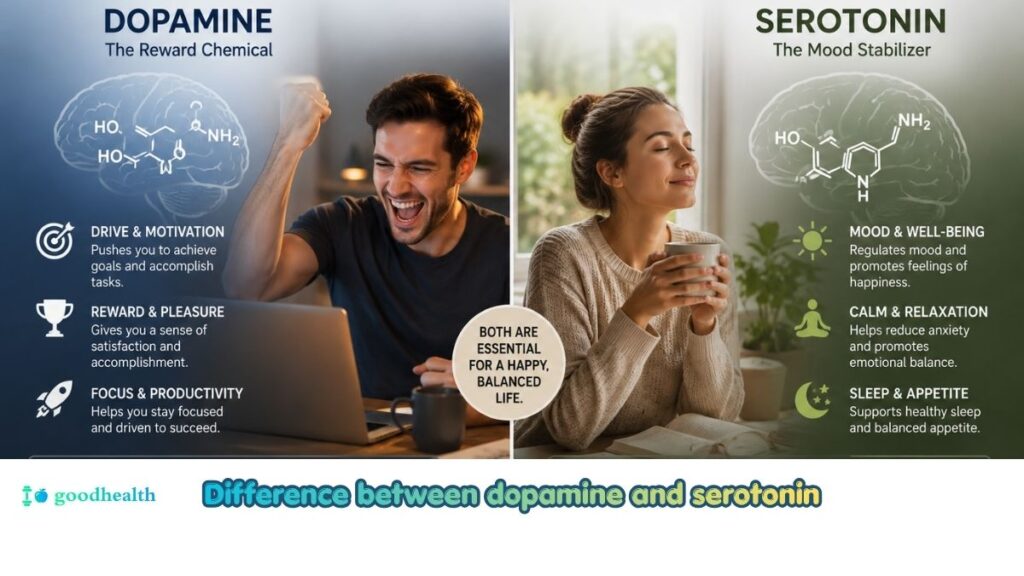
No, serotonin primarily regulates overall mood, emotional stability, and calm, whereas dopamine drives motivation, pleasure, and reward-seeking behavior.
Can too much serotonin be dangerous?
Yes, excessively high serotonin levels can cause a dangerous condition called serotonin syndrome, which requires immediate medical attention.
please note
The content provided in this article is for educational and informational purposes only and should not be construed as medical, nutritional, psychological, or therapeutic advice. The advice provided may not be appropriate for everyone. The final decision regarding your health and lifestyle is yours, and we recommend that you consult with your doctor, counselor, or other health professional before making any changes or taking any action.