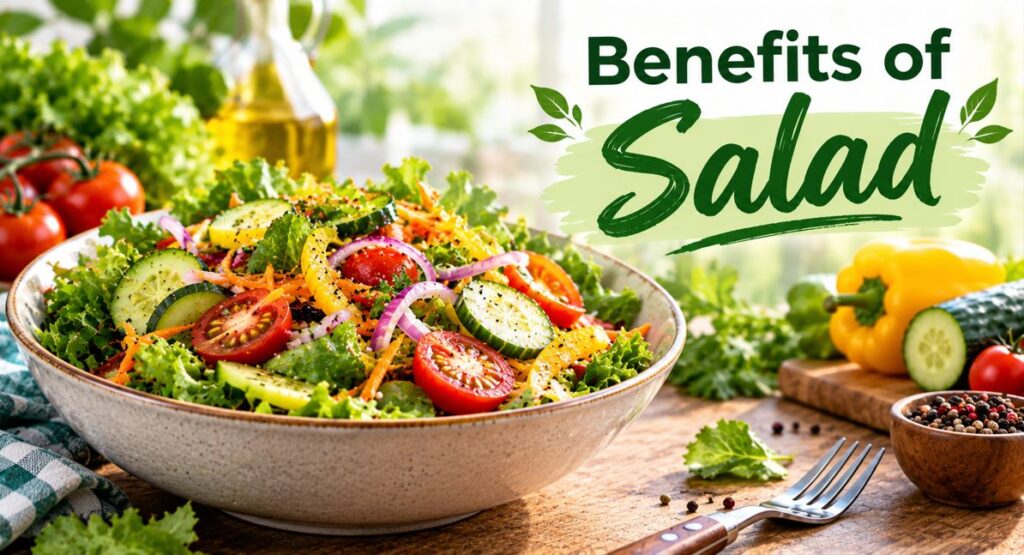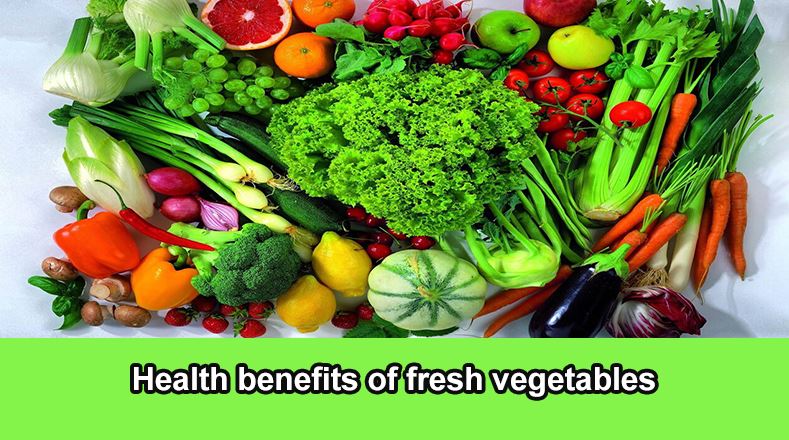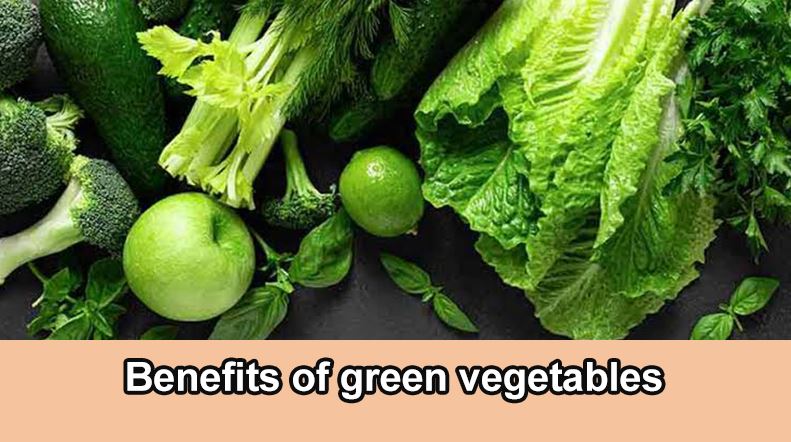
Benefits of fresh vegetables

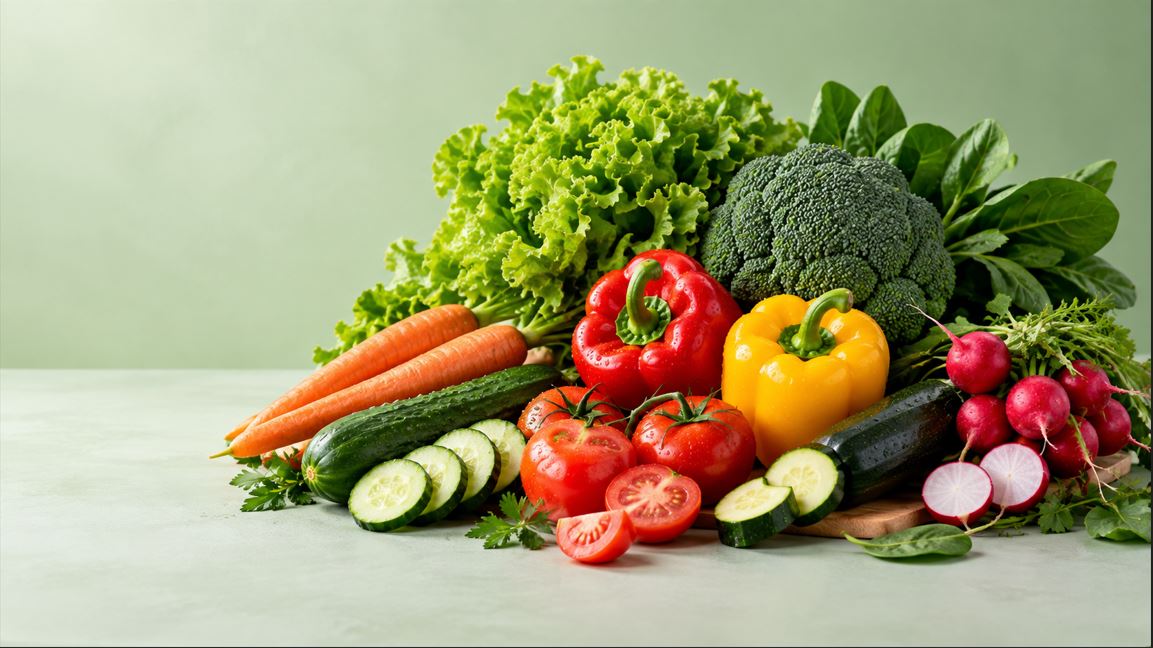
Fresh vegetables are among the most important foods for maintaining a balanced and nutritious diet. They provide a wide range of essential vitamins, minerals, dietary fiber, antioxidants, and plant compounds that support many functions in the body. From leafy greens and tomatoes to carrots, cucumbers, peppers, broccoli, and cabbage, fresh vegetables offer different nutritional profiles that can complement one another. Including a variety of vegetables in everyday meals can improve overall diet quality while adding flavor, texture, and natural freshness.
The benefits of fresh vegetables extend beyond individual nutrients. Regular vegetable consumption is associated with healthy eating patterns that can support digestive health, heart health, immune function, healthy weight management, and long-term well-being. Because vegetables are naturally nutrient-dense and many are relatively low in calories, they can be included generously in balanced meals. Understanding their nutritional value and learning how to prepare them effectively can make it easier to build healthier eating habits that last.
Why Fresh Vegetables Are Important for a Healthy Diet
Fresh vegetables provide a combination of nutrients that the body needs to function properly. Different vegetables contain different amounts of vitamins, minerals, fiber, and naturally occurring plant compounds, which is why dietary variety is so important. Leafy greens can provide vitamin K and folate, orange vegetables are often rich in carotenoids, tomatoes contain lycopene, and cruciferous vegetables such as broccoli and cabbage contain a variety of beneficial phytochemicals.
Another advantage of fresh vegetables is that they can improve the overall quality of a meal without requiring complicated preparation. Adding vegetables to breakfast, lunch, dinner, or snacks increases the amount of whole plant food in the diet. Over time, this can help replace less nutritious foods that are high in added sugar, sodium, or unhealthy fats.
A healthy diet is not built around one “superfood.” Instead, it depends on consuming a wide range of foods that provide complementary nutrients. Fresh vegetables make that variety easier to achieve and can serve as a foundation for many nutritious meals.
Rich Source of Essential Vitamins and Minerals
One of the most important benefits of fresh vegetables is their concentration of essential micronutrients. Depending on the variety, vegetables can supply vitamin C, vitamin A, vitamin K, folate, potassium, magnesium, and several other nutrients involved in normal body functions.
Vitamin C, found in foods such as bell peppers, broccoli, and tomatoes, contributes to normal immune function and collagen production. Folate is important for cell division and normal blood formation, while potassium plays a role in fluid balance, nerve function, and muscle activity. Leafy green vegetables are especially useful for increasing intake of vitamin K and folate.
Because nutritional needs vary from person to person, eating a broad selection of vegetables is more useful than relying heavily on a single type. A colorful plate can naturally increase the variety of nutrients you consume.
High in Dietary Fiber
Fresh vegetables are an excellent source of dietary fiber, a type of carbohydrate that the body does not fully digest. Fiber supports normal digestive function and can help maintain regular bowel movements.
Fiber can also contribute to feelings of fullness after meals. Including vegetables with lunch and dinner, and choosing fiber-rich snacks, may make meals more satisfying and support a balanced approach to eating.
Different vegetables provide different types and amounts of fiber. Broccoli, Brussels sprouts, carrots, peas, artichokes, and leafy greens can all contribute to daily fiber intake. Increasing fiber gradually while drinking enough fluids can help the digestive system adapt more comfortably.
Support Digestive Health
The digestive health benefits of fresh vegetables are closely linked to their fiber and water content. A varied intake of plant foods can provide the digestive system with the material it needs to function normally and can contribute to a healthier overall dietary pattern.
Some types of dietary fiber are fermented by microorganisms in the large intestine. This process produces compounds that can contribute to a healthy gut environment. While individual responses differ, regularly eating a variety of plant foods can support a more diverse diet.
For people who currently eat very little fiber, sudden increases in vegetable consumption may cause temporary bloating or discomfort. Gradually increasing portions and choosing a mix of cooked and raw vegetables can make the transition easier.
Provide Antioxidants and Beneficial Plant Compounds
Fresh vegetables contain numerous phytochemicals, or naturally occurring plant compounds, many of which have antioxidant properties. Antioxidants help protect cells from oxidative stress caused by reactive molecules produced during normal metabolism and exposure to environmental factors.
Color can offer a useful clue to vegetable diversity. Tomatoes and red peppers contain carotenoids, dark leafy greens contain chlorophyll and other plant compounds, and purple vegetables can provide anthocyanins. Each type offers a different combination of compounds.
This is why eating a rainbow of vegetables is more than a visual concept. Varying the colors and types of vegetables can broaden your intake of beneficial plant compounds and contribute to a more diverse diet.
May Support Heart Health
Regularly eating vegetables can be part of a dietary pattern associated with cardiovascular health. Many vegetables are naturally low in saturated fat and provide potassium, fiber, antioxidants, and other nutrients that support an overall healthy diet.
Replacing heavily processed foods with meals centered around vegetables can also improve the nutritional profile of your diet. For example, a meal based on grilled vegetables, beans, whole grains, and a healthy protein source is very different from one dominated by refined carbohydrates and highly processed ingredients.
Heart health depends on many factors, including physical activity, blood pressure, cholesterol, sleep, smoking status, and genetics. Fresh vegetables cannot eliminate cardiovascular risk on their own, but they can play an important role in a heart-supportive eating pattern.
Can Help With Healthy Weight Management
Fresh vegetables are particularly useful in weight-management meals because many contain substantial amounts of water and fiber while being relatively low in calories. This allows you to build meals with plenty of volume without relying entirely on energy-dense foods.
For example, adding a large serving of leafy greens, cucumber, tomatoes, peppers, or roasted vegetables can make a meal more satisfying. Vegetables can also be combined with lean protein, whole grains, beans, and healthy fats to create balanced meals that support longer-lasting fullness.
However, vegetables do not automatically cause weight loss. Overall calorie intake, food quality, physical activity, sleep, and other lifestyle factors all matter. The goal is to use vegetables as part of a balanced eating pattern rather than treating them as a single weight-loss solution.
Support Normal Immune Function
Another significant benefit of fresh vegetables is their contribution of nutrients involved in normal immune function. Vitamin C, vitamin A, folate, vitamin E, and several minerals are found in different vegetables and support various physiological processes.
Bell peppers, broccoli, tomatoes, leafy greens, and carrots can all contribute important nutrients to the diet. No single vegetable provides everything, so variety remains essential.
A strong immune system depends on much more than food alone. Adequate sleep, regular physical activity, sufficient protein, stress management, and good overall nutrition are all important. Fresh vegetables are one practical way to strengthen the nutritional foundation of that lifestyle.
Promote Better Hydration
Many fresh vegetables contain a high percentage of water, making them a useful complement to regular fluid intake. Cucumbers, lettuce, tomatoes, celery, zucchini, and many leafy greens are particularly water-rich foods.
Eating water-containing foods does not replace drinking enough fluids, but it can contribute to overall hydration. This can be especially useful in hot weather or when meals naturally contain large portions of vegetables.
Fresh salads, vegetable soups, sliced cucumbers, and tomato-based dishes are simple ways to combine hydration with essential nutrients.
Fresh Vegetables Can Support Skin Health
Healthy skin depends on adequate nutrition, hydration, and protection from environmental stress. Fresh vegetables can contribute vitamins, minerals, antioxidants, and water that support normal skin function.
Vitamin C is involved in collagen production, while carotenoids and other plant compounds help provide antioxidant protection. Vegetables such as carrots, spinach, tomatoes, and bell peppers can therefore contribute to a nutrient-rich diet that supports skin health.
Healthy skin also depends on factors such as genetics, sun exposure, sleep, and lifestyle. Eating vegetables is helpful, but it is only one part of a broader approach to caring for your skin and overall health.
Contribute to Healthy Energy Levels
Vegetables are not usually considered concentrated energy foods, but they contribute nutrients that help support normal metabolism and overall physical function. Some vegetables also provide carbohydrates that can be useful as part of balanced meals.
Rather than relying on sugary snacks or highly caffeinated drinks for energy, pairing vegetables with protein, whole grains, legumes, or healthy fats can help create more balanced meals. For instance, a vegetable omelet, grain bowl, or bean-and-vegetable salad can provide a combination of nutrients that supports everyday activity.
The best approach to maintaining energy is to focus on overall meal quality, adequate sleep, hydration, and regular movement.
Different Vegetables Offer Different Nutritional Benefits
Not all vegetables have the same nutritional profile, which makes variety especially valuable. Leafy greens such as spinach and kale are rich in several vitamins and minerals. Cruciferous vegetables such as broccoli and cauliflower provide fiber and numerous plant compounds. Carrots and sweet peppers provide carotenoids, while tomatoes offer vitamin C and lycopene.
Root vegetables such as beets and carrots can add natural sweetness and texture to meals. Legume-based vegetables such as peas also contribute protein and fiber. Mushrooms, although biologically distinct from plants, are often used similarly in cooking and provide their own unique nutritional profile.
Instead of asking which single vegetable is the healthiest, it is more useful to consider how different vegetables complement each other. A varied plate is usually a more effective strategy for broad nutritional coverage.
Fresh Versus Frozen and Canned Vegetables
Fresh vegetables are a convenient option, but frozen and canned vegetables can also be nutritious. The nutritional difference depends on the particular vegetable, storage conditions, processing, and cooking method.
Frozen vegetables are often processed soon after harvesting and can retain many nutrients. Canned vegetables can also be useful, especially when choosing varieties with lower sodium and no unnecessary added ingredients.
Fresh vegetables are still an excellent choice when they are available and affordable, particularly when they are stored and prepared properly. The most important consideration is consistently eating a wide variety of vegetables rather than avoiding nutritious options because they are not always fresh.
Best Ways to Prepare Fresh Vegetables
How vegetables are prepared can influence their nutritional value and overall calorie content. Steaming, roasting, grilling, sautéing, and lightly cooking vegetables can make them easier to enjoy while preserving much of their nutritional quality.
Some nutrients are more stable during cooking, while others can be reduced by prolonged exposure to heat or water. For this reason, using a variety of cooking methods can be practical. Eating some vegetables raw and others cooked creates both nutritional and culinary variety.
Avoiding excessive amounts of added salt, butter, or heavy sauces can help preserve the nutritional advantages of vegetable-based meals. Herbs, spices, lemon juice, vinegar, garlic, and moderate amounts of olive oil can add flavor without overwhelming the natural qualities of the vegetables.
How to Eat More Fresh Vegetables Every Day
Increasing vegetable intake does not require completely changing your diet. Start by adding one extra serving to meals you already eat. Put spinach or tomatoes into breakfast dishes, add cucumber and peppers to lunch, or include a larger portion of roasted vegetables with dinner.
Keeping washed and prepared vegetables visible and easy to reach can also make healthy choices more convenient. Pre-cut carrots, cucumbers, peppers, or leafy greens can be useful for quick snacks and meals.
Another effective strategy is to vary colors and textures. When meals look appealing and offer different flavors, vegetables are more likely to become a regular part of your eating routine rather than something you eat only because you feel you should.
Make Vegetables the Foundation of Balanced Meals
A vegetable-centered meal can still include plenty of protein, carbohydrates, and healthy fats. Instead of thinking of vegetables as only a side dish, use them as the foundation around which the rest of the meal is built.
A balanced bowl might combine leafy greens, roasted vegetables, beans or chicken, whole grains, avocado, and a simple dressing. A vegetable soup can be paired with whole-grain bread and a protein-rich food. These combinations make it easier to enjoy the benefits of fresh vegetables while meeting broader nutritional needs.
This approach also makes meals more adaptable. You can change the vegetables according to season, availability, price, and personal preference without abandoning the basic structure of the meal.
Fresh Vegetables and Long-Term Healthy Habits
The benefits of fresh vegetables become more meaningful when they are consumed consistently over time. One healthy salad does not transform your health, just as one meal lacking vegetables does not determine your overall nutritional quality.
Long-term habits are built through repetition. Keeping vegetables available, planning meals in advance, trying new varieties, and experimenting with different cooking methods can make vegetable consumption easier to maintain.
A sustainable approach focuses on enjoying food while improving its nutritional quality. When vegetables become a normal part of everyday meals, healthy eating feels less like a temporary diet and more like a natural lifestyle.
Conclusion
The benefits of fresh vegetables include their contribution of vitamins, minerals, dietary fiber, antioxidants, water, and a wide range of naturally occurring plant compounds. Regular consumption can support digestive health, heart-healthy eating patterns, immune function, hydration, healthy weight management, and overall nutritional quality.
Fresh vegetables are most valuable when eaten as part of a varied diet rather than treated as a single solution for health. Choosing different colors, combining raw and cooked vegetables, and pairing them with protein, whole grains, legumes, and healthy fats can create meals that are both nutritious and satisfying.
Making fresh vegetables a regular part of breakfast, lunch, dinner, and snacks is a practical way to improve diet quality without relying on complicated rules. The greater the variety and consistency of your vegetable intake, the easier it becomes to build a balanced eating pattern that supports long-term health and everyday well-being.
What are the main benefits of eating fresh vegetables every day?
Fresh vegetables provide essential vitamins, minerals, fiber, antioxidants, and other nutrients that support digestion, immunity, heart health, and overall well-being.
Which fresh vegetables are the healthiest to eat regularly?
Leafy greens, broccoli, carrots, bell peppers, tomatoes, and cruciferous vegetables are especially nutritious because they provide a wide range of vitamins, minerals, fiber, and antioxidants.
Do fresh vegetables help with weight loss?
Yes, fresh vegetables can support weight loss because they are generally low in calories and high in fiber and water, helping you feel full while maintaining a balanced diet.
Are raw vegetables healthier than cooked vegetables?
Raw vegetables can retain certain heat-sensitive nutrients, while cooking can make other nutrients easier to absorb, so eating a variety of both raw and cooked vegetables is beneficial.
How many servings of fresh vegetables should I eat per day?
For most adults, aiming for several servings of vegetables each day as part of a balanced diet can help increase nutrient and fiber intake and support long-term health.
please note
The content provided in this article is for educational and informational purposes only and should not be construed as medical, nutritional, psychological, or therapeutic advice. The advice provided may not be appropriate for everyone. The final decision regarding your health and lifestyle is yours, and we recommend that you consult with your doctor, counselor, or other health professional before making any changes or taking any action.
Shop new arrivals
-

Emotional Advantage
€0.00 -

Healthy Life Blueprint
€0.00 -

How to break negative habits
€0.00 -
How to have continuity
Original price was: €4.90.€0.00Current price is: €0.00. -
Living with Purpose
Original price was: €8.90.€0.00Current price is: €0.00.