Health benefits of fresh vegetables

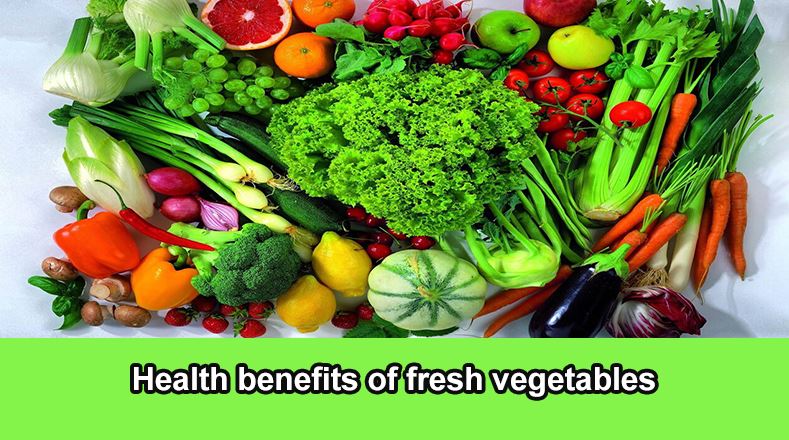
The foundational cornerstone of human longevity and vibrant well-being is indisputably anchored in the daily consumption of whole, plant-based foods. In an era dominated by hyper-processed convenience foods and synthetic dietary supplements, the profound health benefits of fresh vegetables remain unparalleled in their ability to protect, nourish, and revitalize the human body. Incorporating a diverse array of fresh produce into your daily meals provides a complex matrix of essential nutrients that work synergistically to optimize metabolic function, fortify the immune system, and lower the risk of numerous chronic debilitating conditions. Understanding the specific physiological mechanisms behind these nutrient-dense whole foods can fundamentally transform how you approach nutrition and daily meal planning.
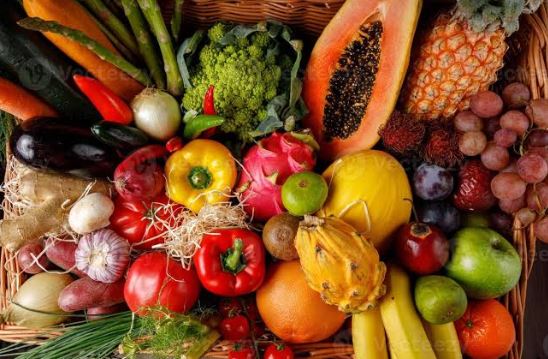
The Complex Micronutrient Profile of Fresh Produce
Fresh vegetables serve as the primary dietary source for a vast array of essential vitamins and minerals that the human body cannot synthesize on its own. These micronutrients act as essential cofactors for thousands of enzymatic reactions that regulate everything from cellular energy production to DNA repair and bone mineralization. For instance, dark leafy greens are packed with vitamin K, which is critical for proper blood coagulation and bone density, alongside substantial quantities of non-heme iron and bioavailable calcium. Citrus-toned and deeply orange vegetables like carrots and sweet potatoes deliver massive doses of beta-carotene, a precursor to vitamin A that supports vision health and cellular differentiation.
The true power of these vitamins and minerals lies in their biological context within a whole food matrix. When you consume a fresh bell pepper, you are not merely ingesting isolated ascorbic acid; you are consuming vitamin C surrounded by natural bioflavonoids, water, and trace elements that significantly enhance its absorption and stability within your bloodstream. This natural bioavailability stands in stark contrast to synthetic isolates found in commercial multi-vitamins, which often lack the necessary structural components for optimal human uptake. Maintaining a consistent intake of raw and lightly cooked vegetables ensures that these delicate water-soluble and fat-soluble vitamins remain intact and ready for systemic utilization.
Furthermore, the mineral density of fresh vegetables is vital for managing fluid balance, neuromuscular communication, and structural integrity throughout the body. Potassium, a mineral heavily concentrated in Swiss chard, spinach, and avocados, directly counteracts the adverse effects of dietary sodium by relaxing blood vessel walls and promoting healthy circulation. Magnesium, another critical mineral abundant in green vegetables, plays a central role in modulating the body’s stress response, supporting muscle relaxation, and stabilizing resting heart rates. By shifting your dietary focus toward whole, unadulterated produce, you naturally optimize your micronutrient status without the risk of toxicity often associated with high-dose supplementation.
Dietary Fiber and Its Impact on Metabolic Regulation
One of the most profound health benefits of fresh vegetables is their exceptionally high concentration of dietary fiber, a structural carbohydrate that passes through the upper digestive tract largely intact. Dietary fiber is broadly categorized into soluble and insoluble forms, both of which execute distinct yet vital functions for human metabolic health. Insoluble fiber, found abundantly in cruciferous vegetables and root crops, acts as a natural bulking agent that accelerates the transit of food through the intestinal tract, effectively preventing constipation and reducing the time that potential carcinogens remain in contact with the intestinal lining.
Soluble fiber, conversely, dissolves in water to form a viscous, gel-like substance within the digestive system. This gel slows down the enzymatic breakdown of carbohydrates and the subsequent absorption of glucose into the bloodstream, preventing the sharp insulin spikes that typically follow a low-fiber, carbohydrate-heavy meal. Over time, this stabilization of blood glucose levels enhances insulin sensitivity, making fresh vegetables an indispensable tool for individual metabolic health and weight management. By mitigating rapid blood sugar fluctuations, a fiber-rich diet also aids in reducing systemic cravings and preventing the energy crashes that lead to overeating.
From a caloric perspective, vegetables offer a remarkably high nutrient-to-calorie ratio, often referred to as low energy density. This physical property allows individuals to consume a large volume of food, inducing mechanical stretch receptors in the stomach that signal neurological satiety to the brain, without exceeding daily caloric limits. The combination of sustained satiety, slowed gastric emptying, and minimal glycemic impact makes a vegetable-rich diet the absolute gold standard for long-term weight management and metabolic resilience.
The Role of Phytonutrients and Antioxidants in Cellular Defense
Beyond traditional vitamins and minerals, fresh vegetables produce a diverse universe of bioactive compounds known as phytonutrients. These chemicals are synthesized by plants as a defense mechanism against environmental stressors, ultraviolet radiation, and pests. When consumed by humans, these compounds trigger powerful protective responses at the cellular level, primarily by neutralizing free radicals—unstable molecules that cause oxidative stress, damage cellular membranes, and accelerate cellular aging and mutation.
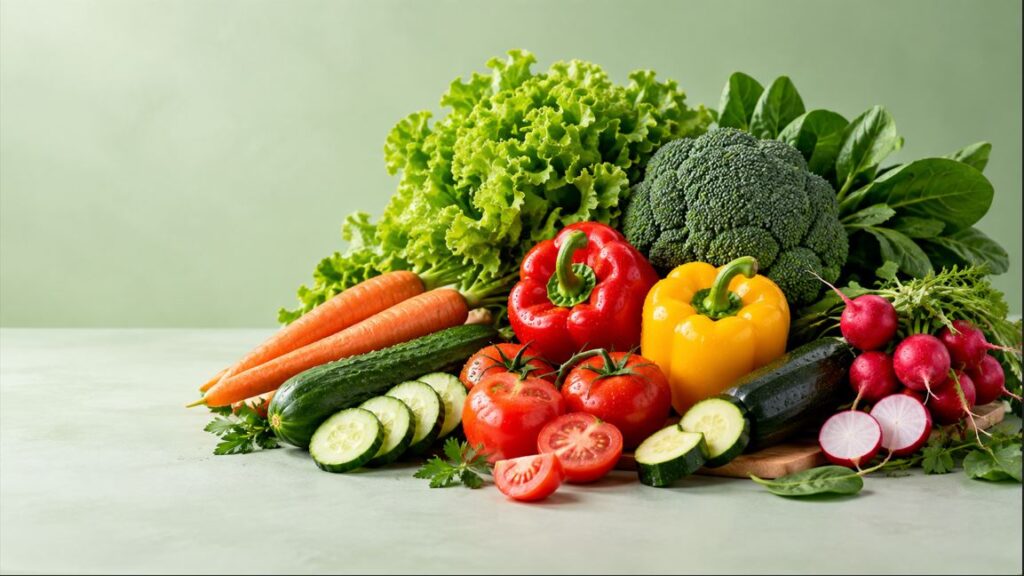
The vivid colors characteristic of fresh produce are direct indicators of the specific phytonutrients contained within them. For example, the deep red of tomatoes and red bell peppers signifies a high concentration of lycopene, a potent carotenoid extensively studied for its ability to protect lipid structures and support prostate health. The rich purples and blues of eggplants and purple kale denote the presence of anthocyanins, which offer exceptional vascular protection and promote cognitive clarity by reducing neuroinflammation.
Cruciferous vegetables, including broccoli, Brussels sprouts, and cabbage, contain an incredibly potent class of sulfur-containing compounds known as glucosinolates. When these vegetables are chopped or chewed, an enzyme called myrosinase converts glucosinolates into isothiocyanates, most notably sulforaphane. Scientific literature has consistently demonstrated that sulforaphane stimulates the body’s phase II detoxification enzymes in the liver, enhancing the elimination of environmental toxins and carcinogens while simultaneously down-regulating pro-inflammatory pathways.
Supporting the Gut Microbiome and Digestive System
The human gastrointestinal tract is home to trillions of microorganisms collectively known as the gut microbiome, an intricate ecosystem that plays a foundational role in human immunity, neurotransmitter synthesis, and systemic inflammation. Fresh vegetables act as the primary fuel source for these beneficial bacterial strains. The complex carbohydrates and non-digestible fibers within vegetables function as prebiotics, meaning they resist upper-gastrointestinal digestion and arrive intact in the colon, where they are eagerly fermented by health-promoting microbes like Bifidobacteria and Lactobacilli.
When these beneficial bacteria ferment vegetable fibers, they produce short-chain fatty acids (SCFAs), primarily acetate, propionate, and butyrate. These short-chain fatty acids serve as the primary energy source for the epithelial cells lining the colon, maintaining the structural integrity of the gut barrier. A strong, intact gut barrier prevents a phenomenon known as intestinal permeability, where undigested food particles and bacterial endotoxins leak into the bloodstream, triggering systemic, low-grade immune activation.
Furthermore, a diverse intake of fresh vegetables directly correlates with a highly diverse microbiome, which is a hallmark of robust health and resistance to infection. Approximately seventy percent of the human immune system is localized within the gut-associated lymphoid tissue (GALT). By nourishing a balanced and thriving microbial community with prebiotic fibers, you naturally modulate your immune responses, reducing the incidence of autoimmune reactions while simultaneously sharpening the body’s defense mechanisms against acute pathogenic invasions.
Chronic Disease Prevention and Longevity
The long-term epidemiological data surrounding dietary patterns consistently indicates that individuals who consume the highest quantities of fresh vegetables experience significantly lower rates of all-cause mortality. This preventative shield spans across multiple biological systems, offering robust defense against the primary drivers of global chronic illness.
Cardiovascular Protection and Hypertension Management
Cardiovascular diseases are deeply tied to vascular inflammation and endothelial dysfunction. The high potassium and magnesium concentrations found across the vegetable spectrum work in tandem to regulate blood pressure by inducing vasodilation and counteracting the arterial stiffness caused by chronic sodium overload. Additionally, vegetables are naturally rich in inorganic nitrates, particularly beetroot, arugula, and spinach. Once ingested, these nitrates are converted into nitric oxide, a powerful signaling molecule that relaxes smooth muscle tissues within blood vessels, dramatically improving endothelial function, enhancing systemic blood flow, and reducing the workload imposed on the myocardium.
Blood Sugar Optimization and Diabetes Risk Mitigation
The development of type 2 diabetes is primarily characterized by progressive insulin resistance driven by systemic inflammation, oxidative stress, and chronic caloric excess. The low glycemic load of fresh vegetables, paired with their high antioxidant capacity, directly alleviates the metabolic strain placed on the pancreas. Magnesium, which is widely under-consumed in modern societies but highly abundant in green vegetables, acts as a mandatory catalyst for insulin receptor tyrosine kinase activity. Ensuring adequate cellular levels of magnesium through consistent vegetable intake directly improves peripheral glucose uptake, allowing cells to clear sugar from the blood efficiently.
Targeted Anti-Inflammatory Effects and Longevity
Chronic, systemic inflammation is the silent driver behind premature cellular aging, joint degradation, and metabolic decline. Fresh vegetables contain an array of natural anti-inflammatory agents that operate by inhibiting the activation of nuclear factor kappa B (NF-kB), a primary protein complex that controls the transcription of pro-inflammatory cytokines. By down-regulating these inflammatory cascades through a steady intake of phytonutrients and dietary fiber, you create an internal biochemical environment that promotes cellular longevity, preserves joint mobility, and maintains cognitive sharpness deep into your later years.
Optimizing Nutrient Delivery from Storage to Table
To fully extract the exceptional health benefits of fresh vegetables, careful consideration must be given to how produce is selected, stored, and prepared. The nutritional value of veggies begins to decline the moment they are harvested due to exposure to light, oxygen, and ambient heat. When purchasing fresh produce, prioritizing locally sourced, seasonal items from farmers’ markets frequently yields higher nutrient densities, as these items spend significantly less time in transit and storage compared to imported goods.
Proper storage techniques are equally vital to prevent the oxidation of fragile vitamins. Leafy greens should be kept in cool, humid environments to prevent wilting and the subsequent loss of water-soluble vitamin C. Conversely, root vegetables and alliums like onions and garlic thrive in cool, dark, and dry spaces. It is also important to note that while raw vegetables offer maximum enzymatic activity and intact heat-sensitive nutrients, certain compounds become significantly more bioavailable when subjected to gentle cooking methods.
The thermal breakdown of plant cell walls during steaming, roasting, or light sautéing can unlock tightly bound nutrients. For instance, the lycopene in tomatoes and the beta-carotene in carrots are fat-soluble carotenoids whose absorption rates increase exponentially when cooked and paired with a healthy source of dietary fat, such as cold-pressed extra virgin olive oil. However, boiling vegetables extensively in large volumes of water should generally be avoided, as this causes valuable water-soluble vitamins, such as B-complex vitamins and vitamin C, to leach out into the cooking liquid and be discarded. Steaming or quick stir-frying remains the preferred method for preserving both structural integrity and micronutrient retention.
Practical Strategies for Increasing Daily Vegetable Intake
Transitioning to a diet that genuinely leverages the health benefits of fresh vegetables does not require radical or unsustainable restrictions; rather, it hinges on structural, creative culinary integration. A common barrier to adequate vegetable consumption is the perception of preparation time and taste monotony. Overcoming this requires reframing vegetables not as an afterthought or a bland side dish, but as the foundational volume around which a meal is constructed.
One highly effective approach is the deliberate integration of vegetables into pre-existing morning routines. Blending a handful of mild greens, such as baby spinach, into a morning protein smoothie delivers an immediate serving of vitamins and fiber without altering the flavor profile. Similarly, incorporating finely diced bell peppers, onions, and mushrooms into morning eggs instantly upgrades the micronutrient profile of the meal. For lunch and dinner, utilizing culinary swaps—such as replacing traditional grain bases with riced cauliflower or utilizing spiralized zucchini noodles in place of pasta—allows for a dramatic increase in nutrient volume while reducing overall glycemic load.
Batch preparation is another critical strategy for ensuring long-term consistency. Dedicating time to washing, chopping, and storing a colorful assortment of raw vegetables immediately after a shopping trip eliminates the friction of preparation during busy weeknights. Keeping a container of pre-cut cucumbers, radishes, and celery visible in the refrigerator encourages nutritious snacking over processed alternatives. By pairing these accessible options with flavorful, home-prepared dips like hummus or guacamole, you enhance both the palatability and the fat-soluble nutrient absorption of your snacks.
Cultivating a diverse palate through seasonal rotation further ensures that your body receives a wide spectrum of phytonutrients throughout the year. Every unique botanical family offers a distinct defensive compound, meaning that alternating between cruciferous greens, root vegetables, nightshades, and alliums maximizes the biological resilience of your gut microbiome and systemic health. Making a conscious effort to build your plate around vibrant, colorful, and whole plant foods is the single most definitive investment you can make in your immediate vitality and long-term preventative healthcare.
Are fresh vegetables always healthier than frozen ones?
Frozen vegetables can actually be just as nutritious because they are flash-frozen at peak ripeness to lock in essential vitamins.
How many servings of fresh vegetables should I actually eat every day?
Aim for at least two to three cups of fresh vegetables daily to give your body a solid mix of fiber, antioxidants, and minerals.
Do you lose nutrients when you cook fresh vegetables?
While boiling can strip away some water-soluble vitamins like C, methods like steaming or roasting actually make certain nutrients easier for your body to absorb.
Which fresh vegetables are the absolute best for losing weight?
Leafy greens, broccoli, and cucumbers are fantastic for weight loss because they are incredibly low in calories but packed with filling dietary fiber.
What is the safest way to wash fresh vegetables before eating them raw?
Simply scrubbing them under cool running tap water is highly effective at removing surface dirt and most pesticide residues.
Please note
The content provided in this article is for educational and informational purposes only and should not be construed as medical, nutritional, or therapeutic advice. The recommendations provided may not be appropriate for everyone. The final decision regarding your health and lifestyle is yours, and we recommend that you consult with your doctor or other health professional before making any changes or taking any action.