Low calorie meal ideas

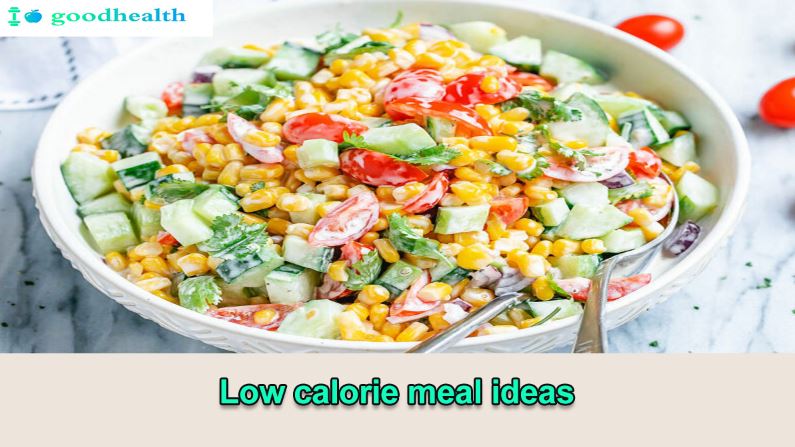
Finding sustainable, genuinely enjoyable food options is often the biggest hurdle when trying to manage weight or improve overall health. The traditional approach to dieting often relies on severe restriction, leaving individuals feeling deprived, hungry, and frustrated. However, achieving a calorie deficit does not require eating microscopic portions or sacrificing culinary enjoyment. By focusing on smart ingredient swaps, strategic cooking methods, and the principles of volume eating, it is entirely possible to craft plates that are both enormous and nutritionally balanced. Discovering effective low calorie meal ideas is about shifting the focus from what must be eliminated to what can be added in abundance. When meals are built around water-rich vegetables, high-quality lean proteins, and fiber-dense carbohydrates, the body receives the necessary signals of satiety long before the caloric intake becomes excessive. This approach ensures that nutrition remains a sustainable lifestyle choice rather than a temporary, miserable endeavor.
The Science of Satisfying Low Calorie Meal Ideas
Understanding the mechanics of weight management begins with the concept of energy balance. To lose or maintain weight effectively, the body must operate within a specific energy threshold, commonly referred to as a calorie deficit. However, not all calories interact with the human digestive system in the exact same way. One hundred calories of refined sugar will cause a rapid spike in blood glucose followed by an inevitable crash, triggering intense hunger shortly after consumption. Conversely, one hundred calories of fibrous vegetables or lean protein will require significantly more energy to digest, a phenomenon known as the thermic effect of food, while simultaneously expanding in the stomach to trigger physical stretch receptors.
This physiological mechanism is the foundation of volume eating, a strategy heavily utilized by nutrition professionals. Volume eating involves prioritizing foods that possess a high water and fiber content relative to their caloric density. Items like zucchini, leafy greens, berries, and cucumbers can be consumed in massive quantities, filling an entire dinner plate while contributing barely a fraction of the calories found in a single tablespoon of cooking oil. By making these high-volume ingredients the anchor of daily nutrition, individuals can visually trick their brains into feeling abundantly fed while chemically providing the stomach with the bulk it requires to signal fullness to the brain.
Balancing macronutrients is just as critical as managing sheer volume. A successful dietary strategy relies on the synergy between protein, dietary fiber, and healthy fats to slow down the gastric emptying process. When carbohydrates are consumed in isolation, they digest rapidly. When those same carbohydrates are paired with a robust source of protein, the digestive timeline is extended, providing a steady, prolonged release of energy. This stable blood sugar response is the ultimate goal of any healthy eating regimen, as it prevents the erratic spikes and crashes that inevitably lead to mid-afternoon sugar cravings and dietary derailment.
Strategies for Building Nutrient-Dense Plates
The architecture of a well-designed plate is the secret to executing low calorie meal ideas without feeling restricted. The process begins by designating at least half of the physical dining surface to non-starchy vegetables. These nutritional powerhouses serve as the ultimate filler, delivering essential vitamins, minerals, and antioxidants for a negligible caloric cost. Whether it is a bed of peppery arugula, a mountain of steamed broccoli, or a vibrant mix of roasted bell peppers, vegetables should always be the most prominent visual element of the meal.
Following the vegetable foundation, the next crucial component is lean protein. Protein is notoriously satiating and plays a vital role in preserving lean muscle mass, especially when the body is operating in a calorie deficit. Excellent choices include skinless chicken breast, turkey tenderloin, white fish like cod or halibut, and plant-based options such as firm tofu or lentils. The key is to prepare these proteins without completely negating their low-calorie profile through heavy breading or deep-frying. Opting for gentle cooking methods allows the natural flavors of the protein to shine while keeping the energy density remarkably low.
Managing cooking methods and invisible calories is perhaps the most overlooked aspect of healthy culinary preparation. A single tablespoon of olive oil contains over one hundred and twenty calories. While healthy fats are absolutely necessary for hormone regulation and brain function, pouring oil freely over a pan of vegetables can rapidly transform a low-calorie dish into a high-calorie hazard. Utilizing non-stick cookware, relying on cooking sprays, or employing techniques like steaming, baking, and air-frying can drastically reduce the need for added fats. Furthermore, leaning heavily into acidic and umami flavor profiles—such as fresh lemon juice, balsamic vinegar, soy sauce, and aromatic herbs—provides massive flavor enhancement without contributing to the overall caloric load.
Energizing Low-Calorie Breakfast Options
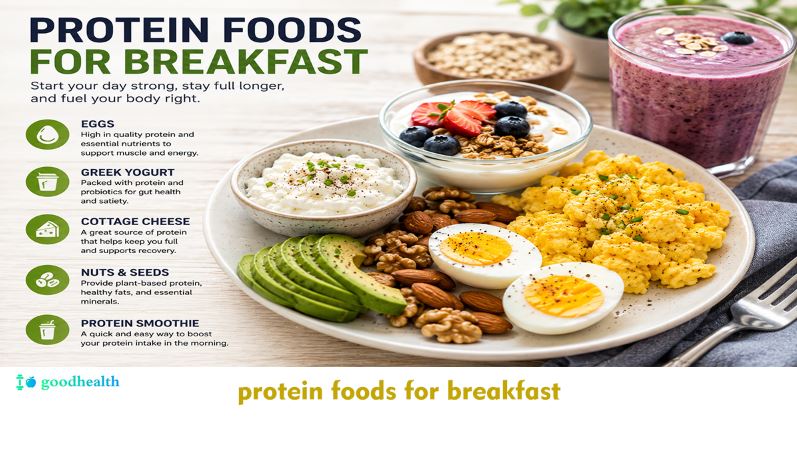
High-Protein Egg White Scrambles
Starting the day with a substantial infusion of protein sets a positive metabolic tone for the hours ahead. Eggs are an incredibly versatile morning staple, but for those strictly monitoring their intake, egg whites offer a targeted solution. The yolk contains valuable nutrients and healthy fats, but it also carries the bulk of the calories. A highly effective technique is to use one whole egg combined with a generous pour of liquid egg whites. This hybrid approach retains the rich flavor and nutritional benefits of the yolk while tripling the volume and protein content of the meal for minimal extra calories.
To maximize the satiating power of a morning scramble, the incorporation of high-volume vegetables is non-negotiable. Tossing handfuls of baby spinach, diced tomatoes, bell peppers, and white mushrooms into the hot pan before pouring in the eggs creates a massive, nutrient-dense skillet. The vegetables release their natural water content, keeping the eggs tender, while the diverse textures prevent the meal from feeling monotonous. Seasoning generously with cracked black pepper, smoked paprika, and perhaps a dash of hot sauce delivers a fiery, satisfying breakfast that provides sustained energy well into the afternoon.
Fiber-Rich Oatmeal Variations
For individuals who prefer a slightly sweeter or more carbohydrate-focused start to their day, rolled or steel-cut oats provide an exceptional vehicle for sustained energy. Oats are rich in beta-glucan, a type of soluble fiber that forms a thick, viscous gel in the digestive tract, effectively delaying the onset of hunger. The critical factor when preparing low-calorie oatmeal is the liquid medium and the chosen toppings. Cooking oats in water or unsweetened almond milk rather than whole dairy milk instantly cuts out unnecessary energy density while maintaining the comforting, creamy texture that makes the dish so appealing.
The true trap of morning oatmeal lies in the traditional additions of brown sugar, maple syrup, and heavy handfuls of dried fruit, all of which are highly concentrated sources of calories. Instead, sweetness and depth can be achieved through calorie-free spices like heavy dashes of cinnamon, nutmeg, and vanilla extract. Incorporating fresh or frozen berries, such as raspberries and strawberries, adds bright acidity, extra dietary fiber, and natural sweetness. For an added protein boost without the calories of heavy nuts, mixing in a scoop of high-quality whey or plant-based protein powder transforms a simple bowl of grains into a comprehensive, macro-balanced morning feast.
Midday Fuel with Low-Calorie Lunches
Navigating the midday meal is uniquely challenging, as it must provide enough energy to conquer the remainder of the workday without inducing a lethargic, heavy sensation. The afternoon slump is almost entirely driven by consuming oversized, carbohydrate-heavy lunches that demand excessive digestive energy. Shifting toward lighter, vibrant, and strategically composed low-cal lunches guarantees that cognitive function remains sharp and physical energy stays consistent.
Massive, structural salads are a classic choice for a reason, but they require careful engineering to avoid becoming hidden calorie bombs. The foundation should be a diverse mix of dark leafy greens, such as kale, romaine, and spinach, topped with an array of raw, crunchy vegetables like carrots, cucumbers, and red cabbage. The protein source should remain lean, perhaps utilizing grilled chicken breast or water-packed tuna. The most common downfall of the lunchtime salad is the dressing. Creamy, mayonnaise-based dressings can easily add hundreds of calories to an otherwise perfect meal. Transitioning to homemade vinaigrettes using apple cider vinegar, Dijon mustard, fresh garlic, and a strictly measured teaspoon of high-quality olive oil ensures vibrant flavor and moisture without the caloric devastation.
Broth-based soups represent another incredibly powerful tool in the low-calorie arsenal. Because their primary ingredient is water, soups possess an immense physical volume that stretches the stomach and provides a deep sense of psychological satisfaction and warmth. A vegetable-heavy minestrone, a spicy chicken and clear broth soup, or a light miso soup can serve as an expansive starter or the main event when paired with a small side salad. The high liquid content mandates slower consumption, allowing the brain adequate time to register fullness, making broth-based soups one of the most effective strategies for curbing mid-day hunger on a restricted energy budget.
Comforting and Filling Low-Calorie Dinners
Lean Protein and Roasted Vegetables
Dinner is traditionally the largest meal of the day, making it the most critical juncture for dietary discipline. It is entirely possible to enjoy a hearty, comforting evening meal that aligns perfectly with weight loss goals. The quintessential low-calorie dinner template involves a substantial portion of lean meat baked or grilled to perfection, accompanied by an overwhelming quantity of roasted vegetables. Roasting vegetables in a very hot oven induces the Maillard reaction, caramelizing their natural sugars and creating crispy, deeply savory edges that elevate simple broccoli, cauliflower, or Brussels sprouts to a gourmet level.
The secret to executing this without drowning the pan in oil is parchment paper and strategic seasoning. Tossing the vegetables in a bowl with a light mist of olive oil spray, rather than a free-flowing pour, ensures even coverage. Generously applying garlic powder, onion powder, dried oregano, and a pinch of sea salt creates a robust crust. When served alongside a perfectly cooked turkey breast or a filet of wild-caught salmon, this dinner template provides the deep, savory satisfaction that diet-weary individuals crave, while mathematically remaining well within the bounds of a strict energy deficit.
Plant-Based Pasta Alternatives
The craving for a dense, comforting bowl of noodles is universal, yet traditional wheat pasta is intensely calorie-dense and remarkably easy to overeat. Fortunately, the culinary world has developed spectacular alternatives that allow for massive, twirlable bowls of comfort food at a fraction of the caloric cost. Spaghetti squash, when roasted and shredded with a fork, yields long, tender strands that mimic the texture of angel hair pasta while providing valuable fiber and an incredibly light caloric footprint. Similarly, shirataki noodles, derived from the konjac yam, contain almost zero usable calories, consisting entirely of water and a highly beneficial soluble fiber called glucomannan.
The success of these vegetable-based noodle alternatives relies entirely on the quality of the accompanying sauce. A robust, deeply flavored marinara can be crafted simply by simmering crushed San Marzano tomatoes with fresh basil, minced garlic, and a pinch of red pepper flakes. By avoiding heavy cream, excessive butter, or fatty ground meats, the sauce remains bright, acidic, and exceptionally low in calories. Adding ground lean turkey or textured vegetable protein to the simmering sauce provides the necessary structural protein, resulting in a towering bowl of mock-pasta that looks and eats like an indulgent cheat meal but digests like a light, healthy salad.
Smart Snacking to Maintain a Calorie Deficit
A common misconception regarding weight loss is that snacking is strictly forbidden. In reality, strategically timed snacks can prevent the severe hunger pangs that lead to impulsive, high-calorie binges during main meals. The objective is to select snacks that provide maximum chewing satisfaction and physical volume without making a significant dent in the daily calorie allowance. This requires a conscious shift away from densely packed, processed snack foods like chips and candy bars, which offer almost zero satiety despite their high energy cost.
High-volume, crunchy snacks are particularly effective at satisfying the psychological urge to eat. Air-popped popcorn is an outstanding whole grain that offers enormous visual volume. Three entire cups of air-popped popcorn contain fewer calories than a tiny handful of potato chips, and when dusted with nutritional yeast or spicy chili powder, it becomes a highly flavorful, fiber-rich treat. Similarly, crisp vegetables like celery stalks, cucumber slices, and bell pepper strips offer immense crunch and hydration. Pairing these vegetables with a carefully measured portion of hummus or a tablespoon of powdered peanut butter mixed with water delivers a satisfying combination of fiber and protein to bridge the gap between major meals.
It is also crucial to differentiate between actual physical hunger and mere psychological boredom or dehydration. Often, the desire to snack is simply a misinterpretation of the body’s need for fluids. Incorporating high-volume liquids throughout the day can dramatically reduce unnecessary snacking. Sparkling mineral water infused with fresh lemon or lime wedges provides carbonated fullness, while hot herbal teas like peppermint or chamomile offer a comforting, flavor-rich experience that requires time to consume, effectively interrupting the mindless snacking habit while keeping the body adequately hydrated.
Meal Prepping for Long-Term Success
The most brilliant nutritional strategy is entirely useless if it cannot be executed consistently on a busy Wednesday evening. Relying on willpower alone to cook a healthy meal after a taxing day of work is a recipe for failure, which usually results in ordering high-calorie takeout. Meal prepping is the ultimate defense mechanism against decision fatigue. By dedicating a few hours on a weekend to prepare the foundational elements of the week’s nutrition, healthy eating transforms from a daily struggle into the path of least resistance.
Effective meal prepping does not necessarily mean cooking five identical, rigid meals and storing them in rigid plastic containers. A more sustainable and appetizing approach is ingredient prepping. This involves batch-cooking a large quantity of a versatile lean protein, such as shredded chicken breast or baked tofu, and storing it in a central container. Simultaneously, washing, chopping, and pre-roasting a massive variety of vegetables ensures that the most time-consuming steps of cooking are already complete. Having these modular components readily available in the refrigerator allows for the rapid assembly of salads, wraps, and bowls in mere minutes, preserving variety and freshness throughout the week.
Proper storage and organization further enhance the viability of low calorie meal ideas. Investing in high-quality, airtight glass containers keeps chopped greens crisp and prevents roasted vegetables from becoming soggy. When the refrigerator is stocked with easily accessible, visibly appealing, and pre-portioned healthy ingredients, the friction between wanting to eat well and actually executing the behavior is entirely removed. This level of preparation ensures that dietary goals are met with precision, establishing a routine that prioritizes health without sacrificing convenience or flavor.
By implementing these structural dietary changes, maintaining an optimal energy balance becomes a natural byproduct of daily habits rather than a constant, exhausting calculation. Prioritizing high-volume, nutrient-dense ingredients naturally crowds out calorically dense, processed foods, creating a dietary framework that supports long-term health and sustainable weight management. Consistently applying these low calorie meal ideas empowers individuals to take full control of their nutrition, proving that eating well is not an exercise in deprivation, but an opportunity to fuel the body intelligently and deliciously.
What is considered a good amount of calories for a low-calorie meal?
A typical low-calorie meal usually ranges between 300 to 500 calories, depending on your daily weight loss goals and overall energy needs.
How can I make low-calorie meals keep me full for longer?
The best way to stay satisfied on fewer calories is to pack your plate with lean proteins, high-fiber vegetables, and a small amount of healthy fats.
What are some cheap and easy low-calorie staples to keep at home?
Eggs, canned tuna, oats, frozen vegetables, and beans are incredibly budget-friendly ingredients that make throwing together a light meal a breeze.
Can I still eat pasta and bread while making low-calorie dinners?
You can absolutely enjoy carbohydrates by simply controlling your portion sizes and swapping refined white grains for whole wheat or vegetable-based alternatives.
What is the fastest low-calorie lunch I can prep for work?
A large mixed greens salad topped with pre-cooked chicken breast, cherry tomatoes, cucumbers, and a light vinaigrette takes just minutes to assemble.
Please note
The content provided in this article is for educational and informational purposes only and should not be construed as medical, nutritional, or therapeutic advice. The recommendations provided may not be appropriate for everyone. The final decision regarding your health and lifestyle is yours, and we recommend that you consult with your doctor or other health professional before making any changes or taking any action.