best fish to eat for health

Seafood has long been celebrated as a cornerstone of some of the world’s most effective and longevity-promoting dietary patterns, most notably the Mediterranean diet. When individuals look to optimize their cardiovascular function, enhance cognitive performance, and reduce systemic inflammation, the conversation inevitably turns to aquatic sources of nutrition. However, finding the best fish to eat for health requires navigating a complex landscape of nutritional profiles, sustainability metrics, and environmental concerns. The ocean and freshwater ecosystems offer a vast array of edible species, but not all of them deliver the same profound impact on human vitality, making it essential to understand the specific benefits associated with different types of seafood.
Incorporating the right aquatic proteins into your weekly meal planning can profoundly shift your physiological baseline. Health professionals universally recommend increasing the intake of marine-sourced nutrients, primarily because modern terrestrial diets heavily favor omega-6 fatty acids while lacking sufficient omega-3s. This imbalance contributes to a host of chronic inflammatory conditions. By selectively choosing marine species that are dense in beneficial lipids, micronutrients, and high-quality protein, you can naturally correct this imbalance and support long-term cellular health.
The Unique Nutritional Architecture of Marine Proteins
To understand why certain species rank higher on the nutritional hierarchy, one must first examine the foundational elements that make seafood so beneficial. The most highly prized compounds in aquatic animals are eicosapentaenoic acid (EPA) and docosahexaenoic acid (DHA). These long-chain omega-3 fatty acids are structurally fundamentally different from the plant-based omega-3s found in flaxseeds or walnuts. The human body utilizes EPA and DHA directly to construct cellular membranes, regulate inflammatory pathways, and maintain the structural integrity of brain tissue, making direct consumption of these marine fats highly efficient.
Beyond essential fatty acids, the best fish to eat for health provide a rare and potent combination of micronutrients that are difficult to obtain from other food sources. High-quality marine proteins are naturally rich in bioavailable selenium, a crucial trace mineral that acts as a powerful antioxidant and plays a central role in thyroid hormone metabolism. Furthermore, specific types of fatty fish represent one of the few natural dietary sources of vitamin D, an essential prohormone that regulates calcium absorption, supports immune function, and maintains skeletal strength throughout the human lifespan.
Additionally, the protein found in seafood is highly digestible and contains all the essential amino acids required for muscle repair, enzymatic function, and overall tissue maintenance. Unlike many terrestrial meat sources, the protein in fish is rarely accompanied by high levels of saturated fat. This unique macronutrient profile allows individuals to meet their daily protein requirements without inadvertently increasing their intake of compounds that may negatively impact cardiovascular health, blood lipid profiles, or metabolic stability.
Wild-Caught Alaskan Salmon: The Ultimate Nutritional Powerhouse
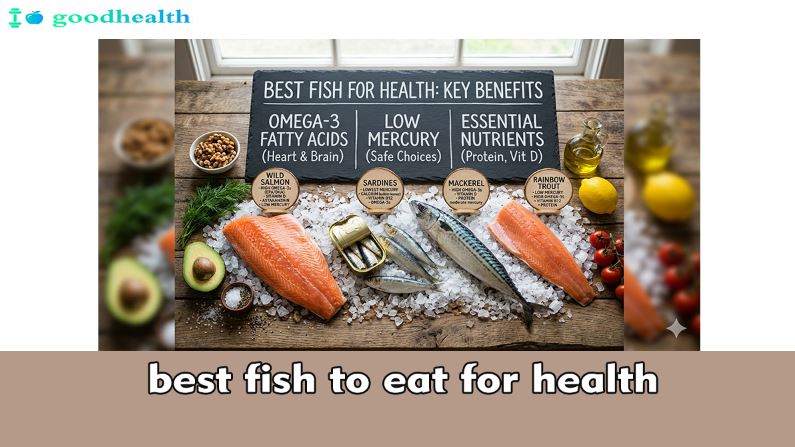
When discussing the optimal choices for human health, wild-caught Alaskan salmon consistently emerges as a premier option. This species is renowned for its extraordinary concentration of EPA and DHA, delivering a potent dose of cardiovascular support in every serving. Regular consumption of wild salmon has been extensively linked to reduced arterial plaque accumulation, lower circulating triglyceride levels, and improved endothelial function. The robust omega-3 profile also acts as a natural anti-inflammatory agent, providing therapeutic benefits for individuals managing conditions like rheumatoid arthritis or chronic joint pain.
The vibrant pink or deep red hue of wild salmon is indicative of another powerful health-promoting compound called astaxanthin. This naturally occurring carotenoid is acquired through the salmon’s natural diet of wild krill and zooplankton. Astaxanthin is highly regarded in the nutritional science community for its exceptional antioxidant capacity, which protects human cells from oxidative stress and free radical damage. Furthermore, astaxanthin has been shown to support skin elasticity, protect against ultraviolet-induced skin damage, and enhance mitochondrial function, adding a unique layer of systemic protection.
It is crucial to differentiate between wild-caught Alaskan varieties and conventionally farmed Atlantic salmon. While farmed salmon still provides a viable source of protein and omega-3s, wild-caught populations generally possess a more favorable ratio of omega-3 to omega-6 fatty acids due to their natural foraging behaviors. Additionally, wild Alaskan salmon fisheries are strictly managed for sustainability, ensuring that consumers are supporting environmentally responsible practices while minimizing their exposure to the artificial colorants and prophylactic treatments sometimes utilized in intensive aquaculture operations.
Sardines and Anchovies: Tiny Foragers with Massive Benefits
Small, oily fish like sardines and anchovies represent some of the most concentrated sources of marine nutrition available, consistently ranking among the best fish to eat for health. Because they reside near the very bottom of the oceanic food chain, feeding primarily on pure plankton, they accumulate an abundance of essential fatty acids without the corresponding buildup of environmental toxins. A single serving of sardines delivers a massive quantity of EPA and DHA, rivaling or even exceeding the lipid concentrations found in much larger, more expensive predatory fish.
One of the most unique nutritional advantages of consuming sardines and anchovies is their contribution to skeletal integrity. These small species are typically consumed whole, which means individuals ingest the softened, edible bones. This provides a highly bioavailable source of elemental calcium and phosphorus, which work synergistically with the naturally occurring vitamin D in the fish’s flesh to optimize bone mineral density. For individuals seeking to protect against osteoporosis or age-related bone degradation, incorporating these tiny fish into the diet is a highly effective, whole-food strategy.
Furthermore, the environmental and economic arguments for choosing sardines and anchovies are incredibly compelling. Because they reproduce rapidly and exist in massive global populations, they represent one of the most sustainable and resilient seafood choices on the planet. They require no resource-intensive farming infrastructure and carry a minimal carbon footprint compared to larger aquatic or terrestrial proteins. By opting for these nutrient-dense foragers, consumers gain access to premium cardiovascular and neurological support at a fraction of the cost of premium fillets.
Atlantic Mackerel: A Heart-Healthy Marvel
Mackerel is a profoundly beneficial oily fish, provided one selects the correct species. Atlantic mackerel, in particular, is a spectacular source of heart-healthy fats, high-quality protein, and an array of essential B vitamins. The lipid profile of Atlantic mackerel is exceptional, characterized by high levels of monounsaturated and polyunsaturated fats that actively work to improve the human lipid panel by increasing high-density lipoprotein (HDL) cholesterol while promoting the clearance of low-density lipoproteins (LDL).
A key nutritional feature of Atlantic mackerel is its extraordinarily high concentration of vitamin B12, a water-soluble vitamin that is absolutely critical for neurological health and the formation of red blood cells. A single portion of this fish can provide several times the recommended daily intake of B12, making it an invaluable dietary component for maintaining cognitive sharpness, preventing megaloblastic anemia, and supporting optimal nerve transmission. This high B12 content, combined with essential fatty acids, provides a synergistic protective effect against age-related cognitive decline.
However, species differentiation is paramount when selecting mackerel for health purposes. While the smaller Atlantic mackerel is entirely safe and highly recommended for regular consumption, larger predatory species such as King mackerel and Spanish mackerel should be strictly avoided or severely limited. These larger varieties reside much higher on the food web and accumulate dangerous levels of heavy metals over their lifespan. Understanding this distinction is vital for safely unlocking the profound metabolic benefits that the mackerel family has to offer.
The Role of B Vitamins in Energy Metabolism
The specific B vitamins found abundantly in oily fish like Atlantic mackerel are essential cofactors in cellular energy production. Without sufficient levels of B-complex vitamins, the human body cannot efficiently convert dietary carbohydrates, fats, and proteins into adenosine triphosphate (ATP), the primary energy currency of the cell. Ensuring a steady intake of these vitamins through marine sources helps maintain consistent energy levels, wards off chronic fatigue, and supports optimal metabolic rate throughout the day.
Rainbow Trout: A Safe and Environmentally Sound Choice
Rainbow trout offers an excellent nutritional profile that bridges the gap between heavily fatty fish and leaner white fish. It provides a robust amount of essential omega-3 fatty acids, though slightly less than wild salmon, alongside an impressive array of minerals including potassium, phosphorus, and niacin. The presence of high intracellular potassium is particularly valuable for cardiovascular health, as it helps to regulate fluid balance, mitigate the blood pressure-elevating effects of dietary sodium, and ensure proper electrical signaling within the heart muscle.
Unlike many other aquatic species where wild-caught is inherently superior, farmed rainbow trout is broadly considered one of the safest and most sustainable seafood choices available. The vast majority of commercially available rainbow trout is raised in strictly controlled, freshwater raceways or pristine ponds that mimic their natural fast-flowing river habitats. These highly regulated aquaculture systems prevent the escape of farmed populations into wild ecosystems and eliminate the need for harsh chemical treatments, resulting in a clean, toxin-free dietary protein.
From a culinary and dietary adherence perspective, rainbow trout features a mild, delicate flavor that appeals to individuals who may find the pronounced taste of salmon, sardines, or mackerel overwhelming. This palatability makes it much easier to consistently integrate the fish into a weekly meal rotation. Consistency is the most critical factor in dietary intervention; selecting a nutritious fish that is also genuinely enjoyable to consume ensures that the associated health benefits are realized over the long term.
Pacific Halibut and Cod: Premium Sources of Lean Protein
While oily fish dominate discussions about marine nutrition due to their omega-3 content, lean white fish like Pacific halibut and cod play an equally important role in a health-focused diet. These species are incredibly protein-dense while containing negligible amounts of fat and minimal calories. This makes them an exceptional dietary tool for individuals focused on weight management, body composition optimization, or those requiring a highly digestible, low-residue protein source for gastrointestinal recovery.
Beyond their macronutrient advantages, halibut and cod are tremendous sources of essential trace minerals that are frequently lacking in modern diets. Cod is particularly noted for its high iodine content. Iodine is an irreplaceable component of thyroid hormones, which dictate the body’s basal metabolic rate, cellular repair mechanisms, and thermal regulation. Consuming iodine-rich marine life ensures the thyroid gland has the raw materials necessary to function optimally, thereby preventing the metabolic sluggishness and cognitive fog associated with clinical or subclinical hypothyroidism.
Halibut is exceptionally rich in magnesium and selenium. Magnesium acts as a physiological relaxant, supporting deep sleep architecture, reducing muscle cramping, and aiding in hundreds of enzymatic reactions within the body. The selenium found in these large, cold-water flatfish provides vital protection for the thyroid gland and acts as a heavy metal antagonist in the bloodstream. Incorporating lean white fish alongside fattier varieties creates a comprehensive, nutritionally diverse dietary strategy that covers a broad spectrum of human physiological requirements.
Navigating Heavy Metals and Bioaccumulation
Any comprehensive discussion regarding the best fish to eat for health must address the reality of oceanic pollution and the bioaccumulation of heavy metals, predominantly methylmercury. Mercury is introduced into marine environments through both natural geological processes and industrial emissions. Once in the water, aquatic microorganisms convert it into methylmercury, a highly absorbable neurotoxin. Understanding how this toxin moves through the ecosystem is essential for making safe dietary choices while still reaping the benefits of marine proteins.
The concentration of mercury in any given fish is dictated by its position on the food chain and its lifespan, a process known as biomagnification. Small, short-lived fish like anchovies, sardines, and wild salmon accumulate very little mercury during their natural lifespans. Conversely, massive apex predators such as shark, swordfish, tilefish, and the aforementioned King mackerel live for decades and consume thousands of smaller fish, centralizing massive quantities of mercury in their muscle tissue. Consuming these apex predators frequently can lead to heavy metal toxicity, negating all the cardiovascular and neurological benefits of the fish’s fat profile.
Fortunately, nature provides a built-in defense mechanism within the healthiest seafood options. Many of the fish that are lowest in mercury are simultaneously highest in selenium. Research indicates that selenium binds to mercury with extraordinary affinity, neutralizing the heavy metal and preventing it from interacting with human brain tissue or vital organs. By prioritizing fish with a high selenium-to-mercury ratio—such as salmon, trout, and small foragers—consumers can confidently maximize their marine nutrient intake without fear of toxicological accumulation.
Maximizing Nutritional Value Through Proper Preparation
Selecting a highly nutritious aquatic species is only the first step; the manner in which the fish is prepared determines whether those health benefits actually reach the cellular level. The omega-3 fatty acids that make seafood so valuable are chemically fragile and highly susceptible to heat-induced oxidation. Subjecting fish to deep frying in industrial seed oils completely destroys these delicate lipids, while simultaneously introducing inflammatory trans-fats, advanced glycation end-products, and massive amounts of excess calories into the meal.
To preserve the molecular integrity of EPA, DHA, and heat-sensitive vitamins, gentler cooking methods should be employed. Poaching, steaming, and baking at moderate temperatures are superior techniques that protect the delicate protein structures and lipid profiles of the fish. En papillote, a classical technique involving baking the fish inside a folded parchment paper pouch, is exceptionally effective. This method traps the natural moisture and aromatic compounds, gently steaming the fish in its own juices while requiring little to no added cooking fats.
Flavor enhancement should also align with the goal of systemic health. Instead of relying on heavy cream sauces or refined sugar glazes, the natural flavor of the fish can be elevated using fresh herbs, citrus juices, and allium vegetables like garlic and shallots. Adding a finishing drizzle of high-quality, cold-pressed extra virgin olive oil after the fish is cooked introduces beneficial polyphenols and monounsaturated fats that act synergistically with the marine omega-3s, further amplifying the profound cardiovascular and anti-inflammatory benefits of the meal.
Integrating the Healthiest Fish into Your Diet
Cultivating a resilient, disease-resistant body requires strategic nutritional choices, and prioritizing high-quality marine proteins is one of the most effective steps an individual can take. By shifting dietary focus toward wild-caught salmon, small foragers like sardines and anchovies, properly sourced Atlantic mackerel, and clean lean options like trout and cod, you provide your biological systems with the precise raw materials necessary for optimal function. These carefully selected species offer an unparalleled concentration of essential fatty acids, bioavailable trace minerals, and pristine protein while naturally mitigating the risks associated with oceanic pollutants. Committing to a consistent rotation of these nutrient-dense aquatic foods creates a powerful, whole-food foundation for long-term cardiovascular health, sustained neurological clarity, and dynamic physical longevity.
Which fish is the absolute healthiest to eat?
Wild-caught Alaskan salmon is widely considered the healthiest fish because it’s packed with omega-3 fatty acids and naturally low in mercury.
What fish should I avoid eating due to high mercury?
You should steer clear of large predatory fish like shark, swordfish, king mackerel, and tilefish to keep your mercury exposure to a minimum.
Is it safe to eat fish every single day?
Eating fish daily is generally safe if you choose low-mercury options, but experts typically recommend two to three servings per week for optimal health.
Is canned tuna actually good for you?
Canned light tuna is a fantastic, affordable source of lean protein and omega-3s, but you should limit white albacore since it contains slightly higher mercury levels.
What are the most affordable healthy fish options?
Sardines and canned mackerel are incredible budget-friendly choices that are absolutely loaded with heart-healthy fats, calcium, and essential vitamins.
Please note
The content provided in this article is for educational and informational purposes only and should not be construed as medical, nutritional, or therapeutic advice. The recommendations provided may not be appropriate for everyone. The final decision regarding your health and lifestyle is yours, and we recommend that you consult with your doctor or other health professional before making any changes or taking any action.