lemon vitamin c

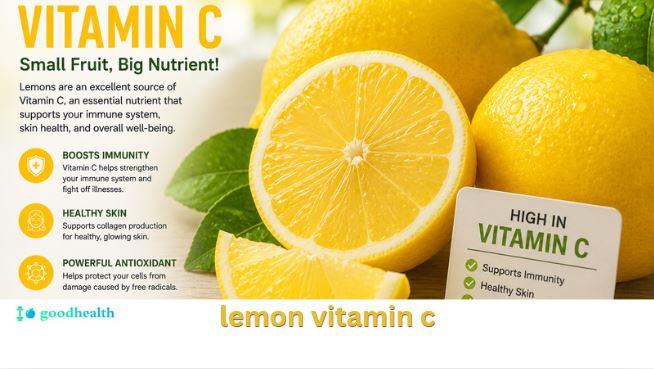
Lemons have long been celebrated as a quintessential symbol of vibrant health and vitality, recognized globally for their bright flavor and impressive nutritional profile. At the center of this historical and modern reputation is the powerful relationship between the lemon and vitamin C. This essential water-soluble nutrient, scientifically known as ascorbic acid, plays a foundational role in maintaining human health, from fortifying the immune system to supporting complex cellular repair processes. While synthetic dietary supplements offer a concentrated dose of this nutrient, obtaining it from whole food sources like citrus fruits provides a complex matrix of synergistic phytonutrients that significantly enhance overall bodily absorption and efficacy. Understanding how to effectively leverage this natural source of ascorbic acid can transform daily nutritional habits into a robust strategy for holistic, long-term well-being.
Integrating natural sources of antioxidants into daily meals is a fundamental step toward building a resilient body, and citrus fruits remain one of the most accessible vehicles for this transformation. The specific structure of the lemon, encasing its acidic juice within a protective rind, creates an ideal environment for preserving sensitive nutrients until the moment of consumption. By exploring the depths of citrus nutrition, individuals can move beyond basic dietary knowledge and implement evidence-based practices that maximize the physiological benefits of their daily food intake.
The Nutritional Profile of Lemon Vitamin C
When analyzing the specific concentration of nutrients within citrus fruits, the lemon stands out as a highly efficient delivery system for ascorbic acid. A standard, medium-sized raw lemon provides approximately thirty to forty milligrams of vitamin C, depending on the exact variety, ripeness, and growing conditions of the fruit. This volume accounts for a substantial percentage of the recommended daily allowance for adults, making it an incredibly potent ingredient for those seeking to naturally elevate their antioxidant intake without relying on fortified foods or synthetic pills.
Interestingly, the distribution of this vital nutrient is not entirely limited to the juice most people consume. The outermost layer of the fruit, commonly referred to as the zest or peel, contains a surprisingly high concentration of ascorbic acid, alongside an array of beneficial essential oils and flavonoids. While consuming raw lemon peel in large quantities is uncommon due to its bitter flavor profile, incorporating finely grated zest into culinary preparations is an excellent strategy to extract the maximum nutritional yield from the entire fruit. This full-spectrum approach to consumption ensures that none of the valuable plant compounds are wasted during meal preparation.
Comparing the lemon to other common dietary sources of antioxidants highlights its unique utility in a balanced diet. While fruits like oranges or kiwis may boast slightly higher absolute numbers of ascorbic acid per serving, the lemon’s culinary versatility allows it to be seamlessly integrated into a much wider variety of dishes. Because it is primarily used as a flavor enhancer, an acidulant, and a structural component in cooking rather than just a standalone snack, individuals often find it much easier to consistently maintain a steady intake of lemon vitamin C throughout the week simply by adding it to their regular recipes.
Core Physiological Benefits of Ascorbic Acid
The human body relies heavily on a consistent external supply of ascorbic acid because, unlike many other mammals, humans lack the biological ability to synthesize this nutrient internally. The vitamin acts primarily as an electron donor, making it a potent antioxidant capable of neutralizing free radicals that would otherwise cause extensive cellular damage. This protective mechanism is essential for mitigating oxidative stress, a biological condition linked to chronic inflammation, accelerated aging, and a variety of metabolic disorders.
Beyond its role as a cellular protector, this nutrient acts as a crucial cofactor in numerous enzymatic reactions that sustain human life. These reactions influence everything from neurotransmitter synthesis, which impacts mood and cognitive function, to the metabolism of proteins. When individuals consistently provide their bodies with high-quality sources of whole-food antioxidants, they are essentially supplying the raw materials necessary for the body to self-regulate, repair tissue damage, and maintain a state of internal equilibrium.
Fortifying the Immune System Defenses
One of the most widely recognized functions of vitamin C is its profound ability to support and enhance both the innate and adaptive immune systems. Ascorbic acid accumulates in phagocytic cells, such as neutrophils, and enhances their ability to envelop and destroy invading pathogens through a process known as phagocytosis. Furthermore, it plays a vital role in promoting the proliferation and differentiation of specialized white blood cells called B- and T-lymphocytes, which are responsible for identifying and remembering specific biological threats.
During periods of physical stress or environmental challenges, the body’s natural reserves of antioxidants can become rapidly depleted. Regular consumption of citrus juice helps maintain adequate plasma levels of ascorbic acid, thereby ensuring that the immune system remains responsive and efficient. While it may not serve as a guaranteed shield against all seasonal ailments, maintaining optimal saturation levels through natural dietary sources significantly reduces the duration and severity of common immune system challenges.
Collagen Synthesis and Skin Vitality
The relationship between lemon vitamin C and structural health is primarily defined by the nutrient’s non-negotiable role in the production of collagen. Collagen is the most abundant structural protein in the human body, providing the critical framework for healthy skin, resilient blood vessels, tendons, ligaments, and bone matrix. Without adequate ascorbic acid, the enzymes responsible for stabilizing and cross-linking collagen molecules fail to function, leading to fragile tissues and compromised healing capabilities.
For individuals focused on dermatological health and healthy aging, the natural antioxidants found in citrus offer significant protective benefits. By facilitating continuous cellular turnover and defending the skin matrix against environmental stressors like ultraviolet radiation and pollution, regular intake of these natural compounds promotes a resilient, vibrant complexion. This internal approach to skin health addresses the foundational building blocks of tissue repair, offering structural support that topical treatments alone cannot replicate.
Strategic Dietary Pairings for Nutrient Optimization
Understanding the biochemical interactions between different foods can dramatically amplify the nutritional value drawn from a single meal. One of the most significant synergistic relationships in nutritional science is the interaction between vitamin C and non-heme iron. Non-heme iron, the type of iron found in plant-based foods such as spinach, lentils, chickpeas, and pumpkin seeds, is notoriously difficult for the human digestive tract to absorb effectively. However, the introduction of ascorbic acid simultaneously into the digestive process chemically reduces the iron into a highly bioavailable state.
Implementing this strategy in daily meal preparation is remarkably straightforward and requires minimal effort. Squeezing fresh lemon juice over a bed of dark leafy greens, tossing roasted Brussels sprouts in a citrus-based vinaigrette, or adding a splash of juice to a hearty lentil stew can increase the absorption rate of plant-based iron by several multitudes. This intentional pairing is particularly crucial for individuals following vegetarian or vegan lifestyles, who rely entirely on non-heme sources to meet their daily iron requirements and prevent fatigue-inducing deficiencies.
Furthermore, the natural presence of unique plant compounds called flavonoids within the lemon works harmoniously with its primary vitamins. These flavonoids, such as hesperidin and diosmin, actively protect the ascorbic acid from premature oxidation, extending its active lifespan within the bloodstream. This biological synergy underscores the profound difference between consuming whole foods versus isolated synthetic supplements; the complex architecture of the fruit is designed by nature to maximize biological utility, ensuring that the body receives the full spectrum of intended benefits.
Preserving Vitamin C Potency During Preparation and Storage
Despite its profound physiological power, ascorbic acid is an incredibly fragile molecule that is highly susceptible to degradation when exposed to specific environmental elements. Heat, light, and oxygen are the primary catalysts that break down the molecular structure of the vitamin, rendering it nutritionally inactive. Consequently, the methods used to store, prepare, and consume citrus fruits directly dictate the actual nutritional yield delivered to the body.
To maintain maximum potency, whole lemons should be stored in a cool, dark environment, ideally within the crisper drawer of a refrigerator. Storing them at room temperature on a sunny kitchen counter dramatically accelerates the loss of moisture and volatile compounds, while also expediting the natural breakdown of internal vitamins. Once a lemon has been cut, the exposed flesh immediately begins reacting with ambient oxygen. It is highly recommended to consume the juice immediately upon slicing or to store the unused portion in an airtight container in the refrigerator for no more than a few days to preserve its integrity.
Cooking methods also play a critical role in nutrient retention. Because vitamin C is entirely water-soluble and highly sensitive to elevated temperatures, boiling or aggressively heating citrus juice destroys a vast majority of its beneficial properties. For those incorporating citrus into warm dishes or teas, the most effective practice is to add the fresh juice at the very end of the cooking process, off the direct heat. This technique preserves the delicate chemical structure of the antioxidants while still imparting the desired bright, acidic flavor profile to the finished culinary creation.
Navigating Precautions and Optimal Consumption Methods
While incorporating natural sources of ascorbic acid into a daily routine offers overwhelming advantages, it is important to approach consumption with a degree of structural mindfulness. The high concentration of citric acid present alongside the vitamins can present challenges to dental health if consumed recklessly. Frequent, direct exposure to highly acidic beverages can gradually erode dental enamel, making teeth more susceptible to sensitivity and structural decay over time.
To mitigate this risk while still enjoying the nutritional benefits, individuals are encouraged to consume concentrated citrus beverages through a reusable straw, bypassing direct contact with the front teeth. Additionally, diluting fresh juice in a large glass of filtered water significantly reduces the overall acidic concentration. It is also a wise practice to rinse the mouth with plain water immediately after consumption and delay brushing the teeth for at least thirty minutes, allowing the natural saliva time to remineralize the enamel before mechanical abrasion occurs.
For individuals with sensitive digestive systems, particularly those prone to acid reflux or gastroesophageal reflux disease, moderating the intake of highly acidic fruits is a necessary component of dietary planning. Introducing these foods slowly and observing the body’s physiological response allows for a balanced approach to nutrition that prioritizes internal comfort alongside cellular nourishment. Cultivating a healthy lifestyle requires tuning into these subtle biological feedback mechanisms and adjusting dietary habits to suit individual metabolic constraints.
The Lasting Impact of Citrus Nutrition
Harnessing the immense potential of lemon vitamin C is an accessible and highly effective method for elevating overall systemic health. By recognizing the intricate balance between ascorbic acid, immune function, and collagen synthesis, individuals can make informed, proactive decisions regarding their daily nutritional intake. The shift away from heavily processed foods and synthetic isolation toward whole, biologically complex ingredients represents a foundational step in establishing lifelong wellness habits.
Through strategic food pairings, mindful preparation techniques, and proper storage, the delicate nutritional matrix of citrus can be preserved and fully utilized by the human body. As a natural mechanism for combating oxidative stress, supporting vital tissue structures, and enhancing nutrient absorption, this remarkable fruit remains an indispensable tool for robust internal health. Embracing the science of natural antioxidants allows for a profound transformation in how dietary practices influence longevity, vitality, and physical resilience.
How much vitamin C is actually in one whole lemon?
A single medium-sized raw lemon provides about 31 milligrams of vitamin C, which covers roughly half of your recommended daily intake.
Does drinking hot lemon water destroy the vitamin C?
Vitamin C is very sensitive to heat, so pouring boiling water over your lemon will destroy a lot of it; stick to warm or room-temperature water instead.
Do lemons have more vitamin C than oranges?
Oranges actually contain slightly more vitamin C per serving than lemons do, though both remain excellent, natural ways to support your immune system.
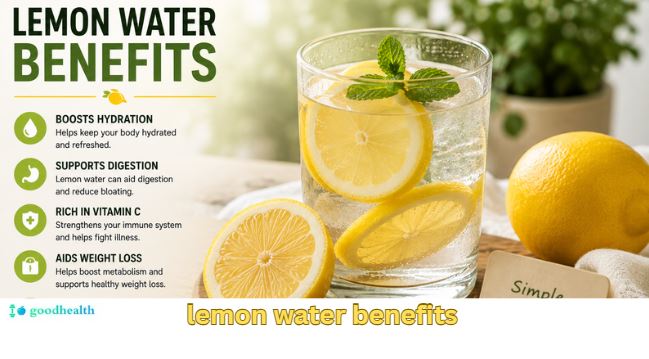
Can I get enough vitamin C just from putting a lemon slice in my daily water?
A single thin slice only releases a tiny fraction of a milligram of vitamin C, so you really need to squeeze the juice of at least half a lemon to get noticeable benefits.
Does freshly squeezed lemon juice lose its vitamin C if stored in the fridge?
Yes, the vitamin C begins to degrade immediately upon exposure to air and light due to oxidation, so it is best to consume the juice right after squeezing.
please note
The content provided in this article is for educational and informational purposes only and should not be construed as medical, nutritional, psychological, or therapeutic advice. The advice provided may not be appropriate for everyone. The final decision regarding your health and lifestyle is yours, and we recommend that you consult with your doctor, counselor, or other health professional before making any changes or taking any action.