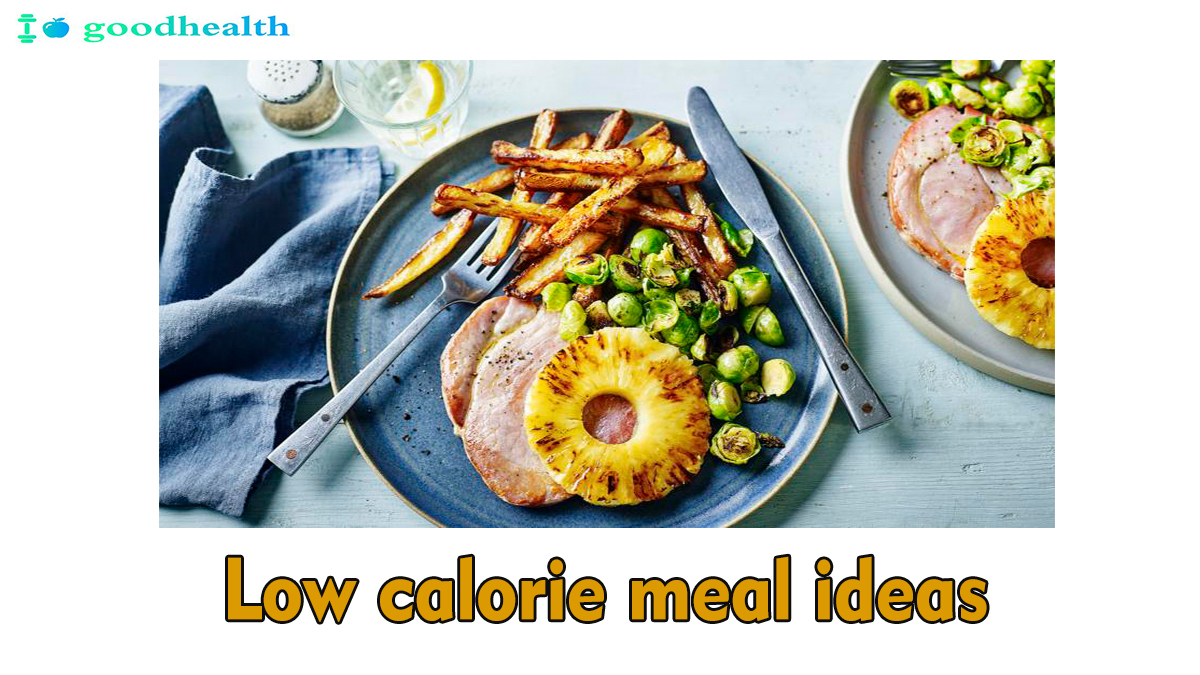
Low calorie meal ideas

Finding a balance between managing daily energy intake and enjoying genuinely satisfying food can often feel like a culinary tightrope walk. Many people approach dietary adjustments with a sense of dread, anticipating small portions of bland, uninspiring dishes that leave them rummaging through the pantry just hours after eating. However, shifting to a nutrient-dense mindset reveals that reducing the energy density of cooking does not mean sacrificing flavor, texture, or satisfaction. By understanding how to select high-volume ingredients and pairing them with robust herbs, spices, and lean proteins, it is entirely possible to create comforting, robust dishes that support wellness goals while keeping hunger at bay.
The secret to sustainable dietary habits lies in volume eating, which involves selecting foods that offer substantial physical bulk without a heavy caloric payload. Vegetables rich in water and fiber, such as leafy greens, cruciferous vegetables, and gourds, can expand the physical portion size of a dish dramatically. When combined with smart culinary techniques like air frying, steaming, or using minimal heart-healthy fats, these ingredients transform into hearty bases for breakfast, lunch, and dinner. Embracing these culinary strategies ensures that every meal feels like an abundance rather than a restriction, building a solid foundation for long-term health and consistency.
The Science of High-Volume, Low-Calorie Eating
To understand why certain low calorie meal ideas work better than others, it helps to look at how the human body experiences fullness. Satiety is regulated by a combination of hormonal signals and physical stretch receptors located in the stomach wall. When we consume foods that have a high water and fiber content, these receptors are activated by the sheer physical volume of the food, signaling to the brain that we are full. This means a large bowl of vegetable-heavy soup or a massive mixed salad can induce a similar level of initial physical fullness as a much smaller, more energy-dense item like a handful of nuts or a pastry, but with a fraction of the total caloric impact.
Furthermore, integrating lean proteins into these high-volume meals extends that feeling of satisfaction over several hours. Protein has a higher thermic effect of food compared to carbohydrates or fats, meaning the body expends more energy just breaking it down and processing it. It also suppresses ghrelin, the hormone responsible for triggering hunger, while stimulating the production of satiety hormones like peptide YY. When designing balanced menus, pairing bulk-providing vegetables with structural proteins ensures that blood sugar levels remain stable, preventing the sudden crashes that lead to intense cravings later in the day.
Choosing whole, minimally processed ingredients naturally optimizes this equation. Processed foods are frequently engineered to be hyper-palatable and highly concentrated, packing immense amounts of energy into small forms that bypass our internal satiety cues. By returning to whole foods—such as lean poultry, seafood, legumes, and an array of colorful produce—you naturally align your eating habits with your body’s innate hunger regulation mechanisms. This structural shift makes managing an overall energy deficit feel less like an act of willpower and more like a natural outcome of nourishing yourself well.
Revamping the Morning Routine with Nutrient-Dense Breakfasts
Starting the day with a satisfying, lower-energy breakfast sets a positive psychological and physiological tone for the hours ahead. Traditional breakfast options are often dense in refined carbohydrates and sugars, leading to a rapid spike and subsequent drop in energy. Replacing these with protein-forward, vegetable-rich alternatives ensures a steady release of glucose into the bloodstream, keeping concentration sharp and physical energy levels consistent until midday.
Egg whites are an exceptional tool for this purpose, offering pure protein with minimal fat, which allows you to increase the portion size of an omelet or scramble significantly. Whipping three or four egg whites with one whole egg provides the rich flavor and texture of yolks while keeping the overall profile incredibly light. Tossing a generous handful of baby spinach, diced bell peppers, sliced mushrooms, and cherry tomatoes into the pan fills the plate with vibrant color, antioxidants, and dietary fiber, turning a simple egg dish into a voluminous feast.
For those who prefer a sweeter start to their morning, Greek yogurt bowls offer a versatile, creamy canvas. Opting for non-fat or low-fat plain Greek yogurt provides a massive dose of protein along with beneficial probiotics for gut health. To maximize the portion without driving up the energy count, top the yogurt with fresh or thawed frozen berries, such as raspberries and blackberries, which are among the highest-fiber fruits available. A dash of cinnamon or a drop of pure vanilla extract adds a comforting warmth and sweetness without the need for heavy syrups or processed sugars, making it a delicious, guilt-free breakfast option.
Savory Cottage Cheese Bowls
Cottage cheese has experienced a massive resurgence in contemporary healthy cooking, and for good reason. It is exceptionally high in casein protein, a slow-digesting protein that provides a sustained release of amino acids into the body. A savory approach involves topping a bowl of low-fat cottage cheese with diced English cucumbers, halved grape tomatoes, chopped green onions, and a sprinkle of everything bagel seasoning. This combination delivers a satisfying crunch and a burst of savory flavor that rivals traditional cream cheese spreads, but at a fraction of the energy cost.
Warm Sprouted Oats with Zucchini
Oatmeal is a classic breakfast staple, but it can quickly become dense when trying to satisfy a large appetite. An innovative way to double the portion size of your morning porridge without adding extra calories is by folding finely grated zucchini—often referred to as “zoats”—directly into the cooking oats. As the mixture simmers, the zucchini melts into the oats, absorbing the flavors of cinnamon, nutmeg, or almond extract. The result is a massive, comforting bowl of warm porridge that feels incredibly indulgent while providing an extra serving of vegetables first thing in the morning.
Midday Fuel: Satisfying Lunches for Sustained Focus
Lunch is often a critical juncture in the day where convenience can easily derail nutritional goals. Grabbing a quick sandwich or a heavy takeout meal often leads to a sluggish afternoon slump, making productivity difficult to maintain. Preparing low-calorie, nutrient-dense lunches in advance or mastering quick-assembly options ensures you can refuel efficiently while keeping your energy balanced and your mind sharp for the rest of the day.
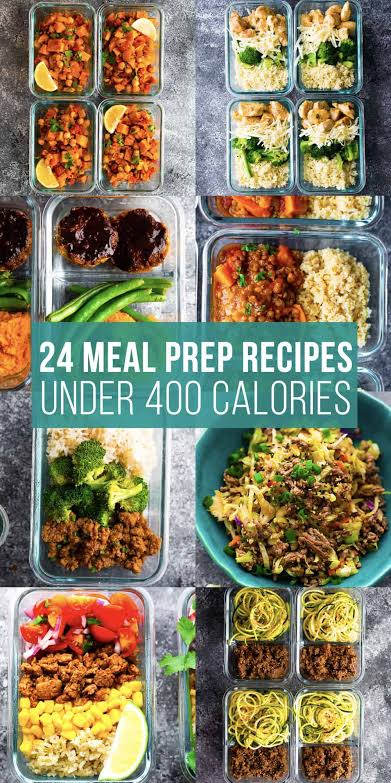
Meal prepping is particularly effective for lunchtime success, as it removes decision-making from the equation when hunger peaks. Utilizing structured containers to organize lean proteins, complex carbohydrates, and abundant vegetables creates a visually appealing and organized approach to eating. Preparing a batch of seasoned grilled chicken breast or baked tofu alongside a mountain of roasted Mediterranean vegetables—such as zucchini, eggplant, and red onions—provides a ready-to-go base that can be enjoyed hot or cold throughout the workweek.
Salads are an obvious choice for a lighter midday meal, but they must be constructed thoughtfully to avoid becoming boring or, conversely, hidden calorie bombs due to heavy dressings. The foundation should consist of dark, structured greens like romaine, kale, or arugula, which offer more texture and nutrients than simple iceberg lettuce. Introducing a variety of textures, such as crunchy radishes, shredded carrots, and pickled red onions, keeps the palate engaged. For the dressing, swapping out oil-heavy options for a mixture of fresh lemon juice, Dijon mustard, and a splash of apple cider vinegar creates a tangy, bright profile that coats the greens beautifully with almost zero added energy.
Spaghetti Squash and Turkey Bolognese
Spaghetti squash is one of nature’s greatest gifts to high-volume eating, acting as a direct, low-carbohydrate alternative to traditional grain pasta. Once baked, the flesh easily scrapes away into strands that mimic the texture of traditional noodles. Pairing this with a homemade Bolognese sauce crafted from extra-lean ground turkey, crushed tomatoes, garlic, and fresh basil results in a deeply comforting, traditional Italian-style lunch. A single, generous portion delivers a massive volume of food that feels like a classic cheat meal but fits perfectly within a light, health-conscious dietary framework.
Mason Jar Chopped Chicken Salads
Layering ingredients in a mason jar is an ingenious way to keep a prepped salad incredibly fresh and crisp until the moment you eat it. Start by placing a light vinaigrette or a yogurt-based dressing at the very bottom of the jar, followed by sturdy, non-absorbent vegetables like diced cucumbers, celery, and cherry tomatoes. Next, add a layer of diced grilled chicken breast or canned tuna packed in water for your protein source. Finish by filling the rest of the jar to the brim with tightly packed chopped romaine and spinach; when lunch arrives, simply shake the jar into a large bowl for a perfectly dressed, un-soggy salad.
Creative and Hearty Low-Calorie Dinner Concepts
Dinner is frequently the largest meal of the day and carries significant social and emotional weight. It is the time when families gather, people unwind from work, and the desire for comfort food peaks. For a low-calorie dinner strategy to be successful long-term, it cannot feel clinical or minimal; it must deliver the warmth, complexity, and visual appeal of standard home cooking while respecting your daily energy targets.
Focusing on international flavor profiles is an excellent way to elevate lighter dinners. Cuisines that naturally rely on fresh herbs, citrus juices, aromatic roots, and spices—such as Thai, Mexican, and Mediterranean cooking—allow you to build incredible depth of flavor without relying on heavy creams, butter, or excessive oils. Utilizing non-stick cookware, high-quality cooking sprays, and techniques like searing, roasting, and braising can lock in natural juices and create beautiful caramelization, transforming simple ingredients into culinary highlights.
Sheet pan meals represent the ultimate intersection of convenience, flavor, and nutritional control. By tossing a lean protein source and an abundance of chopped vegetables in a single bowl with a touch of olive oil, salt, pepper, and your favorite spice blend, you can roast an entire dinner simultaneously on a single tray. The high heat of the oven crisps the edges of the vegetables, concentrating their natural sugars and developing a rich, savory profile that makes healthy eating feel genuinely luxurious and deeply satisfying.
Sheet Pan Shrimp and Asparagus
Shrimp is an absolute powerhouse for low-calorie cooking because it is incredibly dense in protein while containing virtually no fat or carbohydrates. Arranging a pound of peeled, deveined shrimp on a baking sheet alongside two large bunches of trimmed asparagus spears creates a beautiful, elegant meal. Tossing the entire tray with a minimal drizzle of olive oil, minced garlic, sea salt, and plenty of fresh lemon zest before roasting at a high temperature results in a bright, garlic-herb dinner that cooks in under ten minutes and looks like a restaurant quality dish.
Cauliflower Fried Rice with Seared Tofu
Cauliflower rice has transformed the landscape of healthy eating by providing an exceptional, low-energy substitute for traditional white or brown rice. To create a satisfying alternative to takeout, sauté riced cauliflower in a large wok with a small amount of sesame oil, ginger, garlic, diced peas, and carrots. Pushing the vegetables to the side allows you to scramble an egg directly into the pan before tossing everything together with low-sodium tamari or soy sauce. Top the vibrant mixture with cubed tofu that has been pan-seared until crispy for a plant-forward, fiber-rich dinner that satisfies cravings for savory comfort food.
Smart Substitution Strategies for Everyday Cooking
Transforming your existing recipe repertoire into lower-energy versions does not require a complete overhaul of your cooking style. Instead, it involves mastering the art of the culinary swap—identifying the most energy-dense components of a dish and replacing them with lighter, functional alternatives that mimic the texture or flavor profile of the original. This allows you to continue enjoying your favorite family meals, from tacos to pasta dishes, while effortlessly aligning them with your health goals.
| Original Ingredient | Lower-Calorie Substitute | Primary Benefit |
| Heavy Cream / Mayonnaise | Plain Non-Fat Greek Yogurt | Drastically reduces fat while boosting protein content |
| White or Brown Rice | Riced Cauliflower or Broccoli | Lowers carbohydrates and significantly increases food volume |
| Traditional Pasta | Spiralized Zucchini (Zoodles) or Spaghetti Squash | Provides a rich fiber source and reduces calorie density |
| Ground Beef (80/20) | Extra-Lean Ground Turkey or Chicken (99% Lean) | Cuts substantial saturated fat while maintaining protein structure |
| Vegetable or Canola Oil | High-Quality Olive Oil Spray | Minimizes hidden cooking fats through precise portion control |
Implementing these swaps requires a bit of culinary curiosity and experimentation. For instance, when making a creamy sauce or a salad dressing, whisking a spoonful of Dijon mustard and lemon juice into plain Greek yogurt creates a rich, tangy emulsion that behaves similarly to sour cream or mayonnaise, but with a fraction of the fat. Similarly, swapping out heavy frying oils for a pressurized oil spray allows you to coat a pan evenly with just a tiny fraction of a teaspoon, preventing food from sticking while saving hundreds of calories over the course of a single week’s worth of home cooking.
Designing a Sustainable, Balanced Routine
Successfully integrating these meal concepts into your lifestyle requires moving away from a mindset of perfectionism and embracing long-term consistency. Healthy eating is not an all-or-nothing endeavor; it is a continuous series of choices that shape your relationship with food over time. By focusing on adding nutrient-dense, high-volume foods to your plate rather than strictly focusing on what you need to remove, you foster a positive, abundance-based approach to wellness that is far easier to maintain.
Planning ahead remains one of the most effective strategies for overcoming daily friction and resisting the temptation of convenience foods. Spending a small amount of time over the weekend mapping out a basic menu, grocery shopping for whole ingredients, and prepping versatile bases like washed greens, roasted vegetables, and cooked proteins removes the cognitive load of deciding what to eat when you are tired or stressed. When healthy choices are the easiest choices available in your kitchen, maintaining a balanced, lower-energy routine becomes a natural, seamless extension of your daily life.
How can I eat low-calorie meals without feeling hungry an hour later?
Focus on high-volume, fiber-rich foods like broccoli and bulky greens paired with lean proteins to stay full longer.
What are some quick low-calorie dinners I can make in under 20 minutes?
A shrimp stir-fry with zucchini noodles or a sheet-pan chicken and veggie roast are fast, nutritious, and low-calorie.
Can I prepare low-calorie meals ahead of time for weekly meal prep?
Absolutely, turkey chili, protein-packed grain bowls, and egg muffin cups store beautifully and keep your portions controlled all week.
How do I make low-calorie food taste good without adding fat or sugar?
Lean heavily on fresh herbs, garlic, citrus juices, and vinegar to pack massive flavor into dishes without adding extra calories.
What are the best budget-friendly low-calorie meal ideas?
Build your plates around affordable staples like eggs, canned beans, lentils, and frozen vegetables to stay lean on a budget.
Please note
The content provided in this article is for educational and informational purposes only and should not be construed as medical, nutritional, or therapeutic advice. The recommendations provided may not be appropriate for everyone. The final decision regarding your health and lifestyle is yours, and we recommend that you consult with your doctor or other health professional before making any changes or taking any action.