
Nature and mental health

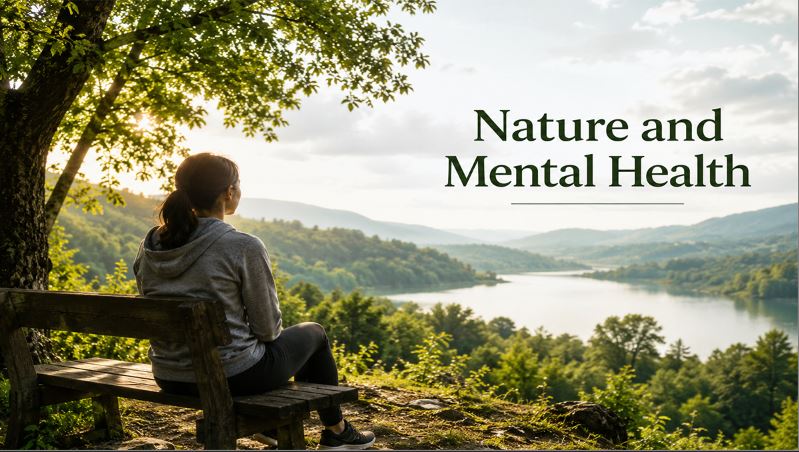
The modern lifestyle has increasingly confined humans to indoor spaces, leading to a profound disconnection from the natural environments that originally shaped human evolution. As screen time rises and urbanization expands, a growing body of scientific research is illuminating the vital intersection between nature and mental health. The psychological toll of constant connectivity, artificial lighting, and concrete surroundings has sparked a renewed interest in how natural landscapes can serve as powerful antidotes to chronic stress, anxiety, and cognitive fatigue. Understanding the therapeutic benefits of the outdoors is no longer just a matter of holistic wellness; it has become a crucial component of evidence-based psychological care and preventative medicine. Immersing oneself in natural surroundings offers profound, measurable changes in brain chemistry, emotional regulation, and overall psychological resilience.
The Psychological Impact of Spending Time Outdoors
Human brains are not entirely equipped to handle the relentless sensory input of modern urban environments. The constant barrage of traffic noise, digital notifications, and dense crowds forces the brain into a state of sustained alertness, which rapidly depletes cognitive resources. When individuals transition into natural environments, this cognitive burden is lifted. Psychologists often refer to this phenomenon through the lens of Attention Restoration Theory, which suggests that natural landscapes engage the brain in a soft, effortless fascination. This gentle engagement allows the prefrontal cortex—the area responsible for complex decision-making and directed attention—to rest and recover. Consequently, individuals who spend consistent time outdoors report improved focus, enhanced creativity, and a significant reduction in mental fatigue.
Beyond cognitive restoration, natural environments have a direct and immediate impact on emotional regulation and stress responses. Studies have consistently shown that exposure to natural settings lowers the body’s production of cortisol, the primary stress hormone. When cortisol levels drop, heart rate and blood pressure follow suit, shifting the nervous system from a state of fight-or-flight into a state of rest and digest. This physiological shift is essential for combating the chronic low-grade stress that plagues many modern adults. By simply walking through a park or sitting near a wooded area, individuals can actively down-regulate their central nervous system, paving the way for feelings of calm and groundedness.
Furthermore, spending time in nature has been heavily linked to a decrease in rumination, a pattern of repetitive negative thinking that is a hallmark of both depression and anxiety disorders. Brain imaging studies reveal that walking in natural, green environments reduces neural activity in the subgenual prefrontal cortex, a brain region deeply associated with morbid rumination. In contrast, walking through busy urban streets does not produce this same neural quieting. This suggests that the structural complexity and organic shapes found in nature provide a unique neurological buffer against depressive thought patterns, offering a natural intervention for those struggling with mood disorders.
How Ecotherapy is Reshaping Psychological Treatment
The undeniable link between nature and mental health has given rise to ecotherapy, a formal therapeutic practice that integrates outdoor environments into clinical psychological treatment. Also known as green therapy or nature therapy, this approach moves the healing process out of the traditional clinical office and into forests, gardens, and conservation areas. Mental health professionals are increasingly prescribing outdoor time as a complementary treatment for conditions ranging from mild seasonal affective disorder to severe clinical depression. By combining traditional conversational therapy with physical movement and sensory engagement in nature, practitioners are seeing accelerated breakthroughs in their patients.
Ecotherapy manifests in several distinct modalities, each tailored to different psychological needs. Horticultural therapy involves gardening and plant cultivation, which fosters a sense of responsibility, patience, and groundedness. Wilderness therapy, often utilized for at-risk youth or individuals recovering from trauma, immerses participants in remote natural settings to build resilience, self-reliance, and cooperative skills. These structured programs demonstrate that nature is not merely a passive backdrop for healing, but an active participant. The natural world provides immediate feedback, encourages mindfulness, and strips away the societal pressures that often exacerbate mental health struggles.
The shift toward nature-based interventions also addresses the accessibility of mental healthcare. While traditional therapy can be cost-prohibitive or heavily stigmatized in certain communities, spending time in local parks or community gardens is generally free and universally accessible. Public health initiatives in various countries have even begun issuing “green prescriptions,” where doctors formally prescribe time spent in local nature reserves to combat sedentary lifestyles and poor mental wellbeing. This institutional recognition underscores a paradigm shift in modern medicine, acknowledging that environmental health and human psychological health are fundamentally deeply intertwined.
The Science of Forest Bathing
One of the most scientifically validated forms of ecotherapy is the Japanese practice of shinrin-yoku, commonly translated as forest bathing. This practice does not involve physical exertion like hiking; rather, it focuses on immersing oneself in the forest atmosphere and engaging all five senses mindfully. Research into forest bathing has uncovered that trees release organic compounds called phytoncides to protect themselves from insects and rot. When humans inhale these naturally occurring chemicals, it triggers a significant increase in the activity of natural killer cells within the human immune system, alongside a profound drop in psychological anxiety.
Forest bathing forces the practitioner to slow down, deliberately shifting their focus away from internal stressors and toward the external environment. Observing the texture of bark, listening to the rustling of leaves, and inhaling the scent of damp earth grounds the individual firmly in the present moment. This sensory immersion mirrors the core principles of mindfulness meditation, yet it is often easier for beginners to achieve because the forest provides natural, gentle anchors for attention.
Urban Environments Versus Green Spaces
The rapid urbanization of the global population presents a unique challenge for psychological wellbeing. Urban environments are inherently stressful, characterized by high levels of air pollution, noise pollution, and a lack of visual resting places. The architectural rigidity of cityscapes, dominated by sharp angles and gray concrete, provides little visual relief or aesthetic nourishment. Studies mapping the psychological wellbeing of populations consistently show higher rates of anxiety, mood disorders, and psychological distress in densely populated, heavily industrialized areas compared to rural or suburban regions with abundant greenery.
This stark contrast highlights the critical necessity of urban green infrastructure. City parks, rooftop gardens, and tree-lined avenues are not merely aesthetic luxuries; they are essential public health assets. Even brief exposures to urban green spaces—often referred to as micro-dosing nature—can provide significant psychological buffering. A ten-minute walk through a tree canopy in the middle of a bustling city can serve as a vital reset button for an overwhelmed nervous system, mitigating the cumulative stress of urban living.
City planners and architects are increasingly embracing biophilic design, an approach that seeks to integrate natural elements into the built environment to support human health. This includes maximizing natural light, incorporating interior plant life, and utilizing natural materials like wood and stone in building construction. By blurring the boundaries between the indoors and the outdoors, biophilic design attempts to satisfy the innate human craving for nature, thereby reducing workplace burnout and improving the psychological atmosphere of residential buildings.
Blue Mind: The Healing Power of Water
While green spaces often dominate the conversation surrounding nature and mental health, blue spaces—environments featuring bodies of water such as oceans, lakes, rivers, and waterfalls—offer equally potent psychological benefits. The concept of “blue mind” refers to the mildly meditative, highly relaxed state that humans enter when they are in, on, or near water. Evolutionary biologists suggest this affinity is deeply ingrained in human survival instincts, as proximity to fresh water historically equated to life, sustenance, and safety.
Acoustically, water provides a continuous, soothing soundscape that masks the jarring, unpredictable noises of modern life. The rhythmic sound of ocean waves crashing or a stream babbling alters brainwave patterns, encouraging the brain to enter an alpha state associated with deep relaxation and wakeful rest. Visually, water presents a dynamic yet predictable pattern that softly captures attention without requiring intense cognitive processing. This combination of auditory and visual stimuli makes aquatic environments particularly effective for rapidly reducing anxiety and promoting profound states of tranquility.
Research comparing green and blue spaces suggests that while both are highly beneficial, water environments may yield slightly higher levels of self-reported psychological restoration. People naturally gravitate toward coastlines and riverbanks when seeking solace or emotional processing. Furthermore, activities associated with blue spaces, such as swimming, kayaking, or simply walking along a beach, incorporate physical exercise, which compounds the mental health benefits by releasing endorphins and improving cardiovascular health.
Integrating Blue Spaces into Daily Routines
Accessing aquatic environments can be challenging for those living in landlocked or highly urbanized areas, but the psychological benefits can still be harnessed through intentional effort. Seeking out local public fountains, decorative ponds, or small community lakes can provide a necessary dose of blue space. Even observing the movement of water over rocks in a small urban stream can trigger a mild relaxation response, offering a brief mental escape from daily pressures.
For those entirely removed from natural water sources, replicating the sensory experience of blue spaces indoors can be surprisingly effective. Listening to high-quality audio recordings of ocean waves or river currents can help mask disruptive background noise and lower stress levels during focused work or sleep preparation. While not a complete substitute for the physical presence of nature, these auditory tools leverage the brain’s hardwired response to water, offering a convenient method for emotional regulation.
Nature and Mental Health Across Different Age Groups
The necessity of connecting with the natural world spans across the entire human lifespan, though the specific mental health benefits adapt to the unique developmental stages of individuals. For children, interaction with nature is fundamentally crucial for cognitive and emotional development. Unstructured outdoor play fosters imagination, physical coordination, and problem-solving skills. Moreover, exposure to green spaces has been shown to significantly reduce the severity of symptoms in children diagnosed with Attention Deficit Hyperactivity Disorder (ADHD). The open, unrestricted environment of the outdoors allows children to expend energy naturally while the organic stimuli gently train their attention spans without overwhelming them.
For working-age adults, the relationship between nature and mental health is primarily centered around stress reduction and burnout recovery. The demands of modern careers often blur the lines between professional and personal life, leading to chronic exhaustion. Nature serves as a clear boundary and a sanctuary from digital demands. Adults who prioritize outdoor recreation report higher job satisfaction, better sleep quality, and a greater overall sense of life purpose. The physical exertion often associated with adult outdoor activities, whether it is hiking, cycling, or trail running, provides a dual benefit of physical fitness and profound emotional release.
In elderly populations, the benefits of natural environments pivot toward mitigating cognitive decline and combating the epidemic of loneliness. Access to safe, walkable green spaces encourages seniors to remain physically active and socially engaged within their communities. Community gardens and neighborhood parks serve as vital social hubs where older adults can interact, reducing the profound isolation that often accompanies aging. Furthermore, regular exposure to daylight helps regulate circadian rhythms, which frequently become disrupted in older age, leading to improved sleep patterns and better daily cognitive function.
Actionable Strategies to Connect with the Natural World
Harnessing the psychological benefits of the natural world requires intentionality, especially for individuals entrenched in highly structured urban routines. Building a sustainable relationship with nature does not necessarily require weekend-long wilderness expeditions; it begins with integrating small, consistent micro-exposures into daily life. Committing to a brief, twenty-minute walk in a local park during a lunch break can effectively interrupt the daily stress cycle. The key is consistency and ensuring that these moments are treated as essential psychological maintenance rather than optional recreational activities.
Bringing elements of the outdoors into interior living and working spaces is another highly effective strategy. Tending to indoor houseplants, maximizing natural light through windows, and utilizing natural color palettes in home decor can subtlely trick the brain into feeling more connected to the outdoors. While biophilic interior design cannot replace the fresh air and complex stimuli of an actual forest, it significantly softens the harshness of modern domestic environments, fostering a more peaceful and restorative atmosphere within the home.
Ultimately, the most crucial aspect of engaging with nature for mental health is the quality of the attention brought to the experience. To fully reap the psychological rewards, individuals must practice mindful observation, which inherently requires disconnecting from digital technology. Leaving the smartphone in a pocket, removing headphones, and deliberately engaging the senses transforms a simple walk into a profound therapeutic exercise. By consciously noticing the subtle details of the environment—the shifting patterns of light, the temperature of the wind, the scent of the vegetation—individuals can maximize the restorative power of their surroundings.
Recognizing the undeniable link between ecological environments and emotional wellbeing is essential for navigating the complexities of modern life. The extensive scientific evidence supporting the relationship between nature and mental health demonstrates that human beings are fundamentally wired to thrive in natural landscapes. By prioritizing regular, mindful engagement with the outdoors, individuals can actively cultivate psychological resilience, reduce chronic stress, and maintain a profound sense of inner equilibrium. Embracing the natural world is not a step backward from modern progress, but a necessary foundation for sustaining lasting mental clarity and holistic health in an increasingly fast-paced world.
How much time do I need to spend in nature to improve my mental health?
Research suggests that spending just 120 minutes a week outdoors can significantly boost your mood and overall well-being.
Can being outside actually help reduce my anxiety and depression?
Yes, immersing yourself in green spaces lowers cortisol levels and calms your nervous system, making it a powerful natural remedy for stress.
What if I live in a concrete city without easy access to forests?
Even small interactions like visiting a local urban park, gardening on a balcony, or caring for houseplants provide real psychological benefits.
What is ecotherapy and should I try it?
Ecotherapy is an evidence-based practice guided by professionals that uses outdoor activities and nature connection to support mental healing.
Why does fresh air and sunlight make such a big difference to my mood?
Natural sunlight regulates your circadian rhythm for better sleep, while fresh air and natural scenery give your brain a deeply restorative break.
Please note
The content provided in this article is for educational and informational purposes only and should not be construed as medical, nutritional, or therapeutic advice. The recommendations provided may not be appropriate for everyone. The final decision regarding your health and lifestyle is yours, and we recommend that you consult with your doctor or other health professional before making any changes or taking any action.
Shop new arrivals
-
Emotional Advantage
Original price was: €12.90.€8.90Current price is: €8.90. -
Healthy Life Blueprint
Original price was: €24.90.€15.90Current price is: €15.90. -
How to break negative habits
Original price was: €12.90.€6.90Current price is: €6.90. -
How to have continuity
Original price was: €15.90.€8.90Current price is: €8.90. -
Living with Purpose
Original price was: €14.90.€9.90Current price is: €9.90.