How to regulate dopamine

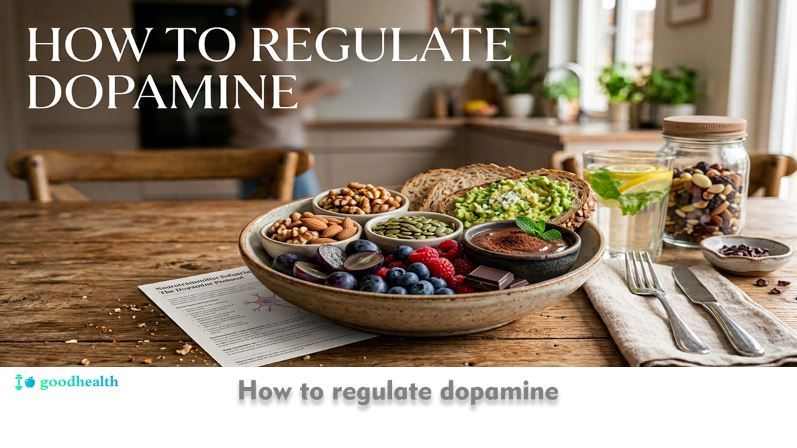
Dopamine is one of the primary neurotransmitters in the human brain, playing a central role in motivation, focus, pleasure, movement, and reinforcement learning. Contrary to popular belief, dopamine is not merely a “pleasure chemical” released when experiencing reward; rather, it is the driver of anticipation and pursuit. In an modern environment flooded with hyper-stimulating inputs—such as social media notifications, processed foods, gaming, and constant digital connectivity—the brain’s baseline dopamine levels can easily become dysregulated. When baseline dopamine drops too low due to overstimulation or chronic stress, individuals often experience brain fog, lack of motivation, apathy, difficulty concentrating, and persistent fatigue.
Learning how to regulate dopamine requires an understanding of how the brain manages neurological reward pathways. The brain constantly seeks homeostasis, balancing dopamine peaks with subsequent troughs. When a artificial high occurs, the brain compensates by temporarily lowering its baseline dopamine sensitivity. Restoring optimal neurotransmitter function is not about eliminating pleasure, but about rebuilding baseline dopamine tone through intentional lifestyle habits, balanced reward systems, behavioral modification, and proper physiological care.
Shop new arrivals
-
Emotional Advantage
Original price was: €12.90.€8.90Current price is: €8.90. -
Healthy Life Blueprint
Original price was: €24.90.€15.90Current price is: €15.90. -
How to break negative habits
Original price was: €12.90.€6.90Current price is: €6.90. -
How to have continuity
Original price was: €15.90.€8.90Current price is: €8.90. -
Living with Purpose
Original price was: €14.90.€9.90Current price is: €9.90.





Understanding the Dopamine Baseline and Reward Dynamics
To effectively regulate dopamine, it is necessary to differentiate between peak dopamine levels and baseline dopamine levels. Peak dopamine is the sharp increase in neurotransmitter release experienced during or immediately before an enjoyable activity, such as consuming a favorite meal or receiving social validation. Baseline dopamine, on the other hand, is the underlying concentration of dopamine continuously circulating in the brain. A healthy, elevated baseline provides sustained energy, emotional resilience, drive, and mental clarity throughout the day.
When individuals repeatedly chase dramatic spikes in peak dopamine through high-stimulus behaviors, the brain downregulates its dopamine receptors to protect itself from overstimulation. Consequently, baseline dopamine levels drop, leading to anhedonia—a state where normal, everyday activities no longer feel rewarding or engaging. Regulating dopamine involves managing the frequency and intensity of peak experiences so that the brain’s natural baseline remains robust and sensitive.
The Dynamics of Dopamine Waves and Troughs
Every dopamine peak is naturally followed by a trough that drops slightly below the pre-existing baseline. This temporary deficit is felt as a subtle craving, restlessness, or urge to repeat the behavior that caused the initial release. If an individual immediately indulges in another high-dopamine stimulus to escape the trough, baseline levels sink further over time.
By learning to tolerate the brief discomfort of post-peak troughs without immediate self-medication through high-input stimuli, the brain is given the space required to restore baseline neurotransmitter balance. Allowing natural recovery time between stimulating activities prevents chronic depletion and maintains long-term cognitive sharpess.
Shop new arrivals
-
Emotional Advantage
Original price was: €12.90.€8.90Current price is: €8.90. -
Healthy Life Blueprint
Original price was: €24.90.€15.90Current price is: €15.90. -
How to break negative habits
Original price was: €12.90.€6.90Current price is: €6.90. -
How to have continuity
Original price was: €15.90.€8.90Current price is: €8.90. -
Living with Purpose
Original price was: €14.90.€9.90Current price is: €9.90.
Behavioral Strategies for Stabilizing Dopamine Baseline
Behavioral adjustments form the cornerstone of sustainable dopamine regulation. One of the most effective approaches involves practicing deliberate cold exposure or morning sunlight exposure, both of which trigger sustained, gradual increases in circulating dopamine without causing a sharp, destructive trough. Viewing bright, natural sunlight within the first hour of waking triggers the release of cortisol and dopamine in a natural circadian pattern, setting an optimal alertness rhythm for the entire day.
Another vital behavioral strategy is managing how rewards are paired with effort. When an individual relies on constant external rewards—such as listening to intense music, consuming energy drinks, and using stimulants simultaneously while working or exercising—the brain begins to associate dopamine only with the layered external stimuli rather than the effort itself. Over time, this makes unrewarded effort feel unbearable. Deliberately uncoupling high-stimulus rewards from routine tasks fosters intrinsic motivation, training the brain to enjoy the process of effort itself.
Implementing Dopamine Fasting and Digital Hygiene
Dopamine fasting does not mean isolating oneself from all pleasure; rather, it refers to reducing exposure to hyper-rewarding, artificial stimuli that overwhelm the brain’s reward centers. Modern technology, short-form video content, and endless digital feeds are engineered to exploit variable reward schedules, causing erratic dopamine firing. Setting clear digital boundaries—such as designated screen-free hours, disabling non-essential notifications, and avoiding phone use during the first hour of the morning—allows overstimulated neural pathways to recalibrate.
Creating structured friction between impulse and action helps restore executive control over behavior. For example, leaving digital devices in another room while working or keeping high-sugar foods out of the house disrupts immediate gratification loops, encouraging the brain to seek dopamine through deliberate, goal-oriented actions.
Physical Exercise and Movement as Neurotransmitter Regulators
Physical activity is one of the most powerful and clinically proven methods to enhance baseline dopamine function. Regular exercise increases both the production of dopamine and the density of dopamine D2 receptors in the brain, improving sensitivity to natural rewards. Unlike artificial stimulants, exercise causes a steady, balanced rise in dopamine along with serotonin, endorphins, and brain-derived neurotrophic factor (BDNF), promoting neural plasticity and mood stabilization.
Both cardiovascular exercise and resistance training contribute significantly to neurotransmitter regulation. Engaging in moderate-to-vigorous aerobic exercise for thirty minutes can elevate brain dopamine levels for hours following the workout. Furthermore, physical movement reduces systemic inflammation, which is known to directly impair dopamine synthesis and signal transmission within the central nervous system.
The Role of High-Intensity Effort and Consistency
While moderate steady-state movement supports baseline levels, short bursts of high-intensity training can stimulate neurochemical adaptations that enhance stress resilience. Pushing through physical discomfort during a structured workout teaches the brain to associate effort with a subsequent feeling of well-being, effectively recalibrating the internal reward architecture.
Consistency remains far more crucial than intensity when utilizing exercise for dopamine management. Sporadic workouts cannot offset a sedentary lifestyle, whereas predictable daily physical movement reinforces stable baseline neurotransmitter production and sustains cognitive vitality over weeks and months.
Dietary Foundations and Micronutrients for Dopamine Synthesis
Dopamine cannot be produced without the necessary nutritional building blocks. The synthesis of dopamine begins with L-tyrosine, an essential amino acid derived from dietary protein. L-tyrosine is converted into L-DOPA by the enzyme tyrosine hydroxylase, which is subsequently transformed into functional dopamine. Consuming adequate dietary protein ensures that the brain has a steady, uninterrupted supply of amino acids required for continuous neurotransmitter production.
Protein-rich foods such as lean meats, poultry, eggs, fish, dairy products, legumes, and seeds provide generous amounts of tyrosine and phenylalanine. Incorporating these foods into morning and mid-day meals helps prevent the neurotransmitter dips that cause afternoon brain fog, fatigue, and cravings for refined carbohydrates.
Key Micronutrient Cofactors in Synthesis
The enzymatic conversion of amino acids into dopamine requires specific vitamin and mineral cofactors. Iron, vitamin B6, folate, vitamin B12, and magnesium play indispensable roles in supporting the metabolic pathways that manufacture dopamine. A deficiency in any of these critical micronutrients can slow down enzyme activity, resulting in reduced dopamine production regardless of amino acid availability.
Whole, unprocessed foods—such as leafy greens, nuts, whole grains, and nutrient-dense animal sources—deliver these essential cofactors in highly bioavailable forms. Maintaining optimal micronutrient status protects the brain’s neurochemical manufacturing systems from unnecessary sluggishness.
The Impact of Sleep and Circadian Rhythm Integrity
Quality sleep is fundamentally tied to dopamine receptor sensitivity. During deep, restful sleep, the brain undergoes cellular maintenance and downregulates dopamine receptors, refreshing their sensitivity for the following day. Chronic sleep deprivation or disrupted sleep architecture significantly reduces the density of available dopamine receptors in the striatum, causing severe declines in focus, mood stability, and impulse control.
Aligning lifestyle habits with natural circadian rhythms ensures that dopamine rises naturally in the morning to promote wakefulness and declines gradually in the evening to allow melatonin synthesis. Exposure to blue light from electronic screens late at night disrupts this delicate cycle, artificially stimulating dopamine release when the brain should be preparing for repair.
Optimizing Sleep Architecture for Neurochemical Recovery
Establishing a consistent sleep-wake schedule—going to bed and waking up at the same time each day—anchors the body’s internal clock. Keeping the bedroom dark, quiet, and cool supports uninterrupted transitions through deep sleep and REM stages, where cognitive restoration occurs.
Avoiding heavy meals, caffeine, and high-stimulus entertainment in the hours leading up to sleep prevents late-night dopamine spikes that interfere with natural sleep onset. Protecting sleep quality remains one of the single most non-negotiable requirements for long-term neurotransmitter balance.
Stress Management and Cortisol Control
Chronic psychological stress exerts a profound negative influence on the brain’s dopamine pathways. Prolonged exposure to elevated cortisol—the body’s primary stress hormone—depletes dopamine stores and alters the structure of the prefrontal cortex, the area responsible for self-regulation, planning, and decision-making. Under chronic stress, the brain shifts away from long-term reward planning and becomes hyper-focused on short-term relief, increasing vulnerability to addictive behaviors and burnout.
Incorporating stress-mitigation practices, such as mindfulness meditation, deep diaphragmatic breathing, and time spent in natural environments, helps lower circulating cortisol levels. Lowering systemic stress preserves dopamine reserves and restores higher-order cognitive control over daily choices.
Physiological Regulators of the Nervous System
Techniques that activate the parasympathetic nervous system—such as extended exhalations or the physiological sigh—rapidly reduce autonomic arousal. By lowering heart rate and shifting the nervous system out of a chronic fight-or-flight state, these practices prevent the neurochemical exhaustion that follows prolonged stress.
Regular practice of nervous system regulation builds resilience, ensuring that external challenges do not cause dramatic neurochemical imbalances. A calm, well-regulated nervous system provides the ideal environment for stable dopamine production and steady baseline function.
Optimizing Long-Term Neurotransmitter Health
Regulating dopamine is an ongoing practice of balancing effort, recovery, and stimulation rather than a one-time intervention. By reducing dependence on hyper-stimulating digital inputs, prioritizing nutrient-dense whole foods rich in tyrosine, engaging in daily physical movement, maintaining rigorous sleep hygiene, and managing chronic stress, individuals can permanently elevate their baseline dopamine tone. Restoring natural neurochemical sensitivity unlocks sustained motivation, sharper focus, emotional equilibrium, and a deeper capacity for intrinsic satisfaction in everyday life.
What are the most effective natural ways to regulate dopamine levels?
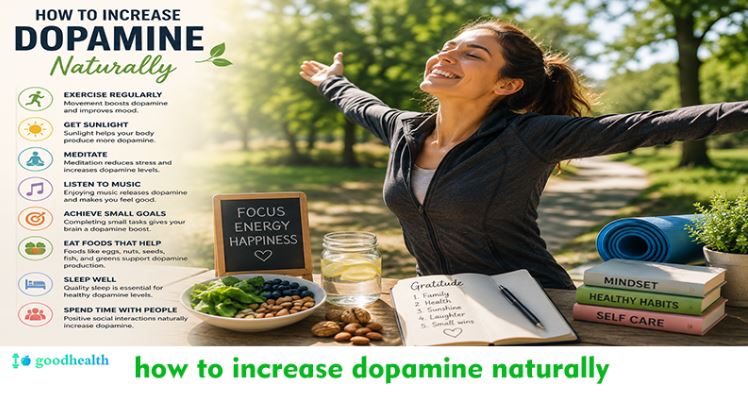
Prioritizing 7 to 9 hours of sleep, exercising regularly, reducing screen time, and getting daily sunlight naturally balance dopamine production.
How long does a dopamine detox take to reset your brain?
While a short break of 24 to 72 hours helps break compulsive habits, it typically takes 2 to 90 days of sustained behavioral changes to reset dopamine receptor sensitivity.
Can diet and specific foods help increase dopamine naturally?
Eating foods rich in tyrosine—such as eggs, lean meats, nuts, and soy products—provides the necessary building blocks to support optimal dopamine synthesis.
What are the main symptoms of low dopamine versus high dopamine?
Low dopamine usually manifests as fatigue, lack of motivation, and low mood, whereas abnormally high dopamine can trigger anxiety, restlessness, and impulsivity.
Do cold showers and cold exposure really boost dopamine levels?
Yes, taking a cold shower or cold plunge can increase circulating dopamine levels by up to 250% for several hours after exposure.
please note
The content provided in this article is for educational and informational purposes only and should not be construed as medical, nutritional, psychological, or therapeutic advice. The advice provided may not be appropriate for everyone. The final decision regarding your health and lifestyle is yours, and we recommend that you consult with your doctor, counselor, or other health professional before making any changes or taking any action.
Shop new arrivals
-
Emotional Advantage
Original price was: €12.90.€8.90Current price is: €8.90. -
Healthy Life Blueprint
Original price was: €24.90.€15.90Current price is: €15.90. -
How to break negative habits
Original price was: €12.90.€6.90Current price is: €6.90. -
How to have continuity
Original price was: €15.90.€8.90Current price is: €8.90. -
Living with Purpose
Original price was: €14.90.€9.90Current price is: €9.90.