daily habits for happiness


True contentment is rarely the result of a single monumental event or a sudden stroke of luck; rather, it is the cumulative result of small, intentional actions practiced consistently over time. Many people operate under the assumption that joy is a destination they will eventually reach once certain conditions are met, such as achieving a specific career milestone or attaining financial absolute freedom. However, modern psychology and behavioral science suggest a remarkably different reality. Developing daily habits for happiness is a structural approach to rewiring the brain, allowing individuals to experience elevated levels of well-being regardless of external circumstances. By focusing on actionable, repeatable routines, anyone can establish a robust foundation for a genuinely fulfilling and healthy life.
The Science Behind Emotional Resilience and Joy
Understanding the neurological mechanics of the brain is an essential first step in cultivating a sustained sense of well-being. The human brain possesses an incredible trait known as neuroplasticity, which is its ability to reorganize itself by forming new neural connections throughout life. When we repeatedly engage in positive behaviors, we physically strengthen the neural pathways associated with contentment and emotional stability. Conversely, dwelling in negativity or engaging in self-destructive routines reinforces pathways that perpetuate stress and dissatisfaction. Recognizing this biological reality empowers individuals to take active control of their emotional baseline.
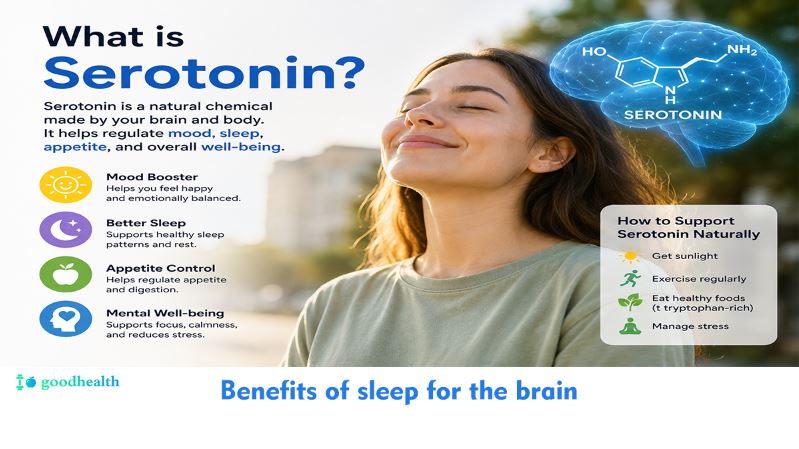
Central to this process are neurotransmitters such as dopamine, serotonin, oxytocin, and endorphins, often referred to as the brain’s chemical messengers for joy. These chemicals are not released at random; they are heavily influenced by our daily actions, environments, and even our thought patterns. For instance, accomplishing a small task can trigger a dopamine release, while spending time in the sun boosts serotonin. By purposefully designing our schedules to include activities that naturally stimulate these neurochemicals, we can create an internal environment where happiness becomes a default state rather than a fleeting emotion.
Moving away from a reactionary mindset requires a conscious shift in how we approach our days. Instead of waiting for good things to happen, proactive individuals construct an architecture of daily routines that consistently support their mental health. This structural approach diminishes the reliance on motivation, which is notoriously unreliable, and leans instead on the steady, undeniable power of discipline and habit formation. Over time, these practiced behaviors require less cognitive effort, seamlessly integrating into a person’s lifestyle.
Foundational Morning Routines to Set the Tone
The way an individual spends the first hour of their day disproportionately influences their cognitive and emotional state for the remaining waking hours. Waking up and immediately reacting to external stimuli, such as checking emails or scrolling through social media, forces the brain into a state of heightened alertness and stress. This reactive posture initiates a cascade of cortisol, the body’s primary stress hormone, setting a frantic and defensive tone for the morning. Establishing a proactive morning routine is one of the most effective daily habits for happiness because it guarantees a period of uninterrupted focus and self-care before the demands of the world intrude.
A cornerstone of a successful morning is learning how to break negative habits that sabotage early-hour productivity and peace. Leaving the smartphone in another room overnight is a highly practical strategy to prevent the detrimental loop of early morning doomscrolling. Replacing this passive consumption with active engagement, such as drinking a large glass of water to rehydrate the body after a night of sleep, signals a conscious transition into the day. This simple act of bodily care can serve as an anchoring habit, paving the way for more complex positive routines to follow.
Engaging in light physical movement shortly after waking also pays massive dividends for emotional regulation. This does not necessarily require a rigorous cardiovascular workout; simple stretching, yoga, or a brief walk outdoors can significantly increase blood flow to the brain and stimulate the release of endorphins. The combination of fresh air, natural sunlight, and gentle movement clears sleep inertia and provides a natural, sustainable energy boost that caffeine alone cannot replicate.
Cultivating Early Mindfulness and Intent
Integrating mindfulness into the beginning of the day provides a vital buffer against the inevitable stressors of modern life. Taking just five to ten minutes to practice deep, intentional breathing or silent meditation helps to center the mind and lower a racing heart rate. This quiet time allows individuals to observe their thoughts without immediate judgment or reaction, fostering a sense of inner calm that carries over into professional and personal interactions later in the day.
During this mindful window, setting a clear, singular intention for the day can drastically improve focus and emotional satisfaction. An intention is distinct from a to-do list; rather than outlining tasks to complete, it defines the overarching attitude or perspective one wishes to embody. Whether the intention is to remain patient during a challenging project, to communicate clearly with loved ones, or simply to find joy in small moments, having this mental anchor helps navigate the complexities of the day with grace and purpose.
Physical Well-being as a Precursor to Emotional Health
The division between the mind and the body is a purely conceptual one; in reality, physical health and mental health are deeply and inextricably linked. It is exceedingly difficult to maintain a consistently optimistic outlook when the physical body is exhausted, malnourished, or chronically inflamed. Embracing a healthy life through proper nutrition and hydration is therefore an absolute prerequisite for sustained emotional well-being. The gut, often referred to as the body’s second brain, produces a vast majority of our serotonin, meaning that dietary choices have a direct and measurable impact on mood regulation.
Prioritizing whole, nutrient-dense foods while minimizing the intake of processed sugars and inflammatory ingredients creates a stable metabolic environment. When blood sugar levels are balanced, individuals experience fewer energy crashes and mood swings, allowing for a more consistent and predictable emotional state. Furthermore, regular physical activity acts as a potent, natural antidepressant. Exercise reduces immune system chemicals that can worsen depression while simultaneously increasing body temperature, which can have a calming effect on the central nervous system.
Consistency in physical care is far more important than intensity. Integrating manageable, enjoyable forms of movement into the daily schedule ensures that the habit remains sustainable over the long term. Whether it involves a dedicated gym session, cycling, swimming, or simply choosing to take the stairs instead of the elevator, these actions compound over time. The goal is to view physical maintenance not as a chore or a punishment, but as an essential daily investment in one’s own psychological resilience and capacity for joy.
Cognitive Reframing and Breaking Negative Habits
A significant portion of our emotional landscape is determined not by what happens to us, but by how we interpret and internalize those events. Cognitive reframing is a powerful psychological tool that involves identifying and then challenging irrational or maladaptive thoughts. Many individuals are held back by deeply ingrained negative habits of the mind, such as catastrophizing, assuming the worst possible outcome, or engaging in harsh self-criticism. Actively dismantling these thought patterns is crucial for anyone serious about personal development and emotional liberation.
Understanding how to break negative habits requires a systematic approach of observation and substitution. The first step is cultivating the self-awareness necessary to recognize a negative thought loop as it occurs, without judging oneself for having it. Once identified, the individual can consciously interrupt the pattern and replace it with a more balanced, constructive perspective. For example, rather than viewing a professional setback as a permanent failure, one can reframe it as a valuable data point and a necessary stepping stone toward eventual mastery.
This continuous process of mental auditing fosters a robust growth mindset, the belief that abilities and intelligence can be developed through dedication and hard work. When people view their emotional and intellectual capacities as malleable rather than fixed, they become far more resilient in the face of adversity. This shift in perspective transforms obstacles from insurmountable blockades into engaging challenges, naturally elevating one’s baseline level of enthusiasm and daily satisfaction.
The Power of Intentional Gratitude
Intentional gratitude moves beyond toxic positivity—which demands ignoring real pain or difficulty—and instead focuses on actively scanning one’s environment for genuine points of appreciation. This practice trains the brain’s reticular activating system to notice positive stimuli that might otherwise be overlooked during a busy day.
Maintaining a daily gratitude journal is a highly effective method for institutionalizing this habit. By dedicating a few moments each day to write down specific, detailed instances of things going well, individuals create a tangible record of positive experiences. Over time, this practice shifts the brain’s default bias from negative to positive, ensuring that small victories and moments of connection are properly registered and celebrated, thereby enriching the overall emotional fabric of daily life.
Evening Decompression for Restorative Sleep
Just as the morning routine sets the initial trajectory for the day, the evening routine determines the quality of the body and mind’s restorative processes. Sleep is the ultimate biological reset button, vital for cognitive function, emotional processing, and physical repair. Chronic sleep deprivation is fundamentally incompatible with a joyful existence, as it severely impairs the brain’s ability to regulate emotions and manage stress. Therefore, protecting the hours leading up to sleep is one of the most critical daily habits for happiness.
Creating a transition period between the demands of the day and the rest of the night requires deliberate winding-down activities. This involves consciously disconnecting from work-related communications and stepping away from the blue light emitted by screens, which suppresses the natural production of melatonin. Engaging in calming activities such as reading a physical book, practicing light stretching, or listening to tranquil music signals to the nervous system that it is safe to transition from an active sympathetic state into a relaxed parasympathetic state.
This evening period also provides a valuable opportunity for gentle reflection. Reviewing the day’s events, acknowledging accomplishments, and forgiving oneself for any missteps or unmet goals prevents lingering anxieties from disrupting sleep. By deliberately putting the day to rest and clearing the mental slate, individuals ensure they can achieve the deep, restorative sleep necessary to wake up emotionally equipped for the following morning.
Cultivating a profoundly fulfilling life is an ongoing process of aligning daily actions with core values and biological realities. By understanding the neuroscience of mood regulation, optimizing both morning and evening routines, prioritizing physical vitality, and rigorously challenging negative mental frameworks, individuals can fundamentally alter their emotional trajectory. The integration of these daily habits for happiness requires dedication, patience, and a willingness to prioritize long-term well-being over immediate, fleeting comforts. Ultimately, joy is not a prize to be won at the end of a long journey, but rather the natural byproduct of a life lived with intention, consistent self-care, and an unwavering commitment to personal growth.
What is the fastest daily habit to instantly boost my mood?
Practicing gratitude by writing down three specific things you are thankful for is the quickest way to shift your brain into a positive state.
How do I start building healthy routines when I feel completely overwhelmed?
Start with a micro-habit that takes less than two minutes to complete, like drinking a glass of water right when you wake up.
Can going for a simple daily walk actually make me happier?
Yes, a brisk daily walk outside releases endorphins and reduces cortisol levels, making it one of the most effective habits for mental well-being.
please note
The content provided in this article is for educational and informational purposes only and should not be construed as medical, nutritional, psychological, or therapeutic advice. The advice provided may not be appropriate for everyone. The final decision regarding your health and lifestyle is yours, and we recommend that you consult with your doctor, counselor, or other health professional before making any changes or taking any action.
Shop new arrivals
-

Emotional Advantage
€0.00 -

Healthy Life Blueprint
€0.00 -

How to break negative habits
€0.00 -
How to have continuity
Original price was: €4.90.€0.00Current price is: €0.00. -
Living with Purpose
Original price was: €8.90.€0.00Current price is: €0.00.