How to lose weight with green tea


Green tea is widely recognized as a refreshing beverage that contains natural antioxidants and plant compounds that may support several aspects of health. In recent years, it has also become popular among people looking for natural ways to manage body weight, improve metabolism, and reduce body fat. Its combination of catechins, particularly epigallocatechin gallate (EGCG), and naturally occurring caffeine has attracted scientific attention because these compounds may influence energy expenditure and fat oxidation.
Understanding how to lose weight with green tea requires looking beyond popular weight-loss claims. Although green tea may provide modest support for weight management, it does not directly melt body fat or replace a balanced diet and regular physical activity. Its potential benefits are most useful when combined with healthy eating habits, appropriate portion sizes, exercise, and sufficient sleep. By understanding how green tea works, when to drink it, and how to incorporate it into your daily routine, you can use this beverage as part of a realistic and sustainable weight-management strategy.
How to lose weight with green tea
How Does Green Tea Help With Weight Loss?
Green tea contains naturally occurring compounds called catechins, which belong to a group of plant substances known as polyphenols. One of the most extensively studied catechins is EGCG. Researchers have investigated whether EGCG and other green tea compounds can influence metabolism, energy expenditure, and the way the body uses stored fat.
Green tea also contains caffeine, a natural stimulant that can temporarily increase alertness and influence energy expenditure. Some research suggests that caffeine and green tea catechins may work together to produce small changes in metabolic activity and fat oxidation. However, these effects vary between individuals and are generally too modest to produce substantial weight loss without other lifestyle changes.
Another practical advantage of green tea is that plain brewed tea contains very few calories. Replacing sugary beverages, sweetened coffee drinks, and high-calorie soft drinks with unsweetened green tea can reduce overall calorie consumption. This simple substitution may be more useful for weight management than expecting green tea itself to produce significant fat loss.
Research supports cautious expectations. A 2024 systematic review and network meta-analysis of randomized trials found that green tea consumption was associated with a small reduction in body weight compared with placebo, but the certainty of evidence was low or very low. The results suggest that green tea can be a supplementary strategy rather than a primary weight-loss treatment.
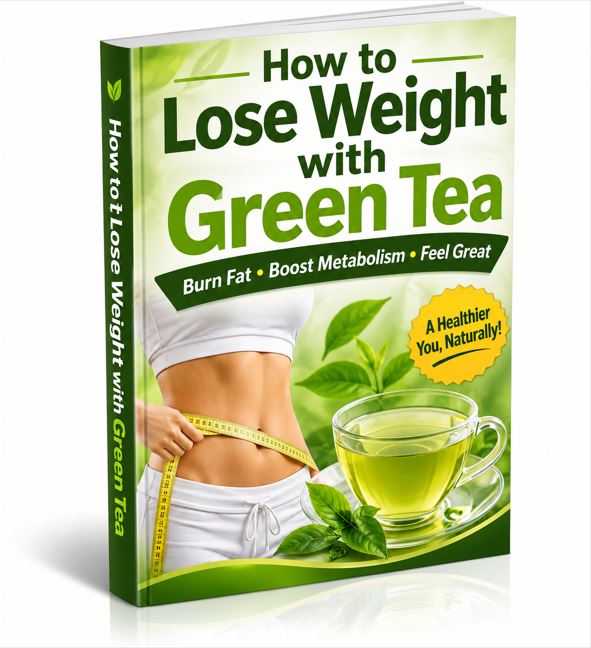
You can learn more specialized information about fasting by purchasing and downloading the PDF book: How to lose weight with green tea.
Green Tea and Metabolism
Metabolism refers to the chemical processes through which the body converts food and stored energy into the energy required for everyday functions. Your metabolic rate is influenced by several factors, including age, body composition, genetics, hormones, physical activity, and overall energy intake.
Green tea has attracted attention because its catechins and caffeine may influence certain metabolic processes. Some laboratory and clinical research suggests that these compounds can temporarily increase energy expenditure, meaning the body may use slightly more energy during normal daily activities.
However, increasing metabolism does not automatically lead to meaningful weight loss. The effect associated with drinking green tea is relatively small, and the body can adapt to changes in energy intake and activity over time. Therefore, green tea should not be viewed as a metabolic shortcut.
The Role of EGCG
EGCG is one of the major active compounds in green tea. It has antioxidant properties and has been studied for its potential influence on fat metabolism.
Researchers have investigated whether EGCG can influence enzymes and cellular signaling pathways involved in fat storage and energy utilization. Although laboratory studies suggest several possible mechanisms, translating these findings into significant weight loss in humans remains challenging.
Drinking brewed green tea provides EGCG naturally, although the amount varies depending on the tea variety, processing, water temperature, and brewing time.
The Role of Caffeine
Caffeine can temporarily increase alertness and stimulate the central nervous system. It may also influence energy expenditure and fat oxidation, which explains why it is frequently included in weight-management research.
Green tea generally contains less caffeine per serving than coffee, although the exact amount varies. This makes it an alternative for people who enjoy a moderate caffeine intake.
Nevertheless, consuming more caffeine is not a reliable weight-loss strategy. Excessive intake can cause nervousness, sleep disturbances, headaches, and increased heart rate.
May Help Increase Fat Oxidation
Fat oxidation is the process through which the body breaks down fatty acids to produce energy. It occurs naturally throughout the day, with the amount depending on factors such as exercise intensity, food intake, hormonal activity, and overall energy requirements.
Some studies suggest that green tea catechins, particularly when combined with caffeine, may influence the rate at which the body uses fat for energy. This has led researchers to investigate green tea as a possible supportive ingredient in weight-management programs.
However, increased fat oxidation during a particular period does not necessarily mean that a person will lose more body fat over time. Long-term fat loss depends primarily on maintaining an appropriate energy deficit.
Green tea can therefore complement other fat-loss strategies, but it should not replace regular exercise, balanced nutrition, or healthy lifestyle habits.
Best Time to Drink Green Tea for Weight Loss
Choosing an appropriate time to drink green tea can make it easier to include in your daily routine. Although there is no scientifically established drinking schedule that guarantees greater fat loss, some times of the day may be more convenient depending on your lifestyle and caffeine sensitivity.
The most important consideration is consistency. Drinking green tea at a suitable time can help you replace higher-calorie beverages and maintain healthy hydration habits.
Drinking Green Tea in the Morning
Many people enjoy green tea in the morning because its caffeine content may help increase alertness. Drinking a cup alongside breakfast can be a convenient way to begin the day.
You can pair green tea with a nutritious breakfast containing protein, fiber, and healthy fats. For example, oatmeal with fruit and nuts or eggs with whole-grain bread can provide a more balanced start to the day than relying on tea alone.
There is no need to drink green tea immediately after waking up on an empty stomach. Some people experience nausea or stomach discomfort when consuming caffeinated beverages without food.
Drinking Green Tea Before Exercise
Drinking green tea before exercise may provide a small amount of caffeine that can temporarily support alertness and exercise performance.
If you tolerate caffeine well, having a cup approximately 30–60 minutes before a workout may be convenient. However, individual responses vary, and green tea is not necessary for effective exercise or fat loss.
For weight management, regular physical activity matters much more than the precise timing of a cup of tea.
Drinking Green Tea in the Afternoon
An afternoon cup of green tea can be a useful alternative to sweetened coffee drinks, energy drinks, or sugary beverages.
It may also help you avoid unnecessary snacking when you simply want something refreshing to drink. However, distinguish between thirst and genuine hunger. Green tea should not be used to suppress normal hunger or replace nutritious meals.
Avoid drinking caffeinated green tea too late in the day if it affects your sleep.
How Much Green Tea Should You Drink Daily?
There is no universally established number of cups of green tea that guarantees weight loss. Studies use different tea varieties, concentrations, catechin quantities, and intervention periods, making it difficult to identify one ideal daily amount.
For many healthy adults, drinking two to three cups of unsweetened green tea throughout the day can be a practical way to include it in a balanced diet. This is a lifestyle suggestion rather than a clinically proven weight-loss dose.
The appropriate amount depends on your caffeine sensitivity, existing caffeine consumption, medications, sleep quality, and individual health circumstances.
Remember that more green tea does not necessarily mean more weight loss. Drinking excessive quantities may increase caffeine-related side effects without providing meaningful additional benefits.
Best Types of Green Tea for Weight Loss
Different varieties of green tea are produced using different processing and preparation methods. They all originate from the same tea plant, but their taste, caffeine content, and concentrations of plant compounds can vary.
Choosing a tea you enjoy is often more important than purchasing an expensive product promoted specifically for weight loss.
Traditional Green Tea
Traditional green tea is one of the simplest options for everyday consumption. It is available as loose leaves or tea bags and generally contains catechins and naturally occurring caffeine.
You can prepare it using hot water and allow it to steep according to the manufacturer’s instructions. Drinking it without added sugar or sweetened syrups helps keep its calorie content very low.
Matcha Green Tea
Matcha is a powdered form of specially cultivated green tea leaves. Unlike traditional brewed tea, matcha involves consuming the powdered leaves themselves, which can provide a different amount of caffeine and plant compounds per serving.
Matcha is particularly popular in smoothies, beverages, and healthy recipes. However, it is not a proven weight-loss solution and should be consumed in reasonable quantities.
Decaffeinated Green Tea
Decaffeinated green tea is an alternative for people who enjoy its taste but are sensitive to caffeine.
The decaffeination process can reduce some naturally occurring compounds, but decaffeinated varieties may still contain beneficial tea polyphenols.
This option can be especially useful later in the day when you want to avoid interfering with sleep.
How to Prepare Green Tea for Weight Loss
Preparation is important because adding sugar, honey, flavored syrups, or sweetened milk can substantially increase the calorie content of green tea.
Start with good-quality tea leaves or tea bags. Heat fresh water and allow it to cool slightly before pouring it over the tea. Many green teas taste better when brewed below boiling temperature, although the appropriate temperature depends on the variety.
Allow the tea to steep for approximately two to three minutes as a starting point, adjusting the duration according to your preference and the manufacturer’s instructions.
Green Tea With Lemon
Adding lemon juice to green tea creates a refreshing citrus flavor. Lemon also provides vitamin C, while green tea contributes catechins and other naturally occurring plant compounds.
However, there is no strong clinical evidence that combining lemon with green tea produces significantly greater weight loss than drinking green tea alone.
Use fresh lemon juice in moderate amounts and avoid excessive added sugar.
Iced Green Tea
Iced green tea is another convenient way to enjoy this beverage, particularly during warmer months.
Prepare green tea normally, allow it to cool, and serve it with ice. You can add lemon slices, fresh mint, or cucumber for additional flavor.
Unsweetened iced green tea can replace high-calorie bottled drinks and sugary refreshments.
Combine Green Tea With a Healthy Diet
Although green tea may provide modest support for weight management, your overall diet has a much greater influence on weight loss.
To lose body fat, you generally need to maintain a manageable calorie deficit, meaning that you consume fewer calories than your body uses over time. This does not require extreme food restriction or eliminating entire food groups.
Focus on nutritious meals containing vegetables, fruits, whole grains, protein-rich foods, legumes, nuts, seeds, and healthy fats. These foods provide essential nutrients and help create satisfying meals.
Protein is particularly important because it supports muscle maintenance during weight loss and contributes to feelings of fullness. Good choices include eggs, fish, chicken, Greek yogurt, beans, lentils, and tofu.
Fiber-rich foods such as oats, vegetables, fruits, and legumes can also help make meals more satisfying and support normal digestion.
Green tea works best as an addition to this eating pattern rather than a replacement for food or a solution to excessive calorie consumption.
Exercise Regularly to Increase Weight-Loss Results
Physical activity plays an important role in weight management because it increases energy expenditure and supports overall fitness.
Combining aerobic exercise with strength training can be especially useful. Walking, cycling, swimming, and jogging help improve cardiovascular fitness, while resistance exercises support muscle strength and help preserve lean body mass.
The CDC recommends that adults aim for at least 150 minutes of moderate-intensity aerobic activity per week, together with muscle-strengthening activity on at least two days.
You do not need to exercise intensely every day. Building a consistent routine that fits your lifestyle is generally more sustainable.
Green tea may provide a small contribution to energy expenditure, but exercise and overall dietary habits have a much greater influence on long-term body composition.
The Importance of Sleep and Stress Management
Sleep is often overlooked when people focus on weight loss. However, inadequate sleep can influence appetite-regulating hormones, food preferences, energy levels, and decision-making.
When you regularly sleep too little, you may experience stronger cravings, increased hunger, and reduced motivation to exercise or prepare nutritious meals.
Green tea contains caffeine, so drinking it late in the evening can undermine your weight-management efforts if it interferes with sleep. Consider switching to water or caffeine-free herbal tea at night.
Stress management is equally important. Persistent stress can make healthy routines more difficult to maintain and may encourage emotional eating or irregular meal patterns.
Walking, relaxation exercises, meditation, and spending time outdoors can help you manage daily stress and maintain healthier habits.
Common Mistakes to Avoid When Using Green Tea for Weight Loss
One common mistake is expecting green tea to produce rapid weight loss without changing other lifestyle habits. Although research suggests some potential metabolic effects, the average weight-loss results are generally modest.
Another mistake is adding large amounts of sugar or honey to every cup. These ingredients increase calorie intake and may undermine the advantage of choosing green tea over sugary beverages.
Some people also drink green tea instead of eating proper meals. This is not a healthy or sustainable way to lose weight because the body requires sufficient protein, carbohydrates, fats, vitamins, and minerals.
Finally, avoid assuming that concentrated green tea supplements are more effective or safer than traditionally brewed tea. High-dose extracts have a different safety profile and can cause serious adverse effects.
Green Tea Extracts and Weight-Loss Supplements: Are They Safe?
Green tea extract supplements are marketed as concentrated sources of catechins, particularly EGCG. Some clinical studies have investigated these products for their potential effects on body weight and body composition.
A 2025 systematic review and meta-analysis of randomized controlled trials reported small average reductions in weight, BMI, and waist circumference following green tea supplementation. The pooled reduction in body weight was approximately 0.74 kg, demonstrating that the average effect was relatively modest.
Importantly, these results concern supplementation studies and should not be interpreted as proof that ordinary brewed green tea produces the same effects.
The National Institutes of Health’s Office of Dietary Supplements warns that concentrated green tea extracts can cause nausea, abdominal discomfort, constipation, and increased blood pressure. Rare cases of liver injury have also been reported, particularly with concentrated products.
For most people interested in weight management, unsweetened brewed green tea is a more sensible option than high-dose green tea extract supplements. Anyone taking prescription medication or considering concentrated supplements should consult a healthcare professional first.
A Simple Daily Routine for Drinking Green Tea
A sustainable green tea routine should complement normal meals, physical activity, and adequate rest.
You could begin your day with a cup of unsweetened green tea alongside a nutritious breakfast. If you exercise, another cup earlier in the day may fit your routine, provided you tolerate caffeine well.
An afternoon serving can replace a sweetened beverage, helping reduce unnecessary calorie consumption. Drink plain water regularly throughout the day and avoid relying on tea as your main source of hydration.
For meals, concentrate on protein, vegetables, fruits, whole grains, and appropriate portions. Combine this approach with regular walking and resistance training to support fat loss while maintaining muscle mass.
The goal is to create a routine you can follow comfortably over time. There is little value in adopting an extremely restrictive schedule that leaves you tired, hungry, or unable to maintain normal daily activities.
Conclusion
Understanding how to lose weight with green tea means recognizing both its potential benefits and its limitations. Green tea contains catechins, particularly EGCG, and natural caffeine, which may influence energy expenditure and fat oxidation. Research suggests that these effects can contribute to small improvements in weight management, but they are not powerful enough to replace a healthy diet and regular exercise.
The most effective way to include green tea in a weight-loss plan is to drink it unsweetened, choose suitable times based on your caffeine tolerance, and use it as an alternative to high-calorie beverages. Combine it with balanced meals, sufficient protein, fiber-rich foods, regular physical activity, quality sleep, and sensible portion sizes.
Ultimately, green tea should be considered a supportive beverage rather than a fat-burning treatment. Sustainable weight loss depends on maintaining healthy habits consistently, and drinking green tea can be one simple part of a balanced lifestyle designed to support long-term weight management.
please note
The content provided in this article is for educational and informational purposes only and should not be construed as medical, nutritional, psychological, or therapeutic advice. The advice provided may not be appropriate for everyone. The final decision regarding your health and lifestyle is yours, and we recommend that you consult with your doctor, counselor, or other health professional before making any changes or taking any action.
You can learn more specialized information about fasting by purchasing and downloading the PDF book: How to lose weight with green tea.