Benefits of Shrimp

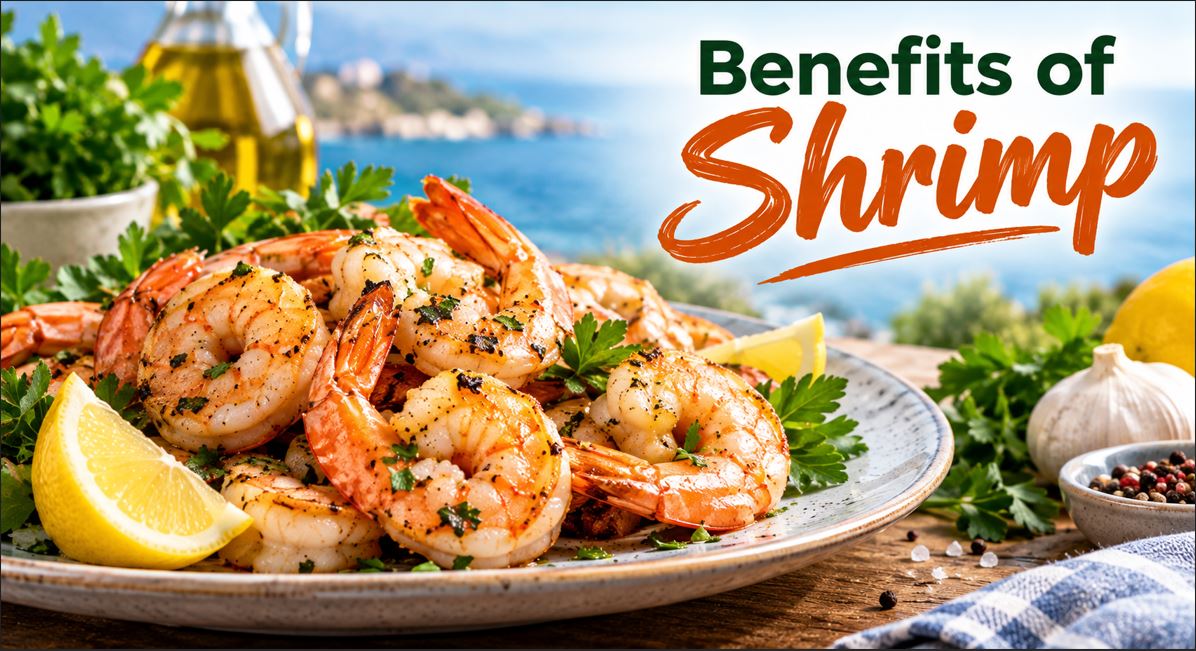
Shrimp is a popular seafood enjoyed in cuisines around the world. It is versatile, quick to prepare, and provides a range of important nutrients, making it a valuable addition to many balanced diets. Shrimp is particularly known for being a rich source of protein while providing relatively few calories compared with many other protein-rich foods.
The Benefits of Shrimp include its high-quality protein, vitamin and mineral content, and availability of beneficial nutrients such as selenium, vitamin B12, and iodine. Shrimp also contains omega-3 fatty acids, although generally in smaller amounts than oily fish such as salmon and sardines. Understanding the Benefits of Shrimp can help you make informed choices about including seafood in a nutritious eating pattern.
Shrimp Is an Excellent Source of Protein
One of the most important benefits of shrimp is its protein content. Protein is essential for maintaining muscles, supporting tissues, producing enzymes and hormones, and performing many other functions throughout the body.
Shrimp provides complete protein, meaning it contains all nine essential amino acids that the body cannot produce on its own in sufficient amounts.
Including shrimp in a balanced meal can make it easier to meet daily protein needs, particularly when combined with vegetables, whole grains, legumes, or other nutritious foods.
Shrimp Is Relatively Low in Calories
For people looking for nutrient-dense protein sources, shrimp can be an attractive option because it generally provides a substantial amount of protein without a large amount of calories.
The total calorie content of a shrimp dish depends heavily on how it is prepared. Grilled, steamed, boiled, or baked shrimp can be relatively light, while shrimp prepared with large amounts of butter, cream, oil, breading, or deep-frying can contain considerably more calories.
Choosing simple preparation methods allows you to enjoy the nutritional benefits of shrimp without adding excessive energy-dense ingredients.
Rich in Selenium
Selenium is an essential mineral involved in antioxidant defense, thyroid hormone metabolism, and normal immune function.
Shrimp provides a significant amount of selenium, making it a useful dietary source of this micronutrient. Selenium works as part of specialized proteins in the body and contributes to protecting cells from oxidative damage.
Because selenium is needed in relatively small amounts, a varied diet is generally the best way to obtain an appropriate intake.
Provides Vitamin B12
Vitamin B12 is important for normal red blood cell formation, nervous-system function, and DNA synthesis. Shrimp is a useful source of vitamin B12.
Adequate vitamin B12 intake is particularly important for people whose diets contain limited amounts of animal-derived foods. Seafood can provide a convenient source of this vitamin alongside other nutrients.
Including shrimp and other nutrient-rich foods as part of a varied diet can help support normal nutritional intake.
Contains Iodine
Iodine is essential for producing thyroid hormones, which help regulate metabolism and support normal growth and development.
Seafood, including shrimp, can contribute iodine to the diet. The actual amount can vary depending on species, source, and other factors.
For individuals with specific thyroid or dietary concerns, personalized advice from a healthcare professional may be appropriate.
Provides Omega-3 Fatty Acids
Shrimp contains omega-3 fatty acids, including EPA and DHA, although the amounts are generally lower than those found in fatty fish.
Omega-3 fatty acids are important components of cell membranes and play roles in normal cardiovascular and brain function.
For people seeking higher amounts of EPA and DHA, oily fish such as salmon, sardines, and mackerel are typically richer sources. Shrimp can still contribute to overall seafood intake and dietary variety.
May Support Heart-Healthy Eating
Seafood can be part of a heart-healthy eating pattern, and shrimp can fit into that pattern depending on preparation and the rest of the diet.
Shrimp is naturally low in saturated fat and provides protein, selenium, and other nutrients. Its dietary role should be considered alongside the foods served with it.
For example, shrimp combined with vegetables, whole grains, beans, and healthy fats creates a very different nutritional profile from deep-fried shrimp served with heavy sauces.
Supports Muscle Maintenance
Protein is essential for maintaining and repairing muscle tissue. As a protein-rich food, shrimp can be useful for people who participate in exercise or simply want to maintain healthy muscle mass.
Combining shrimp with carbohydrates and vegetables can create a balanced meal before or after physical activity.
However, muscle health depends on more than protein alone. Regular resistance exercise, adequate energy intake, sleep, and overall nutrition also matter.
May Support Brain and Nervous-System Function
Shrimp provides nutrients such as vitamin B12, iodine, selenium, and omega-3 fatty acids that are involved in normal nervous-system or metabolic functions.
Vitamin B12, for example, is required for normal neurological function, while iodine is needed for thyroid hormones that influence many processes in the body.
Eating a varied diet that includes seafood, vegetables, fruits, whole grains, nuts, seeds, and other nutrient-rich foods can help provide the broad range of nutrients needed for normal brain and nervous-system function.
Shrimp Can Provide Important Minerals
In addition to selenium and iodine, shrimp contains smaller amounts of minerals such as zinc, phosphorus, copper, and magnesium.
These minerals perform diverse roles throughout the body, including supporting metabolism, immune function, bone health, and normal cellular processes.
The exact nutrient profile can vary depending on the species and preparation method, but shrimp remains a nutrient-dense seafood choice for many people.
Shrimp Is Versatile and Easy to Prepare
Another practical benefit of shrimp is its versatility. It can be incorporated into a wide variety of meals without requiring extensive preparation.
Shrimp can be grilled, steamed, baked, sautéed, or added to soups, salads, stir-fries, pasta, rice dishes, and tacos.
Its relatively mild flavor allows it to pair well with vegetables, herbs, spices, garlic, lemon, and many other ingredients.
This versatility can make it easier to create nutritious meals without relying on the same foods repeatedly.
Shrimp Can Be Part of a Weight-Management Diet
Shrimp’s combination of protein and relatively low calorie content can make it useful in meals designed to be filling without being excessively energy-dense.
Protein can contribute to feelings of fullness, which may help some people maintain an appropriate overall food intake.
However, shrimp itself does not automatically lead to weight loss. Weight management depends on total energy intake, food choices, physical activity, sleep, and other lifestyle factors.
Pay Attention to Sodium
Fresh shrimp naturally contains some sodium, but processed or prepared shrimp can contain substantially more. Frozen, canned, breaded, seasoned, or restaurant-prepared shrimp may have added sodium.
People who need to limit sodium may benefit from checking nutrition labels and choosing minimally processed shrimp when possible.
Cooking shrimp with herbs, lemon, garlic, and spices can add flavor without relying heavily on salty sauces.
Choose Healthy Cooking Methods
The way shrimp is prepared can greatly influence the nutritional quality of the finished meal.
Steaming, boiling, baking, grilling, or lightly sautéing shrimp can preserve its role as a relatively lean protein source.
Deep-frying or coating shrimp in large amounts of batter can increase calorie, fat, and sodium content considerably.
For the best nutritional balance, pair simply prepared shrimp with vegetables and other minimally processed foods.
Food Safety Is Important
Shrimp is nutritious, but seafood should be handled and cooked safely. Raw or undercooked shrimp can contain harmful microorganisms, so it is important to follow appropriate food-safety practices.
Keep raw seafood refrigerated, prevent cross-contamination with ready-to-eat foods, and cook shrimp thoroughly.
People who are pregnant, older adults, young children, and individuals with weakened immune systems should take particular care with seafood safety and follow appropriate professional guidance.
Shrimp Allergies and Individual Considerations
Shellfish, including shrimp, is a common food allergen. People with a shrimp or shellfish allergy should avoid it and follow appropriate medical advice.
Some people may also have individual dietary restrictions or health conditions that affect how much seafood they should consume.
As with any food, the best dietary choices depend on the individual’s overall nutritional needs and circumstances.
How to Add Shrimp to a Healthy Diet
There are many easy ways to incorporate shrimp into nutritious meals. Add grilled shrimp to a large vegetable salad, combine it with brown rice and steamed vegetables, or prepare a shrimp and vegetable stir-fry.
You can also use shrimp in soups, whole-grain pasta dishes, tacos with fresh vegetables, or grain bowls.
Pairing shrimp with foods rich in fiber, vitamins, minerals, and healthy fats can create a more balanced meal than consuming shrimp alone.
Choose Variety in Your Seafood Intake
Shrimp can be a nutritious seafood choice, but variety is valuable. Different types of seafood provide different nutrient profiles.
Including shrimp along with fish such as salmon, sardines, trout, or other seafood can help diversify your sources of protein and important nutrients.
A varied eating pattern generally provides a broader range of nutrients than relying heavily on one food.
Conclusion
The Benefits of Shrimp make it a useful food for people looking to include nutrient-rich seafood in their diet. Shrimp provides high-quality protein along with nutrients such as selenium, vitamin B12, iodine, and omega-3 fatty acids.
Its relatively low calorie content, versatility, and easy preparation make shrimp suitable for a wide variety of healthy meals. However, preparation matters, and choosing grilled, baked, steamed, or lightly cooked shrimp can be a better option than heavily breaded or deep-fried versions.
Ultimately, the Benefits of Shrimp are best enjoyed as part of a varied and balanced diet. Combining shrimp with vegetables, whole grains, legumes, and other nutrient-rich foods can help create satisfying meals that support overall health and well-being.
What are the main benefits of shrimp?
Shrimp is a high-quality source of protein and provides nutrients such as selenium, vitamin B12, iodine, and omega-3 fatty acids. It is also relatively low in calories when prepared without large amounts of added fat.
Is shrimp good for building muscle?
Shrimp can support muscle maintenance and development because it provides complete protein containing all nine essential amino acids. It works best as part of an overall diet that provides sufficient protein, energy, and nutrients alongside regular resistance exercise.
Is shrimp healthy for the heart?
Shrimp can fit into a heart-healthy diet because it is generally low in saturated fat and provides protein and several micronutrients. The overall dietary pattern and preparation method are important considerations.
Is shrimp high in cholesterol?
Shrimp contains dietary cholesterol, but dietary cholesterol affects blood cholesterol differently from person to person. For most people, the overall dietary pattern and the amount of saturated fat consumed are important factors when considering cardiovascular health.
What is the healthiest way to cook shrimp?
Grilling, steaming, boiling, baking, or lightly sautéing shrimp are generally simple preparation methods. Limiting excessive amounts of butter, salt, heavy sauces, breading, and deep-frying can help preserve its nutritional advantages.
please note
The content provided in this article is for educational and informational purposes only and should not be construed as medical, nutritional, psychological, or therapeutic advice. The advice provided may not be appropriate for everyone. The final decision regarding your health and lifestyle is yours, and we recommend that you consult with your doctor, counselor, or other health professional before making any changes or taking any action.
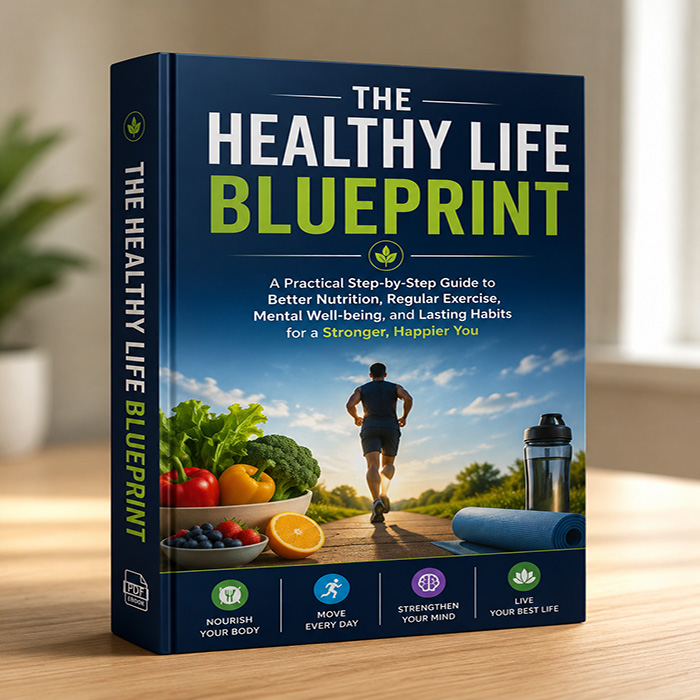
Healthy Life Blueprint
The Healthy Life Blueprint PDF: Your Complete Guide to Sustainable Wellness
Healthy Life Blueprint pdf book
Transform your daily routine and unlock your full potential with The Healthy Life Blueprint PDF, a comprehensive digital guide expertly designed to help you build better, long-lasting habits. Instead of relying on exhausting workout regimes or unsustainable crash diets, this premium wellness book provides a realistic, step-by-step roadmap to genuinely improving your overall health. Whether you are actively looking to increase your daily energy and productivity or simply want to feel more grounded, this essential guide offers actionable advice that seamlessly integrates into your busy modern lifestyle.
Taking complete control of your physical well-being has never been more straightforward or rewarding. Within these pages, you will discover proven strategies to improve your nutrition without restrictive dieting, allowing you to enjoy the foods you love while properly nourishing your body. The guide also walks you through how to create a completely customised and enjoyable fitness routine that fits your unique schedule, ensuring that staying active never feels like a chore. Furthermore, by implementing targeted techniques to optimise your evenings, you will learn exactly how to sleep better and wake up revitalised, setting an incredibly positive tone for the day ahead.
Healthy Life Blueprint pdf book
True health goes far beyond just physical fitness; it requires a strong, solid foundation of mental clarity and emotional resilience. This transformative digital book equips you with powerful, everyday tools to reduce stress and strengthen your mental well-being, helping you navigate life’s daily challenges with confidence and ease. Ultimately, you will be empowered to develop a perfectly balanced lifestyle you can maintain for life, ensuring that your personal journey to self-improvement is both highly sustainable and deeply rewarding.
| Specification | Details |
| Product Type | Comprehensive Wellness & Lifestyle Guide |
| Format | PDF – 465 pages -16 chapters |
| Core Focus Areas | Habit Building, Nutrition, Fitness, and Sleep |
| Delivery Method | Instant Digital Access |
| Primary Benefit | Sustainable health improvement without extreme restrictions |
| Language | English |
| Compatibility | Readable on all smartphones, tablets, and computers |