Benefits of Salad

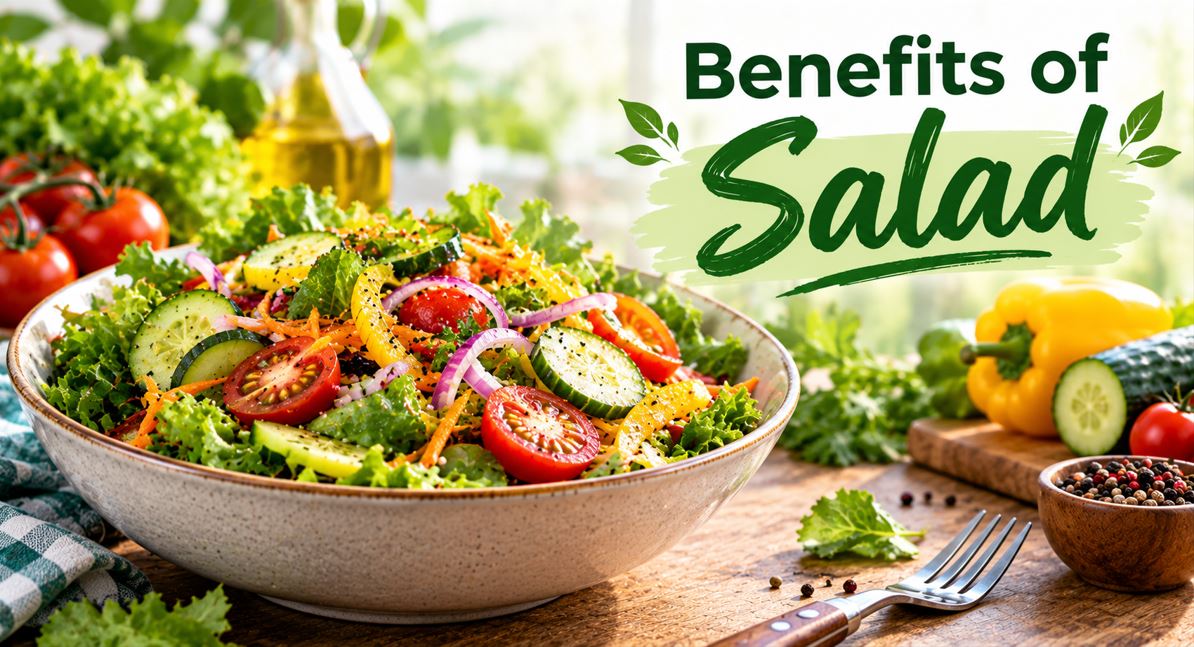
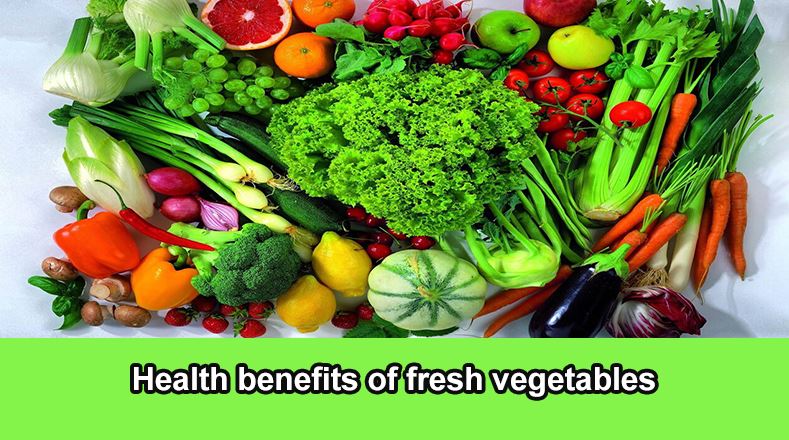
Salad is one of the easiest ways to add more vegetables, fruits, herbs, and other nutrient-rich ingredients to your diet. A well-prepared salad can provide vitamins, minerals, dietary fiber, antioxidants, healthy fats, and other important nutrients while adding freshness and variety to your meals.
The Benefits of Salad depend largely on the ingredients used and how the salad is prepared. A bowl filled with leafy greens, colorful vegetables, legumes, healthy fats, and a protein source can be a highly nutritious meal. Understanding the Benefits of Salad can help you make healthier food choices and create meals that support overall well-being.
Salads Are Rich in Vitamins and Minerals
One of the most important benefits of salad is its ability to provide a wide range of vitamins and minerals. Leafy greens and colorful vegetables can supply nutrients such as vitamin C, vitamin K, folate, potassium, and other micronutrients.
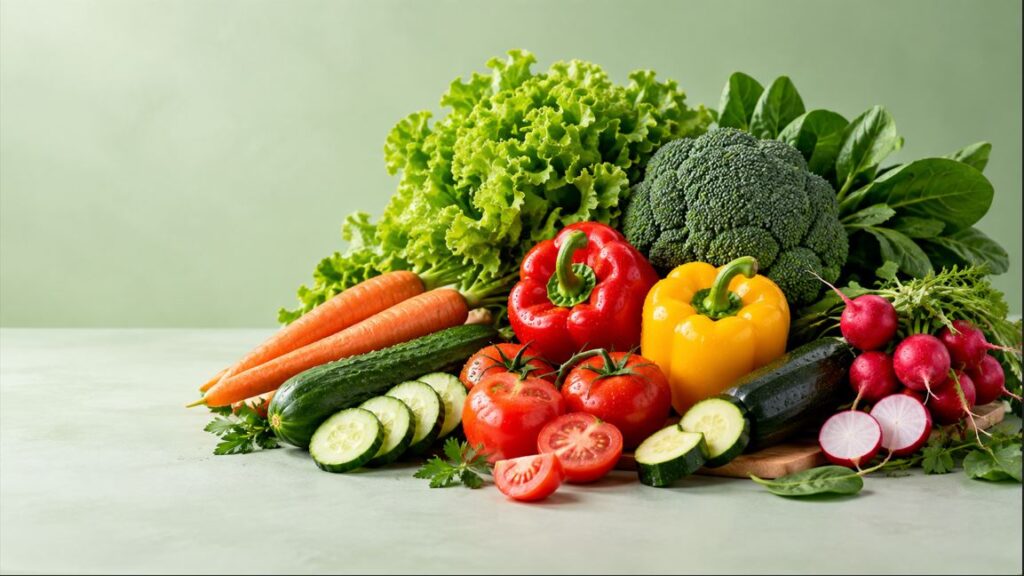
The exact nutritional content depends on the ingredients. Spinach, kale, tomatoes, carrots, cucumbers, peppers, and broccoli all provide different nutrients.
Including a variety of ingredients in one salad can therefore provide a broader nutritional profile than relying on one type of vegetable.
Excellent Source of Dietary Fiber
Many salad ingredients are rich in dietary fiber. Vegetables, fruits, beans, lentils, seeds, and whole grains can all increase the fiber content of a meal.
Fiber supports normal digestive function and can help promote feelings of fullness after eating. A higher-fiber diet can also contribute to a healthy overall eating pattern.
Adding fiber-rich ingredients such as chickpeas, beans, carrots, cabbage, apples, pears, or seeds can turn a simple green salad into a more satisfying meal.
May Support Digestive Health
The fiber and water found in many salad ingredients can support normal digestive function. Vegetables and fruits contribute both insoluble and soluble forms of fiber, depending on the food.
Eating a variety of plant foods also increases the diversity of nutrients and naturally occurring compounds in the diet.
For people who are not used to eating large amounts of fiber, increasing intake gradually and drinking enough fluids may help reduce digestive discomfort.
Provides Antioxidants
Colorful vegetables and fruits contain naturally occurring plant compounds with antioxidant properties. These compounds help protect cells from oxidative stress.
Tomatoes, peppers, carrots, leafy greens, berries, and many other salad ingredients provide different phytochemicals.
This is one reason creating colorful salads can be beneficial. Different colors often represent different naturally occurring plant compounds, so variety matters.
Supports Heart-Healthy Eating
Another important benefit of salad is that it can make it easier to build meals around vegetables and other nutrient-rich foods.
Leafy greens, vegetables, beans, nuts, seeds, avocados, and olive oil can all contribute nutrients associated with heart-healthy eating patterns.
The dressing also matters. A salad covered in excessive amounts of high-calorie sauces, salt, or processed ingredients can have a very different nutritional profile from a salad prepared with vegetables, healthy fats, and a moderate amount of dressing.
Can Help With Weight Management
A vegetable-rich salad can provide substantial volume and fiber without necessarily adding a large number of calories. This can help create meals that are satisfying while supporting appropriate overall energy intake.
However, not all salads are low in calories. Large amounts of cheese, creamy dressings, fried toppings, processed meats, croutons, and other energy-dense ingredients can significantly increase calorie content.
For a balanced approach, combine vegetables with a suitable protein source and moderate amounts of healthy fats.
Supports Healthy Hydration
Many common salad ingredients contain a significant amount of water. Lettuce, cucumber, tomatoes, celery, radishes, and other vegetables can contribute to overall fluid intake.
Food cannot replace drinking water, but water-rich fruits and vegetables can complement a healthy hydration routine.
Fresh salads can be especially appealing during hot weather because they are light, refreshing, and naturally hydrating.
May Support Skin Health
A diet rich in vegetables and fruits can provide nutrients involved in normal skin function. Salad ingredients can provide vitamin C, carotenoids, vitamin E, water, and various plant compounds.
For example, tomatoes provide carotenoids such as lycopene, while leafy greens and colorful vegetables provide several vitamins and antioxidant compounds.
Healthy skin depends on many factors, including genetics, hydration, sun exposure, sleep, and overall nutrition, but a varied diet can help provide important nutrients.
Provides Healthy Fats When Prepared Correctly
Healthy fats can make a salad more satisfying and help the body absorb fat-soluble vitamins such as vitamins A, D, E, and K.
Avocado, nuts, seeds, and extra virgin olive oil are examples of ingredients that can provide unsaturated fats.
Adding a moderate amount of healthy fat to a salad can therefore improve both its nutritional value and flavor.
Can Provide Protein
A basic vegetable salad may not contain enough protein to serve as a complete meal. However, adding a protein source can make it substantially more satisfying and nutritionally balanced.
Good options include grilled chicken, fish, eggs, beans, lentils, tofu, Greek yogurt-based ingredients, or other suitable protein foods.
Combining protein with vegetables and fiber can help create a meal that supports fullness and provides a wider range of nutrients.
Supports Immune Function
Salads can contain several nutrients that contribute to normal immune function. Vitamin C, vitamin A, folate, zinc, and other nutrients can be obtained from a variety of vegetables, fruits, seeds, legumes, and other salad ingredients.
A strong immune system depends on overall nutrition, sufficient sleep, physical activity, and many other factors.
No individual salad can prevent illness, but regularly consuming a varied diet can help provide the nutrients the body needs for normal function.
May Support Healthy Blood Pressure
Many vegetables and fruits contain potassium, a mineral involved in fluid balance, nerve function, and muscle function.
Leafy greens, tomatoes, beans, avocados, and other salad ingredients can contribute potassium to the diet.
A diet rich in vegetables and fruits can be part of an overall healthy eating pattern that supports cardiovascular health. People with medical conditions that require potassium restrictions should follow individualized dietary advice.
Salads Can Improve Dietary Variety
One of the most valuable Benefits of Salad is that salads make it easier to combine many different foods in one meal.
You can mix leafy greens with tomatoes, peppers, carrots, cucumbers, beans, seeds, fruit, whole grains, and a protein source. This variety increases your exposure to different nutrients and plant compounds.
Eating a diverse range of foods is an important part of building a balanced diet.
A Salad Can Be a Complete Meal
Salad does not have to be a small side dish. With the right ingredients, it can become a complete and satisfying meal.
Start with a base of leafy greens or other vegetables. Add protein, a source of complex carbohydrates if desired, healthy fats, and a flavorful dressing.
For example, a balanced salad might contain spinach, grilled chicken, chickpeas, tomatoes, cucumber, avocado, and a simple olive-oil-and-lemon dressing.
Choose Nutritious Salad Dressings
The dressing can significantly influence the nutritional value of a salad.
Simple dressings made with olive oil, lemon juice, vinegar, herbs, and spices can provide flavor without requiring excessive amounts of added sugar or sodium.
Creamy dressings are not automatically unhealthy, but large portions can add substantial calories, saturated fat, or sodium.
Using enough dressing to enhance the ingredients without overwhelming them is a practical approach.
Include Different Colors
A colorful salad is not only visually appealing but can also provide a broader range of plant compounds.
Try combining green leafy vegetables with red tomatoes, orange carrots, yellow peppers, purple cabbage, and other colorful ingredients.
Different fruits and vegetables contain different vitamins, minerals, and phytochemicals, so variety is more important than focusing on a single “superfood.”
Add Whole Foods and Minimize Highly Processed Toppings
The healthiest salads generally emphasize whole or minimally processed ingredients.
Fresh vegetables, fruits, legumes, nuts, seeds, whole grains, and suitable protein sources can create a nutrient-dense meal.
Highly processed toppings such as excessive fried foods, sugary sauces, processed meats, and large amounts of refined carbohydrates can reduce some of the nutritional advantages of the meal.
Easy Ways to Eat More Salad
Adding salads to your daily routine does not need to be complicated. Keep washed vegetables available in the refrigerator so that assembling a salad takes only a few minutes.
You can prepare a large base in advance and add different proteins, vegetables, or dressings throughout the week.
Salads can also be served alongside lunch or dinner, providing a convenient way to increase vegetable intake without completely changing your usual meals.
Make Salads More Satisfying
Some people avoid salads because they do not feel full afterward. The solution is not to abandon salads but to build them more effectively.
Include adequate protein, fiber, healthy fats, and, when appropriate, whole-food carbohydrates. Beans, lentils, eggs, chicken, fish, tofu, avocado, nuts, seeds, and whole grains can all make a salad more substantial.
A balanced salad should be satisfying as well as nutritious.
Conclusion
The Benefits of Salad come from the variety of nutrient-rich ingredients that can be combined in one meal. Salads can provide vitamins, minerals, fiber, antioxidants, healthy fats, water, and protein while making it easier to increase your intake of vegetables and other whole foods.
A nutritious salad is not limited to lettuce and cucumber. By adding colorful vegetables, fruits, beans, lean proteins, nuts, seeds, whole grains, and a moderate amount of healthy dressing, you can create a balanced and satisfying meal.
Ultimately, the Benefits of Salad are greatest when salads are part of a varied overall diet. Choosing fresh, nutrient-dense ingredients and paying attention to portions and dressing choices can help you enjoy delicious meals while supporting digestion, heart health, hydration, and general well-being.
What are the main benefits of salad?
Salads can provide fiber, vitamins, minerals, antioxidants, water, and other beneficial nutrients. Their nutritional value depends on the ingredients and preparation method.
Is eating salad every day healthy?
For most people, eating salad regularly can be a healthy way to increase vegetable and fruit intake. Variety is important, so include different ingredients rather than eating exactly the same salad every day.
Can salad help with weight management?
A vegetable-rich salad can be relatively low in calories while providing fiber and volume, which may contribute to fullness. However, high-calorie toppings and dressings can substantially change the calorie content.
What should I add to a salad to make it a complete meal?
Add a protein source such as beans, lentils, eggs, chicken, fish, or tofu, along with vegetables, healthy fats, and optionally whole grains or another nutritious carbohydrate source.
Is salad good for digestion?
Many salad ingredients provide dietary fiber and water, which can support normal digestive function. Increasing fiber gradually and maintaining adequate fluid intake can help support digestive comfort.
please note
The content provided in this article is for educational and informational purposes only and should not be construed as medical, nutritional, psychological, or therapeutic advice. The advice provided may not be appropriate for everyone. The final decision regarding your health and lifestyle is yours, and we recommend that you consult with your doctor, counselor, or other health professional before making any changes or taking any action.
Healthy Life Blueprint
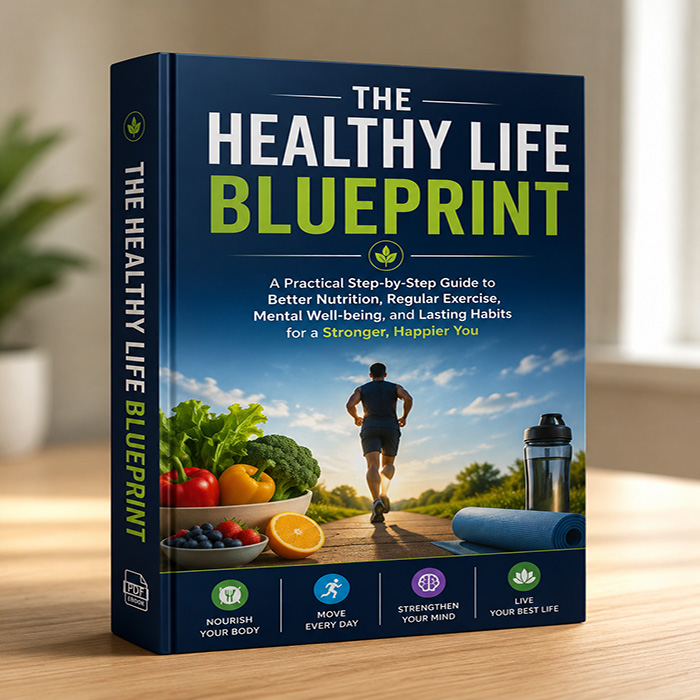
The Healthy Life Blueprint PDF: Your Complete Guide to Sustainable Wellness
Healthy Life Blueprint pdf book
Transform your daily routine and unlock your full potential with The Healthy Life Blueprint PDF, a comprehensive digital guide expertly designed to help you build better, long-lasting habits. Instead of relying on exhausting workout regimes or unsustainable crash diets, this premium wellness book provides a realistic, step-by-step roadmap to genuinely improving your overall health. Whether you are actively looking to increase your daily energy and productivity or simply want to feel more grounded, this essential guide offers actionable advice that seamlessly integrates into your busy modern lifestyle.
Taking complete control of your physical well-being has never been more straightforward or rewarding. Within these pages, you will discover proven strategies to improve your nutrition without restrictive dieting, allowing you to enjoy the foods you love while properly nourishing your body. The guide also walks you through how to create a completely customised and enjoyable fitness routine that fits your unique schedule, ensuring that staying active never feels like a chore. Furthermore, by implementing targeted techniques to optimise your evenings, you will learn exactly how to sleep better and wake up revitalised, setting an incredibly positive tone for the day ahead.
Healthy Life Blueprint pdf book
True health goes far beyond just physical fitness; it requires a strong, solid foundation of mental clarity and emotional resilience. This transformative digital book equips you with powerful, everyday tools to reduce stress and strengthen your mental well-being, helping you navigate life’s daily challenges with confidence and ease. Ultimately, you will be empowered to develop a perfectly balanced lifestyle you can maintain for life, ensuring that your personal journey to self-improvement is both highly sustainable and deeply rewarding.
| Specification | Details |
| Product Type | Comprehensive Wellness & Lifestyle Guide |
| Format | PDF – 465 pages -16 chapters |
| Core Focus Areas | Habit Building, Nutrition, Fitness, and Sleep |
| Delivery Method | Instant Digital Access |
| Primary Benefit | Sustainable health improvement without extreme restrictions |
| Language | English |
| Compatibility | Readable on all smartphones, tablets, and computers |