How to have positive energy

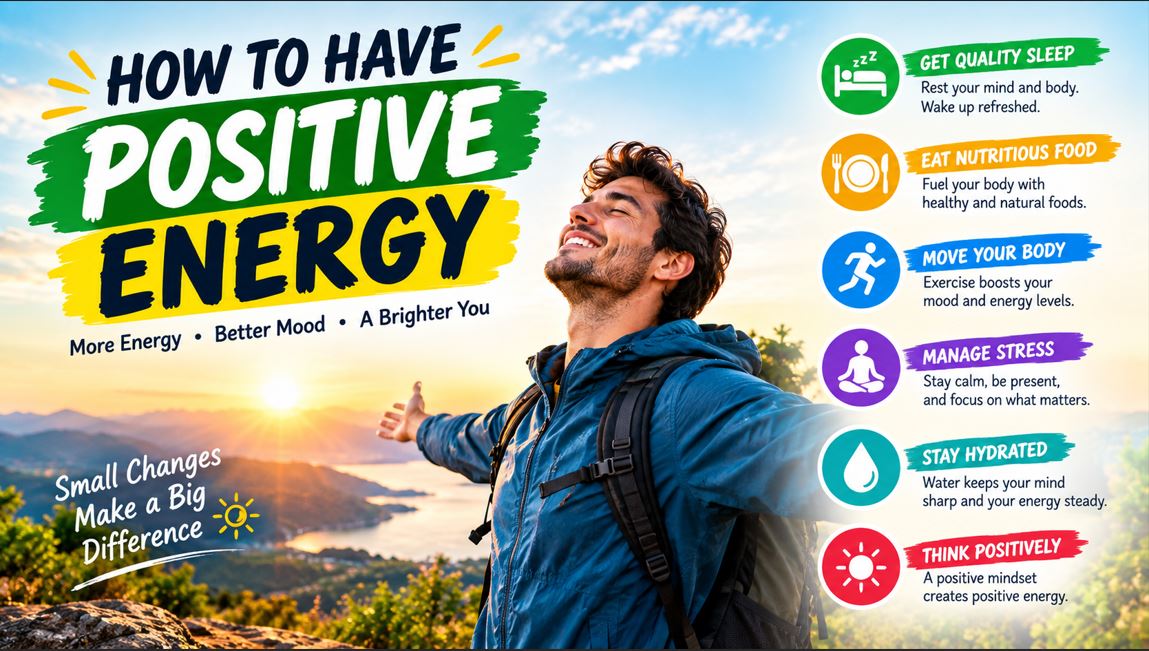
Positive energy is not about being happy every moment or ignoring difficult emotions. It is about developing habits, attitudes, and environments that help you approach life with greater optimism, motivation, calmness, and resilience. When you have positive energy, you may find it easier to handle challenges, connect with other people, stay motivated, and enjoy everyday experiences.
Learning how to have positive energy begins with understanding that your emotional state is influenced by many factors, including sleep, physical activity, relationships, self-talk, stress, environment, and daily choices. Positive energy is something that can be strengthened gradually through consistent habits rather than something that depends entirely on personality.
Understand What Positive Energy Means
Positive energy can describe a general attitude of optimism, enthusiasm, kindness, confidence, and emotional balance. It does not mean pretending that problems do not exist.
A person with positive energy can still feel sadness, frustration, disappointment, or stress. The difference is that they try to respond to difficult experiences in constructive ways rather than allowing temporary problems to define their entire outlook.
Understanding this distinction is an important first step toward learning how to have positive energy in a realistic and sustainable way.
Start Your Day With a Positive Routine
The first part of your day can influence your mindset for the hours that follow. A rushed, chaotic morning can create unnecessary stress, while a simple routine can help you begin the day with greater clarity.
Wake up at a consistent time when possible, drink some water, get natural light, move your body, and take a moment to think about your priorities.
Avoid immediately filling your mind with stressful news, notifications, or negative social media content. Give yourself time to establish a calm and intentional mindset.
Get Enough Quality Sleep
Sleep plays an important role in emotional regulation, concentration, motivation, and physical well-being. When you regularly fail to get enough quality sleep, maintaining a positive outlook can become more difficult.
Create a consistent sleep schedule, develop a relaxing bedtime routine, and make your sleeping environment comfortable and quiet.
Positive energy is much easier to maintain when your body and mind are adequately rested.
Exercise Regularly
Physical activity can be a powerful way to support mood and overall well-being. Walking, cycling, swimming, strength training, dancing, and other forms of movement can help you feel more physically active and mentally refreshed.
You do not need to perform intense workouts every day. Choose activities that you enjoy and can perform consistently.
Even a short walk can provide a useful break from sitting, screens, and stressful thoughts.
Eat Nutritious Foods
Your diet can influence your physical energy and overall well-being. A varied diet containing vegetables, fruits, whole grains, protein-rich foods, healthy fats, and adequate fluids can provide the nutrients your body needs.
Avoid relying heavily on highly processed foods and excessive amounts of added sugar to create temporary energy. Instead, focus on balanced meals that provide sustained nourishment.
Taking care of your body can make it easier to maintain the mental and emotional habits associated with positive energy.
Practice Positive Self-Talk
The way you talk to yourself can influence how you respond to challenges. Constantly telling yourself that you are incapable, unlucky, or destined to fail can reinforce negative thinking.
Replace unnecessarily harsh self-talk with realistic and constructive language.
Instead of saying, “I can never do this,” try, “This is difficult, but I can improve with practice.”
Positive self-talk should be realistic rather than fake. The goal is to encourage yourself without ignoring genuine problems.
Focus on What You Can Control
Many negative feelings come from spending too much mental energy on things that cannot be changed.
You cannot control every person’s behavior, every unexpected event, or every outcome. You can control how you prepare, how you respond, and what actions you take next.
When facing a difficult situation, ask yourself, “What is within my control right now?”
Redirecting your attention toward practical action can help create a greater sense of calm and purpose.
Practice Gratitude
Gratitude can encourage you to notice positive aspects of your life that might otherwise be overlooked.
Take a few moments each day to think about people, experiences, opportunities, or simple things that you appreciate.
You might write down a few things you are grateful for or simply pause during the day to recognize something positive.
Gratitude does not require denying problems. It is simply a way of paying attention to positive experiences alongside life’s difficulties.
Surround Yourself With Positive People
The people around you can influence your mood, attitudes, and habits. Supportive relationships can provide encouragement, laughter, perspective, and a sense of connection.
Spend time with people who respect you, encourage healthy behavior, and allow you to be yourself.
This does not mean avoiding everyone who is experiencing difficulties. It means creating a social environment that contains enough healthy and supportive interactions to balance everyday stress.
Limit Constant Exposure to Negativity
News, social media, online arguments, and negative conversations can consume a large amount of attention.
Staying informed is valuable, but constantly consuming negative content can affect your emotional state.
Set boundaries around social media and news consumption. Unfollow accounts that consistently make you feel worse, take regular breaks from your phone, and choose information sources thoughtfully.
Protecting your attention is an important part of protecting your emotional energy.
Spend Time in Nature
Spending time outdoors can provide a valuable change of environment. Walking through a park, sitting near trees, visiting a beach, or simply spending time outside can create opportunities to slow down and reset.
Combining outdoor time with movement and natural light can make the experience even more beneficial.
You do not need to travel somewhere special. Even a short daily period outdoors can become a useful part of a healthy routine.
Do Things That Give You Meaning
Positive energy often increases when your daily activities have personal meaning.
Work on goals that matter to you, develop useful skills, help other people, create something, pursue hobbies, or dedicate time to relationships that are important.
A meaningful life does not need to be dramatic. Small activities that align with your values can create a stronger sense of satisfaction and direction.
Celebrate Small Progress
Waiting until you achieve a huge goal before allowing yourself to feel proud can make the journey unnecessarily difficult.
Notice small accomplishments. Completing a task, exercising consistently, learning something new, overcoming a difficult conversation, or following through on a commitment are all meaningful forms of progress.
Recognizing these improvements can strengthen motivation and help create momentum.
Learn to Manage Stress
Stress is a normal part of life, but unmanaged stress can consume physical and emotional energy.
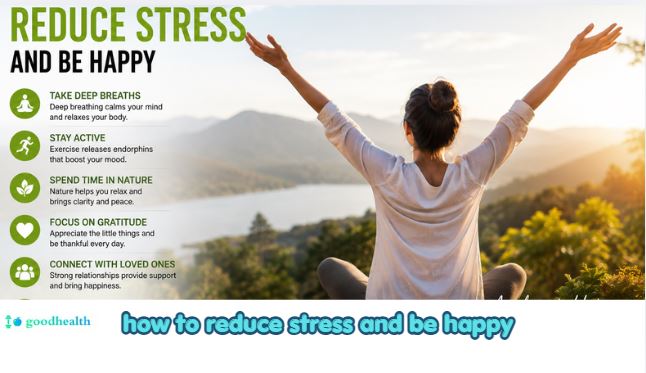
Identify practical ways to reduce stress, such as exercising, taking breaks, breathing slowly, journaling, talking with someone you trust, organizing your responsibilities, or spending time away from screens.
Do not wait until you are completely overwhelmed before taking care of your stress levels. Small recovery periods throughout the day can be useful.
Practice Mindfulness
Mindfulness means paying attention to the present moment with greater awareness. Instead of constantly replaying the past or worrying about the future, bring your attention back to what is happening now.
You can practice mindfulness while walking, eating, breathing, or performing everyday tasks.
Even a few minutes of quiet attention can create an opportunity to step away from automatic negative thinking.
Be Kind to Other People
Kindness can improve social connection and create positive interactions. Small actions such as listening carefully, expressing appreciation, helping someone, or offering encouragement can make a difference.
Positive energy is not only something you feel internally. It can also be something you create through the way you interact with other people.
When you contribute positively to someone else’s day, you may also experience a greater sense of connection and purpose.
Develop Confidence Through Action
Confidence and positive energy can reinforce each other. When you successfully complete challenges, learn new skills, or keep commitments to yourself, you build evidence that you are capable.
Do not wait until you feel completely confident before taking action. Start with manageable challenges and gradually increase them.
Each experience can help strengthen your belief that you can learn and adapt.
Avoid Constant Comparison
Comparing your life with carefully selected images of other people’s lives can create unnecessary dissatisfaction.
Other people have different circumstances, opportunities, challenges, and priorities. Their visible achievements do not show the complete picture.
Instead of constantly asking whether you are ahead or behind someone else, compare your current progress with where you were in the past.
Personal growth provides a more useful measure of progress.
Create an Inspiring Environment
Your surroundings can affect your mindset. Keep your workspace organized, add things that inspire you, and remove unnecessary sources of stress when possible.
A clean and comfortable environment can make daily activities feel more manageable.
You can also create positive reminders through books, meaningful photographs, encouraging notes, plants, music, or other personal elements that make your surroundings pleasant.
Listen to Uplifting Music
Music can influence mood and energy. Create playlists that help you feel motivated, relaxed, focused, or cheerful depending on the situation.
Use music intentionally rather than simply allowing whatever happens to be playing to determine your mood.
A favorite song during a morning walk or while completing routine tasks can add enjoyment to an otherwise ordinary moment.
Spend Less Time Complaining
Complaining occasionally is normal, and discussing genuine problems can be useful. However, constantly repeating negative thoughts without taking action can reinforce an unhelpful mindset.
When you notice yourself complaining about something, ask whether there is a practical action you can take.
If there is a solution, focus on the next step. If there is no immediate solution, consider whether continuing to think about the issue is helping you.
Build Healthy Daily Habits
Positive energy becomes easier to maintain when your lifestyle provides a strong foundation.
Prioritize sleep, regular physical activity, balanced nutrition, hydration, social connection, personal interests, and time for recovery.
You do not need to transform your entire lifestyle overnight. Start with a few practical habits and build gradually.
Small consistent changes can be more sustainable than dramatic short-term efforts.
Accept Difficult Emotions
Having positive energy does not mean forcing yourself to feel positive all the time. Difficult emotions are a normal part of life.
Allow yourself to acknowledge sadness, disappointment, anger, fear, or frustration without automatically judging yourself for experiencing them.
Emotional health involves recognizing feelings and responding to them appropriately rather than attempting to eliminate every uncomfortable emotion.
Develop a Purposeful Mindset
A sense of purpose can provide direction and motivation. Think about the values that matter most to you and how your daily actions reflect them.
Purpose can come from many areas, including family, personal growth, meaningful work, creativity, learning, helping others, or contributing to your community.
When you understand why something matters, it can become easier to remain motivated through ordinary difficulties.
Take Breaks From Technology
Constant notifications and digital stimulation can make it difficult to relax and focus.
Create periods during the day when you disconnect from your phone, computer, and social media.
Use that time to walk, read, have a conversation, stretch, cook, or simply sit quietly.
Creating space away from technology can help you reconnect with your surroundings and your own thoughts.
Practice Saying No
Taking on too many responsibilities can drain your energy. Learning to say no to unnecessary commitments can help protect your time and attention.
A respectful “no” does not make you selfish. It can simply mean that you understand your current limits.
When you create healthier boundaries, you have more energy available for the people, activities, and goals that genuinely matter.
Keep Learning
Learning new things can create curiosity and a sense of progress. Read, practice a skill, explore a new subject, take a course, or work on a creative project.
Learning can keep everyday life interesting and provide opportunities to develop confidence.
You do not need to become an expert. The process of discovering something new can itself be rewarding.
Conclusion
Learning how to have positive energy is not about being cheerful every second or pretending that life has no problems. It is about creating habits and perspectives that help you respond to life with greater optimism, balance, resilience, and intention.
Prioritize quality sleep, nutritious food, regular movement, healthy relationships, gratitude, meaningful activities, and constructive self-talk. Reduce unnecessary negativity, protect your attention, and give yourself enough time to recover from everyday stress.
Ultimately, how to have positive energy comes down to the choices you repeat each day. By taking care of your body, managing your thoughts, surrounding yourself with supportive influences, and focusing on meaningful goals, you can build a lifestyle that supports greater emotional well-being and a more positive approach to everyday life.
Frequently Asked Questions About How to Have Positive Energy
What does it mean to have positive energy?
Having positive energy generally means approaching life with greater optimism, enthusiasm, kindness, resilience, and emotional balance. It does not mean ignoring problems or feeling happy all the time.
How can I become more positive naturally?
Start with healthy foundations such as sufficient sleep, regular exercise, nutritious food, meaningful social connections, time outdoors, gratitude, and realistic positive self-talk. Small habits repeated consistently can gradually influence your overall outlook.
How can I stop negative thoughts from controlling me?
Notice negative thoughts without automatically accepting them as facts. Ask whether the thought is realistic, identify what is within your control, and redirect your attention toward a useful action or healthier perspective.
Can the people around me affect my energy?
Yes. Social environments can influence emotions, habits, and attitudes. Supportive relationships can provide encouragement and connection, while constant exposure to conflict or negativity may increase stress.
How long does it take to develop more positive energy?
There is no fixed timeline. Some habits may affect how you feel relatively quickly, while deeper changes in mindset and lifestyle can take longer. Consistency is generally more important than trying to achieve an immediate transformation.
please note
The content provided in this article is for educational and informational purposes only and should not be construed as medical, nutritional, psychological, or therapeutic advice. The advice provided may not be appropriate for everyone. The final decision regarding your health and lifestyle is yours, and we recommend that you consult with your doctor, counselor, or other health professional before making any changes or taking any action.
Staff picks
-

Emotional Advantage
€0.00 -
Healthy Life Blueprint
€0.00 -
How to break negative habits
€0.00 -
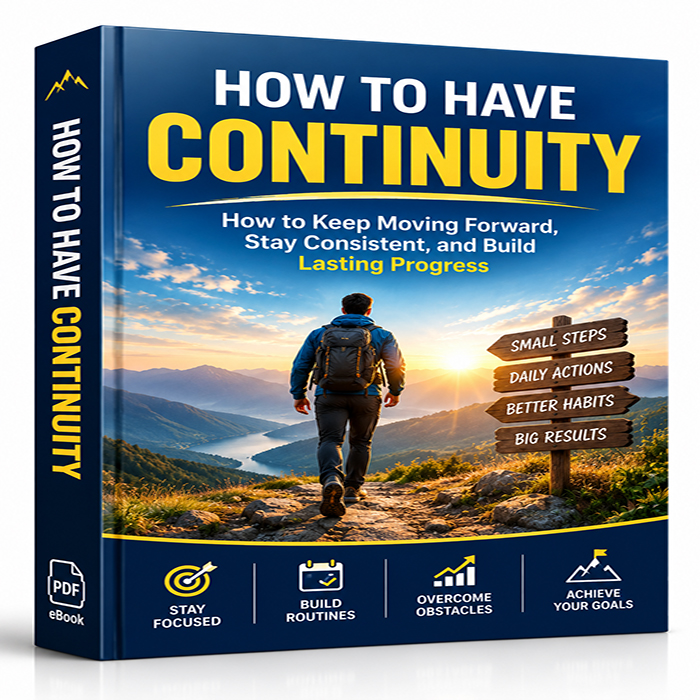
How to have continuity
Original price was: €4.90.€0.00Current price is: €0.00.