happy life tips


Finding lasting contentment in a fast-paced, modern world often feels like chasing a moving target. With constant demands on our time, energy, and attention, it is easy to become disconnected from the fundamental practices that foster genuine well-being. However, cultivating a fulfilling existence is rarely the result of a single, monumental change or a stroke of sudden luck. Instead, it is the cumulative effect of intentional daily habits, shifts in perspective, and a commitment to personal growth. Incorporating actionable happy life tips into your daily routine can transform the way you interact with your environment, navigate challenges, and build resilience. By focusing on sustainable practices rather than fleeting moments of pleasure, anyone can lay the groundwork for a deeply satisfying and balanced life.
Cultivating a Mindset Geared Toward Positivity
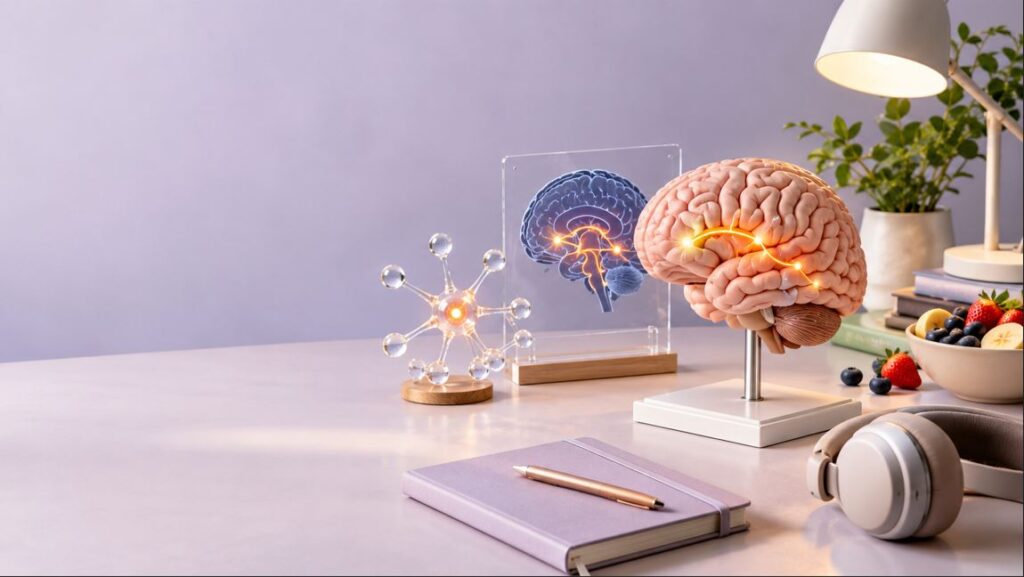
The foundation of any meaningful improvement in life satisfaction begins within the mind. The way we interpret events, process challenges, and speak to ourselves dictates our emotional reality far more than external circumstances do. Cultivating a positive mindset does not mean ignoring life’s difficulties or forcing an artificial smile when things go wrong; rather, it involves developing a resilient cognitive framework that looks for solutions and maintains hope. Neuroplasticity, the brain’s ability to reorganize itself by forming new neural connections, proves that we can literally rewire our brains to default to optimism. By consistently challenging pessimistic thought patterns and consciously replacing them with constructive alternatives, individuals can dramatically alter their baseline level of happiness over time.
One of the most effective psychological tools for shifting this baseline is the regular practice of gratitude. Taking time each day to acknowledge the positive aspects of life, no matter how small, has been scientifically shown to lower cortisol levels, improve sleep quality, and reduce symptoms of depression. This practice shifts the brain’s focus away from what is lacking and redirects it toward abundance. Whether through maintaining a dedicated gratitude journal or simply taking a mental inventory during a morning commute, consistently recognizing the good creates a buffer against the inevitable stressors of daily living. It grounds individuals in the present moment, fostering a profound sense of appreciation for the ordinary.
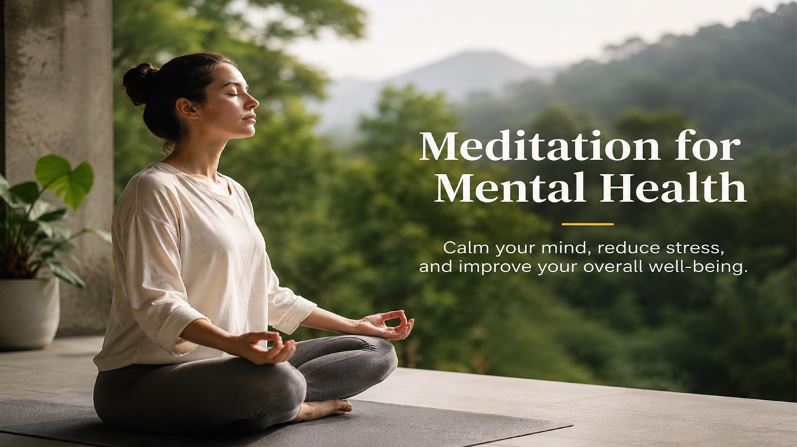
Mindfulness further reinforces this positive mental architecture by training the brain to anchor itself in the present. Much of human anxiety is rooted in anticipating future catastrophes, while depression often stems from ruminating on past regrets. Mindfulness techniques, such as focused breathing or mindful observation, interrupt these unhelpful cognitive loops. When you train yourself to experience the current moment without judgment, you reduce the emotional reactivity that often leads to prolonged stress. This heightened state of awareness allows you to respond to life’s friction with clarity and calm, making it one of the most vital strategies for sustaining long-term emotional well-being.
Nurturing Meaningful Relationships and Social Connections
Human beings are inherently social creatures, and the quality of our relationships is consistently cited by psychologists as one of the strongest predictors of lifelong happiness. Decades of observational research, including the renowned Harvard Study of Adult Development, have demonstrated that deep, trusting connections protect our brains and bodies from the ravages of aging and stress. Building a supportive social network goes beyond accumulating a large number of acquaintances; it is about cultivating spaces where you feel seen, understood, and valued. Investing time and emotional energy into family, friends, and community members creates a vital safety net that makes navigating life’s inevitable hardships significantly easier.
In the pursuit of better relationships, prioritizing quality over quantity is paramount. A few close confidants with whom you can be entirely vulnerable will always provide more emotional sustenance than a vast network of superficial connections. Nurturing these high-quality relationships requires active listening, empathy, and a willingness to be present. It means putting away distractions during conversations, validating the feelings of others, and showing up reliably during both celebrations and crises. When you invest deeply in the well-being of those around you, you generate a reciprocal cycle of support and affection that profoundly enhances your own life satisfaction.
Equally important to forging strong bonds is the ability to establish and maintain healthy boundaries. While connection is vital, surrounding yourself with individuals who constantly drain your energy or disrespect your values can be deeply detrimental to your mental health. Learning to say no, protecting your personal time, and recognizing when a relationship is no longer mutually beneficial are crucial skills for emotional self-preservation. Setting boundaries is not an act of selfishness; it is an act of self-respect that ensures you have the necessary emotional bandwidth to invest in the relationships that genuinely enrich your life.
Prioritizing Physical Health to Boost Mental Well-being
The division between mind and body is a biological illusion; the two are intricately connected, with the health of one directly influencing the state of the other. Attempting to improve mental health without addressing physical vitality is often a frustrating and futile endeavor. Chronic physical discomfort, lethargy, and poor physiological functioning cast a long, dark shadow over emotional well-being. Conversely, treating the body with respect through proper movement, nutrition, and rest creates an optimal internal environment for happiness to thrive.
The Role of Regular Physical Activity
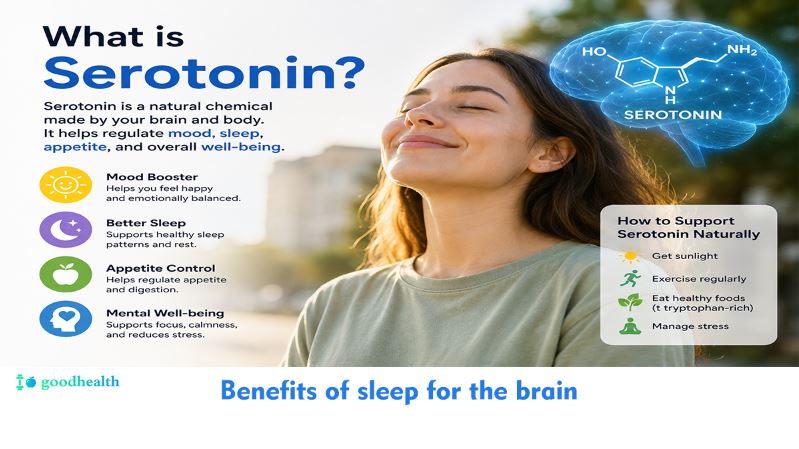
Engaging in regular physical exercise is arguably the most potent, non-pharmacological intervention available for improving mood and reducing anxiety. When you exercise, your body releases a cascade of neurochemicals, including endorphins, serotonin, and dopamine, which act as natural mood elevators and painkillers. You do not need to train for a marathon to reap these benefits; finding an activity you genuinely enjoy—whether it is brisk walking, swimming, dancing, or cycling—ensures that movement becomes a sustainable, joyful part of your routine rather than a dreaded chore. Consistency in physical activity builds physical resilience, which directly translates into greater mental fortitude.
Fueling Your Body with Optimal Nutrition
The food you consume serves as the direct building blocks for your brain chemistry. Diets high in refined sugars and highly processed foods have been repeatedly linked to erratic energy crashes, brain fog, and an increased risk of mood disorders. In contrast, a diet rich in whole foods, lean proteins, healthy fats, and complex carbohydrates stabilizes blood sugar and provides the essential nutrients required for optimal cognitive function. The gut-brain axis, a complex communication network linking the enteric nervous system to the brain, highlights how a healthy microbiome—supported by fibrous, nutrient-dense foods—plays a critical role in regulating emotions and managing stress responses.
The Critical Importance of Restorative Sleep
Perhaps the most overlooked pillar of health is restorative sleep. During deep sleep cycles, the brain actively clears out metabolic waste products and consolidates memories, while the body repairs cellular damage. Chronic sleep deprivation compromises executive function, impairs emotional regulation, and severely diminishes the capacity to cope with daily stressors. Prioritizing a consistent sleep schedule, optimizing your bedroom environment for darkness and cool temperatures, and avoiding stimulating screens before bedtime are non-negotiable practices for anyone serious about improving their overall quality of life.

Finding Purpose and Pursuing Personal Growth
Psychologists often distinguish between hedonic happiness, which is derived from pleasure and the avoidance of pain, and eudaimonic happiness, which stems from meaning and self-realization. While hedonic pleasures are enjoyable, they are intrinsically fleeting. Eudaimonic happiness, however, provides a deep, enduring sense of fulfillment that persists even through challenging circumstances. Finding purpose does not necessarily require a grand, world-changing mission; it simply requires aligning your daily actions with your core personal values. When you engage in activities that feel intrinsically valuable and meaningful to you, whether through your career, creative hobbies, or volunteer work, you cultivate a robust sense of identity and self-worth.
Identifying your core values is the first step toward living a purpose-driven life. This requires deep introspection to determine what principles matter most to you—be it creativity, compassion, autonomy, knowledge, or community. Once these values are clearly defined, you can begin to evaluate your current lifestyle and make intentional adjustments to ensure your time and energy are being spent in ways that honor those principles. Living in alignment with your values eliminates internal friction and creates a powerful sense of congruence, where your external life accurately reflects your internal beliefs.
Pursuing continuous personal growth is another vital component of eudaimonic well-being. The human brain craves novelty and mastery. Setting realistic, intrinsic goals and actively working to develop new skills keeps the mind engaged and fosters a sense of competence and agency. This might involve learning a new language, mastering a musical instrument, or reading extensively on an unfamiliar subject. Stepping out of your comfort zone to embrace new challenges not only broadens your perspective but also builds self-efficacy, reinforcing the belief that you are capable of navigating an ever-changing world.
Designing an Environment That Supports Joy
Our physical surroundings exert a profound, often subconscious, influence on our psychological state. A cluttered, chaotic environment constantly signals to the brain that work is undone, elevating cortisol levels and contributing to a persistent sense of low-grade anxiety. Conversely, a well-organized, aesthetically pleasing space can serve as a sanctuary that promotes relaxation and mental clarity. Taking control of your environment is a highly practical step in enhancing your daily experience. Decluttering physical spaces, establishing organized systems for daily tasks, and curating your surroundings with objects that evoke positive memories or inspiration can immediately elevate your baseline mood.
Incorporating elements of the natural world into your living and working spaces is another proven strategy for reducing stress and enhancing cognitive function. The concept of biophilia suggests that humans possess an innate tendency to seek connections with nature and other forms of life. Maximizing natural light, adding indoor plants, or even incorporating natural materials like wood and stone into your decor can subtly improve your emotional state. Furthermore, spending time outdoors in green spaces has been consistently linked to reduced blood pressure, lowered stress hormones, and an overall improvement in psychological well-being.
In the modern era, managing our digital environment is just as crucial as managing our physical spaces. The constant barrage of notifications, the pressure of social media comparison, and the endless scroll of negative news uniquely contribute to modern psychological distress. Creating digital boundaries—such as designating tech-free zones in your home, turning off non-essential notifications, and intentionally limiting screen time—allows your nervous system to power down. Curating your digital feed to follow uplifting, educational, or inspiring content ensures that the time you do spend online contributes positively to your mindset rather than detracting from your peace.
Mastering the Art of Emotional Regulation
A common misconception about a happy life is the belief that it requires the complete absence of negative emotions. In reality, a rich, fulfilling life encompasses the entire spectrum of human emotion, including sadness, anger, frustration, and grief. The key to sustainable well-being lies not in avoiding these difficult feelings, but in developing the capacity to process and regulate them effectively. Emotional regulation involves observing your feelings without immediate reaction, understanding their underlying triggers, and choosing a constructive response. Suppressing negative emotions only causes them to manifest physically or erupt disproportionately later on.
Developing healthy coping mechanisms is essential for navigating life’s inevitable setbacks. When faced with stress, individuals often default to maladaptive behaviors, such as emotional eating, substance abuse, or chronic procrastination, which offer temporary relief but long-term harm. Replacing these with adaptive coping strategies—such as journaling, physical exertion, deep breathing exercises, or speaking with a trusted friend or therapist—allows you to process emotional pain in a way that facilitates healing and growth. Learning to sit with discomfort, rather than immediately seeking an escape, is a hallmark of profound emotional maturity.
This emotional mastery ultimately builds resilience, the psychological armor that allows you to bounce back from adversity. Resilient individuals view failures not as permanent character flaws, but as temporary setbacks and valuable learning opportunities. They maintain a realistic but hopeful outlook, understanding that while they cannot control every circumstance, they maintain absolute control over their response. By viewing challenges through a lens of growth rather than victimization, you empower yourself to extract wisdom from hardship, continuously strengthening your capacity to thrive in an unpredictable world.
Building Sustainable Daily Routines for Long-Term Contentment
Translating these overarching concepts into a tangible reality requires the establishment of sustainable daily routines. Motivation is notoriously unreliable, fluctuating with your energy levels, circumstances, and moods. Habits, however, are deeply ingrained neurological pathways that operate largely on autopilot. By intentionally designing morning and evening routines that incorporate effective happy life tips, you bypass the need for constant willpower. A well-crafted morning routine sets a proactive, grounded tone for the day, while an evening routine signals to the body that it is time to decompress, ensuring you transition smoothly into restorative rest.
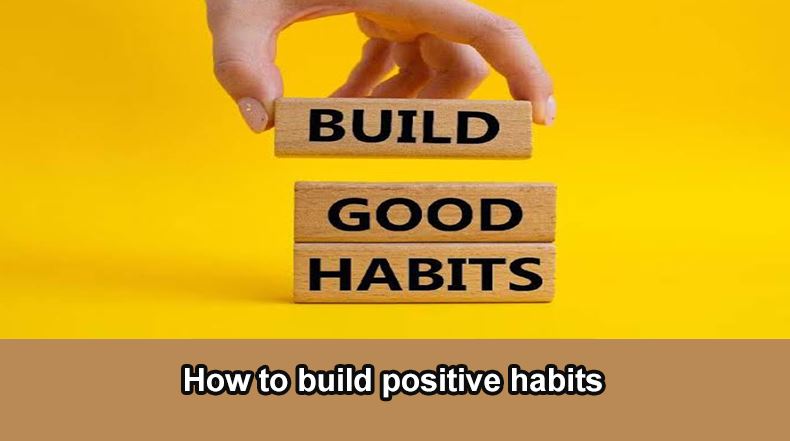
The most successful routines are not rigid or overly ambitious; they are flexible frameworks designed to support your foundational needs. Integrating small, positive habits—like drinking a glass of water upon waking, reading for fifteen minutes, or engaging in a brief stretching session—creates a cascading effect of positive momentum. Over time, these micro-habits compound, fundamentally altering the trajectory of your health and happiness. It is the consistency of these small actions, applied diligently over months and years, that yields the most profound transformations.
Ultimately, achieving a higher quality of life is an ongoing process of refinement and self-discovery. It requires paying close attention to what genuinely nourishes your mind and body, and having the courage to eliminate the habits, environments, and mindsets that no longer serve you. By committing to continuous learning, prioritizing holistic health, and deliberately cultivating a supportive internal and external environment, you optimize your capacity for joy. True life satisfaction is found in the deliberate, daily practice of aligning your habits with your highest values, ensuring that your pursuit of well-being is both intentional and enduring.
How can I start living a happier life today?
You can instantly boost your mood by writing down three things you are grateful for, taking a short walk outside, or calling a close friend.
What are the most effective daily habits for lasting happiness?
Prioritizing seven to eight hours of sleep, staying physically active, and dedicating time to disconnect from screens are proven foundations for a joyful routine.
Is it really possible to be truly happy while living alone?
Absolutely, cultivating joy in your own company through personal hobbies, deep self-discovery, and intentional self-care is a powerful path to independent happiness.
Why does it feel so overwhelmingly difficult to just be happy?
Burnout from constant work, comparing your behind-the-scenes life to everyone else’s social media highlights, and neglecting your mental health can easily drain your natural joy.
Do I actually need to make a lot of money to secure a happy life?
While having enough money to cover your basic needs reduces stress significantly, true fulfillment is driven by meaningful relationships and personal purpose rather than endless wealth.
Please note
The content provided in this article is for educational and informational purposes only and should not be construed as medical, nutritional, or therapeutic advice. The recommendations provided may not be appropriate for everyone. The final decision regarding your health and lifestyle is yours, and we recommend that you consult with your doctor or other health professional before making any changes or taking any action.