benefits of positive thinking

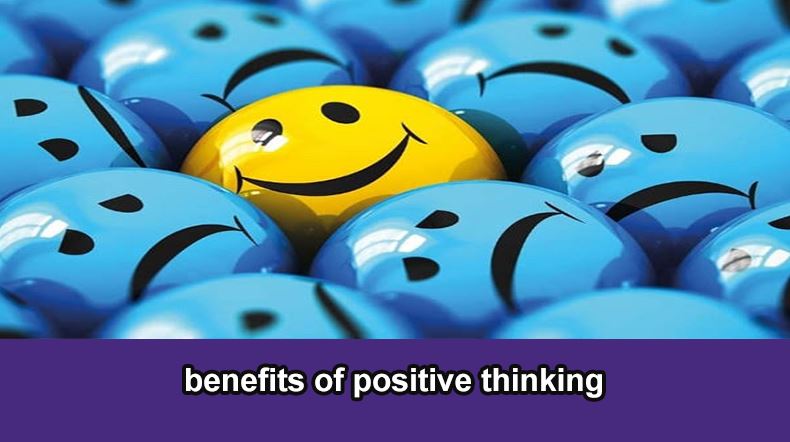
Cultivating a genuinely optimistic outlook is far more than a fleeting emotional state or a popular self-help cliché. The true benefits of positive thinking extend deeply into the realms of behavioral psychology, systemic physical health, and overall life satisfaction. When individuals intentionally shift their perspective to focus on the constructive aspects of their circumstances, they trigger a cascade of neurological and physiological responses that fundamentally alter how they experience the world. Rather than ignoring life’s inevitable challenges, an optimistic mindset equips individuals with the mental fortitude required to navigate adversity with grace and resilience. This deliberate cognitive shift transforms formidable obstacles into manageable hurdles, reshaping everything from cardiovascular health to long-term professional success. By understanding the profound and scientifically documented impacts of optimism, anyone can begin to harness its power to build a more fulfilling, balanced, and vibrant life.
The Psychological Impact of an Optimistic Mindset
The mind is an incredibly powerful engine, and the quality of the thoughts it processes directly influences a person’s psychological well-being. One of the most immediate benefits of positive thinking is a significant reduction in psychological stress. When faced with a stressful situation, a pessimistic brain interprets the event as a severe threat, triggering the body’s fight-or-flight response and flooding the system with cortisol. Conversely, a positive thinker is more likely to view the same event as a challenge rather than an insurmountable threat. This subtle shift in perception prevents the overactivation of the stress response, allowing the individual to maintain emotional equilibrium and process the situation with a clear, rational mind.
Furthermore, maintaining a constructive outlook builds exceptional emotional resilience. Resilience is the psychological armor that allows people to bounce back from failure, grief, and disappointment. Optimistic individuals are not immune to sadness or frustration; however, their foundational belief that circumstances can and will improve prevents them from spiraling into despair. They are adept at compartmentalizing negative events, recognizing them as temporary and specific rather than permanent and pervasive. This psychological flexibility is crucial for maintaining long-term mental health and preventing the onset of chronic anxiety and depression.
Beyond stress management and resilience, positive thinking enhances overall cognitive function. Research in cognitive psychology indicates that a positive mood broadens an individual’s sense of possibility and opens the mind to new ideas. When the brain is not bogged down by chronic worry and defensive mechanisms, it functions at a higher capacity. Problem-solving skills become more acute, creativity flourishes, and the ability to absorb and retain new information improves. By cultivating optimism, individuals essentially optimize their brain’s processing power, allowing them to approach complex problems with innovative and effective solutions.
Remarkable Physical Health Advantages
The connection between the mind and the physical body is undeniable, and the physiological benefits of positive thinking are well-documented within the medical community. The field of psychoneuroimmunology studies exactly how our mental state impacts our nervous and immune systems, revealing that an optimistic outlook acts as a powerful catalyst for physical health. People who consistently engage in positive thinking tend to experience lower levels of systemic inflammation, which is a known precursor to a wide variety of chronic illnesses. By keeping stress hormones at bay, the body can divert its energy toward cellular repair, digestion, and maintaining a robust biological defense system.
One of the most striking physical advantages of optimism is its impact on the immune system. Studies consistently show that individuals with a positive disposition are less susceptible to common infections, such as the cold or flu. Furthermore, when optimistic individuals do fall ill, they tend to recover much faster than their pessimistic counterparts. This enhanced immune response is directly tied to the reduction of stress hormones, which are notorious for suppressing immune function. By maintaining a hopeful outlook, individuals provide their immune system with the optimal environment it needs to ward off pathogens and maintain overall vitality.
Additionally, positive thinking is closely linked to longevity and a delayed aging process. The cumulative effect of lower stress, better immune function, and healthier lifestyle choices—which optimists are statistically more likely to make—contributes to a longer lifespan. Optimistic people are more prone to engage in regular physical exercise, adhere to nutritious diets, and avoid detrimental habits such as smoking or excessive alcohol consumption. This proactive approach to physical health, driven by a foundational belief in a positive future, creates a virtuous cycle of wellness that extends well into old age.
The Connection to Cardiovascular Wellness
The cardiovascular system is particularly sensitive to psychological states, making heart health one of the major beneficiaries of an optimistic mindset. Chronic stress and pervasive negative emotions are heavily correlated with high blood pressure, arterial plaque buildup, and an increased risk of coronary heart disease. When a person adopts a positive outlook, their resting heart rate tends to be lower, and their blood vessels remain more relaxed. Over time, this drastically reduces the wear and tear on the cardiovascular system, protecting the heart against premature aging and severe cardiac events.
Transforming Professional Trajectories Through Optimism
In the professional arena, the benefits of positive thinking translate into tangible career advancement and superior workplace performance. Employees and leaders who approach their work with optimism are generally more engaged, motivated, and productive. They view difficult projects not as burdensome obligations, but as opportunities to showcase their skills and learn new competencies. This enthusiastic approach naturally sets them apart in competitive corporate environments. Managers and executives frequently seek out optimistic individuals for promotions because they inject energy into their teams and maintain morale during challenging fiscal quarters or complex organizational transitions.
Optimism also plays a critical role in fostering effective leadership. A leader who embodies positive thinking inspires confidence and trust among their subordinates. When a team faces a setback, an optimistic leader does not assign blame or dwell on the failure; instead, they focus on actionable solutions and the lessons learned. This forward-thinking approach cultivates a psychologically safe work environment where employees feel comfortable taking calculated risks and voicing innovative ideas. Consequently, teams led by positive individuals consistently outperform those managed through fear or pessimism, demonstrating higher rates of retention and overall job satisfaction.
Furthermore, a positive mindset drastically improves an individual’s ability to navigate workplace politics and interpersonal dynamics. Professional environments are inherently collaborative, and success often depends on one’s ability to work harmoniously with diverse personalities. Optimistic professionals tend to give their colleagues the benefit of the doubt, assuming positive intent rather than jumping to defensive conclusions. This collaborative spirit minimizes workplace friction, streamlines project execution, and builds a robust professional network based on mutual respect and shared goals.
Strengthening Social Bonds and Personal Relationships
Human beings are inherently social creatures, and the quality of our relationships heavily dictates our overall happiness. The benefits of positive thinking profoundly influence how we interact with romantic partners, family members, and friends. Optimistic people naturally emit a welcoming and warm energy that attracts others to them. Because they focus on the good in people and situations, they are generally more pleasant to be around. This magnetic quality helps positive individuals forge deep, meaningful connections and maintain a robust social support network, which is itself a critical component of lifelong mental health.
In the context of romantic and familial relationships, a positive mindset is vital for healthy conflict resolution. Disagreements are inevitable in any close relationship, but how those disagreements are handled makes all the difference. An optimistic partner approaches a conflict with the belief that a mutually beneficial resolution can be reached. They are less likely to engage in destructive behaviors such as holding grudges, delivering harsh criticisms, or exhibiting defensiveness. Instead, they utilize empathetic listening and constructive communication, viewing the argument as a hurdle for the relationship to overcome together rather than a battle to be won.
Moreover, the ripple effect of positive thinking within a household or friend group cannot be understated. Optimism is highly contagious. When one individual consistently demonstrates gratitude, patience, and a hopeful outlook, it naturally influences the emotional baseline of those around them. This shared positivity creates a supportive environment where all members feel valued and encouraged. By consciously choosing optimism, individuals not only improve their own relational satisfaction but also actively contribute to the emotional well-being of the people they care about most.
The Role of Cognitive Reframing in Daily Life
To fully harvest the benefits of positive thinking, one must move beyond the superficial concept of “toxic positivity” and embrace the psychological practice of cognitive reframing. Toxic positivity demands that individuals suppress negative emotions and paste a fake smile over genuine distress, which is ultimately harmful. Cognitive reframing, however, acknowledges the reality of a difficult situation while actively choosing to interpret it in a more constructive light. It is the conscious decision to identify the silver lining or the potential for growth embedded within a hardship, without invalidating the pain or frustration the hardship causes.
Practicing cognitive reframing requires a high degree of self-awareness. When a setback occurs, the brain’s default mechanism is often to catastrophize—to assume the absolute worst possible outcome. An individual practiced in positive thinking will catch this automatic negative thought and deliberately challenge it. They will ask themselves for objective evidence supporting their fears and then actively search for alternative, more neutral or positive interpretations. By repeatedly exercising this mental muscle, the brain begins to rewire itself, making the optimistic interpretation the new default pathway over time.
This proactive approach to mental processing yields incredible dividends during major life transitions or crises. Whether dealing with a job loss, a medical diagnosis, or a significant life change, cognitive reframing allows individuals to maintain their agency. Instead of feeling like a helpless victim of circumstance, they become active participants in their recovery and adaptation. They focus on the elements of the situation they can control, letting go of what they cannot, which preserves their mental energy and propels them forward toward a brighter future.
Mastering the Inner Dialogue
The foundation of cognitive reframing lies in mastering one’s inner dialogue. The way individuals speak to themselves in the privacy of their own minds dictates their external reality. Transforming a harsh, critical inner voice into a supportive, encouraging one is essential. By treating oneself with the same compassion and understanding that one would offer a close friend, the individual cultivates an internal environment where optimism can take root and flourish organically.
Sustainable Strategies for Cultivating Positivity
Understanding the myriad benefits of positive thinking is only the first step; actively integrating this mindset into daily life requires consistent practice and intentional strategies. One of the most effective methods for cultivating lasting optimism is the daily practice of gratitude. Taking time each day to reflect on and document specific things to be thankful for trains the brain to actively scan the environment for positive stimuli. Over time, this gratitude practice shifts the individual’s baseline perspective, making them more attuned to the abundance in their life rather than their perceived deficits.
Another crucial strategy is the mindful curation of one’s environment and media consumption. The human brain is highly susceptible to external influences. Constantly consuming sensationalized negative news or surrounding oneself with chronic complainers will inevitably drag down one’s mental state. To maintain an optimistic outlook, individuals must set healthy boundaries. This involves seeking out uplifting content, engaging in hobbies that spark joy, and intentionally spending time with supportive, forward-thinking people who inspire growth and positivity.
Finally, integrating physical mindfulness practices into daily routines heavily supports an optimistic mindset. Techniques such as deep breathing exercises, meditation, and yoga help to regulate the nervous system and anchor the mind in the present moment. Much of human anxiety and pessimism stems from dwelling on past mistakes or projecting fear into the future. Mindfulness trains the individual to appreciate the current moment, dramatically reducing stress and creating the mental clarity necessary to maintain a consistently positive and constructive outlook on life.
The Lifelong Impact of a Constructive Outlook
The continuous practice of optimism fundamentally reshapes the trajectory of an individual’s life. The compounding benefits of positive thinking touch every conceivable metric of human well-being, from the robust health of the cardiovascular system to the depth of personal relationships and the heights of career success. By refusing to let setbacks define their reality, optimistic individuals unlock an elevated level of mental resilience and emotional intelligence. They navigate the complexities of the modern world not with naive ignorance, but with a powerful, grounded belief in their ability to overcome challenges and generate meaningful outcomes.
Committing to an optimistic mindset is a profound investment in one’s future health and happiness. It requires discipline to challenge automatic negative thoughts and the courage to find growth in moments of discomfort. However, the psychological, physiological, and social rewards far outweigh the effort required to make this cognitive shift. Embracing a positive perspective ensures that individuals do not merely survive their circumstances, but genuinely thrive, building a legacy of resilience, achievement, and profound personal fulfillment that lasts a lifetime.
Does positive thinking actually improve physical health?
Yes, studies show that an optimistic mindset can lower your blood pressure, reduce your risk of heart disease, and strengthen your immune system.
How can I start thinking positively when I naturally lean towards pessimism?
You can start by practicing daily gratitude, reframing negative self-talk into constructive thoughts, and surrounding yourself with supportive people.
Will positive thinking help me manage my daily stress and anxiety?
Focusing on the positive helps lower your body’s cortisol levels, allowing you to approach stressful situations with a calmer and clearer mind.
Can being optimistic really make me live a longer life?
Research suggests that optimists tend to have a longer lifespan because they cope better with stress and are more likely to maintain healthy lifestyle habits.
Is positive thinking the same thing as ignoring my problems?
Not at all; true positive thinking is about approaching difficult situations proactively and looking for solutions rather than pretending the problems don’t exist.
Please note
The content provided in this article is for educational and informational purposes only and should not be construed as medical, nutritional, or therapeutic advice. The recommendations provided may not be appropriate for everyone. The final decision regarding your health and lifestyle is yours, and we recommend that you consult with your doctor or other health professional before making any changes or taking any action.