meditation for mental health

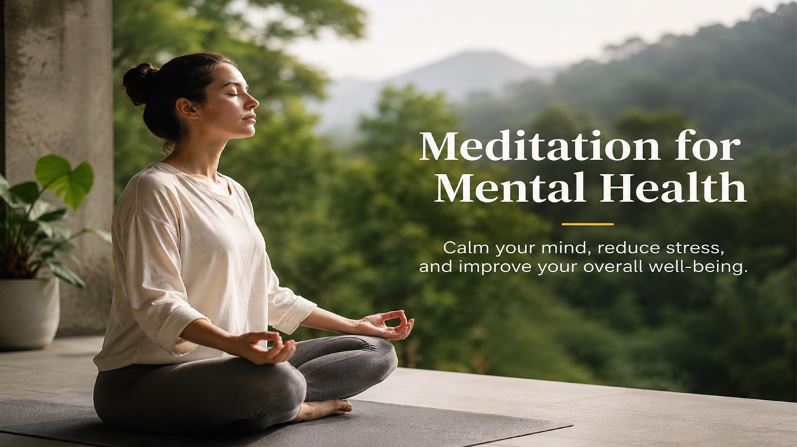
In recent years, the intersection of ancient contemplative practices and modern clinical psychology has transformed how we approach emotional and cognitive well-being. Using meditation for mental health is no longer viewed simply as an alternative wellness trend, but rather as a foundational pillar of psychological care supported by extensive neuroscientific research. As daily stressors multiply and the pace of modern life accelerates, the human brain is frequently pushed into states of chronic fight-or-flight, leading to a surge in anxiety, depression, and widespread burnout. By purposefully directing attention and cultivating a non-judgmental awareness of the present moment, individuals can actively rewire their neurological pathways. This practice offers a structured methodology for untangling complex emotions, calming an overactive nervous system, and building long-term psychological resilience that buffers against the inevitable challenges of daily life.
Understanding the Connection Between Meditation and Mental Wellness
The human nervous system is intrinsically designed to detect and respond to threats, a biological mechanism that was highly beneficial for our ancestors but often maladaptive in the modern world. When confronted with everyday stressors, from workplace pressures to interpersonal conflicts, the brain triggers the release of cortisol and adrenaline. Chronic exposure to these stress hormones leads to structural changes in the brain, heightening emotional reactivity and degrading cognitive function. Meditation acts as a direct intervention against this physiological cascade, stimulating the parasympathetic nervous system, often referred to as the rest-and-digest state, which actively lowers heart rate, reduces blood pressure, and halts the overproduction of stress chemicals.
Beyond mere physiological relaxation, implementing meditation for mental health fosters profound shifts in cognitive processing through a mechanism known as neuroplasticity. Neuroplasticity is the brain’s inherent ability to reorganize itself by forming new neural connections throughout life. When a person sits in meditation and practices returning their focus to a chosen anchor, such as the breath, they are essentially performing repetitions in a mental gym. Over time, these repetitions strengthen the neural circuits responsible for sustained attention and emotional regulation, making it physically easier for the brain to default to a state of calm rather than a state of panic when confronted with a trigger.
Furthermore, this practice encourages a fundamental shift in how individuals relate to their own internal experiences. Many psychological struggles stem from our innate tendency to either suppress uncomfortable emotions or become completely overwhelmed by them. Meditation introduces a vital space between a stimulus and our response to it. By observing thoughts as passing mental events rather than absolute truths or immediate calls to action, practitioners develop a cognitive distance that significantly reduces the emotional charge of negative thinking patterns.
Key Psychological Benefits of Regular Meditation Practice
One of the most documented advantages of maintaining a consistent meditation routine is the significant reduction in clinical anxiety and generalized chronic worry. Anxiety often thrives on rumination about the past or catastrophic predictions regarding the future. Because meditation fundamentally requires the practitioner to anchor their awareness in the present moment, it starves anxiety of the hypothetical scenarios it needs to survive. Clinical studies have consistently shown that mindfulness-based interventions can rival traditional pharmaceuticals in reducing symptoms of generalized anxiety disorder, offering a sustainable coping mechanism without the side effects often associated with heavy medication.
In the context of depression management, meditation provides a vital tool for interrupting the downward spiral of negative self-talk. Major depressive episodes are frequently characterized by a persistent inner critic and feelings of intense worthlessness. Mindfulness-Based Cognitive Therapy (MBCT), a specialized clinical framework that merges traditional cognitive therapy with meditative practices, has proven highly effective in preventing depression relapse. Through meditation, individuals learn to recognize the early warning signs of a depressive mood shift, acknowledging the heavy emotions without allowing them to dictate their self-worth or behavioral choices.
Additionally, consistent meditative practice deeply enhances overall emotional regulation and psychological hardiness. Life will inevitably present situations that provoke anger, sadness, or frustration. Meditation does not promise the eradication of these deeply human emotions; rather, it changes the duration and intensity of the emotional response. Practitioners often report that while they still experience intense feelings, they are able to process them more swiftly and return to a baseline state of equilibrium much faster than they could prior to establishing their practice.
The Role of Mindfulness in Emotional Regulation
Emotional regulation relies heavily on the ability to observe one’s internal landscape with profound objectivity. When practicing mindfulness, a core component of many meditative traditions, the goal is not to clear the mind of all thoughts, but to notice whatever arises with an attitude of gentle curiosity. This non-judgmental observation prevents the compounding of secondary emotions, such as feeling angry about being anxious, which often exacerbates the original psychological distress.
By intentionally sitting with discomfort rather than immediately trying to fix or escape it, individuals build a high tolerance for emotional distress. This capability translates directly into everyday life, allowing people to navigate difficult conversations, complex workplace dynamics, and relationship conflicts with a grounded presence rather than a reactive, defensive posture.
Exploring Different Types of Meditation for Psychological Well-being
Mindfulness meditation is perhaps the most widely researched and accessible form of contemplative practice utilized in clinical settings today. Rooted in traditional Vipassana teachings, mindfulness involves paying close attention to the present moment, typically using the sensation of the breath or the physical body as an anchor. When the mind inevitably wanders into planning, remembering, or worrying, the practitioner simply notices this diversion and gently guides their attention back to the present. This ongoing process of losing focus and returning it is the precise mechanism that builds cognitive resilience and mental clarity.
Transcendental Meditation, often referred to as TM, offers a different pathway to psychological relief. Unlike mindfulness, which requires active present-moment awareness, TM relies on the silent repetition of a specific mantra to help the mind settle into a state of profound, restful alertness. Research indicates that this specific technique is particularly highly effective for reducing severe stress and symptoms of post-traumatic stress disorder. The deep physiological rest achieved during a TM session allows the nervous system to process and release deeply rooted tensions that contribute to chronic mental health struggles.
Loving-kindness meditation, also known as Metta, is uniquely positioned to address issues of low self-esteem, intense self-criticism, and social isolation. This practice involves silently repeating phrases that direct goodwill and compassion toward oneself, loved ones, neutral acquaintances, and eventually, difficult people. For individuals battling depression or recovering from trauma, the internal dialogue is often harsh and unforgiving. Loving-kindness systematically rewires these deeply entrenched patterns of self-loathing, fostering a warm, empathetic internal environment that is crucial for profound emotional healing.
Body scan meditation is another powerful modality, particularly effective for those who experience the physical manifestations of anxiety and trauma. Mental distress is rarely confined to the brain; it often takes up residence in the body as chronic muscle tension, digestive issues, or localized pain. A body scan requires sweeping one’s attention systematically from the toes to the crown of the head, noticing physical sensations without trying to change them. This practice helps individuals reconnect with their physical forms, releasing somatic stress and grounding an anxious mind in the tangible reality of the physical body.
Choosing the Right Practice for Specific Cognitive Needs
Because mental health conditions present differently in every individual, the most effective meditation style will vary depending on a person’s specific psychological symptoms and cognitive tendencies. An individual suffering from severe generalized anxiety might find the unstructured nature of open-awareness mindfulness overwhelming at first, benefiting much more from the highly structured, grounding nature of a guided body scan or mantra repetition. Conversely, someone struggling with apathy or a lack of connection might find profound benefit in the heart-centered approach of loving-kindness practice.
The key to utilizing meditation for mental health effectively is a willingness to experiment with different modalities without self-judgment. Establishing a practice should never become another source of stress or an arena for perfectionism. If one style feels excessively frustrating or triggering, it is entirely appropriate to pivot to a different technique that feels more supportive and aligned with the practitioner’s current emotional capacity.
The Neurological Science Behind Meditation and Brain Function
The assertion that meditation improves psychological well-being is heavily substantiated by functional magnetic resonance imaging (fMRI) studies demonstrating tangible structural changes in the brain. One of the most significant findings in contemplative neuroscience is the effect of meditation on the amygdala, the brain’s primal fear and emotion center. Regular practitioners exhibit a physical decrease in the gray matter density of the amygdala, which correlates directly with a reduction in perceived stress levels. As the amygdala shrinks in reactivity, individuals become far less prone to emotional hijacking and disproportionate panic responses.
Simultaneously, meditation has been shown to increase the thickness of the prefrontal cortex, the evolutionary advanced region of the brain responsible for higher-order cognitive functions such as rational decision-making, problem-solving, and emotional regulation. In a healthy brain, the prefrontal cortex acts as a regulatory brake on the impulsive, fear-based signals originating from the amygdala. By strengthening this specific cortical region, meditation enhances an individual’s ability to remain rational, calm, and objective even when faced with highly stressful environmental stimuli.
Furthermore, meditative practices exert a profound regulatory effect on the Default Mode Network (DMN). The DMN is a network of interacting brain regions that becomes highly active when our minds are wandering, daydreaming, or engaged in self-referential thought. While a wandering mind is natural, an overactive DMN is heavily linked to the obsessive rumination characteristic of anxiety and depression. Consistent meditation practice decreases the baseline activity of the DMN, effectively turning down the volume of the internal narrative and allowing individuals to experience life with greater immediacy and less neurotic self-focus.
Practical Strategies to Build a Sustainable Meditation Habit
The most common barrier to experiencing the psychological benefits of meditation is the inability to maintain a consistent daily practice. Many beginners mistakenly assume they must sit in total stillness for an hour to see results, setting an impossibly high standard that quickly leads to abandonment. The most effective approach for habit formation involves integrating micro-meditations into the day. Starting with just three to five minutes of focused breathing can significantly lower cortisol levels and begin the process of neural rewiring. Consistency always trumps duration; sitting for five minutes every single day is vastly more beneficial for mental health than attempting a strenuous hour-long session once a week.
Habit stacking is an excellent behavioral strategy for anchoring a new meditation routine into an already busy schedule. This involves pairing the new desired behavior with an action that already happens automatically every single day. For instance, an individual might commit to practicing three minutes of mindfulness immediately after brushing their teeth in the morning, or practicing a short loving-kindness visualization while waiting for their morning coffee to brew. By attaching meditation to an established routine, the brain requires far less willpower to initiate the practice.
It is also crucial to dismantle the pervasive myth that a successful meditation session requires completely clearing the mind of all thoughts. This misconception causes immense frustration and leads many to believe they are uniquely incapable of meditating. The nature of the human mind is to produce thoughts continuously. Success in meditation is not measured by the absence of thought, but by the frequency with which one notices they have become distracted and chooses to return to their focal point. Every time a practitioner recognizes their mind has wandered and brings it back, they are successfully completing the core objective of the exercise.
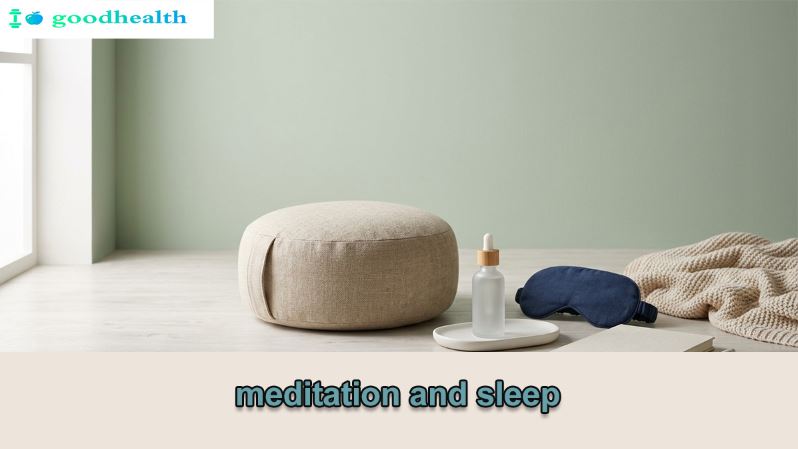
Finally, curating a specific physical environment can serve as a powerful environmental cue for the brain to transition into a state of rest. While meditation can theoretically happen anywhere, dedicating a specific corner of a room, a particular chair, or using a specific cushion can help signal to the nervous system that it is time to downshift. Over time, classical conditioning takes effect, and merely sitting in that designated physical space will begin to trigger a localized relaxation response before the actual practice even begins.
Integrating Contemplative Practices with Traditional Mental Health Treatments
While the independent benefits of contemplative practices are vast, utilizing meditation for mental health is most effective when viewed as a complementary tool rather than a standalone cure for severe psychiatric conditions. For individuals managing acute clinical depression, bipolar disorder, or severe trauma, meditation should ideally be integrated into a broader treatment plan that includes traditional psychotherapy and, when necessary, pharmacological support. Meditation provides the mental clarity and emotional space necessary for patients to engage more deeply and productively with their clinical therapeutic work.
The synergy between meditation and Cognitive Behavioral Therapy (CBT) is particularly powerful. CBT focuses on identifying and restructuring distorted thought patterns that lead to emotional distress. However, patients often struggle to catch these rapid automatic thoughts in real-time. Meditation trains the precise muscle of meta-cognition—the ability to think about one’s own thinking—making it significantly easier for individuals in therapy to observe their cognitive distortions as they happen and apply the restructuring techniques learned in their CBT sessions.
For individuals with a history of severe psychological trauma, integrating meditation requires a specialized, trauma-sensitive approach. Traditional mindfulness, particularly practices requiring prolonged periods of silence and closed eyes, can sometimes induce flashbacks or dissociation in trauma survivors by removing their external grounding mechanisms. Working alongside a mental health professional trained in trauma-informed mindfulness allows individuals to modify their practice safely. This might involve keeping the eyes open, focusing on external sounds rather than internal bodily sensations, or utilizing movement-based meditations like mindful walking to ensure the practice remains a safe and stabilizing force.
Long-Term Impact on Overall Quality of Life
When individuals commit to using meditation for mental health over the long term, the paradigm shifts from basic symptom management to genuine psychological flourishing. Initially, people often seek out mindfulness to stop a panic attack or ease a depressive episode. As the practice deepens and the brain physically adapts, the baseline state of consciousness elevates. Practitioners frequently report a profound increase in their capacity for joy, a deeper sense of gratitude for ordinary moments, and an overarching sense of purpose that transcends their immediate circumstances.
This elevated quality of life extends deeply into interpersonal relationships. Chronic mental health struggles often isolate individuals, making them reactive, withdrawn, or overly defensive with partners, family members, and colleagues. By enhancing emotional regulation and expanding the capacity for empathy, meditation enables individuals to listen more deeply and respond to interpersonal conflicts with patience rather than defensiveness. The ability to remain fully present with another person, free from the distractions of internal anxiety, is one of the most profound relational benefits of a seasoned meditative practice.
Furthermore, the cognitive longevity associated with lifelong meditation practice serves as a protective barrier against age-related mental decline. Sustained focus, enhanced working memory, and cognitive flexibility are all byproducts of a brain that is regularly exercised through mindfulness. By protecting the structural integrity of the brain and drastically reducing the neurotoxic effects of chronic stress, individuals ensure that their mental faculties remain sharp, adaptable, and highly resilient well into their later years.
Embracing Meditation as a Core Component of Mental Health
The shift toward viewing meditation as an essential aspect of psychological care represents a monumental step forward in how society manages overall well-being. The clinical evidence confirming the power of neuroplasticity clearly demonstrates that we are not permanently bound by our current emotional baselines, stress responses, or cognitive patterns. Through deliberate, consistent practice, anyone can physically alter the structure of their brain to foster greater peace, resilience, and emotional stability.
Establishing a routine of meditation for mental health requires patience, a willingness to experiment with various modalities, and an understanding that psychological wellness is an ongoing journey rather than a final destination. By integrating mindfulness, loving-kindness, or focused awareness into everyday life, individuals move beyond merely surviving their stressors. They actively construct a robust mental architecture capable of enduring adversity, ultimately unlocking a profoundly richer, more balanced, and deeply fulfilling human experience.
Can meditation actually cure anxiety or depression?
While meditation isn’t a standalone cure, regular practice significantly lowers stress hormones and helps manage symptoms of anxiety and depression alongside professional care.
How long do I need to meditate each day to see mental health benefits?
Research shows that practicing for just 10 to 15 minutes a day can deliver measurable improvements in mood, focus, and stress reduction within a few weeks.
What is the best type of meditation for beginners struggling with stress?
Mindfulness meditation and guided breathwork are ideal for beginners because they give your mind a simple, structured focus point to calm racing thoughts.
Why do I feel more anxious or restless when I try to meditate?
Feeling restless is completely normal at first because slowing down allows suppressed thoughts and underlying stress to surface before your mind learns to settle.
How does meditation physically change the brain?
Regular meditation shrinks the brain’s stress center, the amygdala, while thickening areas responsible for emotional regulation, memory, and focus.
Please note
The content provided in this article is for educational and informational purposes only and should not be construed as medical, nutritional, or therapeutic advice. The recommendations provided may not be appropriate for everyone. The final decision regarding your health and lifestyle is yours, and we recommend that you consult with your doctor or other health professional before making any changes or taking any action.