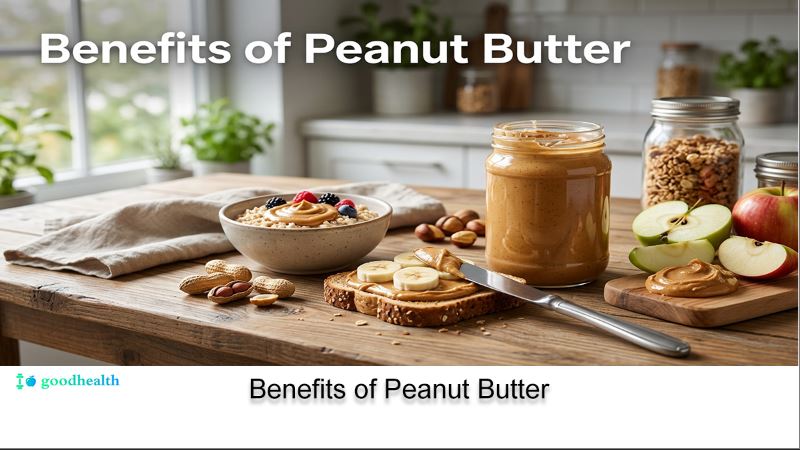
Benefits of Peanut Butter

Peanut butter is one of the most beloved and versatile staple foods in kitchens worldwide, celebrated for its rich flavor, satisfying texture, and remarkable nutrient density. Beyond its widespread appeal as a comforting spread or quick snack, peanut butter packs an extraordinary array of essential macro- and micronutrients into every serving. High-quality peanut butter delivers a potent combination of plant-based protein, healthy fats, dietary fiber, vitamins, and minerals that work together to support metabolic function, cardiovascular integrity, and long-term vitality.
As modern nutritional science places greater emphasis on nutrient-rich whole foods, peanut butter consistently earns its reputation as a superfood for everyday health. When prepared without unnecessary additives, hydrogenated oils, or excessive refined sugars, natural peanut butter serves as a powerful, affordable ally for maintaining optimal health. Understanding how the complex compounds in peanut butter interact with internal biological systems reveals why incorporating this dense spread into a daily meal plan yields profound, long-term health advantages.
Exceptional Plant-Based Protein and Muscle Preservation
Protein is fundamental for cellular repair, immune response, hormone synthesis, and lean muscle preservation. Peanut butter serves as an exceptional source of plant-based protein, delivering roughly seven to eight grams of complete amino acid precursors in just two tablespoons. This high protein density makes peanut butter an invaluable dietary component for vegetarians, vegans, athletes, and anyone striving to meet daily protein goals through wholesome whole foods.
The protein matrix in peanut butter contains significant amounts of L-arginine, an amino acid that supports nitric oxide production within the vascular system. Nitric oxide promotes blood vessel dilation, facilitating efficient oxygen and nutrient delivery to working muscle tissues. For individuals engaged in regular resistance training or endurance sports, consuming peanut butter helps fuel muscular endurance and accelerates post-workout tissue repair.
Satiety, Weight Management, and Appetite Control
Despite being energy-dense, peanut butter is a proven asset for weight management and body composition control. The powerful synergy of plant protein, healthy fats, and dietary fiber slows down the gastric emptying rate, keeping food in the stomach longer and sending strong satiety signals to the brain. This sustained fullness prevents sudden hunger pangs and reduces the impulse to indulge in high-calorie, low-nutrient processed snacks between meals.
Clinical research demonstrates that individuals who regularly include peanuts and peanut butter in their diets tend to maintain lower body mass indices and show better long-term weight stability. By stabilizing appetite and preventing glycemic spikes, the benefits of peanut butter extend to supporting sustainable caloric balance without feeling restrictive.
Heart Health and Cardiovascular Protection
Cardiovascular health depends heavily on the quality of dietary fats consumed daily. Peanut butter is rich in heart-healthy unsaturated fats, specifically monounsaturated and polyunsaturated fatty acids, which mirror the beneficial lipid profile found in extra virgin olive oil. Monounsaturated fats, such as oleic acid, help lower low-density lipoprotein (LDL) cholesterol—often referred to as bad cholesterol—while preserving high-density lipoprotein (HDL) cholesterol levels.
Maintaining a favorable cholesterol ratio is crucial for preventing arterial plaque accumulation, reducing the risk of atherosclerosis, heart attacks, and strokes. Furthermore, peanut butter naturally contains zero cholesterol, making it an excellent spread choice for protecting the cardiovascular system against long-term inflammation and arterial stiffness.
Phytosterols and Resveratrol for Vascular Strength
In addition to healthy fats, peanut butter contains specialized bioactive compounds like beta-sitosterol, a plant sterol that structurally resembles cholesterol. Beta-sitosterol competes with cholesterol for absorption in the digestive tract, effectively reducing the amount of dietary cholesterol entering the bloodstream.
Peanut butter also contains resveratrol, a potent polyphenol antioxidant famous for its vascular protective qualities. Resveratrol helps reduce systemic blood pressure by stimulating vasodilating pathways, neutralizing free radicals in vascular tissues, and mitigating arterial inflammation. Together, these compounds reinforce the broad cardiovascular benefits of peanut butter.
Blood Sugar Regulation and Metabolic Health
Metabolic wellness relies on maintaining steady blood glucose levels and preventing sharp insulin surges that overwork the pancreas. Peanut butter has a low glycemic index and a minimal glycemic load, meaning its consumption causes a minimal, gradual increase in blood sugar. This makes it an ideal food choice for individuals with type 2 diabetes, insulin resistance, or those aiming to optimize metabolic flexibility.
The high concentration of dietary fiber and healthy fats in peanut butter slows the absorption of carbohydrates consumed alongside it. Pairing peanut butter with higher-carbohydrate foods like apples, bananas, or whole-grain bread lowers the overall glycemic response of the meal, preventing the rapid energy spikes and subsequent crashes that derail focus and energy.
Magnesium and Insulin Sensitivity
Magnesium is a critical mineral involved in over three hundred enzymatic reactions within the human body, particularly those governing glucose metabolism and insulin sensitivity. Peanut butter is a rich natural source of magnesium, providing an accessible way to meet daily mineral requirements.
Adequate magnesium intake enhances the ability of cellular receptors to respond effectively to insulin, allowing glucose to enter cells efficiently for energy production. Including magnesium-rich foods like peanut butter in regular meals supports stable insulin dynamics, reducing the long-term risk of developing metabolic syndrome and chronic blood sugar dysregulation.
Antioxidant Power and Cellular Defense
Oxidative stress and chronic inflammation are primary drivers of cellular aging and chronic disease. Peanut butter contains an impressive array of powerful antioxidants, including vitamin E, p-coumaric acid, and various polyphenols, which actively scavenge free radicals before they can damage cell membranes, proteins, and genetic material.
Vitamin E, a fat-soluble antioxidant present in generous amounts in peanut butter, is particularly effective at protecting lipid-rich structures, such as cell membranes and brain tissue, from oxidative degradation. Consuming antioxidant-dense foods helps preserve cellular integrity, supporting tissue health throughout the body.
Reducing Systemic Inflammation with p-Coumaric Acid
Roasting peanuts significantly elevates their antioxidant capacity, specifically boosting concentrations of a polyphenol known as p-coumaric acid. This compound has been extensively studied for its ability to suppress pro-inflammatory pathways in the body.
By consistently supplying the body with anti-inflammatory plant compounds, peanut butter helps lower markers of chronic systemic inflammation. Reducing internal inflammation protects joint tissues, supports organ function, and contributes to cellular longevity and long-term vitality.
Neurological Function, Brain Health, and Cognitive Support
The structural integrity and operational efficiency of the human brain require a steady supply of specific micronutrients and healthy fats. Peanut butter contains high levels of niacin (vitamin B3), a nutrient indispensable for neuronal energy metabolism, cellular DNA repair, and cognitive preservation. Niacin plays a vital role in protecting neurochemical pathways from age-related decline.
Observational studies indicate that higher dietary intake of niacin from foods like peanuts correlates with a lower risk of cognitive impairment, memory loss, and neurodegenerative disorders such as Alzheimer’s disease. The presence of vitamin E further bolsters brain defense, shielding delicate neural cell membranes from oxidative stress.
Choline and Neurotransmitter Synthesis
Peanut butter is also a natural source of choline, an essential nutrient required for the synthesis of acetylcholine, a neurotransmitter critical for memory formation, focus, learning, and mood regulation. Choline supports structural membrane signaling in brain cells, ensuring rapid signal transmission across synapses.
By supplying both niacin and choline alongside protective antioxidants, peanut butter offers comprehensive nutritional support for cognitive acuity, mental clarity, and long-term brain health across every stage of life.
Bone Density and Micronutrient Balance
Skeletal strength requires more than just calcium; it depends on a balanced network of minerals that work cooperatively to build and preserve bone matrix density. Peanut butter delivers a comprehensive package of essential bone-building minerals, including phosphorus, magnesium, copper, and manganese.
Phosphorus works directly alongside calcium to form hydroxyapatite, the primary mineral complex that gives bones their structural strength and rigidity. Copper and manganese act as crucial cofactors for enzymes responsible for synthesizing collagen matrices within connective tissues and skeletal structures.
Preventing Mineral Deficiencies for Lifelong Mobility
Inadequate intake of trace minerals over time leads to progressive bone leaching, increasing the vulnerability to brittle bones, joint degeneration, and osteoporosis later in life. Integrating mineral-dense foods like peanut butter into a daily diet helps maintain systemic mineral homeostasis.
Providing the body with a steady supply of structural minerals ensures that bone tissue continues to rebuild and adapt smoothly to physical demands. This nutritional support helps maintain joint mobility, skeletal resilience, and posture throughout an individual’s lifetime.
Maximizing the Health Potential of Peanut Butter
Incorporating high-quality peanut butter into a daily nutrition strategy provides an accessible, science-backed approach to long-term health optimization. From delivering complete plant protein and protecting cardiovascular structures to stabilizing blood glucose, defending cells against oxidative strain, and supporting cognitive function, the multifaceted benefits of peanut butter make it a true nutritional powerpack. Choosing natural peanut butter without added sugars or trans fats ensures that the body receives a clean, continuous supply of essential nutrients necessary for sustained energy, physical resilience, and overall wellness.
How much peanut butter can you eat a day for weight loss or muscle gain?
Eating one to two tablespoons per day provides healthy fats and protein without causing unwanted calorie surplus.
What are the main health benefits of eating peanut butter regularly?
Peanut butter supports heart health, aids in weight management, boosts energy, and helps build muscle due to its high protein and healthy fat content.
Is eating peanut butter every day healthy or too high in fat?
Eating peanut butter daily is healthy as long as it contains no added sugars or hydrogenated oils and fits within your daily calorie needs.
Which is healthier: natural peanut butter or regular store-bought peanut butter?
Natural peanut butter is healthier because it contains only peanuts and salt, avoiding the added sugars and unhealthy trans fats found in regular versions.
Is peanut butter a good source of protein for muscle building?
Yes, peanut butter is an excellent plant-based protein source that, when paired with whole grains, provides essential amino acids for muscle repair.
please note
The content provided in this article is for educational and informational purposes only and should not be construed as medical, nutritional, psychological, or therapeutic advice. The advice provided may not be appropriate for everyone. The final decision regarding your health and lifestyle is yours, and we recommend that you consult with your doctor, counselor, or other health professional before making any changes or taking any action.
Shop new arrivals
-
Emotional Advantage
Original price was: €12.90.€8.90Current price is: €8.90. -
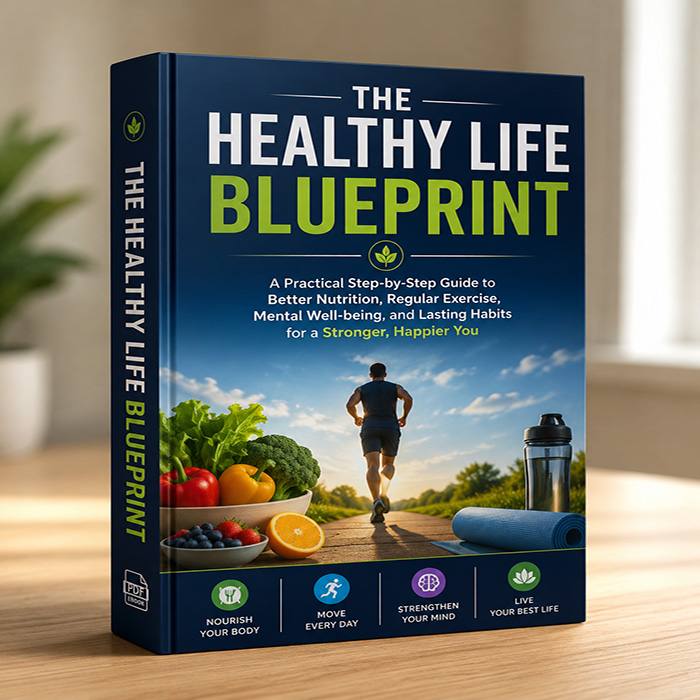
Healthy Life Blueprint
Original price was: €24.90.€15.90Current price is: €15.90. -
How to break negative habits
Original price was: €12.90.€6.90Current price is: €6.90. -
How to have continuity
Original price was: €15.90.€8.90Current price is: €8.90. -
Living with Purpose
Original price was: €14.90.€9.90Current price is: €9.90.