
How to stay healthy in old age

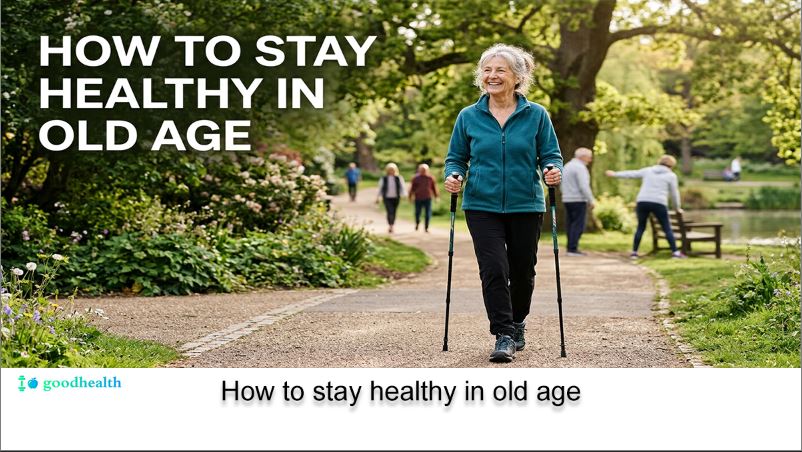
Aging is an inevitable biological process, but the rate at which we age and the quality of life we experience during our later years are heavily influenced by our daily habits, lifestyle choices, and proactive health management. Entering old age with strength, vitality, and mental clarity does not happen by chance; it is the cumulative result of sustained self-care, targeted nutrition, consistent physical activity, and robust mental engagement. As global life expectancies rise, redefining what it means to grow older has become a central focus for modern wellness, emphasizing active longevity over mere survival.
Understanding how to stay healthy in old age requires a holistic approach that bridges physiological maintenance with psychological well-being. As the human body undergoes natural changes—such as declining bone density, reduced muscle mass, slower metabolic rates, and shifting immune responses—adapting your daily routine becomes essential. By implementing evidence-based strategies across nutrition, physical movement, preventative healthcare, and cognitive enrichment, older adults can maintain profound independence, safeguard their emotional health, and enjoy an active, fulfilling lifestyle well into their later decades.
Nutritional Foundations for Senior Longevity and Vitality
Dietary needs evolve significantly as the human body matures. In older age, metabolic rates typically slow down, meaning calorie requirements decrease while the need for high-density micronutrients remains as high as ever. A nutrient-dense diet is the cornerstone of successful aging, providing the raw materials necessary to preserve cellular integrity, support immune defense, and maintain tissue repair. Prioritizing whole foods over processed items ensures that every calorie consumed delivers maximum biological benefit.
Protein intake becomes especially critical for older adults to combat sarcopenia, the natural age-related loss of muscle mass and functional strength. Incorporating lean proteins, fish, poultry, eggs, and plant-based legumes into every meal helps preserve skeletal muscle tissue, supporting mobility and balance. Additionally, staying adequately hydrated is essential, as the body’s natural thirst mechanism diminishes with age, making seniors particularly vulnerable to dehydration and subsequent cognitive fatigue.
The Crucial Role of Micronutrients and Bone Health
Maintaining skeletal strength requires careful attention to specific vitamins and minerals that protect against osteoporosis and bone fractures. Calcium and vitamin D work synergistically to maintain bone mineralization, yet many older adults struggle to absorb adequate vitamin D from sunlight and food alone. Supplementing with vitamin D and consuming dairy, fortified plant milks, and leafy greens supports both skeletal density and immune resilience.
Furthermore, adequate intake of vitamin B12 is vital for neurological function and red blood cell production, though stomach acid production often declines with age, reducing dietary B12 absorption. Focusing on easily digestible, nutrient-packed foods and consulting healthcare providers for personalized nutritional adjustments ensures that the body receives the precise biochemical support it needs to thrive.
Preserving Mobility Through Consistent Physical Activity
Physical decline in older age is frequently driven more by a sedentary lifestyle than by aging alone. Engaging in regular, structured exercise is one of the most powerful interventions available for extending healthspan and preventing chronic illness. Movement lubricates joints, stimulates blood flow, preserves cardiovascular health, and triggers the release of neuroprotective compounds in the brain.
A well-rounded fitness routine for older adults should incorporate a balance of aerobic conditioning, strength training, flexibility exercises, and balance work. Aerobic activities like brisk walking, swimming, or cycling strengthen the heart and lungs without placing excessive strain on connective tissues. Strength training, utilizing light weights or resistance bands two to three times a week, counters muscle wasting and maintains metabolic health.
Preventing Falls Through Balance and Core Stability
Falls represent one of the most significant health risks for older individuals, often leading to severe injuries that compromise long-term independence. Training proprioception and balance is therefore a mandatory component of healthy aging. Simple practices, such as standing on one foot while holding a counter, practicing tai chi, or performing targeted core stability movements, significantly enhance postural control.
Improving lower body strength in the hips, glutes, and calves also provides the stability needed to navigate uneven terrain with confidence. By prioritizing movement and balance, older adults protect their physical autonomy, reducing injury risks and ensuring the freedom to move unhindered through daily life.
Protecting Cognitive Function and Mental Resilience
Cognitive health is just as important as physical fitness when it comes to maintaining a high quality of life in old age. While some cognitive slowing is normal, severe decline is not an inevitable consequence of aging. The human brain retains neuroplasticity—the ability to form new neural connections and adapt—throughout the entire lifespan, provided it receives adequate stimulation and care.
Challenging the brain with novel, complex activities helps build cognitive reserve, which acts as a protective buffer against neurodegenerative conditions. Learning a new language, playing musical instruments, engaging in strategic games, or taking up complex crafts stimulates cerebral blood flow and activates dormant neural pathways. Mental engagement must be paired with consistent social connection to protect emotional health and cognitive sharpness.
The Vital Importance of Social Connection
Social isolation is a profound risk factor for both mental and physical decline in older age, carrying health impacts equivalent to chronic smoking. Maintaining robust social networks through community groups, volunteering, family gatherings, and club participation provides emotional sustenance, reduces stress, and promotes longevity.
Interacting with others stimulates cognitive processing, encourages communication, and fosters a sense of purpose and belonging. Actively seeking out meaningful relationships and community involvement ensures that older adults remain emotionally engaged, reducing vulnerability to depression and isolation.
Proactive Healthcare and Preventative Management
Navigating old age successfully requires a shift from reactive healthcare—treating conditions only after symptoms appear—to proactive wellness management. Regular health screenings, routine check-ups, and diligent monitoring of blood pressure, cholesterol, and blood glucose levels allow healthcare providers to catch potential issues early before they develop into serious medical crises.
Managing chronic conditions effectively relies on strict adherence to prescribed medical regimens, transparent communication with physicians, and keeping an organized record of medications and dosages. Preventative vaccinations, regular vision and hearing checks, and dental care are equally critical components of a comprehensive health strategy that preserves sensory function and overall vitality.
Managing Chronic Pain and Sleep Hygiene
Chronic conditions such as arthritis or lower back discomfort are common in later life, but they should not be accepted as an unmanageable burden. Working closely with physical therapists and medical professionals to develop safe, non-pharmacological pain management strategies—such as targeted stretching, aquatic therapy, and anti-inflammatory nutrition—improves daily comfort.
Equally important is prioritizing restorative sleep. Many older adults experience disrupted sleep architecture, leading to daytime fatigue and impaired cognitive function. Establishing consistent sleep-wake cycles, optimizing bedroom environments for darkness and cool temperatures, and limiting evening caffeine intake help restore deep sleep phases essential for physical and neurological recovery.
Cultivating Purpose and Psychological Well-Being
Beyond physical and mental health maintenance, psychological resilience and a profound sense of purpose are vital pillars of thriving in old age. Retirement and shifting life roles can sometimes lead to a loss of identity or direction. Cultivating new hobbies, mentoring younger generations, pursuing lifelong creative passions, or engaging in philanthropic work provides a renewed sense of meaning and personal fulfillment.
Psychological well-being directly influences physiological health by modulating stress hormone levels like cortisol, which, when chronically elevated, suppresses immune function and accelerates cellular aging. Practicing mindfulness, gratitude, and stress reduction techniques fosters emotional equilibrium, enabling older adults to navigate life transitions with grace, optimism, and enduring vitality.
Securing Lifelong Wellness Through Intentional Living
Mastering how to stay healthy in old age is an ongoing, dynamic process rooted in daily habits, balanced nutrition, active movement, preventative medical care, and rich social connections. By embracing these holistic principles, older adults can protect their independence, preserve their cognitive acuity, and enhance their overall physical resilience. Aging gracefully is not about resisting time, but about nourishing the body and mind comprehensively so that every stage of life is lived with strength, purpose, and enduring joy.
please note
The content provided in this article is for educational and informational purposes only and should not be construed as medical, nutritional, psychological, or therapeutic advice. The advice provided may not be appropriate for everyone. The final decision regarding your health and lifestyle is yours, and we recommend that you consult with your doctor, counselor, or other health professional before making any changes or taking any action.
How much peanut butter can you eat a day for weight loss or muscle gain?
Eating one to two tablespoons per day provides healthy fats and protein without causing unwanted calorie surplus.
What are the main health benefits of eating peanut butter regularly?
Peanut butter supports heart health, aids in weight management, boosts energy, and helps build muscle due to its high protein and healthy fat content.
Is eating peanut butter every day healthy or too high in fat?
Eating peanut butter daily is healthy as long as it contains no added sugars or hydrogenated oils and fits within your daily calorie needs.
Which is healthier: natural peanut butter or regular store-bought peanut butter?
Natural peanut butter is healthier because it contains only peanuts and salt, avoiding the added sugars and unhealthy trans fats found in regular versions.
Is peanut butter a good source of protein for muscle building?
Yes, peanut butter is an excellent plant-based protein source that, when paired with whole grains, provides essential amino acids for muscle repair.


