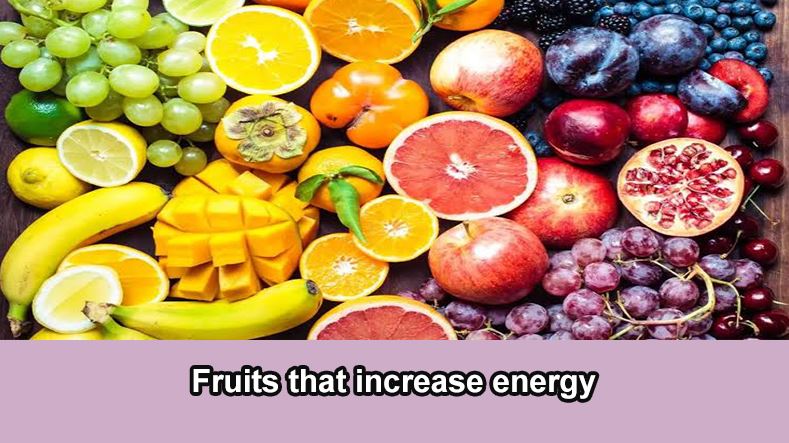
Fruits that increase energy

When the mid-afternoon slump hits, the instinct for many people is to reach for a cup of coffee, an energy drink, or a sugary snack. While these artificial stimulants and refined carbohydrates may provide a temporary spike in alertness, they almost inevitably lead to a sharp crash, leaving you feeling more exhausted than before. The human body thrives on steady, bioavailable fuel, which is exactly what whole foods provide. By turning to natural sources of nutrition, you can maintain a consistent level of vitality throughout the day. Among the most effective natural dietary interventions are fruits that increase energy. These nutrient-dense foods offer a synergistic blend of natural sugars, dietary fiber, essential vitamins, and hydrating fluids that work together to fuel cellular function and optimize physical and cognitive performance.
The Science Behind Natural Fruit Energy
To understand why certain foods are remarkably effective at banishing fatigue, it is essential to look at how the body processes different types of carbohydrates. Fruits contain naturally occurring sugars, primarily fructose and glucose, which the body readily converts into adenosine triphosphate (ATP), the primary energy currency of our cells. Unlike the refined sugars found in processed baked goods and candies, the sugars in fruit are encased in a robust matrix of dietary fiber. This structural component is crucial because it significantly slows down the digestive process. As a result, glucose is released into the bloodstream at a gradual, measured pace, preventing the rapid insulin spikes and subsequent drops that trigger lethargy.
Beyond their carbohydrate and fiber content, fruits are abundant sources of micronutrients that play indispensable roles in human metabolism. B-vitamins, for instance, are critical coenzymes that help the body extract energy from the food we consume. Without sufficient levels of these vitamins, metabolic pathways become sluggish, leading to systemic tiredness regardless of caloric intake. Furthermore, the presence of vital minerals such as potassium and magnesium in fruit helps maintain proper muscle function and nerve transmission, preventing the physical exhaustion and cramping that often accompany a busy lifestyle or intense physical exertion.
Hydration is another frequently overlooked component of daily stamina. Even mild dehydration can lead to a significant drop in blood volume, forcing the heart to work harder to deliver oxygen and nutrients to the brain and muscles. Because many fruits are composed of over eighty percent water, consuming them contributes actively to your daily fluid intake. This intrinsic moisture works in tandem with the fruit’s electrolytes to facilitate optimal cellular hydration, ensuring that physiological processes run smoothly and energy levels remain consistently high from morning until night.
Bananas as the Ultimate Portable Fuel
When discussing foods engineered by nature to fight fatigue, the banana is invariably the first to come to mind. This distinctively packaged fruit is a staple in the diets of elite athletes and casual gym-goers alike, and for good reason. Bananas are rich in complex carbohydrates, which provide a substantial and immediate source of fuel for the body. As a banana ripens, its starch content converts into simpler sugars, making it an easily digestible source of quick vitality perfectly suited for a pre-workout snack or a mid-morning cognitive boost.
The true power of the banana, however, lies in its impressive micronutrient profile, particularly its high potassium content. Potassium is a vital electrolyte that governs muscle contractions and nerve signals. When potassium levels drop, muscles can feel heavy and weak, leading to a generalized sense of physical exhaustion. By replenishing this essential mineral, bananas help maintain optimal muscle function and prevent cramping. Additionally, the presence of vitamin B6 in bananas directly supports the synthesis of neurotransmitters like dopamine and serotonin, which regulate mood and perceived energy levels.
The Impact of Resistant Starch
It is also worth noting the benefits of consuming slightly green, under-ripe bananas. In this state, the fruit contains higher levels of resistant starch, a type of carbohydrate that resists digestion in the small intestine. Instead of being broken down into immediate glucose, resistant starch ferments in the large intestine, feeding beneficial gut bacteria. This process produces short-chain fatty acids that provide a slow, highly sustained source of energy over several hours, making less-ripe bananas an excellent choice for long-term endurance and appetite control.
Apples for Steady and Sustained Endurance
There is a profound nutritional truth behind the old adage regarding an apple a day, particularly when it comes to maintaining a vigorous pace. Apples are an exceptional source of sustained nourishment, largely due to their dense concentration of soluble fiber, specifically pectin. When you consume an apple, this fiber forms a gel-like substance in the digestive tract, which meticulously regulates the absorption of the fruit’s natural sugars. This results in a beautifully sustained release of glucose into the bloodstream, offering steady alertness that can last for hours without any associated crash.
Furthermore, apples are exceptionally rich in polyphenols, a broad category of plant compounds that function as powerful antioxidants. Oxidative stress, caused by an imbalance of free radicals in the body, is a hidden driver of chronic fatigue. By neutralizing these free radicals, the antioxidants in apples protect cellular mitochondria—the powerhouses of the cells—allowing them to generate ATP more efficiently. This cellular protection is particularly beneficial for cognitive stamina, helping to clear brain fog and improve mental focus during demanding tasks.
To maximize the energy-yielding benefits of an apple, it is crucial to consume the fruit with its skin intact. The majority of the fiber and antioxidant compounds are concentrated in or just below the peel. Slicing a whole apple and pairing it with a handful of almonds or a spoonful of peanut butter can further enhance its effects. The healthy fats and proteins in the nuts slow the digestive process even further, creating a highly balanced snack that guarantees long-lasting physical and mental vigor.
Berries for Combatting Cellular Fatigue
While they may be small in size, berries are nutritional powerhouses that deliver an extraordinary defense against lethargy. Blueberries, strawberries, raspberries, and blackberries share a common trait: they are incredibly dense in antioxidants, particularly anthocyanins, which give these fruits their vibrant red, blue, and purple hues. These compounds are renowned for their ability to combat systemic inflammation and oxidative stress. Because chronic inflammation forces the immune system to work overtime, it continuously drains the body’s energy reserves. Consuming a diet rich in berries mitigates this inflammatory response, freeing up metabolic resources and leaving you feeling remarkably revitalized.
Berries also play a specialized role in supporting cognitive vitality. The specific flavonoids found in blueberries have been shown to cross the blood-brain barrier, directly interacting with neural pathways to enhance communication between brain cells. This process improves blood flow to the brain, delivering more oxygen and glucose to active neural tissues. For individuals engaged in heavy intellectual work or prolonged periods of concentration, snacking on mixed berries can prevent the mental exhaustion and loss of focus that typically occur after hours of cognitive strain.
Despite their intense sweetness, berries possess a surprisingly low glycemic index compared to many other fruits. Their high fiber content, particularly in fruits with edible seeds like raspberries and blackberries, ensures that their natural sugars do not destabilize blood glucose levels. This makes them an ideal choice for individuals who are sensitive to sugar spikes or those managing metabolic conditions. Adding a cup of fresh or frozen berries to morning oatmeal or a midday smoothie provides a gentle, sustaining lift that supports both physical endurance and mental acuity.
Avocados for Nutrient-Dense Caloric Fuel
When people think of fruits that increase energy, they rarely consider the avocado, categorizing it instead with savory vegetables or dietary fats. However, avocados are technically single-seeded berries, and they offer a completely different, yet highly effective, mechanism for fueling the body. Unlike apples or bananas, which rely on carbohydrates, avocados deliver vitality through healthy, monounsaturated fats. While carbohydrates provide quick-burning fuel, dietary fats act as a slow-burning, high-capacity energy reserve.
The oleic acid found abundantly in avocados is easily utilized by the body for cellular repair and hormone production, both of which are critical for maintaining baseline energy levels. Furthermore, the inclusion of healthy fats in a meal dramatically slows the emptying of the stomach. When an avocado is consumed alongside carbohydrate-rich foods, it acts as a metabolic buffer, stretching out the release of glucose into the bloodstream over an extended period. This mechanism is why a breakfast of avocado on whole-grain toast is widely recognized as one of the most effective meals for preventing mid-morning hunger and fatigue.
Avocados are also unexpectedly high in B-vitamins, particularly pantothenic acid (vitamin B5), which is directly responsible for converting the food we eat into usable metabolic energy. Coupled with their remarkably high fiber content—often exceeding that of many traditional fruits—and a wealth of potassium, avocados provide comprehensive support for the body’s energy-producing pathways. Incorporating this creamy fruit into daily salads or consuming it as a standalone snack provides a deep, satiating form of nourishment that keeps the body resilient against physical and mental weariness.
Citrus Fruits for Invigorating Refreshment
The bright, refreshing profile of citrus fruits—including oranges, grapefruits, lemons, and limes—makes them a phenomenal asset for combating fatigue. Oranges are globally recognized for their high concentration of vitamin C, an essential nutrient that does far more than just support the immune system. Vitamin C is a powerful antioxidant that prevents oxidative damage to cells, but it is also a necessary cofactor in the synthesis of carnitine. Carnitine is an amino acid derivative responsible for transporting fatty acids into the mitochondria, where they are burned for energy. A deficiency in vitamin C can therefore directly impair the body’s ability to utilize fat for fuel, leading to persistent sluggishness.
In addition to their role in fat metabolism, citrus fruits indirectly boost vitality by optimizing the absorption of iron from other dietary sources. Iron is the core component of hemoglobin, the protein in red blood cells that transports oxygen from the lungs to the rest of the body. When oxygen delivery is compromised, the immediate result is extreme fatigue and physical weakness. Consuming an orange or a splash of fresh lemon juice alongside iron-rich, plant-based foods like spinach or lentils dramatically increases the bioavailability of the iron, ensuring your tissues remain fully oxygenated and primed for activity.
The high water content of citrus fruits also addresses the lethargy associated with minor dehydration. Often, what is perceived as a need for a nap or a snack is actually the body signaling a need for fluids. Eating a juicy orange provides a rapid infusion of pure, electrolyte-rich water, hydrating the tissues and instantly refreshing the system. Even the sharp, aromatic essential oils found in the peels of citrus fruits have been shown to stimulate the olfactory system, providing a sensory boost that can immediately elevate alertness and mood.
Watermelon for Hydration-Driven Alertness
Fatigue is frequently a secondary symptom of dehydration, a condition that many people unwittingly experience throughout the workday. Watermelon is uniquely positioned to counteract this issue. Composed of approximately ninety-two percent water, this fruit functions almost entirely as a solid beverage, delivering intense and immediate cellular hydration. When the body is fully hydrated, blood plasma volume is optimal, meaning the heart does not have to strain to circulate oxygen and nutrients to muscle tissues and vital organs. This reduction in cardiovascular strain leaves you feeling noticeably lighter and more energetic.
Beyond its impressive water content, watermelon contains a unique and highly beneficial amino acid known as L-citrulline. Once consumed, the body converts L-citrulline into L-arginine, an amino acid that promotes the production of nitric oxide. Nitric oxide is a powerful vasodilator, meaning it helps blood vessels relax and expand. This improved circulation facilitates the rapid delivery of oxygen and glucose throughout the body. For active individuals, this translates to improved exercise tolerance, delayed onset of muscular fatigue, and a significantly faster recovery period after physical exertion.
Strategic Timing and Food Pairing
To extract the maximum benefit from fruits that increase energy, it is important to consider the timing of consumption and how these fruits are paired with other macronutrients. Eating a piece of fruit on an empty stomach first thing in the morning provides a rapid replenishment of liver glycogen stores that have been depleted overnight, effectively kickstarting your metabolism for the day. For those engaging in physical exercise, consuming easily digestible fruits like bananas or dates about thirty to forty-five minutes before a workout provides an accessible pool of circulating blood glucose to fuel muscle contractions.
However, to prevent the natural sugars in fruit from metabolizing too rapidly during prolonged periods of inactivity—such as sitting at a desk—strategic food pairing is essential. By coupling fresh fruit with a source of dietary protein or healthy fat, you fundamentally alter the glycemic impact of the meal. Pairing apple slices with sharp cheddar cheese, blending berries with a scoop of protein powder, or eating an orange alongside a handful of walnuts slows down the digestive cascade. This dietary strategy ensures that the vitalizing properties of the fruit are distributed evenly across several hours.
Understanding individual metabolic responses is also a key factor in utilizing fruit effectively. While some individuals may thrive on the quick boost provided by high-glycemic fruits like pineapple or mango, others may find that low-glycemic options like berries or green apples provide a more stable and comfortable level of alertness. Experimenting with different varieties and observing how your body responds over the subsequent two hours is the best way to dial in a personalized nutritional strategy that supports your specific lifestyle and daily demands.
Final Thoughts on Maximizing Daily Vitality
Managing daytime fatigue does not require a reliance on synthetic stimulants or heavily processed nutritional supplements. By understanding the metabolic mechanics of complex carbohydrates, dietary fiber, antioxidants, and hydration, it becomes clear that nature has already provided the perfect fuel sources. Integrating a diverse array of these functional foods into a balanced diet addresses the root causes of lethargy, ranging from cellular oxidative stress to minor dehydration and nutrient deficiencies. Prioritizing fruits that increase energy ensures a steady, reliable stream of physical and mental stamina, allowing you to sustain peak performance and navigate daily demands with exceptional vigor and resilience.
Which fruits provide the fastest energy boost before a workout?
Bananas and dates are top choices because their easily digestible natural sugars and potassium quickly fuel your muscles.
Can eating too much fruit for energy cause a sudden fatigue crash later?
Yes, eating high-glycemic fruits like watermelon by themselves can spike your blood sugar rapidly, leading to a sluggish drop in your stamina shortly after.
What is the best fruit to eat in the morning for sustained energy throughout the day?
Apples and avocados are ideal breakfast additions because their high fiber and healthy fats release nutrients slowly to prevent mid-day exhaustion.
Is it better to eat whole fruit or drink fruit juice when you need a quick energy lift?
Whole fruit is much better because the intact fiber slows down sugar absorption, giving you steady, long-lasting fuel instead of a rapid spike.
Which low-sugar fruits can I eat if I need an energy boost on a low-carb diet?
Berries, particularly raspberries and strawberries, offer a great physical lift without overloading you with carbs thanks to their high fiber and antioxidant content.
Please note
The content provided in this article is for educational and informational purposes only and should not be construed as medical, nutritional, or therapeutic advice. The recommendations provided may not be appropriate for everyone. The final decision regarding your health and lifestyle is yours, and we recommend that you consult with your doctor or other health professional before making any changes or taking any action.
Shop new arrivals
-
Emotional Advantage
Original price was: €12.90.€8.90Current price is: €8.90. -
Healthy Life Blueprint
Original price was: €24.90.€15.90Current price is: €15.90. -
How to break negative habits
Original price was: €12.90.€6.90Current price is: €6.90. -
How to have continuity
Original price was: €15.90.€8.90Current price is: €8.90. -
Living with Purpose
Original price was: €14.90.€9.90Current price is: €9.90.