How to wake up more easily in the morning?


Waking up does not have to be a daily battle. For many adults, the sound of an alarm clock triggers an immediate sense of dread, followed by a frantic negotiation for just five more minutes of sleep. This daily struggle often leads to rushed mornings, elevated stress levels, and a lingering sense of fatigue that can persist well into the afternoon. However, transforming this experience is entirely possible. By understanding the underlying mechanics of sleep and making intentional adjustments to daily habits, anyone can learn how to wake up more easily in the morning. Achieving a state of natural morning alertness requires a comprehensive approach that extends far beyond simply setting an earlier alarm. It involves aligning with the body’s natural biological rhythms, optimizing the sleeping environment, and cultivating routines that support high-quality, restorative rest. When these elements work together in harmony, the transition from sleep to wakefulness becomes a smooth biological process, allowing for a highly productive and energized start to the day.
Understanding Your Circadian Rhythm and Sleep Cycles
The human body operates on a roughly twenty-four-hour internal clock known as the circadian rhythm, which dictates our natural sleep-wake cycle. This biological timer is deeply influenced by environmental cues, primarily the presence of light and darkness. When this internal clock is properly aligned with our lifestyle, falling asleep and waking up feel like seamless, natural transitions. Conversely, when our daily habits conflict with our circadian rhythm—such as staying up late on weekends or working irregular shifts—the body experiences a physiological confusion similar to jet lag. Regulating this biological rhythm is the absolute foundational step in training the body to wake up feeling refreshed rather than exhausted.
To master the morning, it is equally important to understand the architecture of sleep itself. Throughout the night, the brain cycles through multiple distinct stages of sleep, moving from light sleep into deep, restorative slow-wave sleep, and finally into Rapid Eye Movement or REM sleep. A complete sleep cycle lasts approximately ninety to one hundred and ten minutes. The difficulty we experience when trying to wake up is heavily dependent on the exact stage of sleep we are in when the alarm sounds. Being jolted awake during deep slow-wave sleep results in severe disorientation and heavy lethargy. In contrast, waking up at the end of a sleep cycle, during a lighter phase of rest, feels entirely natural and effortless.
Establishing a strict and consistent sleep schedule is the most effective way to synchronize the circadian rhythm and train the brain to finish its sleep cycles right before the alarm goes off. Going to bed and waking up at the exact same time every day conditions the body to anticipate wakefulness. Over time, the endocrine system adapts to this routine by releasing wake-promoting hormones, such as cortisol, just before the scheduled waking time. This biological preparation is precisely what allows naturally early risers to open their eyes feeling alert before their alarm even rings.
The Science of Sleep Inertia
Throughout your waking hours, a chemical compound called adenosine gradually builds up in the brain, increasing the biological pressure to sleep. During a full, uninterrupted night of deep rest, the brain successfully clears out this adenosine. If sleep is cut short or fragmented, residual adenosine remains active in the brain, causing the heavy, groggy feeling known as sleep inertia. Understanding this chemical process highlights why simply sleeping longer is not always the answer; the quality and completion of sleep cycles are what dictate how easily you will wake up.
Crafting the Perfect Evening Routine for Better Sleep
The foundation of a successful morning is actually built the night before. A chaotic or highly stimulating evening practically guarantees a restless night, which inevitably leads to a incredibly difficult morning. Creating a structured wind-down routine signals to the brain that the active day is ending and that it is time to transition into a state of physical and mental relaxation. This routine should ideally begin an hour or two before the intended bedtime and involve calming activities that lower the heart rate and reduce cognitive arousal. Reading a physical book, practicing gentle stretching, or taking a warm bath are excellent ways to facilitate this necessary physical and mental deceleration.
A critical component of this evening transition is the strict management of light exposure, particularly the artificial blue light emitted by electronic devices. Smartphones, tablets, and televisions emit bright light wavelengths that directly suppress the pineal gland’s production of melatonin, the primary hormone responsible for inducing sleepiness. When melatonin production is delayed by late-night screen time, falling asleep becomes difficult, and the overall architecture of your rest is compromised. Replacing digital entertainment with screen-free activities in the hour before bed ensures that the body’s natural chemical processes can occur without technological interference.
Dietary choices made in the hours leading up to bedtime also play a massive role in how restorative the night will be. Consuming large, heavy, or highly spiced meals late in the evening forces the digestive system to work overtime. This digestive effort can raise core body temperature and cause gastrointestinal discomfort, both of which are highly detrimental to staying asleep. By keeping late-night snacks extremely light and avoiding heavy meals before bed, the body can focus its vital energy entirely on physical cellular repair and mental memory consolidation rather than digestion.
Cognitive Decompression Techniques
One of the primary reasons people fail to fall asleep deeply is the brain’s tendency to ruminate on daytime stressors the moment the head hits the pillow. Engaging in cognitive decompression techniques, such as nighttime journaling or writing a simple task list for the following day, can effectively offload this mental burden. By transferring worries and to-do lists from the working memory onto a piece of paper, the nervous system is granted permission to shift from a sympathetic state of alertness into a parasympathetic state of deep relaxation.
How to wake up more easily in the morning?
Optimizing Your Bedroom Environment for Restorative Rest
The physical environment in which we sleep exerts a profound, undeniable influence on both the quality of our rest and our ability to wake up easily. Humans are biologically wired to sleep best in environmental conditions that mimic a cool, pitch-dark, and completely quiet cave. Temperature control is perhaps the most critical, yet frequently ignored, environmental factor. As the body naturally prepares for sleep, its core temperature must drop slightly. Maintaining a cool bedroom environment helps facilitate and maintain this biological temperature drop. A room that is excessively warm will cause restlessness, frequent micro-awakenings, and a general lack of deep sleep, leaving you feeling entirely unrefreshed the following morning.
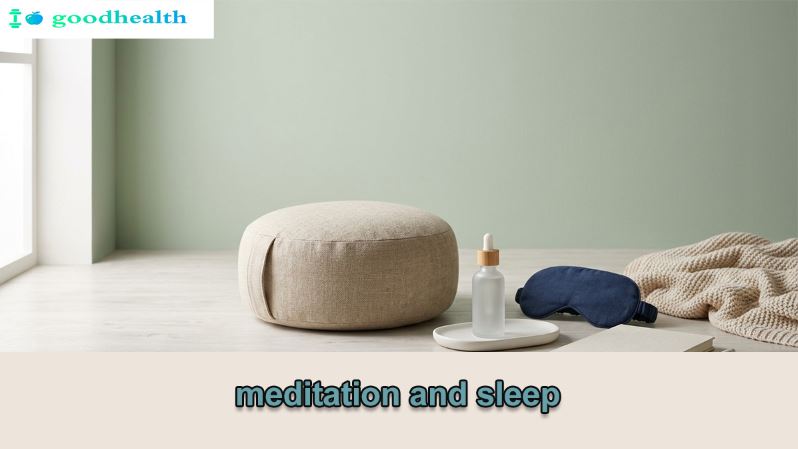
Light pollution is another common, silent culprit behind poor sleep quality and incredibly groggy mornings. Even minor sources of ambient artificial light, such as a glowing digital clock face, a streetlamp shining through thin curtains, or a tiny charging indicator on a laptop, can penetrate the eyelids. This signals to the sleeping brain that it is daytime, disrupting the depth of sleep. Investing in high-quality blackout curtains is one of the most impactful and immediate upgrades you can make to your sleep environment. For those who travel frequently or cannot alter their window treatments, a comfortable, contoured sleep mask provides an excellent alternative for achieving total darkness.
The materials you sleep on also dictate the quality of your overnight recovery. The microclimate created by your sheets, blankets, and mattress is vital to preventing sleep disruptions. Breathable, natural bedding materials like organic cotton, linen, or bamboo prevent nighttime sweating, which frequently pulls people out of deep REM sleep. Furthermore, a highly supportive mattress and an ergonomically correct pillow ensure proper spinal alignment, preventing the physical aches and micro-arousals caused by nighttime discomfort that ruin morning energy levels.
Effective Morning Strategies to Shake Off Sleep Inertia
Even with flawless sleep hygiene, the first few minutes after opening your eyes can still feel challenging due to residual, mild sleep inertia. The quickest and most biologically effective way to dispel this residual grogginess is through immediate exposure to bright light. When morning light enters the eyes, it sends a powerful, instantaneous electrical signal to the brain’s suprachiasmatic nucleus to immediately halt melatonin production and spike cortisol levels. Stepping outside into natural sunlight for ten to fifteen minutes shortly after waking is a highly effective practice. On dark winter mornings, utilizing a high-intensity daylight therapy lamp can successfully simulate the biological effects of the sun.
Hydration is another crucial but frequently overlooked component of waking up easily. During a full, eight-hour night of sleep, the body undergoes a prolonged period of fasting and mild dehydration. This internal dehydration often manifests physically as intense fatigue, heavy brain fog, and a sluggish metabolism early in the morning. Drinking a large glass of room-temperature water immediately upon waking, ideally even before reaching for a cup of coffee, rapidly rehydrates the internal organs and increases blood volume. This incredibly simple habit jump-starts the body’s physiological systems and provides an immediate, natural baseline of energy.
Physical movement serves as the final physiological trigger required to fully banish sleep inertia and transition into an active state. Exercise naturally increases the heart rate, dramatically improves blood circulation to the brain, and raises the core body temperature, all of which directly counter the physical resting state of sleep. This does not necessarily require an intense, exhausting gym session at the crack of dawn. Even five to ten minutes of gentle, deliberate activity, such as mindful yoga, dynamic stretching, or a brisk walk around the neighborhood, is entirely sufficient to flood the brain with necessary oxygen.
The Impact of Chrononutrition on Wakefulness
Chrononutrition explores how the timing of food intake interacts with our biological clocks. Just as light resets the master clock in the brain, food intake resets the peripheral clocks located in the digestive system and liver. Consuming a balanced breakfast shortly after waking up reinforces the morning signal to your entire body. Delaying the first meal for too many hours can confuse these peripheral biological clocks, leaving your metabolism in a prolonged state of sluggishness and making it significantly harder to feel fully awake.
Overcoming the Snooze Button Habit
The snooze button is arguably the greatest modern enemy of a productive and highly energetic morning. While the temptation to steal an extra nine minutes of warmth and sleep is incredibly powerful, indulging in it actually produces the exact opposite of the desired effect. When you fall back asleep after silencing the initial alarm, the brain attempts to start a brand new, ninety-minute sleep cycle. However, because the snooze interval is so short, the alarm inevitably interrupts this newly initiated cycle almost immediately. This violent interruption plunges the brain into an intense, deep state of sleep inertia, making you feel significantly more tired than if you had simply gotten out of bed immediately.
Breaking the deeply ingrained snooze habit requires conscious behavioral modification and strategic environmental design. One of the most highly effective methods for chronic snoozers is placing the alarm clock or smartphone entirely across the bedroom, far out of physical arm’s reach from the bed. This simple spatial adjustment forces you to physically stand up, bear your own weight, and engage your motor skills to silence the noise. Once you are out from under the warm covers and standing vertically on your feet, the absolute hardest physiological part of the waking process is already accomplished.
For those who find traditional, jarring auditory alarms too abrupt and stressful, upgrading the waking technology can make a profound difference in morning comfort. Sunrise alarm clocks, for example, gradually illuminate the bedroom over a period of thirty to forty-five minutes before the audible alarm ever sounds. This gradual increase in ambient light perfectly mimics a natural sunrise, gently pulling the brain out of deep slow-wave sleep and into much lighter sleep stages. By the time the auditory alarm finally triggers, the body is already physiologically prepared to wake up, eliminating the shock to the nervous system.
Addressing Underlying Sleep Issues and Consistency
If you have thoroughly optimized your sleep environment, perfected your evening wind-down routine, and maintained a strict schedule, yet still find it excruciatingly difficult to wake up, it may be absolutely necessary to look deeper into underlying physiological health factors. Undiagnosed sleep disorders, such as obstructive sleep apnea, restless leg syndrome, or chronic physiological insomnia, silently destroy overall sleep quality. Sleep apnea causes repeated, dangerous breathing interruptions throughout the night, completely preventing the brain from ever achieving sustained, restorative deep sleep. Consulting a medical professional or a dedicated sleep specialist is a crucial step to rule out these invisible physiological barriers.
Another major modern obstacle to waking up easily is the pervasive phenomenon known as social jet lag. This heavily disruptive pattern occurs when individuals strictly adhere to a disciplined sleep schedule during the workweek but stay up exceptionally late and sleep in excessively on the weekends. Shifting your sleep and wake times by even two or three hours on Saturday and Sunday severely disrupts the delicate balance of the circadian rhythm. When Monday morning inevitably arrives, the body is essentially experiencing the biological equivalent of flying across multiple time zones, resulting in extreme exhaustion.
Ultimately, truly learning how to wake up more easily in the morning is not about implementing a temporary quick fix, but rather adopting a long-term, sustainable lifestyle shift. It requires discipline, patience, and a genuine willingness to respect the body’s fundamental biological needs. The initial transition period, especially when forcefully breaking the snooze habit or aggressively adjusting to an earlier bedtime, may be temporarily challenging. However, as the circadian rhythm aligns and the body learns to trust the profound consistency of the new schedule, the heavy, dragging sensation of the morning will permanently dissipate.
Achieving a state of natural alertness at the start of each day is a direct reflection of the long-term habits and environments cultivated around sleep. Implementing structured, calming routines, aggressively managing artificial light exposure, and deeply respecting the biological boundaries of the circadian rhythm are essential steps for anyone looking to permanently eliminate morning grogginess. As these scientifically backed, practical adjustments are consistently applied day after day, the intense struggle historically associated with the alarm clock gradually fades away. Optimizing both the evening wind-down process and the physical bedroom environment allows the human body to complete its vital, necessary restorative processes without internal or external interruption. Establishing a highly functional and unyielding sleep schedule ensures that every single morning begins with sustained physical energy, sharp cognitive function, and the biological readiness required to navigate the complex demands of the day effectively.
Why do I feel completely exhausted in the morning even after getting eight hours of sleep?
You are likely waking up in the middle of a deep sleep cycle, or hidden factors like late-night screen time and heavy meals are ruining your sleep quality without you realizing it.
What is the most effective way to break the habit of hitting the snooze button?
Move your alarm clock to the opposite side of the room so you are forced to physically stand up and walk to turn it off, which instantly triggers alertness.
Does drinking water right after you wake up actually help give you energy?
Yes, your body is naturally dehydrated after hours of breathing, and drinking a cold glass of water immediately rehydrates your organs and jumpstarts your metabolism.
What type of alarm sound is best for waking up without feeling startled or grumpy?
Melodic, gradually loud sounds or natural noises like birds chirping help you transition smoothly out of sleep, whereas harsh, abrupt alarms trigger a stressful spike in cortisol.
How can a natural night owl realistically train their body to become a morning person?
Shift your bedtime and wake-up time earlier by just fifteen minutes every few days, and make sure to get bright sunlight in your eyes within ten minutes of waking up.
Please note
The content provided in this article is for educational and informational purposes only and should not be construed as medical, nutritional, or therapeutic advice. The recommendations provided may not be appropriate for everyone. The final decision regarding your health and lifestyle is yours, and we recommend that you consult with your doctor or other health professional before making any changes or taking any action.