Benefits of tomatoes

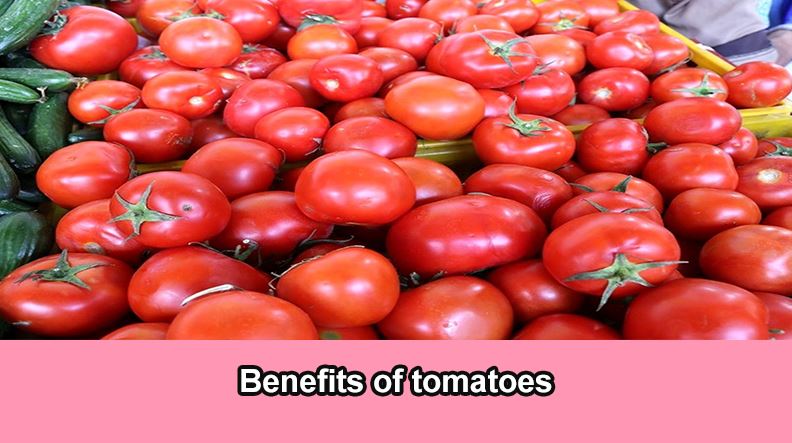
Tomatoes are universally recognized as a foundational ingredient in cuisines across the globe, yet their true value extends far beyond their culinary versatility. While they are scientifically classified as fruits belonging to the nightshade family, their nutritional profile aligns more closely with vegetables, making them a staple in health-conscious diets. The vibrant red color characteristic of most commercial varieties is not merely an aesthetic trait but a visual indicator of a rich, complex matrix of phytochemicals and essential nutrients. Understanding the extensive benefits of tomatoes requires looking past their common presence in salads and sauces to examine the intricate ways their biological compounds interact with human physiology. As ongoing nutritional research continues to uncover the therapeutic potential of this humble plant, it becomes increasingly clear that regular consumption is a cornerstone of preventative health.
The Nutritional Profile Driving the Health Benefits of Tomatoes
At the core of the numerous health benefits of tomatoes is an exceptionally dense nutritional profile that provides maximum systemic support with minimal caloric intake. A single medium-sized tomato contains a significant percentage of the recommended daily allowance for several vital nutrients, most notably Vitamin C. This essential water-soluble vitamin acts as a primary antioxidant in the body, actively neutralizing harmful free radicals in aqueous environments before they can damage healthy cells. Furthermore, tomatoes are an abundant source of Vitamin K1, scientifically known as phylloquinone, which plays an indispensable role in the biological processes of blood coagulation and the maintenance of skeletal integrity. By delivering these micronutrients in a highly bioavailable format, tomatoes ensure that the body can readily absorb and utilize them for daily cellular repair and maintenance.
Beyond basic vitamins, the true biochemical power of the tomato lies in its remarkable concentration of organic pigments called carotenoids. Lycopene is the most prominent of these compounds, representing the primary antioxidant that gives the fruit its deep red hue. Unlike many other nutrients that degrade upon exposure to heat, lycopene becomes significantly more bioavailable when the structural matrix of the tomato is broken down through cooking or processing. Alongside lycopene, tomatoes supply substantial amounts of beta-carotene, which the human body efficiently converts into Vitamin A to support various systemic functions. The synergistic presence of chlorogenic acid and naringenin further elevates the antioxidant capacity of the fruit, creating a comprehensive defense mechanism against oxidative stress.
The hydration and mineral content of tomatoes also contribute heavily to their physiological value. Comprising approximately ninety-five percent water, they offer excellent dietary hydration, which is essential for maintaining optimal cellular function, regulating core body temperature, and facilitating efficient digestion. Interspersed within this high water content is a wealth of essential minerals, most crucially potassium. Potassium is an intracellular electrolyte that regulates fluid balance and electrical signaling throughout the nervous system and muscular tissues. The combination of high hydration, low caloric density, and rich mineral availability makes the tomato an ideal dietary component for individuals seeking nutrient-dense foods that support metabolic health without contributing to excess weight.
Cardiovascular Advantages of Regular Tomato Consumption
Cardiovascular disease remains a leading health concern globally, but the regular inclusion of tomatoes in a daily diet offers profound cardioprotective effects. The high concentration of lycopene is primarily responsible for these benefits, as extensive clinical studies have demonstrated its ability to significantly lower levels of low-density lipoprotein, commonly referred to as bad cholesterol. When LDL cholesterol oxidizes in the bloodstream, it initiates an inflammatory cascade that leads to the accumulation of plaque on arterial walls, a condition known as atherosclerosis. Lycopene actively interrupts this oxidation process, protecting the endothelial lining of the blood vessels and preserving arterial flexibility. This reduction in oxidative stress within the cardiovascular system directly correlates with a lower incidence of severe cardiac events, including myocardial infarctions and ischemic strokes.
In addition to managing cholesterol profiles, the health benefits of tomatoes extend to the critical regulation of blood pressure, driven largely by their substantial potassium content. Hypertension forces the heart to work harder to pump blood through constricted vessels, leading to long-term cardiac strain and an increased risk of organ damage. Potassium mitigates this risk by acting as a natural vasodilator, relaxing the tension within the walls of the blood vessels and allowing for smoother, less restricted blood flow. Furthermore, potassium actively assists the kidneys in excreting excess sodium through urine, which is vital for reducing total blood volume and alleviating the physical pressure exerted on the entire cardiovascular system.
The broader inflammatory response within the body also heavily influences heart health, and tomatoes contain a specific profile of phytonutrients designed to keep systemic inflammation in check. Compounds such as folic acid and various flavonoid antioxidants work in tandem to reduce the circulating levels of homocysteine, an amino acid that, when elevated, is strongly linked to an increased risk of heart disease. By suppressing the production of pro-inflammatory cytokines, the active ingredients in tomatoes help maintain a calm, stable cardiovascular environment. This comprehensive approach to heart health—managing cholesterol, lowering blood pressure, and reducing systemic inflammation—solidifies the tomato’s reputation as a premier functional food for cardiac longevity.
Cellular Protection and Cancer Prevention Mechanisms
The intersection of diet and oncology is a heavily researched field, and the benefits of tomatoes are frequently highlighted in discussions surrounding natural cancer prevention strategies. The foundation of this preventative capability is rooted in the fruit’s exceptional ability to combat oxidative stress, a physiological state where an imbalance of free radicals causes severe damage to cellular DNA. When DNA is mutated or damaged by these unstable molecules, the risk of abnormal cellular proliferation and tumor development increases exponentially. The dense concentration of antioxidants in tomatoes, particularly lycopene, provides a continuous supply of electron donors that neutralize free radicals, thereby protecting the genetic integrity of cells and drastically reducing the likelihood of malignant transformations.
Prostate health, in particular, has shown a remarkably positive response to the continuous consumption of tomato-based products. Numerous epidemiological studies have drawn a strong inverse correlation between the dietary intake of lycopene and the incidence of prostate cancer in adult men. Because lycopene is highly lipophilic, it tends to accumulate heavily in prostate tissue, providing localized, highly targeted antioxidant defense precisely where it is needed most. This localized protection helps to slow the progression of benign prostatic hyperplasia and inhibits the biochemical pathways that facilitate the growth and spread of cancerous cells within the gland. The efficacy of lycopene in this specific area of preventative health is so profound that many clinical dietitians actively recommend cooked tomato products for men possessing a high familial risk of prostate issues.
While prostate cancer prevention is the most thoroughly documented, the protective mechanisms of tomatoes extend to mitigating the risk of several other malignancies. The synergistic action of beta-carotene, Vitamin C, and chlorogenic acid has been linked to a reduced risk of cancers affecting the lungs, stomach, and colorectal tract. In the digestive system, the fiber content combined with antioxidants helps to rapidly eliminate potential carcinogens from the gastrointestinal tract while simultaneously protecting the delicate mucosal lining from inflammatory damage. Furthermore, the presence of specific bioactive peptides in tomatoes is currently being studied for their potential to induce apoptosis, which is the programmed cell death of existing cancer cells, preventing them from multiplying and metastasizing to other organs.
Promoting Skin Radiance and Structural Integrity
Achieving healthy, resilient skin relies heavily on internal nutrition, and the aesthetic benefits of tomatoes are a direct reflection of their internal cellular support. One of the most significant advantages they offer is a natural, dietary form of photoprotection against the damaging effects of ultraviolet radiation from the sun. While consuming tomatoes is not a substitute for topical sunscreen, the systemic accumulation of lycopene and beta-carotene in the skin’s epidermal layers acts as an internal shield. These compounds absorb UV-induced free radicals before they can degrade the skin’s structural proteins, significantly reducing the severity of sunburns and delaying the onset of photoaging, which manifests as fine lines, deep wrinkles, and hyperpigmentation.
The structural firmness and elasticity of youthful skin are heavily dependent on collagen, a vital protein whose synthesis is entirely reliant on the presence of Vitamin C. Because tomatoes are an excellent source of this specific nutrient, their regular consumption actively stimulates the fibroblasts in the dermal layer to produce new, high-quality collagen fibers. This continuous renewal process ensures that the skin remains tight, plump, and highly resistant to physical sagging or premature wrinkling. Additionally, Vitamin C accelerates the natural healing of wounds, minor abrasions, and acne scars by promoting rapid cellular turnover and ensuring that the newly formed tissue is strong and structurally sound.
For individuals managing chronic skin conditions such as acne, rosacea, or general facial erythema, the anti-inflammatory properties of tomatoes offer significant relief. The high water content ensures optimal dermal hydration, preventing the overproduction of sebum that often occurs when the skin is dehydrated. Concurrently, the specific organic acids found in the fruit, including citric and malic acid, help to regulate the skin’s natural pH balance. By reducing internal systemic inflammation, tomatoes help to calm the immune responses that trigger localized redness and swelling on the face, resulting in a clearer, more even complexion that radiates baseline health.
Supporting Ocular Health and Preventing Vision Loss
The visual system is highly susceptible to oxidative damage due to its constant exposure to light and high metabolic rate, making dietary intervention crucial for long-term ocular health. The benefits of tomatoes are particularly relevant to eye care due to their rich supply of lutein and zeaxanthin, two highly specialized carotenoids that naturally accumulate in the macula of the human retina. These compounds function essentially as internal sunglasses, actively filtering out high-energy, harmful blue light emitted by the sun and modern digital screens. By absorbing this specific wavelength of light, lutein and zeaxanthin prevent phototoxic damage to the delicate photoreceptor cells, thereby reducing digital eye strain and mitigating the long-term effects of prolonged screen exposure.
Beyond filtering harmful light, these specific macular pigments play a critical role in delaying the progression of age-related macular degeneration, which remains the leading cause of irreversible vision loss in older adults. As the eye ages, oxidative stress can cause the central portion of the retina to deteriorate, resulting in blurred vision and the gradual loss of sharp, forward-facing visual acuity. The continuous dietary intake of the antioxidants found in tomatoes helps to maintain the physical density of the macular pigment, preserving its structural integrity and its ability to process visual details accurately. This protective barrier ensures that individuals can maintain their visual independence and quality of life well into their later years.
The comprehensive vision support provided by tomatoes also involves their substantial Vitamin A content, which is essential for low-light adaptation and overall corneal health. Vitamin A is a core component of rhodopsin, a specialized biological protein situated in the retina that allows the eye to see in dimly lit environments. A deficiency in this crucial nutrient directly leads to a condition known as night blindness, where the eye struggles to transition between varying levels of illumination. By supplying an easily converted form of beta-carotene, tomatoes guarantee that the ocular system has the necessary building blocks to synthesize rhodopsin continuously, keeping the surface of the eye properly lubricated and highly responsive to changes in environmental lighting.
Digestive Health and Metabolic Regulation
A well-functioning digestive system is the foundation of overall physical health, and incorporating tomatoes into everyday meals profoundly influences gastrointestinal efficiency. The key to this digestive support lies in the fruit’s dual provision of soluble and insoluble dietary fiber. Insoluble fiber acts as a necessary bulking agent within the digestive tract, adding physical weight to the stool and stimulating peristalsis, the rhythmic muscular contractions that move waste through the intestines. This mechanical action is highly effective at preventing chronic constipation and ensuring that the body maintains a regular, predictable bowel schedule, which is vital for the timely elimination of metabolic toxins.
Conversely, the soluble fiber found within the flesh of the tomato dissolves in the gastrointestinal tract to form a gel-like substance that significantly slows down the digestive process. This deceleration is incredibly beneficial for metabolic health, as it regulates the rate at which sugars are absorbed into the bloodstream. By preventing rapid spikes and subsequent crashes in blood glucose levels, tomatoes provide a sustained release of energy that is particularly advantageous for individuals managing insulin resistance or type 2 diabetes. Furthermore, this specific type of fiber serves as a valuable prebiotic, feeding the beneficial bacteria residing in the gut microbiome and fostering an internal environment that supports robust immune function and optimal nutrient extraction.
In the context of weight management, the high water volume and fibrous structure of tomatoes create a powerful combination that promotes early and lasting satiety. Despite their incredibly low caloric density, they physically expand in the stomach, sending mechanical signals to the brain that the body is adequately nourished and full. This mechanism effectively curbs excessive appetite and reduces the psychological urge to consume calorie-dense, heavily processed snacks between meals. By seamlessly integrating into various dishes, tomatoes allow individuals to consume large, highly satisfying portions of food that naturally align with their long-term weight loss or weight maintenance goals without feelings of dietary deprivation.
Strategic Consumption for Maximum Nutrient Absorption
While eating tomatoes in any form is undoubtedly beneficial, the specific methods of preparation and consumption can dramatically alter the bioavailability of their core nutrients. Unlike most fresh produce that loses its nutritional value when exposed to high temperatures, the health benefits of tomatoes are uniquely enhanced through the cooking process. The intense heat required for stewing, roasting, or creating sauces effectively breaks down the tough, fibrous cell walls of the fruit. This structural degradation releases massive quantities of trapped lycopene, transforming it from a linear molecular structure into a bent configuration that the human digestive system can absorb with remarkable efficiency. Consequently, a serving of long-simmered tomato paste offers exponentially more bioavailable lycopene than an equivalent volume of raw, sliced tomatoes.
Because lycopene and other vital carotenoids such as beta-carotene are fat-soluble compounds, their absorption rate is heavily dependent on the presence of dietary lipids in the digestive tract. Consuming raw or cooked tomatoes entirely on their own results in a significant portion of these premium antioxidants passing through the body unutilized. To maximize nutritional extraction, it is highly recommended to pair tomatoes with a source of healthy, unsaturated fat. Drizzling extra virgin olive oil over a fresh Caprese salad or incorporating avocados into a tomato-based salsa creates an ideal biochemical environment. The lipids bind to the phytonutrients, acting as a highly efficient transport mechanism that shuttles the antioxidants directly across the intestinal wall and into the systemic circulation.
The diverse range of tomato varieties available also allows for strategic dietary planning based on specific health goals. Smaller varieties, such as cherry and grape tomatoes, typically feature a higher ratio of skin to flesh compared to larger beefsteak varieties. Because a vast majority of the flavonols and antioxidants are concentrated directly in the outer skin, consuming these smaller, bite-sized fruits yields a higher overall concentration of protective compounds per serving. Conversely, dense, meaty varieties like Roma or San Marzano contain less water and more pectin, making them nutritionally ideal for cooking down into highly concentrated, lycopene-rich reductions that serve as the foundation for deeply nourishing, health-promoting meals.
Sustaining Long-Term Wellness Through Dietary Integration
Moving toward a lifestyle that prioritizes preventative health requires identifying and consistently consuming foods that offer multifaceted systemic support, and the tomato stands out as a prime candidate for this role. The sheer breadth of the benefits of tomatoes ensures that nearly every major biological system—from the cardiovascular and skeletal networks to the epidermal and ocular tissues—receives vital nutritional reinforcement. By addressing chronic inflammation, neutralizing aggressive free radicals, and supplying a steady stream of essential vitamins and minerals, this versatile fruit actively repairs daily cellular damage while simultaneously fortifying the body against future degenerative conditions.
The true power of optimizing health with tomatoes lies in the ease with which they can be permanently integrated into an individual’s culinary routine. Because their flavor profile effortlessly spans across various global cuisines, there is never a need to rely on repetitive or uninspiring meal plans. From raw morning salsas and vibrant afternoon salads to deeply roasted evening sauces and hearty broths, they provide a seamless, highly enjoyable method of elevating the nutritional density of almost any dish. This culinary flexibility guarantees that individuals can sustain high levels of antioxidant intake without experiencing the dietary fatigue often associated with rigid, restrictive health regimens.
Ultimately, realizing the full spectrum of health advantages requires shifting the perspective from viewing the tomato as a simple culinary garnish to recognizing it as a fundamental pillar of therapeutic nutrition. By understanding the biochemical necessity of cooking to release lycopene and the importance of pairing the fruit with healthy fats for optimal absorption, individuals can strategically harness its full potential. Embracing this nutrient-dense powerhouse as a daily dietary requirement is a highly effective strategy for actively promoting longevity, sustaining physical vitality, and maintaining profound, systemic wellness for years to come.
Are cooked tomatoes better for you than raw ones?
Cooking tomatoes actually boosts their levels of lycopene, a powerful antioxidant, making them incredibly healthy even when roasted or turned into sauce.
Do tomatoes actually help clear up your skin?
Yes, the high vitamin C and antioxidant content in tomatoes can help stimulate collagen production and protect your skin from sun damage.
Can eating tomatoes help with weight loss?
Tomatoes are extremely low in calories and packed with water and fiber, making them a perfectly filling addition to any weight loss diet.
Is it safe to eat tomatoes every day if I have acid reflux?
While healthy for most, tomatoes are highly acidic and eating them daily can trigger or worsen heartburn if you are prone to acid reflux.
What makes tomatoes so good for heart health?
They are rich in potassium and lycopene, two essential nutrients proven to lower bad cholesterol and reduce your overall risk of heart disease.
Please note
The content provided in this article is for educational and informational purposes only and should not be construed as medical, nutritional, or therapeutic advice. The recommendations provided may not be appropriate for everyone. The final decision regarding your health and lifestyle is yours, and we recommend that you consult with your doctor or other health professional before making any changes or taking any action.