
nigiri salmon sushi nutrition

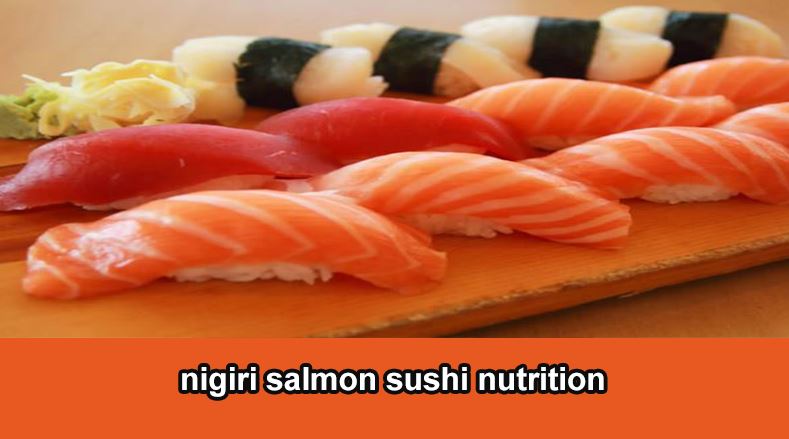
When diners sit down at a traditional Japanese restaurant, they are often presented with an extensive menu of complex, sauce-drizzled rolls and fried appetizers. However, for those seeking a purer, more authentic culinary experience that also aligns with health-conscious dietary goals, the classic combination of raw fish and seasoned rice stands unmatched. Examining the nigiri salmon sushi nutrition facts reveals exactly why this minimalist dish remains a staple for fitness enthusiasts, nutritionists, and seafood lovers alike. Unlike heavily modified westernized sushi rolls that often conceal their nutritional profile behind layers of tempura batter and spicy mayonnaise, this traditional preparation offers complete transparency. The elegant simplicity of a single slice of premium raw fish draped over a carefully molded bed of vinegared rice provides a precise, highly beneficial blend of macronutrients and vital micronutrients.
Understanding the dietary impact of this popular menu item requires looking closely at its two fundamental components. By breaking down the nutritional science behind both the seafood and the specialized rice preparation, consumers can make informed decisions about how this dish fits into a broader, balanced lifestyle. The data surrounding this delicacy demonstrates that it is entirely possible to enjoy premium restaurant cuisine while actively supporting cardiovascular health, maintaining muscle mass, and managing daily caloric intake.
Understanding the Components of Salmon Nigiri
To fully appreciate the nutritional value of this dish, one must first understand its culinary anatomy. In traditional Japanese terminology, nigiri translates to “gripped” or “pressed,” referring to the method the sushi chef uses to mold the small rectangular block of rice in their hands. The topping, known as the neta, is typically a meticulously sliced piece of raw fish. When the neta is raw salmon, the dish is referred to as sake nigiri. The beauty of this preparation lies in its absolute lack of culinary camouflage; there are no heavy sauces, no fried elements, and no hidden fillers to distort the nutritional profile.
The quality and sourcing of the ingredients dictate the final nutritional output. Sushi-grade salmon is carefully selected and flash-frozen to eliminate parasites, preserving its dense nutritional matrix. Depending on whether the fish is wild-caught or farm-raised, there will be slight variations in the fat content. Farm-raised varieties often contain slightly higher total fat percentages, while wild-caught varieties generally offer a leaner profile with a slightly different ratio of essential fatty acids. Both variations, however, provide an exceptional source of high-quality dietary components that support human health.
The foundation of the dish, the rice base known as shari, is equally important to the overall dietary footprint. This is not merely plain, steamed white rice. Authentic shari is prepared using short-grain Japanese white rice that is gently folded with a specific mixture of rice vinegar, sugar, and salt. This seasoning process is what gives the rice its characteristic glossy finish, sticky texture, and slight tanginess that complements the rich flavor of the fish. However, the addition of sugar and the carbohydrate density of the short-grain rice are critical factors to consider when evaluating the complete dietary impact of the meal.
The Complete Nigiri Salmon Sushi Nutrition Facts Breakdown
For individuals tracking their daily food intake, knowing the exact numerical values associated with their meals is non-negotiable. The nigiri salmon sushi nutrition facts provide a highly favorable ratio of energy to essential nutrients. Because the portion sizes are strictly controlled by the traditional preparation methods, estimating the nutritional value of a meal becomes a straightforward mathematical exercise.
Caloric Content and Portion Sizes
A single piece of this specific sushi typically weighs between thirty and forty grams, evenly split between the protein topping and the carbohydrate base. On average, one piece contains approximately forty-five to sixty-five calories. When ordering at a restaurant, it is standard practice to receive two pieces per order, bringing the total caloric cost to roughly ninety to one hundred and thirty calories per plate. This relatively low caloric density allows diners to enjoy a satisfying volume of food without rapidly exceeding their daily energy expenditure limits.
When compared to modern, complex maki rolls, the caloric efficiency of this dish becomes glaringly apparent. A standard spicy tuna or dragon roll can easily exceed four hundred calories, largely due to the inclusion of mayonnaise-based sauces, cream cheese, and significantly larger volumes of rice. By choosing the pressed, traditional preparation, diners eliminate these hidden, calorie-dense additions, ensuring that the calories they do consume are derived strictly from high-quality, nutrient-dense whole foods.
Macronutrient Profile: Protein, Fats, and Carbohydrates
The macronutrient distribution of this dish represents an excellent balance for sustained energy and structural bodily support. A standard two-piece order delivers approximately six to eight grams of high-quality protein. This protein is considered complete, meaning it contains all nine essential amino acids required by the human body for cellular repair, immune system function, and muscle protein synthesis. Because the fish is served raw, the protein structures remain entirely intact and are highly bioavailable for digestion and absorption.
The fat content in a two-piece serving hovers around two to three grams, and this is where the nutritional profile truly shines. The vast majority of these lipids are polyunsaturated and monounsaturated fats. Unlike the saturated fats found in heavy red meats or the trans fats prevalent in processed foods, the fats present in cold-water fish are actively beneficial to human physiology. They play a vital role in hormone production, joint lubrication, and cellular membrane integrity.
Carbohydrates represent the final piece of the macronutrient puzzle, supplied almost entirely by the seasoned shari. A typical two-piece serving contains approximately fourteen to eighteen grams of carbohydrates. Because short-grain white rice has had its fibrous bran and germ removed during the milling process, these are fast-digesting carbohydrates. They provide a rapid source of readily available glucose, making this an excellent culinary choice for replenishing glycogen stores after intense physical exertion or athletic training.
The Essential Vitamins and Minerals in Raw Salmon
Beyond the foundational macronutrients, evaluating the nigiri salmon sushi nutrition facts highlights an impressive array of microscopic compounds that facilitate critical biological processes. Cold-water seafood is globally recognized as a premier source of specific vitamins and minerals that are remarkably difficult to obtain in sufficient quantities from terrestrial plant and animal sources. Consuming the fish in its raw, unaltered state ensures that none of these delicate water-soluble compounds are destroyed or diminished by high-heat cooking methods like baking or grilling.
B Vitamins for Energy and Brain Health
This dish is an exceptional source of the B-vitamin complex, particularly Vitamin B12 (cobalamin), Vitamin B3 (niacin), and Vitamin B6 (pyridoxine). Vitamin B12 is absolutely crucial for the optimal functioning of the central nervous system and the formation of healthy red blood cells. A deficiency in this specific vitamin can lead to severe fatigue, cognitive decline, and neurological issues. Just a few pieces of this sushi provide a significant percentage of the recommended daily allowance for B12.
Furthermore, niacin and pyridoxine play indispensable roles in the body’s metabolic pathways. They act as coenzymes, helping to convert the carbohydrates and fats from the diet into usable adenosine triphosphate (ATP), the primary energy currency of human cells. By delivering these vitamins alongside an easily digestible carbohydrate source like white rice, the meal effectively provides both the fuel and the chemical catalysts required to utilize that fuel efficiently.
Selenium and Potassium Contributions
The mineral profile of this seafood is equally compelling, characterized by substantial amounts of selenium and potassium. Selenium is a trace mineral that functions as a potent antioxidant within the body. It binds to specialized proteins to create selenoproteins, which actively neutralize free radicals, reduce oxidative stress, and protect cellular DNA from damage. Additionally, selenium is a mandatory component for the proper synthesis and metabolism of thyroid hormones, which regulate the body’s basal metabolic rate.
Potassium serves a distinctly different but equally vital physiological role. As a major intracellular electrolyte, potassium is responsible for maintaining proper fluid balance, facilitating nerve impulse transmission, and regulating muscle contractions, including the beating of the heart muscle. In the context of a restaurant meal that may contain higher levels of sodium, adequate dietary potassium is essential for helping the kidneys excrete excess sodium and maintaining healthy blood pressure levels.
Health Benefits of Eating Salmon Sushi
Translating raw nutritional data into practical health outcomes reveals why dietitians frequently recommend this specific style of Japanese cuisine. The regular consumption of minimally processed seafood yields systemic benefits that extend far beyond simple caloric management. When integrated into a consistently healthy lifestyle, the bioactive compounds found within this dish act as preventative nutritional medicine, targeting several key areas of physiological vulnerability.
Cardiovascular Advantages of Omega-3 Fatty Acids
The most profoundly researched health benefit associated with this meal is its positive impact on the human cardiovascular system, driven entirely by its high concentration of long-chain omega-3 fatty acids, specifically eicosapentaenoic acid (EPA) and docosahexaenoic acid (DHA). The human body cannot synthesize these specific lipid molecules efficiently on its own, making dietary acquisition mandatory for long-term health.
Clinical research has consistently demonstrated that high circulating levels of EPA and DHA actively reduce the concentration of triglycerides in the bloodstream. Furthermore, these fatty acids exhibit powerful anti-inflammatory properties that help prevent the oxidation of LDL cholesterol and the subsequent formation of arterial plaque. By improving endothelial function and promoting vasodilation, the regular consumption of these healthy fats significantly reduces the statistical risk of hypertension, arrhythmias, and severe adverse cardiovascular events.
Muscle Maintenance and Satiety
For individuals focused on physical fitness, body composition, or healthy weight management, the combination of lean protein and healthy fats presents a distinct metabolic advantage. High-quality marine protein is highly efficient at stimulating muscle protein synthesis, the biological process responsible for repairing micro-tears in muscle tissue caused by exercise. Preserving and building lean muscle mass naturally elevates the body’s resting metabolic rate, facilitating long-term metabolic health and easier weight management.
Additionally, the specific macronutrient ratio of this dish heavily influences the endocrine system’s regulation of hunger. While the fast-digesting white rice provides an immediate blood sugar response, the presence of the dense protein and the complex omega-3 fats slows down the overall gastric emptying rate. This delayed digestion triggers the release of satiety hormones like cholecystokinin (CCK) and peptide YY, sending powerful neurological signals to the brain that the body is nourished and full. This mechanism helps prevent the aggressive insulin spikes and subsequent energy crashes that often lead to excessive snacking and caloric surplus.
Potential Dietary Concerns and Considerations
Despite its impressive health credentials, an objective analysis of the nigiri salmon sushi nutrition facts must also acknowledge certain dietary nuances that may not align with every nutritional philosophy. Depending on an individual’s specific metabolic health, fitness goals, or medical history, there are a few variables within the traditional presentation of this dish that require mindful navigation and portion management.
The Role of Sushi Rice and Carbohydrates
The most prominent consideration centers around the shari. Because traditional Japanese short-grain rice is refined, it possesses a relatively high glycemic index. When consumed in large quantities, these simple carbohydrates are rapidly broken down into glucose, causing a swift elevation in blood sugar levels. For individuals managing insulin resistance, type 2 diabetes, or those strictly adhering to ketogenic or very low-carbohydrate dietary protocols, the rice component represents a direct conflict with their dietary parameters.
Furthermore, authentic preparation requires the rice to be seasoned with a liquid mixture that contains refined white sugar. While the amount of sugar per individual piece is quite small—usually less than a gram—eating a large meal consisting of ten or twelve pieces can result in a cumulative sugar intake that slightly diminishes the overall healthfulness of the meal. Those who are highly sensitive to glycemic fluctuations often opt to transition from pressed rice dishes to purely raw preparations to bypass the carbohydrate load entirely.
Sodium Levels from Soy Sauce and Seasonings
The secondary nutritional concern rarely stems from the core ingredients themselves, but rather from the customary condiments used during the dining experience. The raw fish and the seasoned rice contain very moderate baseline levels of sodium. However, it is customary to dip the meal into soy sauce, which is exceptionally dense in dietary sodium. A single tablespoon of traditional soy sauce can contain nearly a thousand milligrams of sodium, which is close to half of the recommended daily limit for an average adult.
Excessive sodium intake leads to acute water retention, increased blood plasma volume, and elevated blood pressure. To mitigate this risk without sacrificing flavor, culinary experts suggest adopting the traditional Japanese dining etiquette of lightly brushing only the fish side of the food into the soy sauce, rather than submerging the porous rice. Alternatively, requesting reduced-sodium soy sauce can instantly cut the sodium impact of the meal by roughly fifty percent, maintaining the delicate balance between flavor enhancement and cardiovascular responsibility.
Comparing Nigiri to Other Popular Sushi Varieties
Placing this specific dish into a broader comparative context helps diners visualize its nutritional superiority within a typical restaurant menu. When individuals transition from westernized rolls to traditional pressed preparations, they drastically alter their macronutrient intake. A popular item like a Philadelphia roll, which features raw fish but surrounds it with heavy cream cheese, avocado, and thick layers of rice, frequently exceeds three hundred and fifty calories per roll while introducing significant amounts of saturated fat that do not support cardiovascular health.
Conversely, comparing the pressed rice dish to sashimi reveals an entirely different dietary strategy. Sashimi consists exclusively of the meticulously sliced raw seafood, entirely eliminating the seasoned rice base. By removing the shari, sashimi drops the carbohydrate content to zero and significantly reduces the total caloric footprint, leaving a dish comprised purely of highly bioavailable protein and beneficial marine fats. While sashimi is the ultimate choice for strict low-carbohydrate diets, the inclusion of the seasoned rice in the traditional pressed version provides a necessary energy source for individuals requiring carbohydrates for athletic performance or cognitive stamina.
Integrating Salmon Nigiri into a Balanced Diet
Successfully utilizing the nigiri salmon sushi nutrition facts to optimize a daily diet requires looking at the meal holistically. Because the dish is heavily weighted toward protein, simple carbohydrates, and fats, it inherently lacks dietary fiber and heavily concentrated plant-based phytonutrients. Building a well-rounded restaurant order involves strategically pairing the main course with complementary side dishes that fill these minor nutritional gaps and slow the overall digestion of the meal.
Starting the dining experience with a bowl of traditional miso soup provides excellent hydration, introduces beneficial fermented probiotics that support the gut microbiome, and helps create a base level of fullness before the primary calories are consumed. Ordering a side of steamed edamame introduces a substantial dose of plant-based protein and, crucially, high-quality dietary fiber. Fiber acts as a biological buffer in the digestive tract, physically slowing the breakdown of the white rice and ensuring a smooth, stable release of glucose into the bloodstream. Similarly, incorporating a seaweed salad provides robust amounts of iodine, essential for optimal thyroid function, alongside various trace marine minerals not found in terrestrial vegetables.
By applying a scientific understanding of food composition to restaurant dining, individuals can completely remove the guesswork from their nutritional planning. The precise, minimalist nature of this traditional Japanese delicacy ensures that every calorie consumed serves a distinct biological purpose. From supplying the omega-3 fatty acids required for complex neurological function to delivering the complete amino acid profiles necessary for physical recovery, this elegant preparation proves that fast, accessible restaurant food can simultaneously act as high-performance dietary fuel. Embracing the unadulterated combination of premium cold-water seafood and seasoned rice allows health-conscious consumers to enjoy a sophisticated culinary experience without ever compromising their physiological goals.
How many calories are in one piece of salmon nigiri?
A single piece of salmon nigiri typically contains about 40 to 60 calories, making it a fairly light option if you watch your portions.
Is salmon nigiri high in carbs because of the rice?
The small bed of seasoned sushi rice adds about 7 to 9 grams of carbohydrates per piece, meaning it isn’t the best choice for strict low-carb diets.
How much protein do you get from salmon sushi?
You can expect around 3 to 4 grams of high-quality protein per piece, which helps keep you satisfied and supports muscle health.
Are there healthy fats in salmon nigiri?
Raw salmon is an excellent source of omega-3 fatty acids, providing essential healthy fats that are fantastic for your heart and brain.
Is it safe to eat raw salmon nigiri every day?
While it is highly nutritious, eating it every single day isn’t recommended due to potential heavy metal accumulation and standard raw fish safety guidelines.
Please note
The content provided in this article is for educational and informational purposes only and should not be construed as medical, nutritional, or therapeutic advice. The recommendations provided may not be appropriate for everyone. The final decision regarding your health and lifestyle is yours, and we recommend that you consult with your doctor or other health professional before making any changes or taking any action.