spiritual balance in life


Navigating the complexities of the modern world often leaves individuals feeling fundamentally disconnected from their core selves, prompting a deep, internal search for meaning beyond daily routines. The relentless pursuit of professional milestones, financial stability, and societal approval can easily overshadow the quieter, yet significantly more profound, needs of the human spirit. Achieving spiritual balance in life is not about retreating to a mountaintop or abandoning worldly responsibilities; rather, it is about cultivating a resilient internal ecosystem that remains undisturbed by external chaos. This delicate equilibrium allows individuals to engage fully with their ambitions and relationships while remaining anchored in a profound sense of inner peace and authentic purpose.
Understanding the Essence of True Spiritual Equilibrium
At its core, spiritual balance refers to the harmonious integration of the mind, body, and soul. It transcends the boundaries of organized religion and dogmatic beliefs, focusing instead on the universal human need for connection, meaning, and alignment. When a person is spiritually balanced, their internal values dictate their external actions, creating a life characterized by integrity and intentionality. This state of being acts as a vital counterweight to the inevitable stresses of existence, providing a stable foundation from which to navigate personal and professional challenges.
Recognizing the absence of this balance is often the first step toward reclaiming it. Symptoms of spiritual misalignment frequently manifest as chronic fatigue that sleep cannot cure, a pervasive sense of apathy toward once-beloved activities, or a lingering feeling of emptiness despite objective success. These emotional and physical indicators are the body’s way of signaling that the spirit is being starved of essential nourishment. Addressing this deficit requires a conscious commitment to look inward and evaluate which areas of life are consuming energy without providing substantive nourishment in return.
Cultivating a balanced spirit involves recognizing that humans are complex, multifaceted beings who require varied forms of sustenance. Just as the physical body requires a balanced diet and regular movement to function optimally, the spirit requires periods of reflection, creative expression, and deep connection to thrive. By acknowledging spirituality as an indispensable pillar of holistic health, individuals can begin to prioritize their internal well-being with the same dedication they apply to their physical fitness or career advancement.
The Intersection of Modern Culture and Inner Harmony
The digital age has introduced unprecedented conveniences, yet it has simultaneously created an environment fundamentally hostile to spiritual tranquility. The constant barrage of notifications, the pressure to remain perpetually accessible, and the curated perfection prevalent on social media actively erode the mind’s capacity for stillness. This hyper-connected reality frequently forces the brain into a state of chronic low-level fight-or-flight, leaving little cognitive or emotional bandwidth for spiritual exploration. Consequently, maintaining spiritual balance in life requires a proactive, sometimes radical, approach to managing external stimuli and protecting one’s attention.
Finding harmony does not necessitate completely severing ties with the modern world, but it does demand the establishment of firm, non-negotiable boundaries. It requires the deliberate creation of sanctuaries within the daily schedule—pockets of time entirely insulated from the demands of technology and other people. These protected intervals allow the nervous system to regulate itself and provide the necessary quiet for the inner voice to become audible over the noise of societal expectations.
Furthermore, integrating spirituality into modern life means reframing mundane routines as opportunities for mindfulness. Commuting, preparing meals, or even fulfilling administrative tasks can be transformed into meditative practices when approached with full, non-judgmental presence. By anchoring the mind in the current moment rather than allowing it to perpetually fast-forward to the next obligation, individuals can infuse their ordinary days with a profound sense of spiritual depth and continuous awareness.
Core Pillars for Cultivating Inner Peace
The Transformative Power of Intentional Stillness
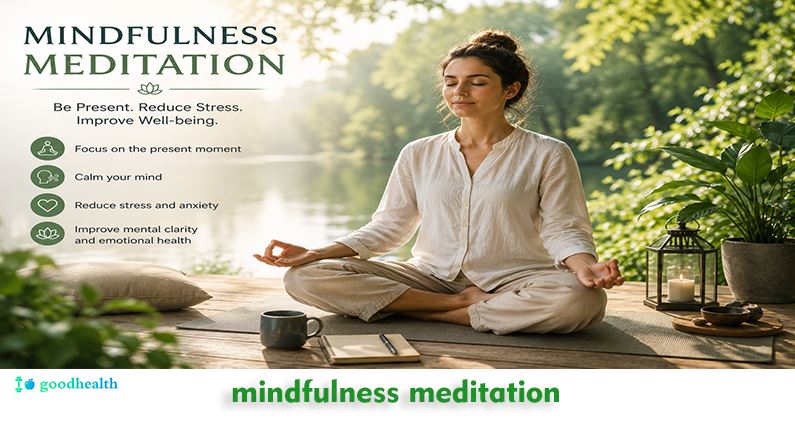
Stillness is the native language of the human spirit, yet it is a condition modern humans rarely encounter by accident. Deliberately seeking out silence is a foundational practice for those striving to achieve equilibrium. This practice does not strictly require formal meditation, although traditional mindfulness techniques are highly effective. Intentional stillness can be as simple as sitting quietly with a cup of tea in the morning, observing the shifting light without the urge to consume information or produce output.
In these moments of unforced quiet, the subconscious mind is granted the space to process lingering emotions and surface buried insights. Regular engagement with stillness builds emotional resilience, reducing the tendency to react impulsively to external triggers. Over time, individuals who prioritize silence develop a spaciousness in their minds, allowing them to approach conflicts and challenges with a calm, grounded demeanor that reflects their internal stability.
Aligning Daily Actions with Fundamental Values
A significant source of spiritual exhaustion stems from cognitive dissonance—the psychological friction that occurs when one’s actions contradict their deeply held beliefs. Achieving harmony requires a rigorous, honest audit of how time, money, and energy are being spent. If an individual highly values community and connection but spends all their waking hours in solitary pursuit of wealth, a spiritual deficit is inevitable.
Recalibrating life to reflect core values often involves making difficult, unpopular decisions. It may mean declining lucrative opportunities that compromise ethical standards or stepping away from relationships that consistently drain emotional reserves. However, the energy liberated by aligning external choices with internal truths is immense. This alignment removes the heavy burden of pretense, allowing individuals to move through the world with a light, authentic, and spiritually sound presence.
Grounding Practices to Anchor Your Energy
The concept of grounding, or earthing, operates on both a physical and metaphorical level to restore balance to an overworked mind. Reconnecting with the natural world is perhaps the most immediate and accessible method for realigning a scattered spirit. Human biology is intrinsically linked to the rhythms of nature, and spending time in environments free from concrete and artificial light has a profound, scientifically documented effect on lowering cortisol levels and soothing an agitated nervous system.
Engaging deeply with the physical senses helps pull energy down from an overactive mind and into the present reality of the body. Walking barefoot on grass, tending to a garden, or simply sitting near a body of water serves as a potent reminder of the vast, enduring world that exists outside the narrow confines of human anxieties. These grounding practices foster a sense of proportion and perspective, minimizing the perceived severity of daily stressors and reconnecting the individual to the larger tapestry of life.
In addition to nature-based practices, mindful movement serves as a vital tool for grounding spiritual energy. Disciplines such as yoga, tai chi, or even focused, rhythmic walking demand a synchronization of breath and physical exertion that inherently anchors the practitioner in the present moment. This conscious embodiment prevents the spirit from becoming detached and floating in the abstract realm of thoughts, ensuring that spiritual insights are practical, lived experiences rather than mere intellectual concepts.
spiritual balance in life
Navigating the Hidden Barriers to Equilibrium
A common pitfall on the journey toward spiritual harmony is the embrace of toxic positivity—the misguided belief that a balanced life requires the constant expression of happiness and the suppression of negative emotions. This phenomenon, often referred to as spiritual bypassing, uses superficial spiritual concepts to avoid dealing with unresolved psychological wounds or difficult life circumstances. True equilibrium is not the absence of pain or anger; it is the capacity to experience the full spectrum of human emotion without being permanently destabilized by it.
Embracing the shadow self—the aspects of the personality that are hidden, repressed, or deemed unacceptable—is essential for achieving genuine wholeness. A balanced spirit acknowledges its flaws, fears, and past traumas with profound self-compassion. By shining a light on these darker areas and processing the associated emotions, individuals prevent these unresolved issues from unconsciously sabotaging their peace and directing their behavior from the shadows.
Another significant barrier to maintaining spiritual equilibrium is the porousness of personal boundaries. Empathetic individuals, in particular, run the risk of absorbing the emotional turbulence of those around them, mistaking the burdens of others for their own. Establishing energetic boundaries involves recognizing where one’s own emotional responsibility ends and another person’s begins. Protecting one’s spiritual energy is not an act of selfishness, but a necessary prerequisite for showing up authentically and offering sustainable, healthy support to the broader community.
Fostering Emotional Intelligence for Holistic Well-being
Emotional intelligence and spiritual health are inextricably linked, serving as two sides of the same holistic coin. The ability to identify, understand, and regulate one’s emotions is crucial for preventing external circumstances from dictating internal states. When a person lacks emotional awareness, they are entirely at the mercy of their immediate reactions, rendering sustained spiritual peace impossible. Cultivating emotional intelligence allows an individual to observe their feelings with objective curiosity rather than becoming wholly consumed by them.
Processing difficult emotions constructively is a profound spiritual practice. Instead of suppressing grief, frustration, or disappointment, a balanced individual allows these feelings to move through their physical and emotional bodies. They understand that emotions are temporary energetic states that carry valuable information about personal boundaries and unmet needs. By listening to these emotional messengers rather than silencing them, individuals foster a deep, trusting relationship with their own intuition.
Furthermore, high emotional intelligence naturally breeds compassion and empathy, which are the outward expressions of an internally balanced spirit. When someone is secure in their own spiritual foundation, they are less likely to judge the journeys of others. This outward-facing grace reduces interpersonal friction and fosters environments of mutual respect and understanding, creating a positive feedback loop that further reinforces the individual’s own sense of peace and connectedness.
The Dynamic Nature of Lifelong Spiritual Integration
A fundamental misconception about spiritual balance is that it represents a static, permanent destination. In reality, maintaining this equilibrium is a dynamic, lifelong process characterized by constant adjustment and recalibration. Life is inherently unpredictable, bringing periods of intense joy, profound sorrow, and unexpected transitions. A practice that brings immense peace during a quiet season of life may prove entirely insufficient during a period of crisis or rapid change.
Adaptability is therefore a critical component of spiritual resilience. As individuals mature and their circumstances evolve, their spiritual toolkit must expand accordingly. This might involve shifting from solitary meditation practices to community-based worship, or transitioning from rigorous intellectual study to more somatic, body-based healing modalities. Remaining rigidly attached to a specific routine, even a spiritual one, can eventually become a source of limitation rather than a source of liberation.
Community also plays an indispensable role in sustaining spiritual momentum over the long term. While the journey inward is deeply personal, sharing insights, struggles, and triumphs with like-minded individuals provides vital perspective and encouragement. A supportive community acts as a mirror, reflecting blind spots and offering grounded wisdom when an individual loses their way. Engaging in shared spiritual exploration prevents the isolation that can sometimes accompany deep internal work, reminding individuals that their personal pursuit of peace is connected to the collective well-being of humanity.
Committing to Lifelong Spiritual Integration
The pursuit of spiritual balance in life ultimately demands a fundamental shift in how one approaches daily existence. It requires transitioning from a reactive state, driven by external demands and societal pressures, to a highly proactive state governed by internal clarity and intentionality. The holistic integration of mind, body, and spirit ensures that individuals are not merely surviving their schedules, but are actively engaging in a life that feels deeply meaningful and deeply rooted in personal truth. Prioritizing this internal equilibrium provides the ultimate competitive advantage in a chaotic world: an unshakable foundation of inner peace that remains intact regardless of the shifting landscapes of professional endeavors or personal circumstances. As routines are adjusted, values are honored, and stillness is embraced, the profound benefits of a harmonized spirit naturally ripple outward, transforming not just the individual, but the quality of every interaction and endeavor they pursue.
Please note
The content provided in this article is for educational and informational purposes only and should not be construed as medical, nutritional, or therapeutic advice. The recommendations provided may not be appropriate for everyone. The final decision regarding your health and lifestyle is yours, and we recommend that you consult with your doctor or other health professional before making any changes or taking any action.