easy healthy breakfast ideas


Finding the time to prepare a nutritious meal at the beginning of the day is a common struggle for many professionals, parents, and students. The morning rush often dictates our choices, leading us toward highly processed convenience foods or causing us to skip the meal entirely. However, fueling your body after a night of fasting is critical for establishing consistent energy levels, supporting cognitive function, and regulating appetite throughout the remainder of the day. By incorporating easy healthy breakfast ideas into your daily routine, you can bypass the temptation of sugary pastries and drive-thru windows. Creating a sustainable morning regimen does not require waking up hours before dawn or possessing advanced culinary skills. Instead, it relies on strategic planning, an understanding of basic nutritional components, and a repertoire of accessible recipes that can be assembled in minutes or prepared the night before.
The Foundation of a Nourishing Morning Routine
The physiological state of the body upon waking requires careful attention to properly transition from rest to an active state. During the night, your body depletes its hepatic glycogen stores to maintain basic metabolic functions and stable blood sugar levels. Replenishing these stores with high-quality nutrients immediately impacts your metabolic rate and sets the tone for your endocrine system. When you consume a well-rounded meal, you signal to your body that resources are plentiful, which helps optimize cortisol levels and prevents the sluggishness often associated with mid-morning energy crashes.
Beyond basic metabolism, cognitive performance is heavily reliant on morning nutrition. The brain consumes a significant portion of the body’s glucose, and initiating the day with complex carbohydrates ensures a steady, sustained release of fuel to the prefrontal cortex. This translates directly to improved focus, enhanced problem-solving capabilities, and a greater capacity for sustained attention. People who prioritize a balanced morning meal consistently report fewer instances of brain fog and a higher degree of mental clarity when tackling complex tasks during the early hours of the workday.
Furthermore, a strategic morning meal plays a vital role in long-term weight management and appetite regulation. Skipping the first meal of the day often leads to compensatory eating later in the afternoon or evening, where the body naturally craves high-calorie, easily digestible foods to make up for the caloric deficit. By providing your digestive system with a robust combination of dietary fiber and protein early on, you activate satiety hormones like peptide YY and GLP-1. This hormonal response keeps hunger pangs at bay, making it significantly easier to make mindful, health-conscious dietary decisions during lunch and dinner.
Core Building Blocks for Sustained Energy
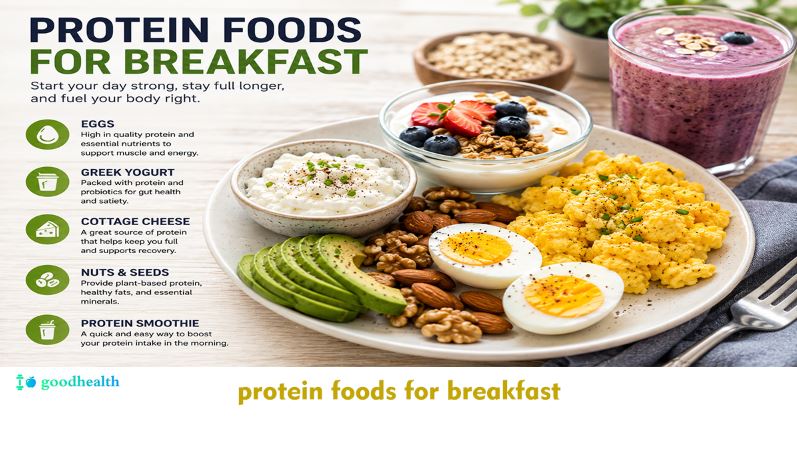
Understanding the macronutrient profile of your morning meal is just as important as the ingredients themselves. A truly optimized plate should feature a generous serving of high-quality protein. Protein requires more energy to digest than carbohydrates or fats, a process known as the thermic effect of food, which naturally boosts your metabolism. More importantly, protein provides the essential amino acids necessary for muscle repair and neurotransmitter production. Excellent sources include Greek yogurt, cottage cheese, eggs, and high-quality plant-based options like pumpkin seeds or organic soy milk.
Complex carbohydrates are the next essential pillar of an effective morning routine. Unlike refined carbohydrates found in white bread and sugary cereals, complex carbohydrates contain the bran and germ of the grain, providing a wealth of dietary fiber, vitamins, and minerals. Fiber slows down the digestive process, preventing the rapid spikes and subsequent crashes in blood glucose that leave you feeling exhausted by ten in the morning. Incorporating foods like steel-cut oats, quinoa, sweet potatoes, or sprouted grain breads ensures that your body receives a gentle, continuous supply of energy.
Healthy fats round out the nutritional profile and are crucial for the absorption of fat-soluble vitamins, including vitamins A, D, E, and K. Dietary fats also contribute significantly to the texture and flavor of your meals, making healthy eating a more enjoyable and sustainable practice. Integrating sources of monounsaturated and polyunsaturated fats, such as sliced avocados, walnuts, chia seeds, or a drizzle of extra virgin olive oil, enhances cellular health and provides long-lasting satiety. When these three macronutrients are combined thoughtfully, they create a metabolic synergy that keeps you fueled for hours.
How Macronutrients Work Together
The interaction between protein, complex carbohydrates, and fats is what dictates your energy curve. Carbohydrates provide the immediate fuel, while fats and proteins act as a metabolic braking system, slowing the release of glucose into the bloodstream. This physiological orchestration prevents the rapid insulin spikes that lead to lethargy, ensuring that your morning meal translates into functional, usable energy rather than being stored as excess adipose tissue.
Mastering the Art of Overnight Oats and Warm Porridge
Oats remain one of the most versatile and nutritionally dense options for those seeking quick morning meals. They are particularly rich in a specific type of soluble fiber known as beta-glucan, which has been extensively studied for its ability to lower low-density lipoprotein cholesterol and improve cardiovascular health. Traditional warm oatmeal can be prepared on the stovetop in under ten minutes and serves as a blank canvas for a multitude of nutrient-dense toppings. Stirring in a spoonful of almond butter, folding in fresh berries, and sprinkling a dash of Ceylon cinnamon not only elevates the flavor profile but introduces an abundance of antioxidants and healthy fats to the bowl.
For individuals with zero time to spare in the morning, overnight oats represent the ultimate meal prep solution. By combining rolled oats with a liquid base—such as almond milk, oat milk, or traditional dairy—and letting the mixture rest in the refrigerator overnight, the oats soften and absorb the liquid, creating a creamy, pudding-like texture. This method entirely eliminates morning preparation time. The beauty of overnight oats lies in their infinite customizability. You can create layers with mashed raspberries and chia seeds, or mix in cocoa powder and a scoop of protein powder for a more robust, dessert-inspired flavor profile that still adheres to strict nutritional standards.
Transitioning between warm and cold preparations also allows you to adapt to seasonal changes without abandoning your nutritional goals. During colder months, taking three minutes to heat a pre-assembled jar of oats provides a comforting, warming start to the day. In the heat of summer, a chilled jar of overnight oats topped with tropical fruits like mango and coconut flakes offers a refreshing and hydrating option. This adaptability ensures that oat-based meals remain a steadfast component of your dietary routine year-round.
Nutrient-Dense Smoothies for Complete Hydration
When chewing a full meal feels overwhelming in the early hours, liquid nutrition offers a highly efficient alternative. Smoothies have evolved far beyond the sugar-laden fruit slushes of the past; they are now carefully engineered vehicles for massive amounts of micro and macronutrients. Building a balanced smoothie requires a strategic approach to prevent it from becoming a hidden source of excess simple sugars. Starting with a base of leafy greens, such as a generous handful of spinach or kale, introduces essential vitamins and minerals without impacting the flavor. The high water content of these vegetables also aids in morning hydration, which is crucial after hours of sleep.
To ensure the smoothie provides lasting energy, the inclusion of protein and healthy fats is non-negotiable. A scoop of unsweetened protein powder, whether whey or a plant-based alternative like pea protein, instantly elevates the satiety factor. Adding a tablespoon of ground flaxseed, hemp hearts, or a quarter of an avocado introduces omega-3 fatty acids and yields a luxurious, creamy texture. When selecting fruits, it is wise to stick to lower-glycemic options like frozen wild blueberries, raspberries, or a small portion of a green banana. These fruits provide necessary natural sweetness and a wealth of antioxidants without causing dramatic fluctuations in blood sugar.
Strategic Ingredient Layering
The physical assembly of your smoothie ingredients plays a role in the efficiency of your morning routine. To achieve the best texture and protect the blades of your blender, always pour your liquid base in first, followed by leafy greens and soft ingredients like yogurt or nut butters. Frozen fruits and ice should be added last, acting as a weight to push the lighter ingredients down into the blades. This simple layering technique ensures a perfectly smooth consistency every time, preventing frustrating delays caused by a jammed blender.
Elevated Egg Preparations for Maximum Satiety
Eggs have rightfully reclaimed their status as a nutritional powerhouse and are an essential component of many healthy morning routines. A single large egg provides a highly bioavailable source of complete protein, meaning it contains all nine essential amino acids required by the human body. Furthermore, the yolk is incredibly nutrient-dense, housing vital compounds like choline, which is critical for brain health and neurotransmitter function, as well as lutein and zeaxanthin, antioxidants that support eye health. Incorporating eggs into your daily diet provides a robust nutritional foundation that supports overall vitality.
While a simple fried or scrambled egg is quick, maximizing the nutritional output of your morning meal involves integrating a variety of vegetables. A quick vegetable scramble can be executed in under five minutes. Sautéing a handful of cherry tomatoes, a handful of baby spinach, and some diced bell peppers before adding beaten eggs transforms a basic dish into a vibrant, volume-heavy meal. The water and fiber content of the vegetables dramatically increases the physical size of the meal, promoting a feeling of fullness without contributing excess calories, while simultaneously boosting your daily intake of micronutrients.
For those who prioritize advance preparation, baked egg muffins or frittatas are an unparalleled solution. By whisking a dozen eggs with a splash of milk, folding in cooked vegetables, lean meats like turkey sausage, and a small amount of sharp cheese, you can portion the mixture into a silicone muffin tin and bake it. These individual egg cups can be stored in the refrigerator for several days and require only thirty seconds in the microwave to reheat. This method provides the luxury of a hot, protein-rich, savory meal on days when you have absolutely no time to turn on the stove.
Plant-Based Marvels and Vegan Morning Solutions
The shift toward plant-forward eating has illuminated a vast array of morning meal options that are entirely free of animal products yet exceptionally high in nutritional value. Tofu, often reserved for lunch or dinner, serves as an outstanding substitute for eggs. Firm tofu can be crumbled into a skillet and sautéed with turmeric, which imparts a vibrant yellow hue mimicking scrambled eggs while providing powerful anti-inflammatory benefits. When combined with nutritional yeast for a savory, cheesy flavor profile, and black salt to replicate the sulfurous taste of eggs, a tofu scramble becomes a highly satisfying, protein-dense meal that comes together in mere minutes.
Chia seed pudding is another cornerstone of plant-based morning nutrition, capitalizing on the unique hydrophilic properties of chia seeds. When submerged in liquid, these tiny seeds can absorb up to twelve times their weight in water, developing a gelatinous texture that is incredibly soothing to the digestive tract. Mixing three tablespoons of chia seeds with a cup of unsweetened almond milk and a drop of vanilla extract the night before yields a rich, fibrous pudding by morning. Because chia seeds are exceptionally high in omega-3 fatty acids and dietary fiber, this simple dish provides an intense level of sustained energy and promotes excellent digestive health.
Avocado toast has transcended trend status to become a legitimate, deeply nourishing dietary staple, particularly for those following a vegan lifestyle. The key to elevating avocado toast lies in the selection of the bread and the garnishes. Utilizing a dense, seeded sourdough or sprouted grain bread ensures a low glycemic impact and provides a sturdy base. Mashing a ripe avocado with a squeeze of fresh lemon juice, sea salt, and red pepper flakes creates a base rich in monounsaturated fats. Topping the toast with microgreens, roasted pumpkin seeds, or a drizzle of tahini adds layers of texture, additional plant protein, and complex flavor profiles that make the meal deeply satisfying.
Transforming Baking into a Strategic Prep Advantage
For individuals who prefer a sweeter, more traditional start to the day, healthy baked goods offer a fantastic opportunity to combine convenience with dense nutrition. Traditional muffins and breakfast breads are often laden with refined flours and sugars, rendering them closer to dessert than a functional morning meal. However, by taking control of the ingredients in your own kitchen, you can batch-bake wholesome alternatives that provide lasting energy. Utilizing flour alternatives such as almond flour, coconut flour, or whole wheat pastry flour drastically increases the fiber and protein content of your baked goods while lowering the overall carbohydrate load.
Substituting refined sugars with natural, nutrient-dense alternatives is a critical step in healthy baking. Mashed overripe bananas, unsweetened applesauce, or pure maple syrup can provide the necessary sweetness and moisture while offering additional vitamins and minerals. Furthermore, baking provides an excellent opportunity to discreetly incorporate vegetables into your diet. Grated zucchini, shredded carrots, or even pureed sweet potato blend seamlessly into batters, adding incredible moisture, bulk, and a host of phytonutrients without compromising the taste or texture of the final product.
The strategic advantage of baking lies in its high yield and storability. Spending an hour on a Sunday afternoon baking a batch of oatmeal carrot muffins or homemade granola bars yields enough servings to last an entire week. These items can be kept in an airtight container on the counter, stored in the refrigerator for extended freshness, or even frozen individually for long-term use. Grabbing a nutrient-dense, homemade baked good alongside a piece of whole fruit or a hard-boiled egg provides a perfectly balanced, instant meal that requires zero active preparation on busy weekday mornings.
Overcoming Common Morning Time Constraints
The primary barrier to consistently eating well in the early hours is not a lack of nutritional knowledge, but rather a lack of structured systems to manage time effectively. Decision fatigue is a real phenomenon; when you wake up groggy, the cognitive effort required to decide what to cook, locate the ingredients, and execute the recipe is often enough to derail your intentions entirely. By shifting the decision-making process to the evening before or the weekend prior, you remove the friction associated with healthy eating. Knowing exactly what you are going to consume before your feet touch the floor is the secret to long-term consistency.
Setting up your environment for success is a practical step that yields immediate results. This can be as simple as placing your skillet on the stove, pre-measuring your dry oats into a bowl, or setting out your blender jar with the protein powder already inside. Washing and chopping fresh fruit, slicing vegetables for a scramble, or portioning out nuts and seeds into small containers the night before shaves crucial minutes off your morning routine. These micro-habits compound over time, transforming a chaotic morning kitchen into an efficient assembly line where healthy choices are the path of least resistance.
Flexibility is also a crucial component of overcoming time constraints. Not every morning will go according to plan, and having a hierarchy of options ensures that a late alarm does not result in a nutritional disaster. Your tier-one meal might be a freshly cooked vegetable omelet when you have fifteen minutes. Your tier-two meal could be a pre-made chia pudding when you have five minutes. Your tier-three emergency meal might consist of a high-quality protein bar and a handful of almonds eaten during your commute. Recognizing that perfection is the enemy of progress allows you to maintain your dietary standards regardless of the daily variables.
Sustaining Your Morning Routine with Smart Choices
Achieving long-term success with your daily nutrition requires moving away from the concept of restrictive dieting and embracing the power of preparation and whole foods. By integrating a variety of easy healthy breakfast ideas into your lifestyle, you build a robust foundation for metabolic health, mental acuity, and sustained physical energy. Whether you lean toward the warming comfort of steel-cut oats, the efficiency of a well-crafted green smoothie, or the savory satisfaction of an egg and vegetable scramble, the overarching goal remains the same: to supply your body with the high-quality macronutrients it demands to function optimally. Prioritizing this early meal sets a precedent of self-care and intentionality that positively influences your dietary decisions for the rest of the day, ultimately leading to profound improvements in your overall well-being.
What is the healthiest breakfast to eat every day?
Oatmeal topped with fresh berries, nuts, and a scoop of protein powder gives you the perfect daily balance of fiber and sustained energy.
What can I make for a healthy breakfast in under 5 minutes?
Avocado toast on whole-grain bread or a quick spinach and banana smoothie can easily be whipped up on a busy morning.
Can I prep healthy breakfasts ahead of time for the whole week?
Overnight oats and baked egg muffins stay fresh in the fridge for days and are perfect grab-and-go options for busy schedules.
What is the best healthy breakfast for weight loss?
High-protein options like plain Greek yogurt or veggie-packed egg scrambles help keep you full and curb mid-morning sugar cravings.
Are eggs actually a healthy choice to eat every morning?
Absolutely, eggs are a fantastic source of high-quality protein and essential nutrients that fuel your brain and body for the day ahead.
Please note
The content provided in this article is for educational and informational purposes only and should not be construed as medical, nutritional, or therapeutic advice. The recommendations provided may not be appropriate for everyone. The final decision regarding your health and lifestyle is yours, and we recommend that you consult with your doctor or other health professional before making any changes or taking any action.