Natural ways to reduce stress quickly

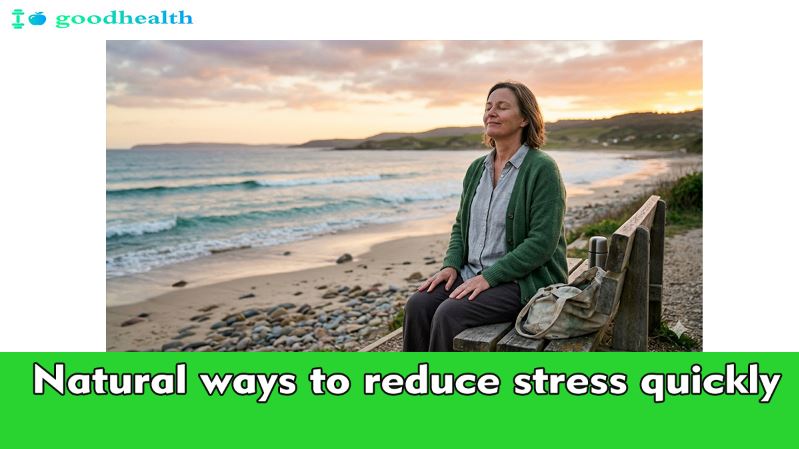
Modern life frequently presents situations that trigger the body’s acute stress response, leaving individuals searching for immediate relief. When a sudden surge of pressure strikes, the autonomic nervous system shifts into a state of hyperarousal, flooding the bloodstream with cortisol and adrenaline. While chronic tension requires long-term lifestyle management, learning natural ways to reduce stress quickly can help restore emotional equilibrium and physiological balance within minutes. By utilizing targeted somatic, respiratory, and environmental interventions, it is entirely possible to interrupt the biological panic loop and regain focus without relying on pharmaceutical aids.
The Physiology of Rapid Stress Reduction
Understanding how the body processes pressure is essential to mastering immediate stress relief techniques. When faced with a perceived threat, whether it is an upcoming presentation or an overwhelming workload, the amygdala signals the hypothalamus to activate the sympathetic nervous system. This survival mechanism increases heart rate, dilates airways, and sharpens visual acuity. However, when this response is disproportionate to the actual situation, it manifests as debilitating anxiety, mental fog, and physical tension.
To counteract this state of high alert, one must deliberately engage the parasympathetic nervous system, often referred to as the body’s brake system. This branch of the nervous system is responsible for promoting relaxation, slowing the heart rate, and lowering systemic blood pressure. Natural methods that target the body’s physical architecture leverage a concept known as biofeedback, where altering physical states directly influences neural activity. By changing how you move, breathe, or perceive your immediate surroundings, you send unambiguous safety signals back to the brain, forcing the down-regulation of stress chemicals.
The speed at which the human body can transition from panic to calm is highly dependent on targeting the vagus nerve. As the primary component of the parasympathetic nervous system, the vagus nerve extends from the brainstem down through the neck, heart, and lungs into the abdomen. Stimulating this neural highway acts as an immediate off-switch for acute tension. When you employ natural ways to reduce stress quickly, you are primarily utilizing mechanical interventions that increase vagal tone, allowing you to calm your mind by altering your physical state.
Controlled Respiration Techniques for Immediate Relief
Deep, intentional breathing is arguably the most efficient tool for mitigating acute pressure because it is immediately accessible and directly alters respiratory mechanics. Under stress, breathing naturally becomes shallow and rapid, a pattern that traps carbon dioxide in the lungs and further alerts the brain to danger. By consciously switching to diaphragmatic breathing, you maximize oxygen exchange and mechanically stimulate the vagus nerve as the diaphragm expands against internal organs.
One of the most clinically validated practices for stabilizing a hyperreactive nervous system is the box breathing technique. Utilized extensively by high-stress professionals, including emergency first responders and military personnel, this method introduces rhythmic symmetry to respiration, which stabilizes heart rate variability. The practice involves inhaling deeply, holding the breath, exhaling completely, and holding the empty lungs, with each phase lasting an equal duration of four seconds. This structured pattern breaks the erratic breathing cycle typical of acute panic, clearing cognitive confusion and reducing physical trembling rapidly.
Another rapid-acting respiratory intervention is the physiological sigh, a breathing pattern natively produced by mammals during periods of claustrophobia or deep emotional distress. To execute a physiological sigh intentionally, take two quick, consecutive inhalations through the nose—the first deep, followed immediately by a short, sharp second inhale to fully inflate the alveoli in the lungs—then follow with a long, slow exhalation through the mouth. Research indicates that just two or three repetitions of this specific breathing cycle can instantly deflate the nervous system by rapidly removing excess carbon dioxide from the bloodstream, making it a premier choice to manage acute stress naturally.
Somatic Grounding and Sensory Reorientation
When emotional pressure threatens to cause cognitive overload, the mind often becomes trapped in a loop of anticipatory anxiety or catastrophic thinking. Somatic grounding techniques redirect this internal hyper-focus outward into the physical environment, using sensory input to anchor the mind in the present moment. This cognitive displacement deprives the stress response of its psychological fuel, allowing the physical symptoms of anxiety to subside naturally.
The 5-4-3-2-1 grounding method is a structured sensory exercise designed to de-escalate acute mental tension within minutes. To perform it, look around your immediate environment and identify five things you can see, four things you can physically feel, three things you can hear, two things you can smell, and one thing you can taste. By forcing the prefrontal cortex to process neutral, tangible data from the external world, the brain deprioritizes the emotional alerts coming from the amygdala, reducing anxiety fast and restoring rational clarity.
Complementing sensory orientation is progressive muscle relaxation, a technique that addresses the physical armor the body assumes during stressful events. Chronic and acute pressure causes unconscious muscle constriction, particularly in the jaw, shoulders, and neck, which feeds back into the brain as a justification for continued panic. By systematically tensing a specific muscle group for five seconds and then abruptly releasing it, you create a stark contrast between tension and relaxation. This sudden release expels accumulated physical stress, lowers systemic muscle tone, and induces a profound sense of physical calm that permeates the psyche.
Environmental Shifting and Thermal Regulation
The immediate physical environment plays a monumental role in maintaining or exacerbating elevated cortisol levels. Remaining stationary in the exact environment where a stressor occurred often prolongs the psychological impact of that trigger. Introducing a sudden change in physical surroundings or altering sensory input provides a powerful pattern interrupt that helps reset autonomic arousal.
Hydrotherapy, specifically cold water immersion or facial splashing, triggers a powerful evolutionary survival mechanism known as the mammalian dive reflex. When cold water makes contact with human facial receptors, particularly around the eyes and nose, the vagus nerve is instantly stimulated, causing an immediate drop in heart rate and a redistribution of blood flow to vital organs. Splashing ice-cold water on your face for thirty seconds or holding an ice cube in your hand serves as an intense physical distraction that stops escalating stress in its tracks, making it one of the most effective instant calming methods available.
Exposure to natural elements, even in minimal doses, offers another potent pathway for environmental stress reduction. Stepping outside to experience sunlight, fresh air, or the visual symmetry of trees significantly alters neural oscillations. Studies focusing on ecotherapy demonstrate that viewing natural green spaces lowers salivary cortisol levels and reduces sympathetic nervous system activity far quicker than resting in an artificial, indoor environment. If leaving an indoor workspace is impossible, listening to natural sounds, such as falling rain or ocean waves through headphones, can mimic these neurobiological benefits by providing a soothing acoustic mask that dampens chaotic ambient noise.
Neurochemical Interventions Through Movement and Hydration
Physical inactivity during moments of high stress forces the body to retain the biochemical resources it prepared for survival. The surge of adrenaline and glucose released during a stress response is intended to fuel immediate physical action. When an individual remains sedentary while experiencing this neurochemical surge, the retained energy manifests as internal restlessness, palpitations, and intense mental agitation.
Engaging in brief, high-intensity physical bursts allows the body to metabolize circulating stress hormones productively. Performing two minutes of vigorous jumping jacks, air squats, or a fast-paced walk down a hallway gives the nervous system the physical outlet it expects, effectively burning off excess adrenaline. Once the physical exertion ceases, the body naturally initiates a recovery phase characterized by muscular relaxation and a drop in baseline heart rate, leaving you noticeably calmer than before the movement.
Furthermore, the relationship between basic cellular hydration and emotional regulation is frequently underestimated in modern stress management. Mild dehydration directly stresses the human body, elevating baseline cortisol production and causing subtle physiological shifts that closely mirror the early stages of panic, such as increased heart rate and mild dizziness. Drinking a large glass of cool water during a high-pressure situation acts as an immediate physical grounding mechanism while optimizing cellular function, ensuring that physiological dehydration does not amplify psychological stress.
Cognitive Reframing and Radical Acceptance in Real Time
While physical interventions alter the bodily sensations of stress, cognitive strategies dismantle the psychological architecture that keeps the stress response active. The intensity of an emotional crisis is often dictated not by the external event itself, but by the internal narrative surrounding that event. Developing the ability to alter this narrative in real time stops the continuous cycle of worry that drives chronic physical tension.
Verbalizing your current emotional state, a process known in psychology as affect labeling, significantly reduces the intensity of negative emotions. When you silently acknowledge or speak aloud a phrase like “I am feeling overwhelmed right now,” you shift neural activity from the hyperactive amygdala to the logical prefrontal cortex. This simple act of identification strips the emotion of its mystique and control, transforming an all-encompassing internal panic into a manageable cognitive data point that can be systematically addressed.
Adopting a mindset of radical acceptance toward the sensation of stress itself can prevent an uncomfortable moment from turning into a prolonged panic attack. Resistance to discomfort often creates a secondary layer of anxiety, where you become stressed about being stressed, amplifying the initial reaction. By choosing to accept the temporary presence of elevated adrenaline without judging it or fighting it, you allow the biological half-life of stress chemicals to run their natural course, resulting in a much faster return to a resting physiological state.
Maximizing Daily Resilience Against Acute Pressure
Integrating these rapid stress relief techniques into a cohesive personal protocol ensures that you are always prepared to handle unpredictable moments of high pressure. Rather than waiting for stress to become unmanageable, practicing these natural interventions at the first sign of physical tension prevents emotional escalation. Over time, these small, consistent resets train the nervous system to return to equilibrium with greater efficiency, shrinking the duration and severity of subsequent stressful episodes.
Building this resilience requires a willingness to experiment with different modalities to find what resonates best with your unique physiology. Some individuals respond immediately to the mechanical shift of box breathing, while others find complete relief through thermal regulation or short physical bursts. By assembling a customized toolkit of natural methods, you gain complete agency over your emotional well-being, freeing yourself from the paralysis of unexpected anxiety.
Ultimately, mastering the ability to calm your body and mind quickly serves as a foundation for sustained mental clarity and long-term health. Cultivating a responsive, adaptable nervous system protects your cardiovascular health, preserves cognitive focus, and enhances overall emotional intelligence. Utilizing these natural tools allows you to navigate the complexities of modern life with steady confidence, transforming how you respond to pressure and reclaiming your internal peace in any situation.
What is the absolute fastest natural way to calm down during a high-stress moment?
Deep diaphragmatic breathing, specifically making your exhales twice as long as your inhales, instantly signals your nervous system to lower your heart rate.
Do stress-relief supplements like ashwagandha or magnesium actually work quickly?
While magnesium can help relax tight muscles within an hour, adaptogens like ashwagandha typically require a few weeks of consistent use to noticeably lower your baseline stress.
How can I naturally relieve work stress at my desk without anyone noticing?
Try the 5-4-3-2-1 grounding method by mentally naming things you see and feel around you, or use progressive muscle relaxation under your desk to discreetly break the tension.
Are there any immediate natural stress remedies that don’t involve meditation or breathing exercises?
Stepping outside for a brisk five-minute walk in natural light or splashing ice-cold water on your face can instantly trigger a physical reset in your nervous system.
Can drinking a glass of water really help reduce sudden anxiety and stress?
Yes, because even mild dehydration mimics anxiety by increasing your heart rate and spiking cortisol, so hydrating provides immediate physical and mental relief.
Please note
The content provided in this article is for educational and informational purposes only and should not be construed as medical, nutritional, or therapeutic advice. The recommendations provided may not be appropriate for everyone. The final decision regarding your health and lifestyle is yours, and we recommend that you consult with your doctor or other health professional before making any changes or taking any action.