how to increase dopamine naturally

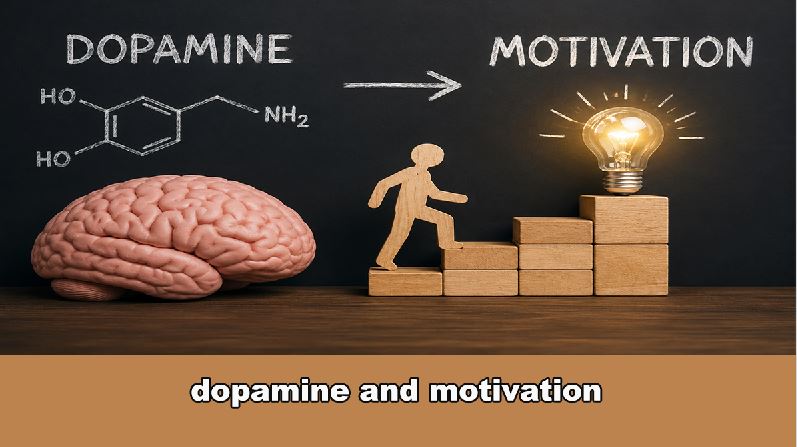
Dopamine is often misunderstood simply as the brain’s “pleasure chemical,” but its true role extends far beyond fleeting moments of joy. As a crucial neurotransmitter, it acts as the primary driver of motivation, focus, and the internal reward system that governs everyday behavior. When functioning optimally, it provides the sustained energy needed to pursue long-term goals, embrace personal development, and maintain a vibrant, healthy lifestyle. However, modern environments filled with instant gratification can easily hijack this system, leading to imbalances that manifest as brain fog, chronic fatigue, and an inability to break negative habits. Learning how to increase dopamine naturally is essential for restoring cognitive baseline levels, regaining mental clarity, and establishing routines that support lasting growth rather than relying on artificial spikes from temporary stimulants.
The Science Behind Dopamine and the Brain’s Reward System
To effectively boost dopamine levels, it is vital to first understand how this chemical messenger operates within the nervous system. Produced in several areas of the brain, including the substantia nigra and the ventral tegmental area, dopamine transmits signals between neurons to regulate movement, emotional responses, and the anticipation of rewards. It is the chemical that propels individuals toward a desired outcome, creating a sense of drive before a goal is even achieved. This anticipatory mechanism is what makes human beings capable of long-term planning, complex problem-solving, and disciplined behavior.
When the dopamine system is functioning correctly, everyday activities like completing a challenging work project, finishing a strenuous workout, or preparing a nutritious meal trigger a healthy release of the neurotransmitter. This release reinforces positive behavior, making it easier to repeat those beneficial actions in the future. Conversely, a dopamine deficiency often results in apathy, procrastination, and a lack of enthusiasm for activities that once brought deep satisfaction. People with low baseline levels frequently find themselves trapped in a cycle of seeking quick, high-dopamine stimuli—such as excessive social media scrolling, consuming highly palatable processed foods, or engaging in other impulsive behaviors—just to feel a basic sense of normalcy.
Breaking this vicious cycle requires a deliberate recalibration of the brain’s neurochemistry. By stepping away from hyper-stimulating environments and focusing on holistic, health-driven practices, the brain can gradually repair and resensitize its dopamine receptors. This process lays the foundation for sustainable, intrinsic motivation. By implementing targeted lifestyle interventions, anyone can encourage their brain to produce and utilize this vital neurotransmitter more efficiently, paving the way for breaking negative habits and replacing them with life-affirming, positive routines.

Nutritional Strategies to Support Neurotransmitter Synthesis
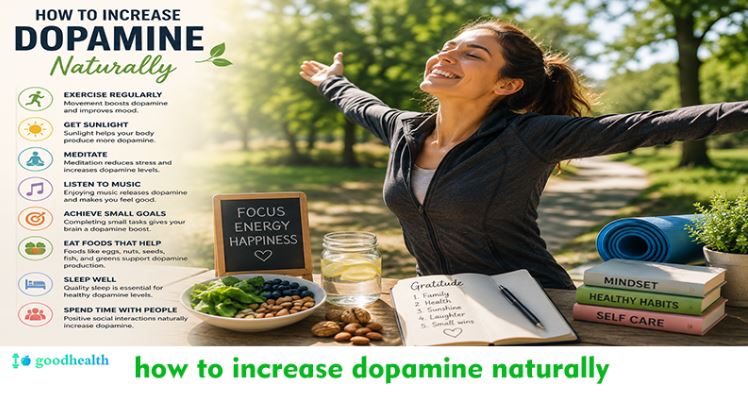
Diet plays an undeniable role in regulating brain health, and the food consumed daily directly impacts the body’s ability to synthesize critical neurotransmitters. Dopamine is synthesized from the amino acid tyrosine, which itself is derived from another amino acid called phenylalanine. Ensuring an adequate, consistent intake of these building blocks is the first dietary step in learning how to increase dopamine naturally. Foods rich in tyrosine provide the raw materials the brain requires to maintain optimal chemical production, making dietary choices a foundational pillar of cognitive optimization.
Animal proteins such as grass-fed beef, pasture-raised poultry, eggs, and wild-caught fish are excellent, highly bioavailable sources of tyrosine. For those adhering to a plant-based diet, almonds, pumpkin seeds, soy products, and legumes also offer substantial amounts of these critical amino acids. Beyond protein, the consumption of antioxidant-rich foods is strictly necessary to protect delicate dopamine-producing neurons from oxidative stress. Free radicals can damage brain cells over time, leading to cognitive decline and mood dysregulation. A diet abundant in colorful vegetables, berries, and leafy greens delivers the vitamins and minerals required to neutralize these harmful compounds and protect vital neural pathways.
Furthermore, maintaining a stable blood sugar level is imperative for healthy dopamine function and overall metabolic wellness. Diets high in refined sugars and saturated fats have been repeatedly shown to suppress natural dopamine signaling over time, contributing to the development of cognitive sluggishness and emotional instability. While a sugary treat may provide an immediate, artificial spike in neurotransmitter activity, it is inevitably followed by a sharp crash that leaves the brain craving more of the very substance that depleted it. Transitioning to a whole-foods-based diet that emphasizes complex carbohydrates, healthy fats, and lean proteins helps stabilize insulin levels and provides a steady, reliable stream of energy for consistent neurotransmitter production.
The Gut-Brain Connection and Microbiome Health
Emerging scientific research continues to highlight the profound connection between the gastrointestinal tract and brain chemistry, a biological superhighway often referred to as the gut-brain axis. The gut is lined with millions of neurons and is responsible for producing a significant portion of the body’s neurotransmitters. While serotonin is the most well-known chemical produced in the digestive tract, certain strains of beneficial gut bacteria are also entirely capable of synthesizing dopamine and its precursors. A compromised microbiome, often caused by chronic stress, frequent antibiotic use, or a poor diet, can severely hinder this natural, internal production process.
To optimize this delicate internal ecosystem, consuming probiotic-rich foods such as kefir, sauerkraut, kimchi, and traditional yogurt is highly beneficial. These fermented foods introduce potent, beneficial bacterial strains into the digestive tract, promoting a diverse and resilient microbiome. Additionally, prebiotic fibers found in foods like garlic, onions, asparagus, and oats serve as essential fuel for these healthy bacteria to thrive. By aggressively prioritizing gut health, individuals can create a biological environment that inherently supports stable mood regulation and optimized natural dopamine synthesis from the inside out.
The Impact of Physical Activity on Cognitive Optimization
Regular physical exercise is widely recognized as one of the most potent, scientifically backed methods to boost dopamine levels naturally. When the body engages in sustained physical activity, it triggers a massive cascade of neurochemical events that enhance mood, improve focus, and rapidly elevate overall energy levels. Aerobic exercises, such as running, swimming, or cycling, are particularly effective at increasing the systemic circulation of neurotransmitters. The “runner’s high” frequently reported by endurance athletes is largely attributed to the simultaneous release of endorphins, serotonin, and dopamine, which work in tandem to create a profound sense of well-being and accomplishment.
Beyond the immediate post-workout neurological surge, consistent exercise promotes long-term structural and functional changes in the human brain. Routine physical activity has been shown to up-regulate dopamine receptors, meaning the brain becomes significantly more sensitive to the dopamine it naturally produces. This increased sensitivity allows individuals to experience greater satisfaction from everyday activities and drastically reduces the subconscious urge to engage in negative, dopamine-seeking habits. The key to unlocking these long-lasting benefits is consistency rather than extreme intensity. A daily regimen of moderate exercise is far more beneficial for neurochemical balance than sporadic, exhausting workouts that may spike cortisol and lead to physical burnout.
Mind-body practices such as yoga and tai chi also offer incredibly unique benefits for the brain’s internal reward system. These ancient disciplines perfectly combine physical movement with deep, controlled breathing and intense mental focus, which helps regulate the central nervous system and rapidly reduce physiological stress. By lowering the body’s stress response, yoga creates an internal environment where dopamine can flow freely without being aggressively suppressed by stress hormones. Incorporating a well-rounded mix of cardiovascular training, resistance exercises, and mindful movement creates a comprehensive physical routine that directly supports optimal brain function.
how to increase dopamine naturally
Prioritizing Sleep Hygiene for Neurological Recovery
High-quality, restorative sleep is strictly non-negotiable when it comes to maintaining healthy neurotransmitter levels and achieving a healthy life. The brain operates on a rigid circadian rhythm, an internal biological clock that dictates sleep-wake cycles and the precise timing of hormone and neurotransmitter release. Dopamine naturally peaks in the early morning, signaling the body to wake up and promoting alertness, and gradually declines as evening approaches to prepare the body for deep rest. Chronic sleep deprivation severely disrupts this natural rhythm, leading to a significant, measurable reduction in dopamine receptor availability. When receptors are down-regulated due to a lack of sleep, it becomes incredibly difficult to feel motivated, focused, or emotionally balanced during waking hours.
To increase dopamine naturally, establishing a strict and protective sleep hygiene routine is absolutely essential. This process begins with aggressively regulating daily light exposure. Viewing natural sunlight early in the morning helps anchor the circadian rhythm, clearly signaling the brain to halt melatonin production and release the morning surge of dopamine. Conversely, exposure to artificial blue light from smartphones and computer screens late at night tricks the brain into believing it is still daytime, suppressing melatonin and significantly delaying the onset of restorative sleep. Implementing a strict digital curfew at least an hour before bed and creating a cool, dark, and quiet sleeping environment can dramatically improve sleep architecture and neurochemical recovery.
The depth and quality of sleep are just as critical as the total duration. During the deepest stages of sleep, the brain undergoes critical maintenance processes, specifically clearing out metabolic waste products that accumulate naturally during the day. If these waste products are not efficiently removed by the glymphatic system, they can directly interfere with neural signaling and block neurotransmitter synthesis. Prioritizing seven to nine hours of uninterrupted sleep each night gives the brain the necessary time to repair cellular damage, consolidate daily memories, and fully replenish dopamine stores for the following day, thereby strengthening the mental fortitude required to reject negative behavioral patterns.
Stress Management and Mindful Awareness Practices
Chronic stress is undeniably one of the most significant and destructive antagonists to healthy dopamine function. When the body operates under persistent stress, the adrenal glands continuously release high levels of cortisol, the body’s primary stress hormone. While cortisol is entirely necessary for acute, life-threatening survival situations, chronically elevated levels wreak havoc on the brain’s delicate chemical balance. High cortisol explicitly inhibits the synthesis and release of dopamine, leading to pervasive feelings of emotional exhaustion, profound apathy, and ultimate burnout. Managing stress through intentional, daily practices is therefore a critical component of restoring the brain’s natural reward system.
Meditation and mindfulness practices have been extensively studied by neuroscientists for their remarkable ability to alter brain structures and drastically improve neurochemistry. Regular meditation induces a state of deep physiological relaxation that actively lowers systemic cortisol levels, thereby effectively removing the chemical blockade on dopamine production. Furthermore, clinical studies have repeatedly demonstrated that advanced meditators experience a massive, natural increase in endogenous dopamine release during mindful states. By dedicating even just fifteen minutes a day to focused breathing or mindfulness meditation, individuals can effectively train their brains to remain grounded, actively reducing the reactive, emotional impulses that often drive unhealthy habits.
Additionally, mindful awareness plays a pivotal, non-negotiable role in long-term habit transformation. Many negative habits are deeply formed as subconscious coping mechanisms for unmanaged stress or as desperate attempts to artificially stimulate a heavily depleted reward system. By practicing mindfulness, individuals learn to observe their cravings and impulses objectively, without immediate judgment or automatic reaction. This vital space between stimulus and response empowers people to make conscious, deliberate choices fully aligned with their goals for a healthy life, rather than blindly falling back into automated patterns.
The Psychology of Goal Setting and Small Wins
The specific way individuals structure their daily tasks and ambitions can profoundly influence their brain chemistry. The human dopamine system is highly and rapidly responsive to the achievement of goals, entirely regardless of their size or perceived magnitude. Every time a task is completed, the brain eagerly releases a small, rewarding burst of the neurotransmitter, deeply reinforcing the behavior that led to the success. Unfortunately, when people set massive, overwhelming goals without carefully breaking them down, they unknowingly deprive their brains of these frequent neurochemical rewards, quickly leading to frustration and a total loss of motivation.
To effectively leverage this biological system for personal growth, it is highly recommended to utilize the psychology of small wins. By systematically breaking larger projects, ambitious courses, or lifestyle changes into bite-sized, incredibly manageable steps, individuals can strategically engineer a steady, reliable stream of dopamine hits throughout the day. The simple, physical act of checking items off a well-organized to-do list successfully stimulates the reward center, building massive momentum and rapidly increasing the drive to tackle the next task. This methodical approach rewires the brain to actively associate hard work and discipline with positive emotional rewards.
The Role of Novelty, Learning, and Creative Exploration
Beyond physiological interventions, engaging the conscious mind in novel activities is one of the most profound natural ways to increase dopamine levels. The human brain is evolutionarily wired to seek out and respond overwhelmingly positively to entirely new experiences. When an individual encounters a novel stimulus—whether it is traveling to an unfamiliar environment, undertaking a complex new skill, or simply altering a well-worn daily routine—the brain enthusiastically recognizes this as an opportunity for survival and growth, rewarding the effort with a surge of dopamine. This brilliant evolutionary mechanism encourages continuous learning and adaptation.
Integrating structured, intentional learning into a daily routine is a highly effective, practical strategy for maintaining permanently elevated motivation levels. Taking up a new language, rigorously practicing a musical instrument, or aggressively studying an unfamiliar academic subject challenges the brain to physically form entirely new neural pathways, a powerful biological process known as neuroplasticity. As these fresh pathways are firmly established and genuine mastery over the skill improves, the brain continuously releases dopamine to reinforce the arduous learning process. This creates a deeply positive feedback loop where the act of learning itself becomes intrinsically rewarding.
Creative exploration beautifully functions in a highly similar neurochemical manner. Complex activities such as writing, painting, high-level strategic planning, or building a new business require deep, uninterrupted focus and a brave willingness to experiment. The creative process is inherently driven by continuous trial, inevitable error, and eventual, thrilling breakthrough. Each small breakthrough naturally experienced during a creative endeavor successfully triggers the brain’s powerful reward center, providing the vital emotional stamina needed to see a long-term project through to final completion.
Sustaining an Environment for Optimal Motivation and Focus
Achieving a perfectly balanced neurochemical state is not a single, isolated event but a continuous, lifelong process of perfectly aligning daily habits with foundational human biology. The modern, highly digitized world is explicitly engineered to hijack the brain’s delicate reward circuitry through endless digital notifications, perfectly engineered hyper-palatable foods, and instant, on-demand entertainment. To successfully counteract these pervasive forces, it is absolutely necessary to consciously and ruthlessly design a personal environment that fiercely protects and continuously nurtures natural dopamine levels.
Social interaction, in particular, remains a incredibly powerful, completely natural stimulator for the human brain. Engaging in highly meaningful conversations, authentically sharing vulnerabilities and experiences, and actively cultivating deep, trusting relationships successfully triggers the release of multiple highly beneficial neurochemicals, specifically including oxytocin and dopamine. Strategically surrounding oneself with a supportive, growth-minded community deeply reinforces positive lifestyle choices and provides the vital emotional resilience needed to successfully navigate inevitable challenges.
Ultimately, the complex journey to increase dopamine naturally is intimately and permanently connected to the broader, lifelong pursuit of personal development and robust mental health. By completely optimizing daily nutrition, fiercely prioritizing restorative sleep, aggressively engaging in consistent physical activity, and actively managing modern stress through dedicated mindful practices, it is entirely possible to completely repair a heavily depleted reward system. This comprehensive, highly natural approach guarantees the stable, enduring motivation strictly required to break free from negative behavioral loops. When the brain’s internal chemistry is perfectly harmonized through a commitment to healthy living, focus naturally sharpens, daily energy perfectly stabilizes, and the total capacity to lead a highly vibrant, purposeful life is permanently secured.
What are the best foods to eat to boost dopamine?
Eating a diet rich in tyrosine, found in almonds, bananas, avocados, and eggs, gives your brain the building blocks it needs to produce more dopamine.
How much exercise do I need to increase my dopamine levels?
Just 20 to 30 minutes of aerobic exercise like running, cycling, or swimming is enough to significantly elevate your dopamine levels and improve your overall mood.
Can morning sunlight actually help balance my brain chemistry?
Yes, getting just 10 to 15 minutes of direct morning sunlight exposure increases the density of dopamine receptors in your brain, helping you feel more alert and focused.
Does sleep deprivation lower my body’s natural dopamine?
Lack of sleep severely disrupts how your brain utilizes dopamine, which is why getting a solid seven to nine hours of rest is crucial for natural chemical regulation.
please note
The content provided in this article is for educational and informational purposes only and should not be construed as medical, nutritional, psychological, or therapeutic advice. The advice provided may not be appropriate for everyone. The final decision regarding your health and lifestyle is yours, and we recommend that you consult with your doctor, counselor, or other health professional before making any changes or taking any action.