How to Have a Strong Brain


A strong and healthy brain is essential for learning, remembering information, making decisions, solving problems, maintaining concentration, and managing emotions. Just like the rest of the body, the brain depends on proper nutrition, regular physical activity, sufficient sleep, mental stimulation, and healthy daily habits. Although certain changes in brain function are a natural part of aging, there are many ways to support cognitive health and maintain mental performance throughout life.
Understanding how to have a strong brain involves more than finding ways to improve memory or increase intelligence. It means developing habits that support the brain’s different functions, including attention, creativity, reasoning, emotional stability, and information processing. By making practical improvements to your lifestyle, you can create better conditions for your brain to function effectively and support long-term cognitive health.
Understand What Makes a Brain Strong and Healthy
A strong brain is not simply a brain that can remember large amounts of information. Brain health involves several interconnected abilities, including memory, attention, learning, language, movement, emotional regulation, and decision-making. These functions work together to help you understand information, respond to different situations, and perform everyday activities.
Cognitive health is an important part of overall brain health. It describes how effectively you can think, learn, remember, understand information, and use knowledge in daily life. However, brain health also involves physical and emotional functions, which means that improving your overall health can contribute to maintaining a healthy brain.
The brain is highly adaptable and can change throughout life through a process known as neuroplasticity. This ability allows neural connections to become stronger or reorganize in response to learning, practice, and experience. Developing new skills, challenging yourself intellectually, and maintaining healthy routines can support this adaptability.
Learning how to have a strong brain therefore requires a comprehensive approach. Instead of concentrating on a single activity or supplement, focus on creating a lifestyle that supports both physical health and cognitive performance.
Eat Foods That Support Brain Health
Nutrition plays an important role in brain function. The brain requires a continuous supply of energy and nutrients to maintain communication between nerve cells, support cellular structures, and perform complex cognitive activities.
A balanced diet containing vegetables, fruits, whole grains, legumes, nuts, seeds, fish, and healthy fats can provide many of the nutrients involved in normal neurological function. Eating a variety of foods is particularly important because no single ingredient contains everything the brain needs.
The Mediterranean-style eating pattern is frequently studied in relation to cardiovascular and cognitive health. It emphasizes vegetables, fruits, legumes, whole grains, nuts, olive oil, and fish while limiting excessive consumption of highly processed foods. The World Health Organization’s 2026 guidance also supports healthy, balanced dietary patterns as part of strategies for reducing the risk of cognitive decline.
Include Omega-3 Fatty Acids
Omega-3 fatty acids are important components of cell membranes and are particularly relevant to the structure and function of the brain. DHA, one type of omega-3 fatty acid, is an important structural component of brain tissue.
Fatty fish such as salmon, sardines, mackerel, and trout are useful dietary sources of omega-3 fatty acids. Plant-based foods such as walnuts, chia seeds, and flaxseeds provide alpha-linolenic acid, another type of omega-3 fat.
Including these foods in a balanced diet can help support nutritional needs. However, eating more omega-3 foods should not be presented as a guaranteed method of improving memory or preventing dementia.
Eat Antioxidant-Rich Fruits and Vegetables
The brain uses considerable energy, and normal metabolic activity produces substances that can contribute to oxidative stress. Vegetables and fruits provide antioxidants and other plant compounds that support the body’s natural protective systems.
Blueberries, strawberries, grapes, spinach, broccoli, tomatoes, carrots, and citrus fruits are examples of nutrient-rich foods that can contribute to a varied diet.
Different fruits and vegetables contain different vitamins, minerals, and phytochemicals. Eating a range of colors is a practical way to increase nutritional variety rather than depending on one particular superfood.
Include Protein-Rich Foods
Protein provides amino acids that the body uses to produce enzymes, structural proteins, and neurotransmitters involved in communication between nerve cells.
Eggs, fish, poultry, yogurt, beans, lentils, nuts, and seeds can contribute protein to daily meals. Eggs also provide choline, a nutrient involved in producing acetylcholine, a neurotransmitter associated with memory and other nervous-system functions.
Eating sufficient protein as part of a balanced diet supports general health and provides the building blocks needed for normal body functions.
Exercise Regularly to Improve Brain Health
Physical activity is one of the most valuable lifestyle habits for maintaining brain health. Exercise improves cardiovascular fitness, supports circulation, contributes to metabolic health, and can influence several biological processes associated with brain function.
Regular physical activity is associated with better mental well-being and may help support cognitive health over time. It can also improve sleep quality and reduce feelings of anxiety, both of which influence concentration and mental performance.
The Centers for Disease Control and Prevention recommends that adults aim for at least 150 minutes of moderate-intensity aerobic activity each week, together with muscle-strengthening activities on at least two days. Activities such as brisk walking, cycling, swimming, and dancing can contribute to these recommendations.
Combine Aerobic Exercise and Strength Training
Aerobic exercise increases your heart rate and encourages the cardiovascular system to work more efficiently. Activities such as walking, cycling, jogging, and swimming can help support circulation and overall physical fitness.
Strength training provides additional benefits by maintaining muscle strength, improving physical function, and supporting metabolic health. Weightlifting, resistance-band exercises, bodyweight movements, and gym workouts can all be useful.
Combining aerobic exercise with resistance training creates a more complete fitness routine. You do not need to exercise intensely every day; regular activity that matches your current fitness level is a more sustainable starting point.
Add Movement Throughout the Day
Long periods of sitting can contribute to a sedentary lifestyle. Even when you exercise regularly, adding movement throughout the day can be beneficial.
Take short walking breaks, use stairs, stretch between work sessions, or spend some time outdoors. These activities can reduce prolonged sitting and make it easier to maintain an active routine.
The CDC explains that any amount of physical activity is better than none, so people who are currently inactive can begin with manageable activities and gradually increase their movement.
Get Enough Quality Sleep
Sleep is essential for healthy brain function. During sleep, the brain remains active and performs processes involved in memory consolidation, emotional regulation, learning, and recovery.
Insufficient sleep can negatively affect concentration, reaction time, decision-making, and memory. You may notice that it becomes more difficult to understand information, solve problems, or remain focused after a night of poor sleep.
Adults generally benefit from at least seven hours of sleep per night, although individual requirements can vary. Maintaining a consistent sleep schedule and creating a comfortable sleeping environment can help improve sleep quality.
Develop a relaxing nighttime routine and avoid activities that make it difficult to fall asleep. Reducing excessive caffeine consumption late in the day, limiting stimulating screen activities before bedtime, and keeping your bedroom dark and quiet can all support healthier sleep habits.
Learning how to have a strong brain means recognizing that rest is just as important as mental activity. Constantly working, studying, or exercising without sufficient recovery can undermine the benefits of an otherwise healthy routine.
Train Your Brain Through Mental Challenges
The brain benefits from learning and using a variety of cognitive skills. Mental activities can challenge memory, attention, reasoning, language, creativity, and problem-solving abilities.
Reading books, learning a new language, playing strategy games, solving puzzles, writing, and studying unfamiliar subjects are examples of activities that engage different mental processes.
The most valuable approach is to choose activities that are both interesting and challenging. Repeating something you already know how to do may provide less mental stimulation than learning a new skill or tackling an unfamiliar problem.
Learn a New Skill
Learning something unfamiliar requires concentration, memory, practice, and the ability to correct mistakes. These activities provide opportunities for the brain to develop and reorganize neural connections.
You might learn a musical instrument, photography, cooking, graphic design, programming, or another practical ability. The subject itself is less important than the process of actively learning and improving.
For example, learning a new language requires remembering vocabulary, understanding grammar, recognizing sounds, and producing meaningful sentences. These activities involve several different cognitive processes.
Read Every Day
Reading is a practical way to exercise several mental abilities simultaneously. It requires you to recognize words, understand meaning, connect ideas, and retain information.
Reading books about science, psychology, history, business, technology, or literature can expand your knowledge and expose you to different perspectives.
After reading, try summarizing the main ideas in your own words. This additional step encourages active recall and helps you organize information more effectively.
Improve Memory and Concentration
Memory and concentration are essential components of cognitive performance. Memory allows you to retain and retrieve information, while concentration helps you direct attention toward the task you are performing.
One effective way to improve learning is through active recall. Instead of repeatedly reading the same material, close the book and try to remember the important information without looking at it.
Spaced repetition is another useful learning strategy. It involves reviewing information at gradually increasing intervals rather than attempting to memorize everything in one session.
For example, when studying a new subject, review the material shortly after learning it, then again the following day and over subsequent days. This approach can improve long-term retention.
You can also improve concentration by organizing your environment. Put unnecessary distractions aside, work on one demanding task at a time, and take short breaks when your attention begins to decline.
Manage Stress to Protect Mental Performance
Stress is a natural response to challenging situations, but prolonged or poorly managed stress can affect sleep, mood, concentration, and memory.
When you constantly worry about responsibilities, deadlines, relationships, or financial pressures, mental energy can become occupied by repetitive thoughts. This may make it difficult to focus on important tasks or learn new information.
Developing healthy stress-management habits can help create better conditions for cognitive performance. Deep breathing, meditation, physical activity, journaling, spending time outdoors, and talking with supportive people are useful approaches.
Practice Mindfulness Meditation
Mindfulness involves paying attention to the present moment without immediately judging thoughts or emotions.
You can practice mindfulness by concentrating on your breathing, observing your surroundings, or paying attention to physical sensations while walking.
Regular mindfulness practice may help some people improve attention and manage stress. However, it is not a replacement for medical or psychological treatment when more significant difficulties are present.
Maintain a Healthy Work-Life Balance
Constant mental stimulation without recovery can contribute to exhaustion. Taking breaks, spending time with family, enjoying hobbies, and allowing yourself periods of relaxation can support emotional well-being.
A balanced routine makes it easier to maintain productivity without sacrificing sleep or physical health.
Stay Socially Active and Connected
Social interaction is another important aspect of brain health. Conversations require you to listen, interpret information, remember details, recognize emotions, and formulate responses.
Maintaining relationships with family, friends, colleagues, and communities can provide regular opportunities for meaningful mental engagement.
Participating in group activities, volunteering, joining educational classes, and spending time with people who share your interests can help maintain social connection.
Research summarized by the National Institute on Aging suggests that greater social engagement is associated with better cognitive health in later life. Social interaction should therefore be considered part of a broader lifestyle approach to brain health.
Stay Hydrated Throughout the Day
Water is essential for normal physiological function, including the processes that support brain activity. Dehydration can contribute to headaches, tiredness, and difficulty concentrating, particularly when fluid losses are significant.
Drink water regularly throughout the day and increase fluid intake when appropriate during exercise or hot weather.
Fruits and vegetables such as watermelon, cucumber, oranges, and strawberries can also contribute to overall fluid intake.
There is no need to force excessive amounts of water. The objective is to maintain adequate hydration according to your activity level, environment, and individual needs.
Protect Your Brain by Managing Physical Health
A healthy brain depends on a healthy cardiovascular and metabolic system. Conditions such as high blood pressure, diabetes, obesity, and high cholesterol can affect blood vessels and are associated with an increased risk of cognitive decline.
Regular health checkups can help identify problems that might otherwise remain unnoticed. Managing existing medical conditions through appropriate treatment, lifestyle improvements, and professional guidance is an important part of long-term brain health.
Hearing and vision also deserve attention. Untreated hearing or vision difficulties can interfere with communication, social participation, and everyday activities. Addressing these problems can support independence and overall quality of life.
The World Health Organization’s updated 2026 guidelines emphasize a broad approach to reducing cognitive decline and dementia risk, including managing cardiovascular conditions, maintaining physical activity, supporting social and cognitive engagement, addressing sensory difficulties, and reducing harmful lifestyle exposures.
Avoid Habits That Can Damage Brain Health
Some lifestyle habits can negatively affect the nervous system and increase the risk of neurological problems over time. Smoking, excessive alcohol consumption, physical inactivity, chronic sleep deprivation, and untreated health conditions are important concerns.
Smoking exposes the body to harmful chemicals and increases cardiovascular risk, which can affect the blood vessels that supply the brain. Quitting tobacco is an important step toward better long-term health.
Excessive alcohol consumption can also affect the brain, including memory, coordination, judgment, and sleep. Limiting alcohol and avoiding harmful drinking patterns can help protect overall health.
Protecting the brain from physical injuries is equally important. Use appropriate protective equipment during sports, wear seat belts, and take precautions against falls and head injuries.
Be Careful With Brain-Boosting Supplements
Products marketed as brain boosters often promise improved memory, intelligence, concentration, or mental energy. However, many of these claims are not supported by strong clinical evidence.
Certain nutrients, including vitamin B12, folate, and other vitamins, are important for normal nervous-system function. Correcting a diagnosed nutritional deficiency can improve health and may address related cognitive symptoms.
However, taking additional supplements when you already obtain sufficient nutrients does not necessarily improve brain performance. The World Health Organization’s 2026 guidance does not recommend routine supplementation with vitamins B and E, omega-3 fatty acids, or multivitamin-mineral products specifically to reduce cognitive decline or dementia risk in the absence of a relevant deficiency.
Before taking supplements, consider your diet, health conditions, medications, and nutritional needs. A healthcare professional can help determine whether testing or supplementation is appropriate.
Create a Daily Routine for a Stronger Brain
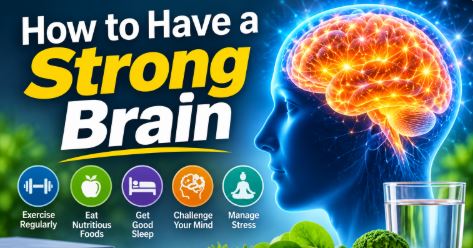
The most effective way to support brain health is to combine several beneficial habits rather than depending on one activity. A realistic daily routine can include physical movement, nutritious meals, mental stimulation, social interaction, and adequate sleep.
Begin the morning with water, a balanced breakfast, and some natural daylight. Spend time on focused work or learning during periods when your concentration is strongest. Include walking or another form of exercise, eat a varied diet, and take short breaks to manage mental fatigue.
In the evening, reduce unnecessary screen stimulation, spend time relaxing, and maintain a consistent bedtime. Small actions become more valuable when repeated regularly.
It is also important to adjust the routine according to your personal circumstances. Beginners can start with short walks, simple learning activities, and gradual improvements in sleep and nutrition. Consistency and sustainability matter more than attempting to change everything immediately.
Conclusion
Learning how to have a strong brain requires a comprehensive approach to physical health, nutrition, mental stimulation, emotional well-being, and everyday lifestyle habits. A healthy brain depends on more than memory exercises or intelligence-building techniques. It needs adequate sleep, regular physical activity, essential nutrients, meaningful social interaction, and opportunities to learn and adapt.
Prioritize a balanced diet containing vegetables, fruits, whole grains, protein, healthy fats, and omega-3 sources. Exercise regularly, challenge your mind through new skills, protect your sleep, manage stress, maintain social connections, and address medical conditions that can affect cognitive health.
There is no single food, supplement, or exercise that guarantees superior intelligence or prevents every neurological condition. However, consistently practicing evidence-based habits can support memory, concentration, learning, emotional balance, and long-term cognitive health. Building a strong brain is ultimately about maintaining a healthy lifestyle that supports your brain throughout every stage of life.
To download the PDF book
How to Have a Strong Brain
Enter your email