how to start a healthy lifestyle

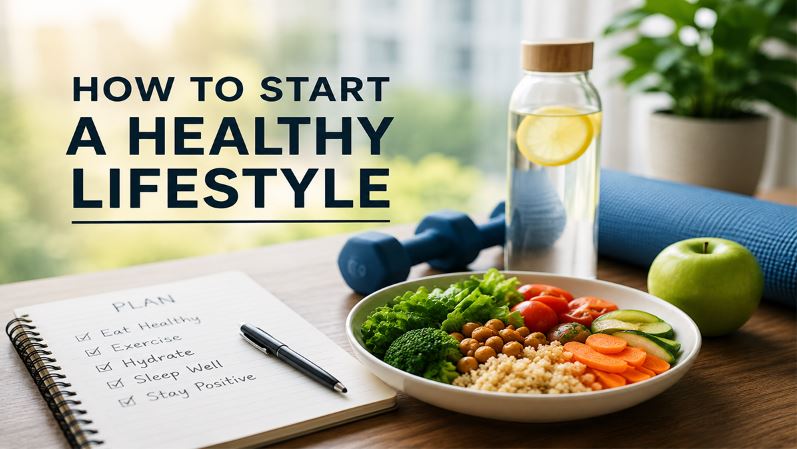
The decision to change how you live on a daily basis is often accompanied by a surge of motivation mixed with a profound sense of overwhelm. Figuring out how to start a healthy lifestyle does not require a complete, overnight overhaul of everything you eat, do, and think. Instead, it is about making intentional, sustainable choices that compound over time to create a strong foundation of vitality and longevity. Many people fall into the trap of adopting extreme diets or grueling workout regimens that are impossible to maintain, leading to an inevitable cycle of burnout, frustration, and eventual regression to old habits. True wellness requires a more balanced, holistic approach that respects your body’s unique needs and your personal circumstances.
When embarking on this journey, shifting your mindset from restriction to abundance is a critical first step. Rather than focusing heavily on what you need to cut out of your life, consider what you can add to enhance your physical and mental well-being. This might mean adding more nutrient-dense foods to your plate, incorporating more movement into a sedentary workday, or carving out dedicated time for mental rest and reflection. This positive framing makes the transition feel like a rewarding process of self-care rather than a grueling, restrictive punishment.
Furthermore, sustainability should be the ultimate filter through which you evaluate any lifestyle change. If a new dietary habit or exercise routine cannot realistically be maintained for the next five years, it is likely not the right choice for your current season of life. By prioritizing gradual, manageable adjustments, you allow your brain and body the necessary time to adapt. This significantly increases the likelihood that these new behaviors will bypass conscious effort and become automatic, permanent fixtures in your daily routine.
Understanding the Core Pillars of a Healthy Lifestyle
To effectively change your daily habits, it is vital to define what a healthy lifestyle actually means in a modern context. It extends far beyond the number on a scale, the circumference of your waist, or the hours spent lifting weights in a gym. A truly healthy existence is supported by a framework of interconnected pillars: balanced nutrition, consistent physical activity, restorative sleep, and proactive stress management. Neglecting one area often compromises the others, which is why a multifaceted approach is absolutely essential for long-term success.
For example, trying to out-train a poor diet is a well-known exercise in futility, just as attempting to maintain high cognitive function and emotional balance while chronically sleep-deprived is nearly impossible. When you understand that these elements operate synergistically, you stop viewing health as a checklist of isolated chores and start viewing it as an interconnected ecosystem. Improving your sleep quality directly provides the energy needed for physical activity, which in turn helps regulate your appetite and reduces physiological stress.
Recognizing this interconnectedness allows you to be more strategic and forgiving with your efforts. If you are going through a period of intense professional stress, you might not have the capacity for rigorous daily workouts. However, you can still support your ecosystem by prioritizing eight hours of sleep and eating nourishing meals. Approaching your well-being through these core pillars ensures that you are building resilient health that can withstand the inevitable fluctuations and challenges of daily life.
Transforming Your Approach to Nutrition and Diet
Nutrition is frequently the most confusing aspect of health, heavily muddied by conflicting advice, restrictive fad diets, and aggressive food marketing. To start eating healthier, you must actively strip away the noise and focus on fundamental, biological truths. The human body thrives on a diverse array of whole, minimally processed foods that provide essential macronutrients and a wide spectrum of micronutrients. Transitioning your diet does not require meticulously weighing every morsel of food or tracking every single calorie; it requires becoming deeply conscious of where your food comes from and how it actually makes your body feel after consuming it.
Emphasizing Whole Foods Over Restrictive Diets
A sustainable approach to nutrition centers entirely around prioritizing whole foods. These include vegetables, fruits, lean proteins, complex carbohydrates, legumes, and healthy fats like avocados, nuts, and olive oil. These foods are naturally satiating, packed with the vitamins and minerals necessary for optimal cellular function, and free from the artificial additives that often trigger systemic inflammation and lethargy. By building the vast majority of your meals around these nutrient-dense ingredients, you naturally crowd out highly processed, hyper-palatable options without ever feeling deprived or hungry.
Learning to tune into your body’s innate hunger and fullness cues is equally important for long-term dietary success. Mindful eating encourages you to slow down, savor the textures and flavors of your meals, and recognize when you are genuinely satisfied rather than eating automatically until you are uncomfortably full. This practice not only drastically improves digestion but also helps repair a fractured relationship with food, turning your daily meals into a source of nourishment and pleasure rather than a source of persistent stress or guilt.
The Crucial Role of Hydration in Daily Life
Hydration is a foundational element of human nutrition that is remarkably easy to optimize yet frequently overlooked. Every cellular process in the body, from cognitive function and neurotransmitter production to muscle contraction and metabolic regulation, relies heavily on adequate water intake. Even mild dehydration can masquerade as hunger, lead to afternoon fatigue, and cause debilitating brain fog that derails your productivity.
Replacing sugary sodas, highly caffeinated energy drinks, and excessive alcohol with plain water, herbal teas, or water naturally infused with fresh fruit can drastically reduce unnecessary calorie consumption. Simultaneously, this simple swap dramatically improves sustained energy levels, skin health, and digestive regularity. Making hydration a convenient, visible priority by carrying a reusable water bottle throughout the day is one of the most accessible and powerful steps toward better health.
Integrating Sustainable Physical Activity into Your Routine
The modern environment is largely designed to keep us stationary, making intentional physical activity an absolute necessity for cardiovascular health, musculoskeletal strength, and metabolic efficiency. However, starting a fitness routine does not mean you must immediately sign up for a grueling marathon or purchase an expensive membership to a high-intensity interval training facility. The goal is simply to transition from a largely sedentary lifestyle to an active one in a realistic way that respects your current fitness level, lifestyle constraints, and mobility limitations.
Finding Movement You Actually Enjoy
The most effective, scientifically proven exercise program is simply the one you will actually do consistently over months and years. Forcing yourself to participate in activities you actively despise will rapidly drain your limited willpower and inevitably lead to abandonment. You must explore various forms of movement until you find something that feels engaging, challenging, and rewarding.
This could be brisk walking through a local nature trail, cycling around your neighborhood, swimming laps, dancing, practicing yoga in your living room, or engaging in traditional strength training. The specific modality matters far less than the consistency of the execution. When exercise feels like play, exploration, or dedicated self-care rather than a mandatory, painful chore, consistency follows naturally and effortlessly.
Building Consistency Rather Than Intensity
In the fragile beginning stages of lifestyle transformation, establishing the sheer habit of showing up is exponentially more critical than the intensity or duration of the workout itself. Committing to just twenty minutes of moderate movement daily is significantly more beneficial for long-term habit formation than completing one grueling two-hour session on the weekend and remaining completely inactive for the remaining six days of the week. As your cardiovascular endurance and muscular strength organically improve, you can progressively increase the duration and intensity of your sessions to continue challenging your physical limits.
Additionally, it is crucial to recognize the immense power of non-exercise activity thermogenesis. This encompasses all the calories you burn and the movement you achieve doing daily tasks outside of structured, scheduled exercise. Taking the stairs instead of the elevator, parking further away from store entrances, pacing while on lengthy phone calls, and engaging in active hobbies like gardening all contribute substantially to your overall daily energy expenditure and joint mobility without requiring a trip to the gym.
Prioritizing Restorative Sleep for Optimal Health
Sleep is the ultimate foundation upon which all other healthy habits are built, yet in our fast-paced culture, it is often the very first thing sacrificed in the relentless pursuit of productivity or entertainment. During the deep stages of sleep, the human body undergoes critical, irreplaceable repair processes. Muscle tissue is rebuilt, the brain consolidates memories and actively flushes out neurotoxins accumulated during the day, and the hormones that carefully regulate appetite, stress, and metabolism are balanced. Chronic sleep deprivation actively sabotages weight management efforts, dampens immune system function, and significantly impairs cognitive performance and emotional regulation.
Establishing a strict, consistent sleep schedule is one of the most effective, scientifically backed ways to regulate your body’s internal circadian rhythm. Going to bed and waking up at the exact same time every single day, including weekends, trains your biological clock to initiate sleepiness and wakefulness at the biologically appropriate times. This behavioral consistency drastically reduces the time it takes to fall asleep each night and vastly improves the overall architectural quality of your sleep cycles, ensuring you spend adequate time in both deep sleep and REM sleep.
Optimizing your physical sleep environment further enhances your nightly rest and recovery. The bedroom should be carefully curated as a sanctuary dedicated primarily to sleep and intimacy, kept cool, exceptionally dark, and as quiet as possible. Limiting exposure to the artificial blue light emitted by smartphones, tablets, and televisions at least an hour before bedtime prevents the harmful suppression of melatonin, the primary hormone responsible for facilitating sleep onset. Developing a calming pre-sleep routine, such as reading a physical book, taking a warm shower, or practicing gentle stretching, clearly signals to your autonomic nervous system that the day is over and it is time to downshift.
Managing Stress and Fostering Mental Well-Being
Physical health is inextricably and biologically linked to mental and emotional health. Chronic, unmanaged psychological stress triggers a persistent cascade of physiological responses throughout the body, including continuously elevated cortisol levels, increased systemic inflammation, and a severely weakened immune system. When learning how to start a healthy lifestyle, implementing proactive stress management techniques is just as vital as optimizing your dietary intake and cardiovascular exercise routine. Ignoring the mental and emotional components of health inevitably undermines all of your physical progress.
Developing a consistent mindfulness practice can significantly buffer the corrosive effects of daily stressors. Mindfulness simply involves anchoring your attention to the present moment without judgment, which effectively interrupts the exhausting cognitive cycle of rumination about the past and anxiety regarding the future. Practices such as deep diaphragmatic breathing exercises, guided meditation, or simply spending quiet, completely unplugged time in a natural setting can rapidly lower your resting heart rate and blood pressure, promoting a state of profound autonomic nervous system balance.
Equally important to mindfulness is the practical ability to set healthy, firm boundaries in both your personal and professional spheres. Chronic, overwhelming stress very often stems from continuously overcommitting and failing to protect your finite time and emotional energy. Learning to confidently say no to obligations that drain you, prioritizing daily tasks effectively, and actively cultivating a supportive social network provide a necessary, robust buffer against the heavy demands of modern life. True mental well-being requires actively curating your environment and your schedule to support peace of mind.
The Science of Building Habits That Last
Understanding the underlying psychological mechanics of human behavior is the master key to ensuring that your new lifestyle choices endure long beyond the initial burst of motivational enthusiasm. Motivation is an inherently unreliable emotion that violently fluctuates based on daily energy levels, temporary moods, and unpredictable external circumstances. Relying solely on raw motivation and willpower is a guaranteed recipe for long-term failure. Instead, lasting success lies in cleverly engineering your daily environment and utilizing proven psychological strategies to make healthy behaviors the frictionless, default option.
Starting Small and Utilizing Habit Stacking
The psychological concept of habit stacking involves strategically tethering a new, desired behavior directly to an established, deeply automatic habit. For example, if you want to establish a daily hydration routine, you might commit to drinking a full glass of water immediately after brushing your teeth every morning. By tying the entirely new action to an existing, permanent neural pathway, you drastically reduce the cognitive friction and decision fatigue required to initiate the new task. Starting incredibly small—so small that it genuinely feels impossible to fail—rapidly builds early momentum, self-efficacy, and essential self-trust.
Overcoming Plateaus and Maintaining Motivation
It is absolutely vital to realistically anticipate that your progress will not be perfectly linear. There will inevitably be weeks where your nutrition is suboptimal, scheduled workouts are completely missed, or professional stress temporarily gets the better of your routines. The primary distinguishing factor between those who eventually succeed in maintaining a healthy lifestyle and those who chronically relapse is precisely how they handle these unavoidable setbacks. Rather than adopting an all-or-nothing, perfectionist mindset that dictates completely quitting after a single perceived mistake, practice radical self-compassion and focus solely on making the next immediate choice a healthy, aligned one.
Tracking your progress through alternative means other than the bathroom scale can also beautifully sustain your long-term engagement. Begin to monitor the noticeable improvements in your sustained energy levels throughout the mid-afternoon, the newfound ease with which you can lift heavier objects or climb stairs, vital improvements in your resting heart rate, or the increasing clarity of your skin. These non-scale victories provide highly tangible, incredibly motivating evidence that your internal physiology is positively, fundamentally adapting to your new lifestyle choices, deeply reinforcing your daily commitment to the journey.
Cultivating a Lifelong Wellness Mindset
Embarking on a comprehensive journey toward better physical and mental health requires a fundamental paradigm shift from viewing wellness as a temporary, short-term destination to embracing it fully as a lifelong, evolving practice. The most successful and striking personal transformations occur when individuals finally stop looking for rapid hacks, restrictive quick fixes, and magic pills, and instead start genuinely falling in love with the daily process of self-care. It fundamentally comes down to respecting your body and mind enough to provide them with the high-quality fuel, consistent movement, and deep rest they biologically require to function at their absolute peak potential.
Consistency will always dramatically outperform short bursts of extreme intensity. The small, seemingly insignificant daily choices you make—choosing a glass of water over a sugary soda, taking a brisk fifteen-minute walk on your lunch break, or deciding to get into bed thirty minutes earlier—compound remarkably over the span of months, years, and decades. By focusing diligently on holistic, deeply sustainable habits across the interconnected domains of nutrition, physical activity, restorative sleep, and mental well-being, you ultimately build an unshakeable, enduring foundation for a vibrant, resilient, and deeply fulfilling life.
What is the easiest way to start a healthy lifestyle when I feel totally overwhelmed?
Start by making just one small, manageable change like drinking a glass of water every morning before gradually adding more healthy habits.
How much does it really cost to eat healthy and get fit?
You can easily build a healthy lifestyle on a tight budget by choosing frozen produce, meal prepping at home, and utilizing free online workouts.
How long does it take to actually see results from living healthier?
While you might feel more energetic within a few days, it generally takes about four to eight weeks of consistency to see noticeable physical changes.
What is the best diet for a beginner who wants to eat better without starving?
Instead of restrictive dieting, focus on adding nutrient-dense foods to your meals by filling half your plate with colorful vegetables and prioritizing lean proteins.
How do I stay motivated to keep working out when I absolutely hate the gym?
The key is to find physical activities you genuinely look forward to, whether that means taking brisk daily walks, dancing in your living room, or joining a recreational sports league.
Please note
The content provided in this article is for educational and informational purposes only and should not be construed as medical, nutritional, or therapeutic advice. The recommendations provided may not be appropriate for everyone. The final decision regarding your health and lifestyle is yours, and we recommend that you consult with your doctor or other health professional before making any changes or taking any action.
Shop new arrivals
-
Emotional Advantage
Original price was: €12.90.€8.90Current price is: €8.90. -
Healthy Life Blueprint
Original price was: €24.90.€15.90Current price is: €15.90. -
How to break negative habits
Original price was: €12.90.€6.90Current price is: €6.90. -
How to have continuity
Original price was: €15.90.€8.90Current price is: €8.90. -
Living with Purpose
Original price was: €14.90.€9.90Current price is: €9.90.