Benefits of Strength Training for the Brain

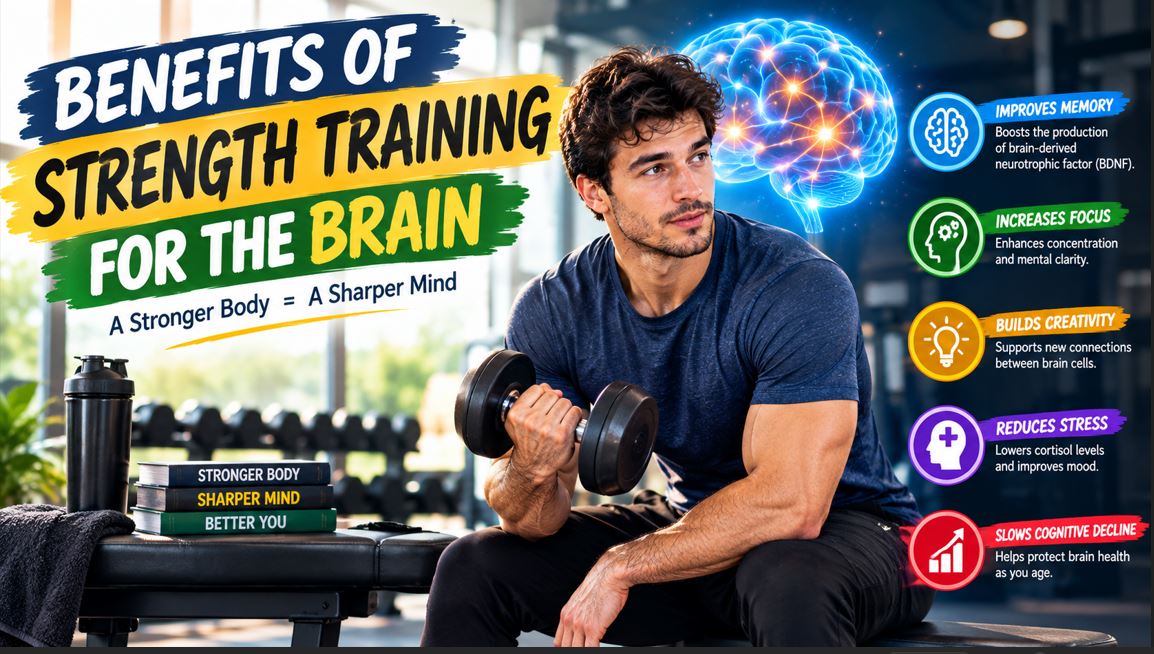
Strength training is widely known for building muscle, improving physical strength, and supporting overall fitness. However, its potential benefits extend beyond the body. Regular resistance exercise may also support brain health by influencing mood, concentration, stress management, sleep, and cognitive function.
The Benefits of Strength Training for the Brain make resistance exercise an important part of a well-rounded approach to physical and mental well-being. Activities such as weightlifting, resistance-band exercises, bodyweight movements, and other forms of strength training can provide both physical and mental stimulation.
Understanding the Benefits of Strength Training for the Brain can help you see exercise not only as a way to improve your physique but also as a valuable habit for supporting a healthier and more resilient mind.
Strength Training and Brain Health
The brain and body are closely connected. Physical activity can influence circulation, sleep, mood, stress, and many other processes that contribute to overall brain health.
Strength training provides a structured form of physical activity that requires concentration, coordination, balance, and controlled movement. This combination means that resistance exercise can challenge both the body and the mind.
Regular training may therefore become an important component of a lifestyle designed to support long-term physical and cognitive well-being.
May Support Memory and Learning
One of the commonly discussed Benefits of Strength Training for the Brain is its potential relationship with memory and learning.
Learning resistance exercises requires you to remember movement patterns, follow instructions, maintain proper form, and gradually adapt to increasing challenges. Repeated practice can engage attention and motor learning.
Exercise more broadly has also been studied for its relationship with cognitive health. Strength training can contribute to an active lifestyle that supports healthy brain function as part of an overall balanced routine.
Can Improve Concentration
Strength training requires attention to technique, posture, breathing, movement, and the amount of resistance being used.
When performing exercises correctly, you need to remain focused on the task rather than becoming distracted. This repeated practice of directing your attention toward a physical activity may help make exercise mentally engaging.
A regular workout routine can also provide a useful break from screens, repetitive work, and other sources of mental fatigue.
May Help Manage Stress
Stress can affect both physical and mental well-being. Strength training provides an opportunity to step away from daily responsibilities and focus on a structured activity.
Physical exercise can be an effective way to manage stress for many people. A workout may provide a sense of accomplishment while creating time away from stressful situations.
Strength training should not be considered a replacement for professional care when stress becomes severe or persistent, but it can be one useful component of a healthy stress-management routine.
Supports a Healthy Mood
Another important area when discussing the Benefits of Strength Training for the Brain is emotional well-being.
Exercise can contribute to a healthier mood, and strength training may provide additional psychological benefits through physical activity, progress, mastery, and routine.
Completing a workout can also create a sense of accomplishment. Seeing yourself become stronger over time may reinforce confidence and motivation.
Can Increase Self-Confidence
Strength training provides measurable opportunities for progress. You may gradually lift more weight, perform more repetitions, improve your technique, or become more consistent with your workouts.
These achievements can strengthen your belief in your ability to learn and improve.
The psychological benefits of making progress can extend beyond the gym. Greater confidence in your ability to overcome physical challenges may encourage you to approach other areas of life with more persistence.
May Support Better Sleep
Regular physical activity is associated with healthy sleep habits, and strength training can be part of an active lifestyle.
A consistent exercise routine may help support a regular daily rhythm and contribute to better overall well-being.
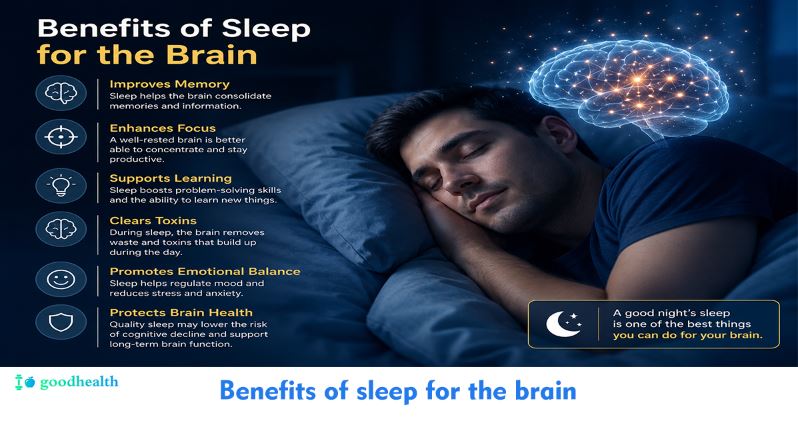
Sleep is especially important for the brain because it supports restoration, learning, memory, and emotional regulation. Combining regular exercise with good sleep habits can therefore create a stronger foundation for mental performance.
Supports Cognitive Health Through an Active Lifestyle
Long-term brain health is influenced by many lifestyle factors. Regular movement, nutritious food, adequate sleep, social connection, and effective stress management can all contribute to overall well-being.
Strength training can help people remain physically active throughout different stages of life. Maintaining strength and mobility may make it easier to continue participating in other activities that also support healthy aging.
The value of resistance exercise is therefore not limited to its immediate effects. It can contribute to an active lifestyle that supports both physical independence and overall well-being.
Encourages Coordination Between the Brain and Body
Strength exercises require the brain and muscles to work together. The nervous system controls movement, timing, balance, and muscle activation.
Exercises such as squats, lunges, rows, presses, and other multi-joint movements require coordination and concentration.
As you learn new exercises, you also learn how to control your body more effectively. This connection between movement and mental focus makes strength training both a physical and cognitive experience.
Can Promote Mental Discipline
Building strength requires consistency. You need to follow a training routine, manage effort, recover appropriately, and remain patient when results take time.
This process can develop discipline and encourage a longer-term mindset.
Learning to continue working toward a goal even when progress is gradual can strengthen habits that are useful far beyond physical fitness.
May Help Reduce Mental Fatigue
Modern lifestyles often involve long periods of sitting, screen use, repetitive tasks, and constant notifications. This can leave people feeling mentally drained.
A strength-training session can provide a complete change of environment. Instead of staring at a screen or thinking about work, you focus on physical movement and technique.
This shift in attention can help create a mental reset, particularly when exercise is performed in a supportive environment.
Strength Training Requires Problem-Solving
Resistance exercise can involve more decision-making than it initially appears.
You may need to choose an appropriate level of resistance, adjust your technique, determine how to organize exercises, and modify your routine as your abilities change.
Learning how to respond to these challenges can make workouts intellectually engaging as well as physically demanding.
Can Support Healthy Aging
Maintaining physical activity is an important part of healthy aging. Strength training can help preserve muscle strength and physical function, which may make it easier to remain active and independent.
Remaining physically active also creates opportunities for continued engagement with the world. Walking, traveling, participating in hobbies, socializing, and performing everyday tasks can all become easier when physical capacity is maintained.
In this way, the Benefits of Strength Training for the Brain are connected to the broader benefits of maintaining an active and healthy lifestyle.
Focus on Proper Technique
Mental and physical benefits are best supported when exercises are performed safely and correctly.
Learning proper form requires attention and body awareness. Beginners should start with manageable resistance and focus on controlled movement rather than trying to lift as much weight as possible.
A qualified fitness professional can be helpful when you are learning unfamiliar exercises or developing a structured strength-training program.
Combine Strength Training With Other Forms of Exercise
Strength training does not need to be your only form of physical activity.
Walking, cycling, swimming, stretching, balance exercises, and other activities can provide additional variety.
Combining different forms of movement can make your routine more enjoyable while giving your body and mind different types of stimulation.
A well-rounded exercise routine can also make it easier to remain active consistently.
Support Training With Healthy Nutrition
The brain and muscles both require adequate nutrition. A balanced diet containing protein, vegetables, fruits, whole grains, healthy fats, and sufficient fluids can support your overall training routine.
Protein is particularly important for muscle maintenance and recovery, while a varied diet provides the vitamins and minerals needed for normal body function.
Nutrition is not separate from exercise. Together, they form part of a broader lifestyle that supports physical and mental well-being.
Stay Consistent Rather Than Chasing Quick Results
The potential benefits of strength training develop through regular practice. You do not need to train every day to make progress.
Choose a schedule that fits your lifestyle and allows adequate recovery. Consistency over time is generally more sustainable than extremely intense routines that are difficult to maintain.
Focus on gradual improvement rather than expecting immediate changes.
Make Strength Training Enjoyable
Exercise is easier to maintain when you enjoy the process. Choose exercises and training styles that you find interesting and manageable.
You might prefer traditional weightlifting, resistance machines, bodyweight training, resistance bands, or a combination of approaches.
Enjoyment can improve consistency, and consistency is an important foundation for long-term benefits.
Listen to Your Body
Recovery is an essential part of training. Excessive exercise without sufficient rest can increase fatigue and may increase the risk of injury.
Pay attention to persistent pain, unusual exhaustion, or significant changes in how you feel during exercise.
Adjust your routine when necessary and seek professional medical or fitness guidance when appropriate.
Conclusion
The Benefits of Strength Training for the Brain go beyond simply developing stronger muscles. Resistance exercise can provide opportunities to support concentration, mood, stress management, confidence, coordination, sleep, and a physically active lifestyle.
Strength training also requires focus, discipline, learning, and repeated practice, making it a valuable activity for both the body and mind. However, it should be viewed as one part of a broader approach to health that includes nutritious food, adequate sleep, regular movement, and effective stress management.
Ultimately, the Benefits of Strength Training for the Brain can become more meaningful when strength exercise is practiced consistently and safely. By developing a sustainable routine and combining resistance training with other healthy habits, you can support your physical fitness while creating a lifestyle that promotes overall mental and physical well-being.
Can strength training improve brain health?
Strength training can be part of an active lifestyle that supports overall brain and physical health. It involves concentration, coordination, learning, and physical effort, while regular exercise can contribute to healthy mood, sleep, and cognitive well-being.
Does strength training help memory?
Research on exercise and cognitive health suggests potential benefits for memory and other aspects of cognitive function. Strength training may contribute to these benefits as part of a broader, physically active lifestyle.
Can lifting weights reduce stress?
Exercise can help many people manage everyday stress, and strength training provides a structured opportunity to focus on movement and temporarily step away from daily pressures. Individual responses vary.
How often should I do strength training for overall health?
The appropriate schedule depends on your age, experience, fitness level, goals, and recovery needs. A consistent routine that includes adequate recovery is generally more sustainable than excessive training.
Is strength training good for the brain as you get older?
Maintaining physical activity, including strength training, can support physical function and an active lifestyle as people age. Because healthy aging involves many factors, strength training works best alongside good nutrition, sleep, social engagement, and other forms of regular movement.
please note
The content provided in this article is for educational and informational purposes only and should not be construed as medical, nutritional, psychological, or therapeutic advice. The advice provided may not be appropriate for everyone. The final decision regarding your health and lifestyle is yours, and we recommend that you consult with your doctor, counselor, or other health professional before making any changes or taking any action.
Shop new arrivals
-

Emotional Advantage
€0.00 -

Healthy Life Blueprint
€0.00 -

How to break negative habits
€0.00 -
How to have continuity
Original price was: €4.90.€0.00Current price is: €0.00. -
Living with Purpose
Original price was: €8.90.€0.00Current price is: €0.00.