The Best Food for Relaxtion


Food can do more than satisfy hunger. The foods you choose throughout the day can influence your energy, comfort, and overall well-being. When life becomes stressful or your mind feels overwhelmed, choosing nourishing foods and creating relaxing eating habits can be a useful part of a healthy lifestyle.
Understanding The Best Food for Relaxation can help you build meals and snacks that support a calm, balanced routine. While no single food can instantly eliminate stress, certain nutritious foods contain nutrients that are important for normal nervous-system function and overall health.
What Makes a Food Relaxing?
When talking about The Best Food for Relaxation, it is important to understand that food does not work like a switch that immediately turns stress off. Relaxation is influenced by many factors, including sleep, physical activity, emotions, environment, and daily stress levels.
A balanced meal can support relaxation by providing steady nourishment without leaving you feeling excessively hungry, overly full, or dependent on sugary stimulants. Foods containing protein, complex carbohydrates, healthy fats, vitamins, minerals, and fiber can all play a role in a balanced diet.
The most useful approach is to focus on overall eating habits rather than searching for one magical food.
Dark Chocolate
Dark chocolate is a popular choice when people think about relaxing foods. In addition to its rich taste, dark chocolate contains naturally occurring plant compounds and minerals.
A small portion can be incorporated into a balanced diet as a satisfying treat. Choosing dark chocolate with a higher cocoa content and keeping portions moderate can help you enjoy it without turning it into a source of excessive added sugar or calories.
Enjoying food slowly and mindfully can also make a small serving feel more satisfying.
Bananas
Bananas are convenient, naturally sweet, and easy to include in everyday meals. They provide carbohydrates, potassium, vitamin B6, and other nutrients.
A banana can be a useful snack when you want something simple and nourishing. Pairing it with yogurt, nuts, or nut butter can create a more balanced snack containing carbohydrates, protein, and healthy fats.
This combination can be especially useful when you want a satisfying snack rather than a highly processed sweet food.
Oatmeal
Oatmeal is a comforting food that can fit well into a relaxing breakfast or evening meal. Oats provide carbohydrates and dietary fiber and can be combined with a wide variety of nutritious ingredients.
Try adding fruit, nuts, seeds, cinnamon, or yogurt to create a balanced bowl. Warm foods can also be comforting as part of a calm eating routine.
A nourishing meal like oatmeal can provide a simple way to slow down and enjoy food without making the meal unnecessarily complicated.
Fatty Fish
Fatty fish such as salmon, sardines, and mackerel are rich in omega-3 fatty acids. These healthy fats are important components of a nutritious diet and play roles in normal brain and cardiovascular function.
Including fish in your meals can be part of a balanced eating pattern that supports overall well-being. Try combining grilled or baked fish with vegetables and whole grains for a satisfying meal.
For people who enjoy seafood, fatty fish can be a practical addition to a healthy weekly meal plan.
Nuts and Seeds
Nuts and seeds provide healthy fats, protein, fiber, and a variety of vitamins and minerals. Almonds, walnuts, pumpkin seeds, sunflower seeds, and chia seeds can all be incorporated into meals and snacks.
A small handful of nuts can make a convenient snack, while seeds can be added to oatmeal, yogurt, smoothies, and salads.
Because nuts and seeds are calorie-dense, moderate portions are generally appropriate for a balanced diet.
Avocados
Avocados provide primarily unsaturated fats along with fiber and several vitamins and minerals. Their creamy texture makes them a versatile addition to meals.
You can add avocado to whole-grain toast, salads, bowls, or sandwiches. Combining avocado with vegetables and a source of protein can create a filling and nutritious meal.
Healthy fats can be part of a satisfying diet, which may be helpful when you are trying to avoid constantly reaching for highly processed snacks.
Leafy Green Vegetables
Spinach, kale, lettuce, and other leafy greens provide a variety of vitamins, minerals, fiber, and plant compounds.
Although vegetables are not a quick solution for stress, eating a diet rich in vegetables can provide the nutrients needed for normal body functions.
Adding leafy greens to lunch and dinner is a simple way to increase the nutritional variety of your meals.
Berries
Strawberries, blueberries, raspberries, and blackberries provide fiber and naturally occurring plant compounds with antioxidant properties.
Berries can be eaten alone or added to oatmeal, yogurt, smoothies, or salads. Their natural sweetness can also provide an alternative to heavily processed desserts.
A colorful combination of fruit can make a meal more enjoyable while increasing dietary variety.
Yogurt
Yogurt can be a convenient source of protein and other nutrients, depending on the variety you choose. Some yogurts also contain live cultures.
Try choosing a variety with an appropriate amount of added sugar for your dietary needs and combining it with fruit, oats, nuts, or seeds.
This can create a balanced snack that is both satisfying and easy to prepare.
Herbal Tea
While not technically a food, herbal tea can be a valuable part of a relaxing routine. Caffeine-free varieties such as chamomile, peppermint, or lemon balm are commonly enjoyed as calming beverages.
The act of preparing and slowly drinking a warm beverage can create a quiet transition between a busy period and a more relaxing part of the day.
For a relaxing routine, the experience surrounding the food or drink can be just as important as the ingredients themselves.
Whole Grains
Whole grains such as brown rice, oats, quinoa, and whole-grain bread provide carbohydrates, fiber, and various nutrients.
Carbohydrates are an important source of energy, and choosing high-fiber sources can help create more balanced meals.
Combining whole grains with vegetables and protein can provide a satisfying meal that supports steady nourishment throughout the day.
Eggs
Eggs provide protein and several vitamins and minerals. They can be prepared in many ways and combined with vegetables, whole-grain toast, or other nutritious foods.
A balanced breakfast containing eggs and vegetables can be a practical option when you want a filling meal that does not require complicated preparation.
Eating regular, balanced meals may also help prevent extreme hunger that can contribute to poor food choices later in the day.
Warm and Comforting Foods
The emotional experience of eating should not be overlooked. Warm soups, oatmeal, baked vegetables, and other simple meals can feel comforting, particularly during a quiet evening.
Comfort foods do not have to be heavily processed or high in sugar and fat. You can create nourishing versions of familiar dishes using vegetables, whole grains, legumes, lean proteins, and healthy fats.
The goal is to enjoy food while also supporting your overall nutritional needs.
Hydration and Relaxation
Water is essential for normal body function, and staying adequately hydrated is an important part of overall well-being.
Some people mistake thirst for hunger and may reach for snacks when what they actually need is a drink. Keeping water nearby throughout the day can make hydration easier.
Water can also be combined with lemon, cucumber, or fresh herbs for additional flavor without relying on sugary beverages.
Build Balanced Meals for a Calmer Routine
Instead of focusing only on individual foods, think about how your meals work together.
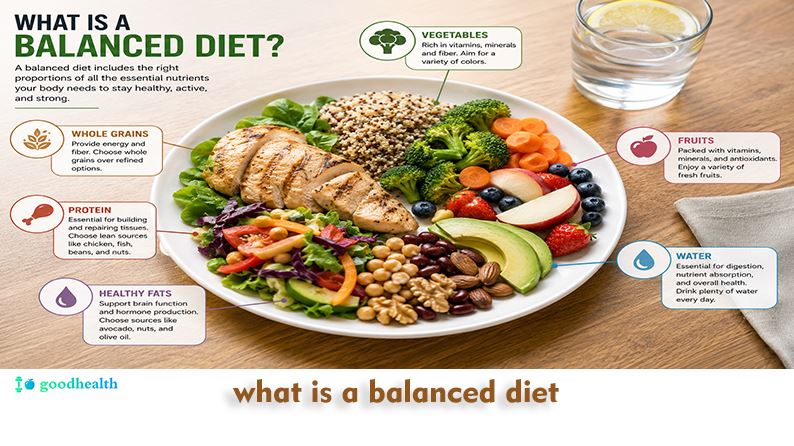
A balanced plate might include vegetables, a source of protein, whole grains or other carbohydrates, and a moderate amount of healthy fat. Fruit or yogurt can be added as a nutritious snack or dessert.
This approach is more sustainable than depending on a single ingredient whenever you feel stressed.
Practice Mindful Eating
Relaxation is not only about what you eat. It is also about how you eat.
Try slowing down during meals, putting your phone away, chewing carefully, and paying attention to the flavors and textures of your food. Eating in a calm environment may make meals feel more satisfying.
Mindful eating can turn a rushed meal into an opportunity to pause and reset.
Limit Foods That Can Disrupt Your Routine
Certain foods and drinks may make some people feel uncomfortable or interfere with sleep, especially when consumed in large amounts or late at night.
Large amounts of caffeine, excessive alcohol, and highly sugary or heavily processed foods may not be ideal choices when your goal is to create a relaxing evening routine.
Individual responses vary, so it can be useful to pay attention to how different foods affect your energy, digestion, and sleep.
Create a Relaxing Evening Food Routine
A relaxing evening does not require a complicated diet. You might enjoy a balanced dinner, a piece of fruit, a small amount of dark chocolate, or a caffeine-free herbal tea.
Try to avoid eating automatically in response to boredom or stress. Instead, pause and ask whether you are physically hungry or simply looking for comfort.
Building a predictable and enjoyable evening routine can help create a stronger connection between food, self-care, and relaxation.
The Importance of Overall Lifestyle Habits
Food is only one part of relaxation and well-being. Regular physical activity, sufficient sleep, time outdoors, meaningful social connections, breathing exercises, and healthy boundaries can also contribute to a calmer lifestyle.
A nutritious diet cannot replace adequate rest or professional support when stress becomes overwhelming.
The most effective approach is to combine healthy nutrition with other habits that support physical and emotional well-being.
Conclusion
Finding The Best Food for Relaxation does not mean searching for one special food that can instantly remove stress. Instead, it means choosing nutritious foods that support your overall health while creating enjoyable and mindful eating habits.
Foods such as oats, bananas, berries, nuts, seeds, avocados, leafy greens, yogurt, whole grains, eggs, and fatty fish can all be included in a balanced diet. Dark chocolate and caffeine-free herbal tea can also fit into a relaxing routine when consumed appropriately.
Ultimately, The Best Food for Relaxation is part of a bigger picture. A balanced diet, consistent sleep, regular movement, hydration, mindful eating, and effective stress-management habits can work together to create a healthier and more peaceful lifestyle.
What is the best food for relaxation?
There is no single food that guarantees relaxation. Nutritious foods such as oats, bananas, berries, nuts, seeds, fatty fish, leafy greens, yogurt, and whole grains can be part of a balanced diet that supports overall well-being.
Does dark chocolate help with relaxation?
Dark chocolate contains cocoa compounds and can be enjoyed as a small treat. Some people find it satisfying and comforting, but it should be consumed in moderation because it can also contain added sugar and caffeine.
What should I eat at night to feel relaxed?
A light, balanced meal or snack may be suitable, depending on your hunger and routine. Options can include oatmeal, yogurt with fruit, a banana with a small amount of nut butter, or another easily tolerated nutritious food.
Which drinks are good for a relaxing evening?
Water and caffeine-free herbal teas can be good choices for an evening routine. Chamomile and peppermint teas are commonly enjoyed, although individual preferences and tolerances vary.
Can food reduce stress?
Food alone cannot eliminate stress, but a balanced diet can support normal physical and mental function. Combining nutritious eating with adequate sleep, physical activity, relaxation practices, and other healthy habits can provide broader support for well-being.
please note
The content provided in this article is for educational and informational purposes only and should not be construed as medical, nutritional, psychological, or therapeutic advice. The advice provided may not be appropriate for everyone. The final decision regarding your health and lifestyle is yours, and we recommend that you consult with your doctor, counselor, or other health professional before making any changes or taking any action.
Shop new arrivals
-

Emotional Advantage
€0.00 -
Healthy Life Blueprint
€0.00 -
How to break negative habits
€0.00 -
How to have continuity
Original price was: €4.90.€0.00Current price is: €0.00. -
Living with Purpose
Original price was: €8.90.€0.00Current price is: €0.00.