work life balance

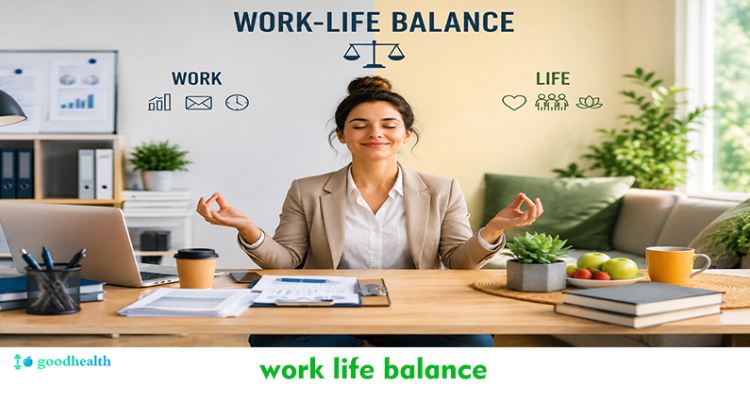
Achieving a healthy work life balance is no longer merely a corporate buzzword; it has evolved into a fundamental requirement for long-term professional success and sustained personal well-being. In an era where digital connectivity blurs the lines between the office and the home, professionals across all industries are finding it increasingly difficult to disconnect. This constant state of engagement often leads to a cycle of diminishing returns, where working longer hours actually results in lower overall productivity and diminished creative output. Understanding how to navigate these overlapping spheres is essential for anyone looking to build a sustainable career without sacrificing their physical health, mental clarity, or personal relationships.
The conversation surrounding this topic has shifted significantly in recent years. It is no longer just about leaving the office at a specific time; it is about holistic energy management and personal development. True balance requires a proactive approach to designing your day, establishing firm boundaries, and intentionally cultivating healthy living practices outside of professional obligations. When individuals master this equilibrium, they do not just survive their workweek—they thrive, bringing renewed focus, innovation, and enthusiasm to both their professional endeavors and their personal lives.
Redefining Work Life Balance in the Modern Era
The traditional concept of work life balance often conjures an image of a perfectly symmetrical scale, with exactly fifty percent of one’s time and energy allocated to the office and the remaining fifty percent dedicated to home life. However, this rigid framework is fundamentally flawed and nearly impossible to achieve. In reality, balance is highly fluid and dynamic. There will inevitably be seasons in a career that demand intense focus and longer hours, just as there will be periods where personal matters, family emergencies, or health priorities require taking a step back from professional duties.
Embracing this fluidity is the first step toward genuine personal development and stress management. Instead of striving for a daily mathematical split, professionals should aim for a holistic equilibrium measured over weeks or months. This broader perspective reduces the daily guilt associated with staying late to finish a critical project or leaving early to attend a family event. It reframes balance from a daily constraint into a long-term strategy for career longevity and emotional well-being.
Furthermore, the modern definition of this balance heavily relies on the quality of time spent in each domain, rather than just the quantity. Spending three hours at home while frantically checking emails on a smartphone does not constitute personal time; it is simply working from a different location. True equilibrium is achieved when an individual can be entirely present in their current environment. Cultivating the ability to focus completely on professional tasks during work hours, and giving undivided attention to personal and family life during off-hours, is the hallmark of successful lifestyle management.
The Impact of Chronic Stress on Healthy Living
When the boundaries between professional obligations and personal time collapse, the immediate casualty is often physical and mental health. Chronic overworking triggers a persistent stress response in the body, leading to elevated cortisol levels. Over time, this biochemical imbalance can result in occupational burnout, a recognized syndrome characterized by emotional exhaustion, cynicism, and reduced professional efficacy. Burnout does not happen overnight; it is the cumulative result of neglecting healthy living practices in favor of meeting relentless professional demands.
The physiological consequences of ignoring this balance are profound. Sleep deprivation is one of the most common side effects of an unmanaged workload. When the brain is unable to transition out of a work-oriented state, falling asleep and staying asleep becomes incredibly difficult. This lack of restorative rest cascades into other areas of life, affecting dietary choices, reducing the likelihood of engaging in regular physical exercise, and weakening the immune system. The pursuit of career advancement at the expense of physiological needs ultimately undermines the very success an individual is trying to achieve.
Conversely, prioritizing a healthy lifestyle directly enhances professional performance. Regular physical activity, adequate sleep, and mindful nutrition provide the energy reserves necessary to tackle complex workplace challenges. Professionals who actively manage their health are generally more resilient to stress, exhibit better problem-solving skills, and maintain higher levels of emotional intelligence during conflicts. In this way, taking time away from work to focus on physical and mental well-being is not a distraction from career goals, but a critical investment in them.
Recognizing the Early Warning Signs of Burnout
Identifying the onset of occupational burnout is crucial for reversing its effects before they become debilitating. Early indicators often manifest as subtle shifts in behavior and attitude. An individual might experience a creeping sense of dread when thinking about the upcoming workweek, or find themselves increasingly irritable with colleagues and family members. Cognitive symptoms, such as difficulty concentrating, frequent forgetfulness, or a sudden lack of creativity in typically manageable tasks, are also strong indicators that the mind is overloaded.
Physical symptoms should not be ignored either. Frequent tension headaches, unexplained muscle aches, and a constant feeling of lethargy despite adequate hours in bed are clear signals from the body that the current pace is unsustainable. Acknowledging these signs early allows for strategic interventions, such as adjusting workloads, scheduling time off, or re-evaluating daily routines before a total collapse occurs.
Strategic Approaches to Breaking Negative Work Habits
Achieving a sustainable work life balance requires the active deconstruction of ingrained, negative professional habits. Many individuals unknowingly develop toxic routines early in their careers, often mimicking the behavior of managers or adhering to a pervasive “hustle culture.” One of the most common negative habits is the compulsion to remain constantly visible and available, leading to the compulsive checking of emails and messages late into the evening. Breaking this cycle requires intentional effort and the willingness to experience temporary discomfort as new, healthier routines are established.
The process of breaking negative habits begins with an honest audit of how time and energy are actually being spent. Tracking daily activities for a week can reveal surprising inefficiencies and identify exact moments where professional duties encroach on personal time. Once these patterns are identified, individuals can implement targeted friction to stop the unwanted behavior. For instance, removing work-related applications from a personal smartphone or leaving the work laptop in a separate room over the weekend creates a physical barrier that disrupts the automatic habit of logging back on.
Replacing these negative patterns with positive routines is essential for long-term personal development. Instead of ending the day by reviewing the inbox, a professional might replace that habit with a ten-minute transition ritual—such as writing down the top three priorities for the next morning, shutting down the computer, and immediately engaging in a brief walk or stretching session. This conscious transition signals to the brain that the workday has officially concluded, paving the way for genuine relaxation and engagement in personal interests.
Implementing Personal Development for Professional Harmony
Personal development is deeply intertwined with the ability to maintain a healthy work life balance. When individuals actively pursue growth outside of their chosen profession—whether through learning a new language, engaging in creative hobbies, or dedicating time to community service—they build a multifaceted identity. This diversification of self-worth is incredibly protective against workplace stress. If a professional’s entire identity is tied to their job title, a bad day at the office feels like a personal failure. However, when work is just one component of a rich, varied life, professional setbacks lose their catastrophic impact.
Investing in personal growth also fosters the development of transferable skills that invariably benefit professional performance. The discipline required to master a new hobby, the patience learned through mentoring others, and the creative problem-solving developed in artistic pursuits all contribute to a more well-rounded and capable employee. Employers increasingly recognize the value of well-rounded individuals, as they tend to bring fresh perspectives and innovative ideas to the table, avoiding the tunnel vision that often afflicts those who do nothing but work.
Furthermore, dedicating structured time to personal development forces the creation of boundaries. When an individual has a scheduled class, a dedicated workout session, or a firm commitment to a personal project, they are much more likely to leave the office on time. These personal commitments act as hard stops to the workday, preventing the gradual creep of professional responsibilities into the evening hours. By prioritizing personal growth, individuals organically build the framework necessary for a balanced life.
Reclaiming Time Through Ruthless Prioritization
A core component of personal and professional development is the mastery of time management and prioritization. The inability to distinguish between what is urgent and what is truly important is a primary driver of overwork.
Ruthless prioritization also means learning to say no effectively. Overcommitting is a common trap for ambitious professionals, but taking on every project or attending every meeting dilutes focus and extends the workday unnecessarily. By evaluating every request against primary goals and current capacity, individuals can protect their time and ensure they have the bandwidth required to deliver high-quality work without sacrificing their personal lives.
Establishing Firm Digital and Environmental Boundaries
In an increasingly remote and hybrid work landscape, establishing clear environmental and digital boundaries is critical for a healthy work life balance. When the kitchen table doubles as the conference room, the psychological separation between being “on the clock” and “off duty” vanishes. Creating a dedicated workspace, even if it is just a specific corner of a room used exclusively for professional tasks, helps the brain compartmentalize activities. When you leave that specific space, you are signaling a physical transition away from work mode.
Digital boundaries are arguably even more important than physical ones. The modern professional is subjected to an endless barrage of notifications from emails, instant messaging platforms, and project management software. Managing these digital intrusions requires proactive communication and strict personal discipline. Setting clear “working hours” on communication platforms and utilizing “do not disturb” features during off-hours establishes expectations with colleagues and management regarding availability.
It is also vital to communicate these boundaries transparently to your team. A well-placed out-of-office message or a simple conversation with a manager about response times after 6:00 PM can prevent misunderstandings and foster a culture of respect for personal time. When leaders and team members openly discuss and respect digital boundaries, the entire organization benefits from reduced burnout rates and higher overall morale.
Designing a Daily Routine That Supports Long-Term Success
The foundation of a sustainable work life balance is a meticulously designed daily routine. Motivation and willpower are finite resources that deplete as the day progresses; relying on them to maintain boundaries is a failing strategy. Instead, professionals must build structural routines that automate healthy choices and enforce balance by default. A well-structured routine reduces decision fatigue, ensuring that essential personal and professional tasks are completed efficiently.
A successful routine begins the moment you wake up. Morning rituals that prioritize physical and mental well-being—such as exercise, meditation, or simply enjoying a quiet breakfast without screens—set a positive, proactive tone for the entire day. By claiming the first hour of the morning for personal development and healthy living, individuals ensure that their most basic needs are met before the demands of the workplace begin to intrude.
Similarly, the way a workday ends is just as important as how it begins. Implementing a strict shutdown routine helps clear the mind and prevents work-related anxiety from bleeding into the evening. This might involve organizing the desk, reviewing the next day’s schedule, and consciously closing all work-related browser tabs. Over time, this sequence of actions signals to the nervous system that it is safe to relax, facilitating a smoother transition into personal time and setting the stage for a restful, restorative night of sleep.
Achieving and maintaining a healthy work life balance is a continuous process of adjustment and refinement rather than a final destination. It requires the constant evaluation of professional demands against personal well-being, and the courage to make necessary changes when equilibrium is lost. By prioritizing personal development, deliberately breaking negative habits, and implementing strict digital and physical boundaries, professionals can build a resilient lifestyle. This intentional approach to career and personal management ensures sustained productivity, prevents the debilitating effects of burnout, and fosters a fulfilling life both inside and outside the workplace.
How do you actually achieve a good work-life balance?
You achieve it by setting strict daily boundaries, prioritizing your mental well-being, and learning to say no to non-essential tasks.
What are the biggest warning signs of poor work-life balance?
Constant physical fatigue, dreading Monday mornings, and feeling like you never have time for your hobbies or personal relationships are major red flags.
How can I effectively disconnect from work when working from home?
Create a dedicated physical workspace, turn off email notifications after hours, and build a strict evening routine to signal to your brain that the workday is over.
Is a perfect work-life balance actually realistic?
A perfect daily 50/50 split is rarely realistic, but finding a fluid, healthy rhythm where neither your career nor your well-being consistently suffers is highly achievable.
How do I tell my boss I need a better work-life balance?
Approach the conversation professionally by focusing on how managing your current workload more effectively will actually improve your long-term productivity and prevent burnout.
please note
The content provided in this article is for educational and informational purposes only and should not be construed as medical, nutritional, psychological, or therapeutic advice. The advice provided may not be appropriate for everyone. The final decision regarding your health and lifestyle is yours, and we recommend that you consult with your doctor, counselor, or other health professional before making any changes or taking any action.