Difference between dopamine and serotonin

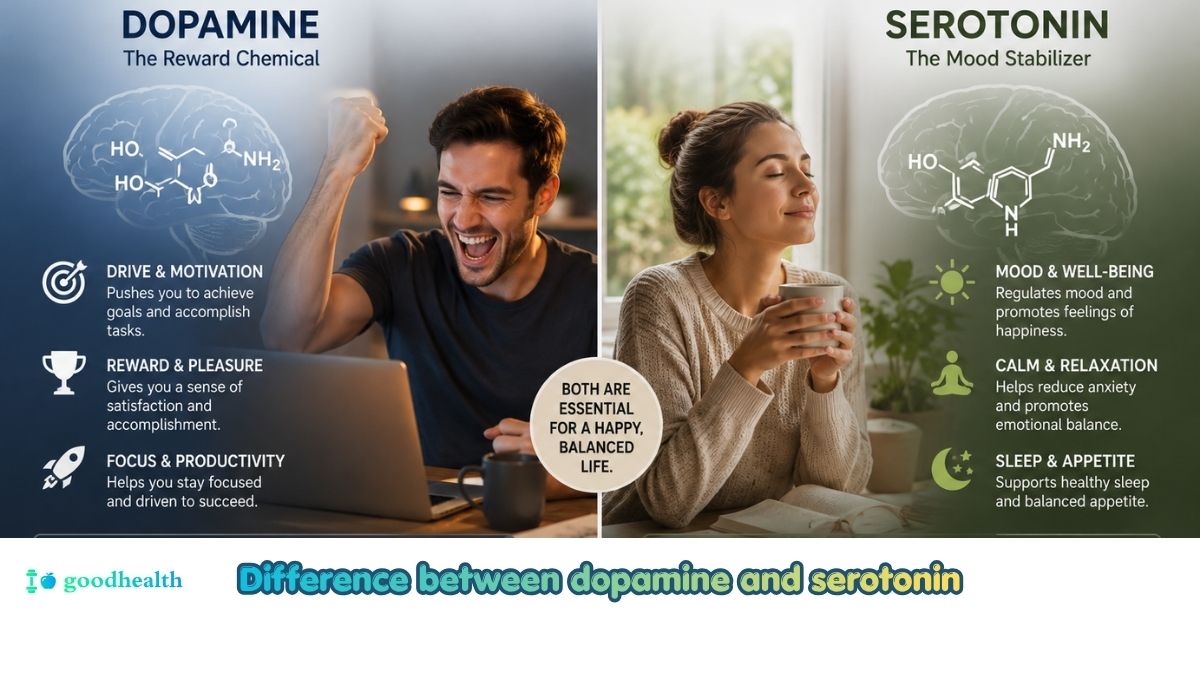
When exploring the complex landscape of human biology and psychology, understanding the chemical messengers that govern our brains is absolutely essential. Every emotion we feel, every goal we pursue, and every state of peace we experience is heavily influenced by microscopic neurotransmitters firing across our neural pathways. Among the billions of chemical reactions happening in the body at any given moment, two specific neurotransmitters stand out in popular culture and scientific research alike. Unlocking the true difference between dopamine and serotonin is the key to understanding human motivation, mood regulation, and our overall capacity for happiness. While both of these chemicals are often loosely categorized as “happy hormones,” they serve vastly different biological purposes, drive entirely different behaviors, and operate through entirely distinct neural circuits.
The Fundamental Roles of the Brain’s Chemical Messengers
Neurotransmitters are the body’s chemical messengers, designed to carry, boost, and balance signals between neurons and target cells throughout the body. These target cells can be in glands, muscles, or other neurons. A healthy, functioning nervous system relies entirely on the precise timing and accurate delivery of these chemical signals. Without neurotransmitters, the brain would be incapable of communicating with the rest of the body, making thoughts, movements, and emotions completely impossible.
In the context of mental health and daily cognitive function, dopamine and serotonin are part of a broader group of monoamine neurotransmitters. These specific chemicals are deeply involved in regulating cognitive processes, emotion, and arousal. Because they are so deeply intertwined with how we experience the world, an imbalance in either can lead to profound shifts in personality, energy levels, and emotional stability. However, treating them as interchangeable parts of a “happiness equation” is a fundamental misunderstanding of neuroscience.
To truly grasp how these chemicals dictate our daily lives, we must look at them not just as isolated substances, but as active drivers of human behavior. They dictate whether we feel compelled to chase a new goal or whether we feel perfectly content sitting still. By examining their distinct pathways, we can begin to see how our environment, our daily routines, and our internal biology constantly influence one another.
Understanding Dopamine: The Motivation and Reward Molecule
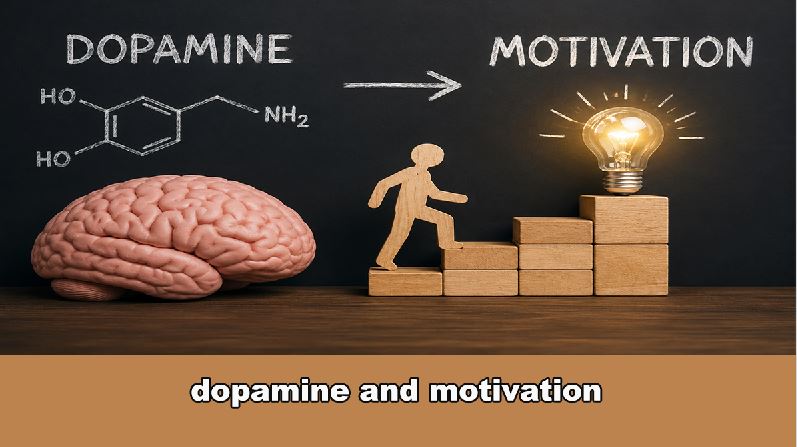
Dopamine is most accurately described as the molecule of motivation, desire, and forward-looking action. It is manufactured in a few specific areas of the brain, primarily the substantia nigra and the ventral tegmental area, and it travels along neural pathways that govern the brain’s reward system. Contrary to popular belief, dopamine is not the chemical of pleasure itself; rather, it is the chemical of anticipation. It is the intense feeling of wanting, the drive to seek out a reward, and the relentless motivation to take action toward a perceived goal.
When you anticipate a positive outcome, your brain releases a spike of dopamine. This spike is what propels you out of bed in the morning, drives you to finish a complex project, or pushes you to reach a new fitness milestone. It creates a state of heightened focus and arousal, narrowing your attention onto the reward ahead. Evolutionarily, this system was designed to keep humans moving forward—encouraging us to forage for food, seek shelter, and reproduce. In the modern world, however, this same mechanism is triggered by notifications on a smartphone, the anticipation of a sugary treat, or the prospect of a promotion.
Because dopamine is entirely focused on the future and the attainment of something outside of our current reality, it is inherently insatiable. Once a goal is achieved, the dopamine levels drop, leaving us looking for the next hit of motivation. This is why the thrill of a new purchase often fades rapidly, leaving a sense of emptiness that can only be filled by desiring something new. Understanding this cycle is crucial for recognizing why humans are so prone to chasing endless achievements without ever feeling a lasting sense of satisfaction.
How Dopamine Drives Habit Formation
The dopamine reward pathway is the primary neurological engine behind the creation of habits. When we experience a trigger, our brain releases dopamine in anticipation of a rewarding routine, which compels us to act. Understanding this mechanism is the absolute foundation for anyone looking to break negative habits. When we realize that the intense craving we feel is simply a dopamine spike pushing us toward a familiar, albeit destructive, behavior, we can step back and intervene. Rewiring these neural pathways involves consciously delaying gratification and gradually training the brain to find dopamine in healthier, constructive pursuits.
Understanding Serotonin: The Mood Stabilizer and Contentment Chemical
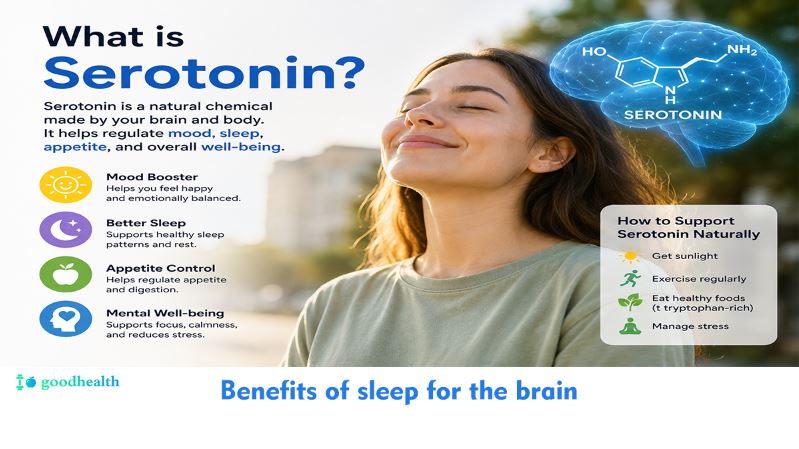
While dopamine is heavily concentrated in the brain and focused on future rewards, serotonin operates quite differently. Remarkably, an estimated 90 percent of the body’s serotonin is produced in the gastrointestinal tract, while the remaining 10 percent is synthesized in the central nervous system. Serotonin is fundamentally the molecule of the “here and now.” It is responsible for creating feelings of profound well-being, inner peace, and contentment with one’s current reality, acting as a crucial mood stabilizer.
Serotonin’s influence stretches far beyond emotional regulation. Because it is predominantly located in the gut, it plays a massive role in regulating digestion, bowel movements, and appetite. In the brain, optimal serotonin levels promote a calm, focused, and emotionally stable state. It helps to regulate sleep-wake cycles by acting as a chemical precursor to melatonin, the hormone that dictates our circadian rhythms. When serotonin levels are balanced, individuals generally feel confident, relaxed, and emotionally resilient enough to handle daily stressors without becoming overwhelmed.
Unlike dopamine, which creates a sharp, fleeting spike of excitement, serotonin provides a steady, enduring baseline of satisfaction. A deficit in serotonin is heavily linked to mood disorders, increased anxiety, irritability, and a general sense of unease. Modern antidepressants, specifically Selective Serotonin Reuptake Inhibitors (SSRIs), work by preventing the rapid reabsorption of serotonin in the brain, thereby leaving more of the chemical available in the synaptic cleft to help elevate and stabilize mood over time.
The Connection Between Serotonin and a Healthy Life
Cultivating a truly healthy life is deeply reliant on maintaining robust serotonin levels. Because this neurotransmitter governs everything from restorative sleep to efficient digestion and emotional baseline, holistic well-being is essentially impossible without it. Lifestyle choices that support gut health, prioritize stress reduction, and ensure adequate rest directly feed the body’s ability to produce and utilize serotonin. This creates a positive feedback loop where healthy physical routines foster the chemical environment needed for sustained mental peace.
The Core Difference Between Dopamine and Serotonin
The primary difference between dopamine and serotonin fundamentally comes down to excitement versus contentment. Dopamine asks the question, “What can I get next?” while serotonin calmly states, “I have everything I need right now.” Dopamine is an excitatory neurotransmitter that stimulates the brain into action, focus, and pursuit. Serotonin acts largely as an inhibitory neurotransmitter in the brain, calming the nervous system, reducing impulsivity, and promoting a state of restful satisfaction.
These opposing functions dictate entirely different human experiences. The thrill of winning a competition, securing a lucrative business deal, or receiving an exciting text message is driven by the sharp arousal of dopamine. Conversely, the quiet peace of sitting on a porch watching a sunset, feeling a deep sense of connection after a meaningful conversation, or experiencing gratitude for your current circumstances is mediated by serotonin. One drives progress and acquisition, while the other allows us to actually enjoy what we have acquired.
Furthermore, their physical pathways and locations highlight their distinct roles. Dopamine’s central operation within the brain’s mesolimbic and nigrostriatal pathways underscores its role in cognitive processing, movement, and reward. Serotonin’s massive presence in the enteric nervous system of the gut highlights its systemic role in sustaining the physical body’s core functions. Recognizing the difference between dopamine and serotonin helps clarify why a person can be highly successful and driven (high dopamine) but still feel deeply unhappy and clinically depressed (low serotonin).
How These Neurotransmitters Interact in the Body
While it is helpful to categorize the difference between dopamine and serotonin, the human body does not operate in isolated silos. These two powerful chemicals share a complex, often antagonistic relationship, operating much like a biological seesaw. In many physiological systems, an artificial spike in one can lead to a direct suppression of the other. This delicate balance is why relying heavily on quick dopamine hits can eventually erode a person’s baseline level of contentment.
For example, when an individual engages in behaviors that flood the brain with unnatural levels of dopamine—such as excessive social media scrolling, consuming highly processed sugary foods, or engaging in behavioral addictions—the brain attempts to maintain homeostasis. It does this by downregulating dopamine receptors, making it harder to feel motivated by everyday tasks. Simultaneously, this chronic state of hyper-arousal and constant wanting can suppress serotonin production, leaving the individual feeling anxious, irritable, and incapable of resting peacefully once the dopamine high wears off.
Conversely, a healthy balance of serotonin actually provides the stable emotional foundation necessary for healthy dopamine function. When an individual feels secure, well-rested, and chemically balanced through adequate serotonin, their pursuit of dopamine-driven goals becomes more measured and sustainable. They are able to pursue long-term ambitions without falling into compulsive, reward-seeking behaviors. The interplay between these neurotransmitters dictates the health of our central nervous system, proving that long-term well-being requires harmonizing both the drive to achieve and the ability to rest.
Lifestyle Strategies for Balancing Your Brain Chemistry
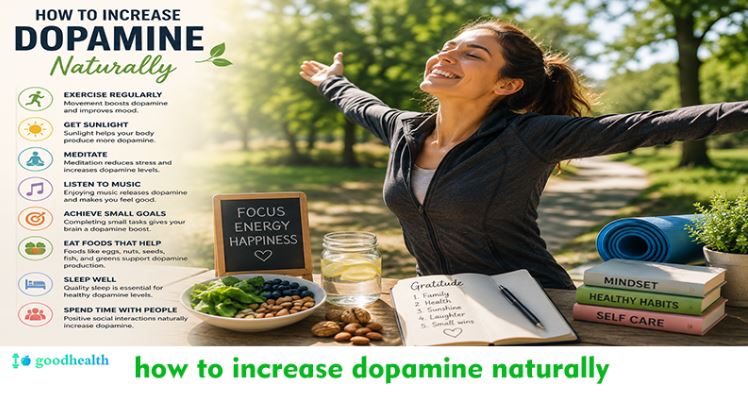
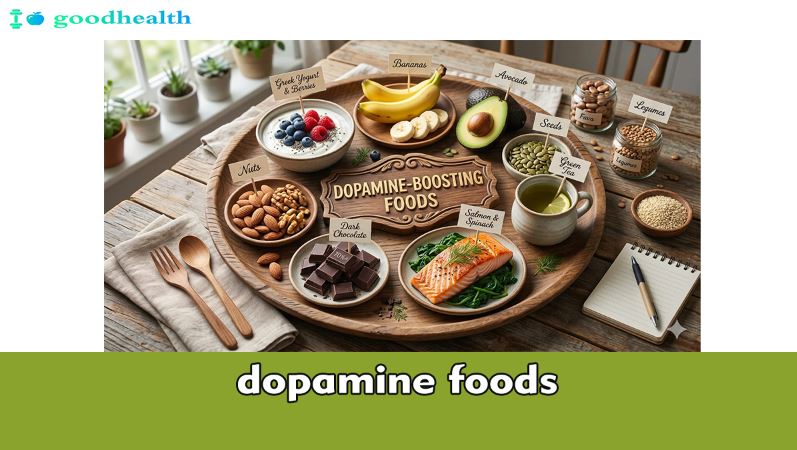
Because neurotransmitter production is heavily influenced by our daily habits and environment, we have a significant degree of control over our brain chemistry. Optimizing dopamine naturally requires a focus on structured goal-setting and celebrating small, incremental wins. Breaking large tasks into smaller, manageable steps provides steady, healthy releases of dopamine without burning out the reward system. Additionally, engaging in regular cardiovascular exercise, consuming a diet rich in the amino acid tyrosine, and practicing cold exposure have all been scientifically shown to support healthy, sustained dopamine levels without the crash associated with cheap, artificial thrills.
Supporting serotonin production requires a slightly different approach, leaning heavily into holistic health and environmental factors. Because so much serotonin is produced in the gut, a nutrient-dense diet rich in fiber, probiotics, and the amino acid tryptophan is non-negotiable. Furthermore, exposure to natural sunlight, particularly early in the morning, signals the brain to produce serotonin, which later converts to melatonin for restorative sleep. Mindfulness practices, deep breathing, and spending time in nature are also incredibly effective at lowering cortisol and giving the body the physiological safety required to synthesize serotonin efficiently.
Ultimately, mastering the balance between these two chemicals is a lifelong practice of self-awareness. It involves recognizing when you are caught in a dopamine-driven cycle of endless wanting and consciously taking steps to ground yourself in serotonin-producing activities. By actively managing your environment, your diet, and your daily routines, you can ensure that your nervous system is supported from every angle, leading to a more resilient and vibrant life.
Conclusion
Understanding the difference between dopamine and serotonin is incredibly empowering for anyone looking to optimize their mental, emotional, and physical health. While dopamine provides the necessary motivation, drive, and focus to navigate the challenges of life and pursue meaningful goals, serotonin offers the essential stabilization, peace, and contentment required to actually enjoy the fruits of that labor. Recognizing that these neurotransmitters govern distinct aspects of the human experience allows individuals to make informed, intentional choices about their lifestyle, diet, and daily habits. By prioritizing strategies that naturally balance both the brain’s reward center and its mood-stabilizing pathways, you can break free from cycles of cheap biological thrills and build a foundation for lasting, profound well-being.
Which hormone is responsible for motivation versus long-term happiness?
Dopamine gives you the quick rush of reward and drive to achieve your goals, whereas serotonin provides stable, long-term feelings of happiness and overall well-being.
How can I tell if my brain is low on dopamine or serotonin?
If you lack motivation and focus you might need a dopamine boost, but if you are struggling with anxiety, poor sleep, and mood swings, your serotonin levels might be low.
Can changing my daily routine increase both of these chemicals naturally?
You can naturally boost both neurotransmitters by replacing negative routines with healthier habits like regular exercise, getting morning sunlight, and eating a balanced diet.
Why do I crave scrolling or junk food when I feel stressed or down?
Your brain is likely seeking a quick, artificial dopamine hit to temporarily feel better, which is a common negative habit that distracts from building stable, calming serotonin levels.
Does dopamine cause addictive behaviors while serotonin brings peace?
Dopamine drives the intense craving and reward loops that can lead to addiction, whereas healthy serotonin levels promote emotional stability, calmness, and lasting satisfaction.
please note
The content provided in this article is for educational and informational purposes only and should not be construed as medical, nutritional, psychological, or therapeutic advice. The advice provided may not be appropriate for everyone. The final decision regarding your health and lifestyle is yours, and we recommend that you consult with your doctor, counselor, or other health professional before making any changes or taking any action.
Shop new arrivals
-

Emotional Advantage
€0.00 -

Healthy Life Blueprint
€0.00 -

How to break negative habits
€0.00 -
How to have continuity
Original price was: €4.90.€0.00Current price is: €0.00. -
Living with Purpose
Original price was: €8.90.€0.00Current price is: €0.00.