
dopamine foods

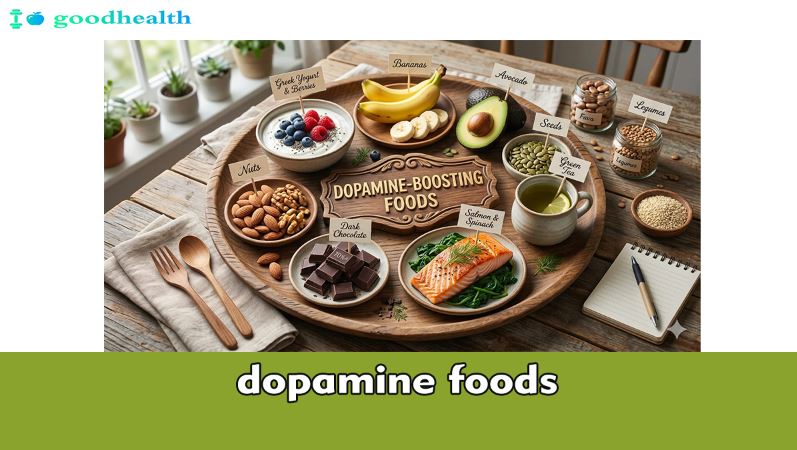
The pursuit of sustained energy, intense focus, and emotional balance often leads people to search for complex solutions, yet one of the most powerful tools for cognitive optimization lies in everyday nutrition. Brain chemistry is heavily influenced by the nutrients consumed daily, and the strategic selection of specific foods can directly impact how we feel, think, and perform. In recent years, the relationship between diet and mental well-being has taken center stage in nutritional psychiatry, shifting the focus from simply feeding the body to actively nourishing the nervous system. Understanding how to support the brain’s intricate chemical processes through diet is essential for maintaining consistent motivation and warding off the mental fatigue that characterizes modern life.
At the core of this nutritional strategy is the conscious inclusion of dopamine foods. These are nutrient-dense ingredients that provide the biological building blocks required for the brain to synthesize its own supply of neurotransmitters. Rather than relying on temporary stimulants that force unnatural spikes in brain activity, a diet rich in these essential precursors supports a steady, sustainable production of the chemicals responsible for drive and satisfaction. By transforming the way we approach meal planning, it is possible to create an internal environment where cognitive clarity and emotional resilience are naturally supported from the inside out.
The Biological Connection Between Nutrition and Dopamine Production
To fully appreciate the impact of diet on mental performance, it is necessary to understand the physiological role of dopamine and how it is manufactured in the body. Dopamine is a critical neurotransmitter, a chemical messenger that facilitates communication between nerve cells. While popular culture often reduces it to the “pleasure chemical,” its actual functions are far more complex. It is the primary driver of the brain’s reward and motivation circuitry, playing a pivotal role in motor control, executive function, learning, and the ability to maintain focus on long-term goals. When dopamine levels are optimal, individuals experience a natural sense of drive and alertness; when levels are depleted, symptoms like apathy, brain fog, and fatigue quickly set in.
The human body does not absorb this neurotransmitter directly from the meals we eat. Instead, it must be synthesized internally through a complex biochemical pathway. This process begins with dietary protein, which is broken down during digestion into individual amino acids. The two most critical amino acids for this specific neurological pathway are phenylalanine and tyrosine. Once absorbed into the bloodstream, phenylalanine is converted into tyrosine. The tyrosine then crosses the blood-brain barrier, where an enzyme called tyrosine hydroxylase transforms it into DOPA, which is subsequently converted into active dopamine. Without a sufficient and steady dietary supply of these amino acids, the brain simply lacks the raw materials required to manufacture this vital neurotransmitter.
Furthermore, this complex synthesis pathway relies heavily on a specific set of nutritional cofactors. The enzymes responsible for converting amino acids into active brain chemicals cannot function effectively without adequate levels of essential vitamins and minerals. Iron, niacin, folate, and vitamin B6 act as crucial catalysts in this process. Even if an individual consumes an abundance of tyrosine-rich proteins, a deficiency in these supporting micronutrients can bottleneck production, leading to suboptimal neurotransmitter levels. Therefore, consuming dopamine foods is not just about eating a single type of nutrient; it requires a comprehensive dietary approach that provides both the primary building blocks and the necessary enzymatic cofactors.
High-Quality Animal Proteins for Neurotransmitter Synthesis
Given that amino acids are the foundational components of neurotransmitter production, high-quality animal proteins stand out as some of the most efficient dietary sources available. Lean meats, including beef, chicken, and turkey, naturally contain incredibly high concentrations of both tyrosine and phenylalanine. Because animal proteins are biologically complete, they provide all essential amino acids in proportions that the human digestive system can easily break down and utilize. Consuming a moderate portion of lean poultry or grass-fed beef provides a highly bioavailable surge of these precursors into the bloodstream, ensuring that the brain has immediate access to the materials required for continuous neurotransmitter synthesis.
Beyond poultry and meats, foods sourced from aquatic environments are exceptionally beneficial for cognitive health. Fatty fish, such as wild-caught salmon, mackerel, and sardines, offer a dual benefit for the nervous system. Not only are they rich in the required amino acids, but they also provide a potent dose of omega-3 fatty acids. While omega-3s do not convert directly into dopamine, they are essential for maintaining the structural integrity of brain cell membranes. Healthy, fluid cell membranes ensure that neurotransmitter receptors remain sensitive and function efficiently. When the brain’s receptors are properly maintained by healthy fats, the dopamine produced by the body can bind more effectively, amplifying motivation and cognitive clarity.
Dairy products and eggs represent another accessible and highly effective category of protein for brain support. Eggs, in particular, are considered a nutritional powerhouse for the nervous system. In addition to providing a complete amino acid profile rich in tyrosine, eggs are one of the best dietary sources of choline, a compound vital for overall brain health and the production of other complementary neurotransmitters. Similarly, dairy products like cottage cheese, milk, and Greek yogurt provide substantial amounts of phenylalanine and tyrosine. The combination of protein and natural fats found in whole dairy products ensures a steady, sustained digestion process, leading to a consistent release of amino acids into the bloodstream rather than a fleeting spike.
Plant-Based Proteins and Legumes That Support Brain Health
For individuals adhering to vegetarian or vegan lifestyles, optimizing brain chemistry is entirely achievable through the strategic consumption of plant-based proteins. Soy products are among the most effective plant-based dopamine foods, as soybeans are one of the few botanicals that offer a complete amino acid profile. Foods like firm tofu, tempeh, and edamame provide dense concentrations of tyrosine and phenylalanine. Furthermore, traditional fermented soy products like tempeh offer the added benefit of improved digestibility, making it easier for the gastrointestinal tract to extract and absorb the vital amino acids needed for neurological maintenance.
Legumes, including lentils, chickpeas, and various types of beans, also play a fundamental role in a brain-supporting diet. While they may not contain the exact same amino acid density as animal meats, they offer a unique and highly beneficial nutritional package. Legumes combine substantial amounts of protein with complex, slow-digesting carbohydrates. This specific macronutrient ratio prevents rapid fluctuations in blood sugar levels. Because drastic spikes and crashes in blood glucose can severely disrupt neurotransmitter balance and lead to brain fog, the steady energy provided by beans and lentils creates a stable metabolic environment where the brain can optimally synthesize and utilize its chemical messengers.
In the realm of plant-based cognitive support, certain unique botanicals deserve recognition. Velvet beans, scientifically known as Mucuna pruriens, contain exceptionally high levels of naturally occurring L-DOPA, the direct precursor to dopamine. While velvet bean is typically consumed as a supplement rather than a dietary staple, its existence highlights the powerful pharmacological properties found in nature. For daily consumption, however, combining various plant sources—such as pairing legumes with whole grains or incorporating diverse seeds into meals—ensures that plant-based eaters receive an adequate and broad spectrum of the amino acids required to keep motivation and focus running at peak levels.
The Crucial Role of the Gut Microbiome in Mood Regulation
Modern nutritional science has revealed a profound connection between the digestive tract and the central nervous system, fundamentally changing how we understand mood regulation. This connection, known as the gut-brain axis, highlights the fact that the gastrointestinal system is responsible for producing a vast percentage of the body’s neurotransmitters. The health of the gut microbiome—the diverse community of bacteria living in the digestive tract—directly influences how efficiently the body extracts amino acids from food and converts them into active chemical messengers. When the gut is inflamed or unbalanced, even a diet rich in high-quality proteins will fail to translate into improved cognitive function.
How Fermented Foods Enhance Chemical Production
Incorporating fermented foods into the daily diet is one of the most effective strategies for supporting this intricate internal ecosystem. Foods rich in natural probiotics, such as plain yogurt, traditional kefir, unpasteurized sauerkraut, and kimchi, introduce beneficial bacterial strains directly into the digestive tract. These microbes actively assist in the breakdown of complex proteins, ensuring that tyrosine and phenylalanine are efficiently absorbed through the intestinal walls. Furthermore, certain strains of beneficial gut bacteria have been shown to produce trace amounts of neurotransmitters themselves, directly communicating with the brain via the vagus nerve to influence mood and emotional stability.
Fiber as Fuel for the Enteric Nervous System
Equally important to the introduction of probiotic foods is the consumption of prebiotic fiber to nourish the existing microbiome. Soluble fibers found in oats, asparagus, onions, and garlic act as a primary food source for beneficial gut bacteria. When these bacteria ferment dietary fiber, they produce short-chain fatty acids like butyrate, which possess potent anti-inflammatory properties. Reducing systemic inflammation within the gut not only heals the intestinal lining but also signals the brain to reduce neuroinflammation. A calm, uninflamed nervous system is highly receptive to dopamine, allowing the neurotransmitter to flow freely and bind to its receptors without interference.
Nuts, Seeds, and Healthy Fats for Sustained Mental Energy
Nuts and seeds represent concentrated sources of both the amino acid precursors and the specific mineral cofactors required for optimal neurological function. Almonds, walnuts, and pecans are widely celebrated for their brain-boosting properties. They contain significant levels of tyrosine alongside a wealth of healthy monounsaturated and polyunsaturated fats. Because the human brain is composed largely of fat, providing it with high-quality dietary lipids is essential for protecting the myelin sheaths that insulate nerve fibers. This insulation ensures that the electrical signals carrying dopamine instructions travel quickly and efficiently across the neural network.
Seeds are particularly dense in the trace minerals that act as catalysts in the synthesis of brain chemicals. Pumpkin seeds and sesame seeds are outstanding sources of magnesium, zinc, and iron. Zinc, in particular, is an essential trace element that regulates the communication between neurons and assists in the synthesis of tyrosine hydroxylase, the rate-limiting enzyme in dopamine production. Incorporating a daily handful of mixed seeds into oatmeal, salads, or smoothies provides the exact micronutrient profile the body requires to keep the assembly line of neurotransmitter production moving without interruption.
Flaxseeds and chia seeds contribute heavily to the structural maintenance of the brain through their high alpha-linolenic acid content, a plant-based omega-3 fatty acid. While these seeds support the physical architecture of the brain, their high fiber content also reinforces the gut-brain axis. The combination of protein, essential minerals, and healthy fats found in nuts and seeds makes them an indispensable category of dopamine foods, offering a sustained, slow-release energy source that prevents the mid-afternoon cognitive slumps commonly associated with poorer dietary choices.
Fruits and Vegetables Rich in Precursors and Antioxidants
While animal proteins and nuts provide the heavy building blocks, specific fruits and vegetables are absolutely vital for facilitating the conversion process and protecting the brain from degradation. Bananas are frequently cited in discussions about mood-boosting foods because they naturally contain high levels of tyrosine, as well as significant amounts of Vitamin B6. Vitamin B6 is a non-negotiable cofactor in the synthesis of neurotransmitters; without it, the body simply cannot transform amino acids into active brain chemicals. Avocados offer a similar profile, providing a rich blend of B-vitamins, tyrosine, and neuro-protective monounsaturated fats.
The role of fruits and vegetables extends far beyond providing raw materials; their primary value lies in their neuro-protective antioxidant properties. The process of metabolizing dopamine naturally generates free radicals, which can cause oxidative stress and damage the delicate neurons responsible for producing the neurotransmitter. Dark, leafy greens like spinach and kale, along with deeply colored fruits like blueberries, strawberries, and blackberries, are loaded with antioxidants such as flavonoids and Vitamin C. These compounds neutralize free radicals, protecting the structural integrity of the brain’s reward center and ensuring it functions efficiently throughout the lifespan.
Apples and watermelons also offer unique benefits for cognitive preservation. Apples contain high amounts of quercetin, a powerful antioxidant that has been heavily studied for its ability to prevent the neurodegeneration of dopamine-producing cells in the brain. Watermelon is rich in the amino acid citrulline, which promotes healthy blood flow and vascular function. Ensuring optimal blood circulation to the brain is critical, as it guarantees that the oxygen, amino acids, and micronutrients consumed through the diet actually reach the neurological centers where they are needed most.
Dietary Pitfalls That Deplete Natural Dopamine Levels
Understanding how to build an optimal dietary protocol also requires recognizing the foods and habits that actively sabotage brain chemistry. The modern diet is saturated with highly processed foods and refined sugars that wreak havoc on the brain’s reward circuitry. When an individual consumes large amounts of refined sugar, the brain releases a massive, unnatural flood of dopamine. While this creates a temporary sensation of intense pleasure, the subsequent crash leaves the nervous system depleted. Over time, chronic sugar consumption causes the brain to down-regulate its dopamine receptors in an attempt to handle the constant overstimulation, leading to a baseline state of lethargy and an inability to find pleasure in everyday activities.
Excessive consumption of low-quality saturated fats and heavily processed vegetable oils also contributes to neurological decline. Diets high in these inflammatory fats disrupt the communication pathways within the enteric nervous system and promote systemic inflammation. When inflammation crosses the blood-brain barrier, it actively suppresses the synthesis of neurotransmitters and impairs cognitive processing speed. This neuroinflammation forces the brain to expend energy on cellular repair rather than the production and regulation of the chemicals required for motivation and focus.
Relying heavily on artificial stimulants presents another significant obstacle to optimal brain chemistry. While moderate caffeine consumption can temporarily enhance receptor sensitivity and improve alertness, chronic overconsumption of energy drinks, excessive coffee, or alcohol puts the nervous system in a state of perpetual stress. These substances force the rapid release of stored neurotransmitters without providing the nutritional raw materials needed to replace them. The resulting deficit creates a cycle of dependency, where the individual feels entirely unmotivated without their stimulant of choice, underscoring the necessity of relying on nutrient-dense foods for natural energy generation.
Creating a Sustainable Diet for Long-Term Cognitive Function
Optimizing the brain’s chemical environment is not a process that occurs overnight, nor can it be achieved by simply eating a single tyrosine-rich meal. True cognitive enhancement requires the development of a sustainable, long-term dietary pattern that consistently supplies the nervous system with high-quality nutrients. The timing of nutrient intake can also play a strategic role in maintaining focus throughout the day. Consuming a breakfast rich in complete proteins and healthy fats, rather than simple carbohydrates, provides an immediate influx of amino acids when the brain is priming itself for the day’s demands, setting a stable chemical foundation that lasts for hours.
The effectiveness of a nutrient-dense diet is exponentially amplified when combined with supportive lifestyle habits. Nutritional interventions work symbiotically with environmental factors. For example, exposure to natural morning sunlight and regular physical exercise naturally increase the density and sensitivity of dopamine receptors in the brain. When an individual combines a diet abundant in essential amino acids and cofactors with consistent physical movement and adequate deep sleep, they create a biological environment where neurotransmitters are both produced abundantly and utilized with maximum efficiency.
Ultimately, the goal of focusing on these specific nutritional pathways is to cultivate a state of biological resilience. A balanced dietary approach ensures that the brain does not have to struggle to find the resources it needs to regulate mood and drive. By consistently incorporating a diverse array of lean proteins, fiber-rich legumes, fermented foods, antioxidant-packed berries, and nutrient-dense seeds, individuals can protect their nervous system from the stressors of daily life. This holistic approach to cellular nutrition provides the brain with a reliable, unshakable foundation for sustained mental clarity and emotional strength.
Achieving Lasting Balance Through a Dopamine-Supporting Diet
The intersection of nutritional science and cognitive performance proves that the food we consume is the most direct tool we possess for shaping our internal chemical landscape. Transitioning away from highly processed conveniences and embracing a diet focused on whole, biologically active ingredients allows the nervous system to repair and optimize itself. By understanding the critical roles of amino acids, gut health, and micronutrient cofactors, anyone can leverage daily nutrition to naturally enhance their drive, focus, and emotional stability.
Implementing this knowledge requires a commitment to dietary consistency and a focus on nutrient quality. Prioritizing high-quality proteins, healthy fats, and vibrant, antioxidant-rich produce ensures that the complex biological machinery responsible for neurotransmitter production never runs out of essential fuel. This proactive approach to eating completely transforms the relationship between diet and mental health, offering a natural, highly effective strategy for mastering cognitive performance and maintaining an enduring sense of well-being throughout every phase of life.
Which everyday foods actually increase dopamine levels the most?
Foods rich in protein like eggs, chicken, turkey, and dairy contain tyrosine, an amino acid your brain directly uses to create dopamine.
Can eating certain foods genuinely boost your mood, or is it a myth?
It is real science, as consuming foods high in tyrosine provides the raw building blocks your brain requires to naturally step up its dopamine production.
What is the best breakfast to eat if I want a morning dopamine spike?
A high-protein start like eggs with spinach or Greek yogurt topped with walnuts and bananas provides the ultimate mix of nutrients to kickstart your focus.
Are there any common foods that actually deplete your dopamine and cause a crash?
Highly processed junk foods and sugary treats trigger an artificial spike followed by a severe crash that leaves your brain’s dopamine receptors exhausted.
How does dark chocolate affect your dopamine levels compared to other sweets?
Dark chocolate contains compounds that trigger a clean, natural release of dopamine and endorphins without the aggressive blood sugar crash of regular candy.
Please note
The content provided in this article is for educational and informational purposes only and should not be construed as medical, nutritional, or therapeutic advice. The recommendations provided may not be appropriate for everyone. The final decision regarding your health and lifestyle is yours, and we recommend that you consult with your doctor or other health professional before making any changes or taking any action.






















One thought on “dopamine foods”