dopamine and motivation

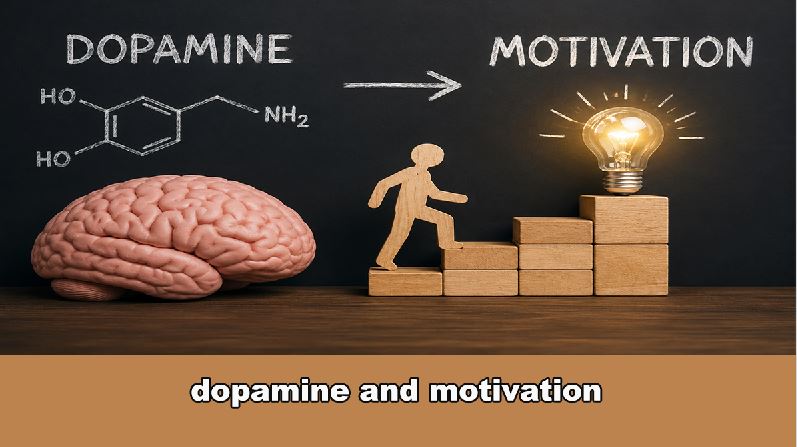
Human behavior is largely driven by an invisible chemical current flowing through the brain, dictating what we pursue, how much effort we exert, and when we decide to give up. For decades, popular culture has fundamentally misunderstood this chemical, labeling it the ultimate source of pleasure, joy, and profound happiness. However, modern neuroscience reveals a much more complex and fascinating reality regarding the profound connection between dopamine and motivation. Rather than acting as a biological reward that makes us feel good after a task is completed, this powerful neurotransmitter is actually the neurochemical engine of anticipation, desire, and relentless action. It is the molecule that makes humans look at a distant horizon, visualize a potential goal, and decide to start walking despite the obstacles. Understanding this intricate biological mechanism is no longer just an academic exercise reserved for clinical neuroscientists; it is a critical survival skill for anyone looking to navigate a modern world meticulously designed to hijack our attention and deplete our natural drive.
The Biological Foundation of Drive and Desire
To grasp how our motivation operates, it is essential to understand the underlying architecture of the brain’s reward circuitry. Dopamine is a neuromodulator, a specific type of chemical messenger that influences how neurons communicate with one another across various neural pathways. The most critical of these pathways for human drive is the mesolimbic reward pathway. This circuit originates in an area deep within the brain called the ventral tegmental area and projects outward to the nucleus accumbens, an region heavily involved in processing rewards and reinforcing behavior. When the brain perceives a potential reward, whether it is a nutrient-dense meal, a financial opportunity, or a potential romantic partner, this pathway activates, releasing dopamine and creating a visceral sense of craving.
The profound shift in neuroscientific understanding comes from realizing that this release happens before the reward is actually obtained. The brain uses this chemical to propel the body into motion. It acts as a biological currency that the brain allocates to activities it deems essential for survival or success. If the anticipated reward is high, the brain floods the system with this neuromodulator, sharpening focus, increasing physical energy, and completely narrowing our field of vision toward that singular goal. Without this chemical propulsion, mammals fall into a state of profound apathy. In laboratory settings, rodents stripped of their natural dopamine production will refuse to eat, eventually starving to death even when food is placed mere inches from their mouths, proving that the chemical is not responsible for the pleasure of eating, but the motivation to secure the food.
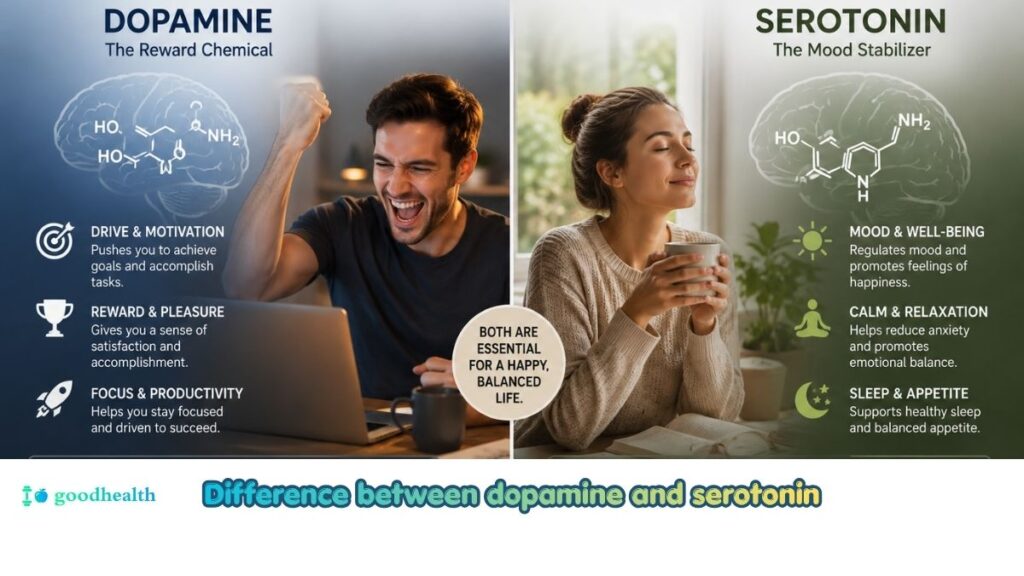
This distinction between wanting and liking fundamentally changes how we must approach personal productivity and goal setting. Liking a reward is a passive experience, mediated by other neurochemicals like serotonin and endorphins. Wanting a reward is an active, aggressive state characterized by an elevated heart rate, heightened alertness, and a willingness to expend massive amounts of physical and cognitive energy. When individuals struggle with chronic procrastination or a profound lack of drive, they are rarely suffering from an inability to enjoy the final outcome of their work. Instead, they are suffering from a disrupted craving mechanism, unable to generate the necessary neurochemical friction required to initiate the difficult task in the first place.
How the Brain Anticipates and Calculates Rewards
The relationship between dopamine and motivation is heavily governed by a neurological phenomenon known as reward prediction error. The human brain is a highly evolved prediction machine, constantly scanning the environment, calculating the probability of a positive outcome, and adjusting our internal chemistry accordingly. When an unexpected reward presents itself, the brain experiences a massive positive prediction error, resulting in a soaring spike of motivation and alertness. This is why finding an unexpected twenty-dollar bill on the sidewalk feels incredibly exhilarating, often providing more of a temporary mood boost than receiving a heavily anticipated, much larger paycheck.
Conversely, when an expected reward fails to materialize, the brain registers a negative prediction error. This results in a precipitous drop in baseline dopamine levels, creating a profound psychological sensation of disappointment, lethargy, and a sudden loss of all forward momentum. This steep drop serves an evolutionary purpose, signaling to the organism that the current behavioral strategy is ineffective and that energy should no longer be wasted on this particular pursuit. Understanding this mechanism explains why individuals often abandon long-term projects like fitness regimens or entrepreneurial ventures when early milestones are missed. The sudden neurochemical crash makes the effort feel biologically unjustifiable.
To maintain a consistent level of drive, it is crucial to understand that the brain releases the highest levels of this molecule not when a reward is guaranteed, but when it is highly uncertain. Behavioral psychologists have long noted that intermittent reinforcement schedules—where the outcome is unpredictable, much like pulling the lever on a slot machine—generate the most aggressive, relentless pursuit behaviors. We can leverage this biological quirk in our professional and personal lives by introducing elements of novelty, challenge, and slight unpredictability into our routines, preventing the brain from fully adapting to the reward schedule and ensuring that our natural drive remains engaged and active over the long term.
The Interplay Between Spikes and Baseline Levels
Our neurochemical environment operates on a delicate balance between a steady, underlying baseline and rapid, situational spikes. The baseline level dictates our general daily mood, our default level of energy, and our overall enthusiasm for waking up and tackling the day. Phasic spikes, on the other hand, are the intense, short-lived bursts of desire triggered by specific stimuli. A healthy, highly motivated individual maintains a robust baseline while experiencing appropriate, proportionate spikes in response to meaningful goals. When the baseline becomes depleted, often due to overstimulation or chronic stress, even the most appealing goals fail to trigger a strong enough spike to overcome the massive inertia of apathy.
The Modern Crisis of Cheap and Artificial Stimulation
We are currently living in an environment fundamentally mismatched with our evolutionary biology, and this mismatch is actively destroying our natural capacity for sustained effort. For hundreds of thousands of years, the human brain operated in an environment of scarcity. Highly rewarding stimuli—such as calorie-dense foods, novel information, and social validation—were exceptionally rare and required tremendous amounts of physical exertion and risk to obtain. Because these rewards were essential for survival, the brain evolved to release massive amounts of dopamine upon securing them, reinforcing the arduous behaviors required to survive.
Today, we are surrounded by an abundance of hyper-palatable, highly engineered stimuli designed specifically to exploit this ancient circuitry. Social media algorithms, processed foods, pornography, and immersive video games provide instant, massive spikes of neurochemical reward with absolutely zero physical or cognitive effort. When an individual scrolls through a short-form video feed, their brain is constantly flooded with novelty, triggering repeated, artificial surges of desire and satisfaction. The brain, attempting to maintain biological homeostasis in the face of this overwhelming chemical flood, responds by downregulating its own receptors. It actively reduces the number of available receptor sites to protect itself from the neurochemical onslaught, effectively raising the threshold required to feel any sense of desire or satisfaction.
This physiological adaptation is disastrous for long-term motivation. As the brain’s receptors retreat, the individual experiences a drastic lowering of their natural baseline. Everyday activities that used to provide a mild, pleasant sense of accomplishment—such as reading a complex book, completing a challenging work assignment, or engaging in a deep, meaningful conversation—suddenly feel unbearably tedious and completely devoid of reward. The brain begins to subconsciously calculate the effort-to-reward ratio and determines that studying for an exam or building a business is mathematically unjustifiable when an infinitely more potent chemical spike is available immediately through a glowing screen in their pocket.
Why High-Effort Tasks Become Neurologically Impossible
The contrast between natural, effort-based rewards and modern, artificial stimuli creates a massive behavioral divide. When receptors are downregulated, the friction required to start a difficult task feels insurmountable. The brain literally lacks the chemical currency to fund the action. It is not a matter of a lack of moral character, weak willpower, or poor time management; it is a fundamental neurochemical deficit. Overcoming this state requires a deliberate, strategic withdrawal from unearned stimulation to allow the brain’s delicate receptor network to heal and return to its natural, highly sensitive state.
Strategic Protocols for Recalibrating the Reward System
Restoring a healthy relationship between dopamine and motivation requires a systematic approach to resetting the brain’s receptor sensitivity. This process is frequently referred to in modern productivity circles as a dopamine fast or detox, though neurobiologically, it is more accurately described as a strategic recalibration of the reward pathway. The goal is not to eliminate this essential molecule from the brain—which is physiologically impossible and highly undesirable—but to eliminate the cheap, unearned triggers that are actively suppressing the brain’s natural sensitivity. By removing highly stimulating, effortless inputs, the brain is forced to slowly upregulate its receptors, allowing normal, everyday achievements to feel rewarding once again.
The first critical step in this recalibration process is the intentional embrace of boredom. In the modern era, humans have completely eradicated transitional periods of stillness. We immediately reach for our smartphones while waiting in line, sitting in traffic, or even walking to the mailbox. These micro-doses of digital stimulation prevent the mind from wandering and suppress the natural generative discomfort that leads to creative thought and intrinsic drive. By deliberately leaving the phone in another room and sitting in complete silence, an individual starves the brain of cheap novelty. While initially highly uncomfortable and anxiety-inducing, this targeted deprivation forces the baseline to stabilize, slowly rekindling the desire to engage in meaningful, effort-driven tasks.
Successfully resetting this system also requires establishing strict environmental boundaries. Willpower is an incredibly finite resource that quickly depletes when forced to constantly battle environmental temptations. Rather than trying to resist the urge to consume cheap entertainment while working, highly motivated individuals engineer their environments to make the right choices frictionless and the wrong choices exceedingly difficult. This involves utilizing website blockers, physically removing televisions from workspaces, and curating dietary environments to eliminate the constant subconscious negotiation regarding whether or not to indulge in a hyper-palatable distraction.
Building Sustainable Drive Through Delayed Gratification
Once the brain has been sufficiently recalibrated, the next phase is to fundamentally rewire how we experience rewards, shifting the focus from the outcome to the execution. The most highly motivated, elite performers in any field—whether professional athletics, scientific research, or business—share a common neurochemical trait: they have successfully attached their dopamine release to the friction of the effort itself, rather than the final victory. They do not just endure the arduous process of training or working; they genuinely crave the exertion. This is the ultimate biological hack for sustained, lifelong drive.
When an individual only experiences a spike of satisfaction upon achieving the final goal, they place themselves in a highly vulnerable position. The vast majority of any ambitious pursuit consists of difficult, tedious, and often frustrating daily work. If the brain only releases its motivational currency at the finish line, the individual will inevitably run out of energy during the long, unglamorous middle phase of the journey. However, neuroplasticity allows us to train our brains to view the friction itself as the reward. By actively telling ourselves that the struggle, the focus, and the physical or mental strain are pushing us forward, we can consciously trigger a localized release of this powerful neurotransmitter in real-time, effectively self-funding our own continued effort.
This deliberate reframing of the effort-to-reward ratio is heavily supported by the practice of breaking massive, intimidating goals into incredibly small, actionable micro-goals. Every time a small task is completed and physically checked off a list, the brain receives a minor, healthy pulse of satisfaction. This pulse provides the exact amount of chemical energy required to initiate the very next step. By carefully constructing a ladder of these continuous micro-achievements, an individual creates a self-sustaining neurochemical loop, moving forward with increasing momentum and entirely bypassing the overwhelming paralysis that comes from staring exclusively at the distant, final objective.
The Power of Intrinsic Versus Extrinsic Drivers
True, unshakeable drive stems from intrinsic motivation—pursuing a goal for the inherent satisfaction of the work itself, rather than for external validation, money, or social status. External rewards provide very sharp, volatile spikes of neurochemistry that fade almost immediately after the reward is acquired, often leaving the individual feeling surprisingly empty. Cultivating intrinsic drive aligns the reward pathway with our core values, creating a smooth, incredibly stable release of neurochemicals that makes burnout highly unlikely and long-term mastery inevitable.
Physiological Factors That Influence Neurochemical Health
Beyond psychological frameworks and behavioral habits, the production and regulation of these crucial brain chemicals are heavily dependent on baseline physiological health. The brain cannot synthesize adequate levels of motivation if it lacks the fundamental biological building blocks required for the manufacturing process. The entire synthesis pathway begins with an amino acid called tyrosine, which is found abundantly in protein-rich foods such as lean meats, eggs, dairy, and various nuts and seeds. Through a series of enzymatic reactions, the body converts tyrosine into L-DOPA, which is subsequently converted into active dopamine. Ensuring a nutrient-dense diet is therefore not just about physical health; it is the absolute prerequisite for maintaining cognitive drive and psychological resilience.
Circadian biology and proper sleep architecture play an equally vital role in maintaining receptor sensitivity. The brain clears out metabolic waste and recalibrates its receptor networks predominantly during deep, slow-wave sleep. Chronic sleep deprivation severely blunts the responsiveness of the reward pathway, leading to the familiar feeling of groggy apathy following a poor night’s rest. Furthermore, viewing bright, natural sunlight early in the morning helps synchronize the body’s internal clock, triggering an early, healthy release of cortisol and establishing a strong, stable baseline of alertness and motivation that carries through the entire day.
Finally, emerging research into deliberate cold exposure has shown remarkable effects on the body’s natural motivational reserves. Immersing the body in cold water triggers a massive, prolonged release of both norepinephrine and dopamine, completely independent of any external rewarding stimuli. Unlike the rapid, destructive spikes caused by artificial digital entertainment, the neurochemical surge triggered by physical stress and cold exposure lasts for hours, providing a sustained elevation in mood, focus, and drive. By mastering these foundational physiological inputs, individuals ensure that their biological engine is fully primed, finely tuned, and capable of generating the relentless motivation required to pursue and achieve their most ambitious goals.
Understanding the deep biological connection between dopamine and motivation removes the mystery from human behavior. It shifts the paradigm away from vague concepts of willpower and moral fortitude, placing the focus squarely on neurochemical management and environmental design. When we recognize that our drive is a finite biological resource governed by specific neurological laws, we stop squandering it on cheap, engineered stimuli. By actively protecting our baseline levels, deliberately engaging in delayed gratification, and attaching our internal rewards to the friction of hard work, we can fully harness the brain’s natural machinery. This profound neurobiological alignment is what ultimately allows individuals to sustain incredible focus, overcome massive obstacles, and build a deeply meaningful, intensely driven life.
How does dopamine actually affect motivation?
Dopamine doesn’t just give you pleasure; it creates the drive and desire to pursue rewards, acting as the brain’s main engine for motivation.
Can a dopamine detox help me get my motivation back?
Taking a break from high-dopamine activities like scrolling social media can help reset your brain’s receptors and make difficult tasks feel more rewarding again.
Why do I lack motivation even when I know what I need to do?
You might be experiencing low dopamine levels caused by stress, poor sleep, or constant digital overstimulation, making it incredibly hard to feel driven.
What are natural ways to increase my dopamine levels daily?
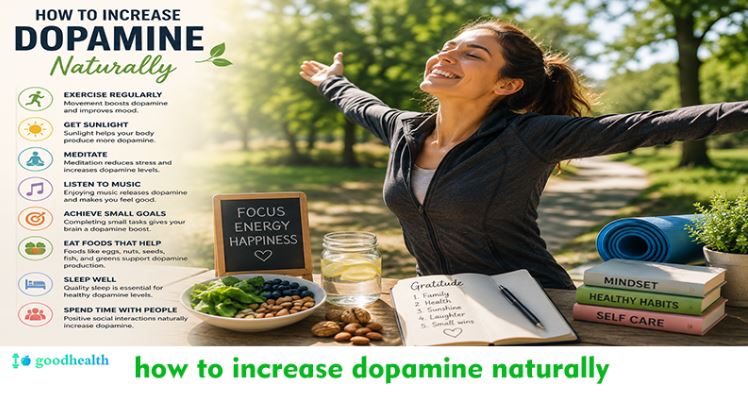
Getting morning sunlight, exercising regularly, eating protein-rich foods, and breaking big goals into small wins are all proven ways to naturally boost your dopamine.
Does ADHD affect how dopamine and motivation work?
Yes, brains with ADHD naturally process dopamine differently, which is why people with ADHD often struggle with starting tasks unless they are highly urgent or incredibly interesting.
Please note
The content provided in this article is for educational and informational purposes only and should not be construed as medical, nutritional, or therapeutic advice. The recommendations provided may not be appropriate for everyone. The final decision regarding your health and lifestyle is yours, and we recommend that you consult with your doctor or other health professional before making any changes or taking any action.