benefits of self love


In a world that constantly demands our attention, energy, and output, the concept of turning that focus inward is often misunderstood. For a long time, the narrative surrounding self-care has been heavily commercialized, reduced to fleeting indulgences like spa days, expensive retreats, or temporary escapes from reality. While these activities can certainly provide momentary relief, they barely scratch the surface of a much deeper, more fundamental psychological requirement. True self-compassion is not a luxury or a selfish pursuit; it is the foundational bedrock upon which a healthy, sustainable, and fulfilling life is built.
Understanding the benefits of self love requires a profound shift in perspective. It demands that we stop viewing our own well-being as an afterthought or a reward earned only after exhausting ourselves for the sake of others. Instead, treating oneself with unconditional positive regard must become a daily practice, intricately woven into how we think, make decisions, and interact with the world around us. When an individual actively chooses to honor their own worth, the positive ramifications echo through every dimension of their existence, altering their internal landscape and transforming their external reality.
This internal transformation is not an overnight occurrence, nor is it a linear path devoid of challenges. It is a continuous, intentional commitment to breaking down years of conditioned self-criticism and replacing those destructive patterns with grace and understanding. As we explore the multifaceted advantages of this mindset, it becomes abundantly clear that cultivating a deep sense of self-worth is perhaps the most critical investment a human being can make. The profound benefits of self love extend far beyond momentary happiness, offering lasting improvements to mental health, physical vitality, interpersonal relationships, and professional fulfillment.
Understanding the True Meaning of Self-Love
To fully grasp the magnitude of its impact, one must first clearly define what it means to practice self-appreciation. At its core, self-love is a state of appreciation for oneself that grows from actions that support physical, psychological, and spiritual growth. It means having a high regard for your own well-being and happiness. It means taking care of your own needs and not sacrificing your well-being to please others, while also refusing to settle for less than you deserve. This profound internal alignment is not about arrogance or believing you are superior to those around you; rather, it is about acknowledging your inherent value as a human being, independent of your achievements, productivity, or the opinions of external observers.
A common misconception is the conflation of self-compassion with narcissism or toxic selfishness. Narcissism is rooted in a fragile ego that requires constant external validation and the diminishment of others to maintain a sense of superiority. True self-regard, conversely, is remarkably quiet and grounded. It does not need to shout its worth from the rooftops because that worth is internally validated. When you possess a solid foundation of inner peace, you no longer operate from a mindset of scarcity. You understand that your own emotional cup must be full before you can sustainably pour into the lives of your family, friends, and community.
Furthermore, authentic self-love involves holding oneself accountable. It is not about letting yourself off the hook for poor behavior or avoiding necessary personal growth. On the contrary, caring deeply for yourself means having the courage to confront your own toxic traits, bad habits, and limiting beliefs. It is about striving for a healthier, more evolved version of yourself because you recognize that you deserve a life free from self-sabotage. This balanced approach to personal accountability and gentle self-forgiveness creates an optimal environment for lifelong emotional development.
The Psychological Benefits of Self Love and Emotional Resilience
Perhaps the most immediate and observable benefits of self love are found within the realm of mental health. For many individuals, the mind can be a hostile environment, characterized by an endless loop of harsh self-judgment, catastrophic thinking, and relentless perfectionism. Cultivating a compassionate inner voice acts as a powerful antidote to this internal toxicity. When you make a conscious effort to speak to yourself with the same kindness and understanding you would offer a dear friend, you significantly lower the baseline levels of anxiety and psychological distress you experience daily.
This reduction in anxiety is closely tied to the development of robust emotional resilience. Life is inherently unpredictable and filled with inevitable setbacks, failures, and disappointments. An individual who lacks self-worth often internalizes these external failures as indictments of their character, leading to depressive episodes and a prolonged inability to bounce back. However, a self-compassionate person approaches failure from an entirely different vantage point. They are able to separate their inherent value from their temporary circumstances. Because their self-esteem is not exclusively tied to their successes, they can analyze their missteps objectively, extract the necessary lessons, and move forward without suffering a devastating blow to their core identity.
Silencing the Inner Critic
A critical component of this psychological resilience is the active silencing of the inner critic. We all possess an internal monologue that is quick to point out our flaws, amplify our mistakes, and predict our failures. The practice of self-love involves recognizing this critical voice not as an absolute truth, but as a conditioned response often born from childhood experiences or societal pressures. By challenging these negative narratives and consciously replacing them with affirmations of self-worth, individuals rewire their neural pathways. Over time, the default mental state shifts from self-punishment to self-encouragement, creating a deeply ingrained sense of inner peace that remains stable even during chaotic times.
Physical Health Advantages Linked to Self-Compassion
The mind and the body are not isolated systems; they are intimately connected, constantly communicating and influencing one another. Therefore, the psychological calm generated by a positive self-image translates directly into measurable physical health benefits. When a person is trapped in a cycle of self-loathing or chronic stress driven by perfectionism, their nervous system remains locked in a sympathetic “fight or flight” state. This chronic stress causes the adrenal glands to overproduce cortisol and adrenaline, hormones that, when consistently elevated, wreak havoc on the body’s immune system, cardiovascular health, and metabolic functions.
By choosing to embrace the benefits of self love, individuals actively engage their parasympathetic nervous system, commonly known as the “rest and digest” state. This shift drastically reduces the physiological markers of stress. Blood pressure normalizes, resting heart rate decreases, and the immune system is bolstered, making the body more resilient against infections and chronic diseases. Furthermore, the reduction of systemic inflammation—often exacerbated by psychological stress—has been linked to improved longevity and a decreased risk of severe autoimmune disorders. The sheer act of forgiving oneself and letting go of chronic self-criticism acts as a potent biological intervention.
Beyond the automatic hormonal responses, self-compassion dramatically influences behavioral choices regarding physical health. When you genuinely value your body as the vessel that carries you through life, you are significantly more likely to engage in nourishing behaviors. This means choosing to consume foods that provide sustained energy rather than using food as a mechanism for emotional numbing. It means engaging in regular physical movement not as a punishment for what you ate, but as a celebration of what your body can do. People who possess a high degree of self-worth are also more proactive about their preventative medical care, prioritizing sleep, hydration, and medical check-ups because they firmly believe their physical health is worth preserving.
How Self-Love Transforms Personal Relationships
It is a well-documented psychological truth that the quality of our external relationships rarely exceeds the quality of the relationship we have with ourselves. One of the most profound benefits of self love is its capacity to completely overhaul our interpersonal dynamics. When individuals lack a foundational sense of self-worth, they often enter into relationships from a place of deficit. They unconsciously seek out partners or friends to fill a void, looking for external sources to validate their existence and make them feel whole. This dynamic inevitably leads to codependency, where an individual’s emotional stability is entirely reliant on the fluctuating moods and opinions of another person.
Conversely, an individual who practices rigorous self-compassion enters relationships already feeling complete. They do not look to their partners for salvation or constant validation, which alleviates an immense amount of pressure from the relationship. Because their happiness is internally sourced, they are able to love others freely, generously, and without the anxiety of potential abandonment. They can appreciate their partners for who they are, rather than continuously evaluating whether the partner is adequately serving their emotional deficits. This creates a balanced, interdependent dynamic where two whole individuals choose to share their lives, rather than two halves desperately clinging to one another for survival.
Furthermore, a deep sense of self-worth acts as an incredibly effective filter for toxic behavior and unhealthy relational patterns. We inherently accept the love and treatment that we believe we deserve. If your internal narrative dictates that you are unworthy of respect, you are far more likely to tolerate disrespect, manipulation, and emotional abuse from others. However, when you recognize your own inherent value, your tolerance for poor treatment drops to zero. You establish a standard of respect that others must meet if they wish to have access to your time and energy, naturally weeding out individuals who are incapable of offering genuine, reciprocal care.
Fostering Deeper Empathy for Others
As an individual learns to apply grace to their own shortcomings, their capacity to extend empathy to others expands exponentially. It is incredibly difficult to be forgiving of the flaws in our partners, friends, or family members if we are ruthlessly unforgiving of our own. By learning to sit comfortably with our own imperfections, we develop a profound understanding of the human condition. We begin to view the mistakes of others not as malicious attacks, but as the natural struggles of imperfect beings, fostering a deeper, more resilient compassion within all of our social circles.
Professional Growth and Cultivating Self-Worth in the Workplace
The advantages of a positive self-image are not confined to our personal lives and health; they are equally transformative in the professional arena. In the workplace, a lack of self-worth often manifests as crippling imposter syndrome. Many talented individuals find themselves paralyzed by the persistent fear that they are frauds, waiting to be exposed by their colleagues or superiors. This fear leads to career stagnation, as individuals avoid taking on new responsibilities, stepping into leadership roles, or sharing innovative ideas out of a profound fear of failure and subsequent humiliation.
Embracing the benefits of self love dismantles the foundation of imposter syndrome. When an employee knows their worth is not dictated by a single project’s outcome or a quarterly performance review, they develop the courage necessary to take calculated professional risks. They are more likely to speak up in meetings, pitch ambitious ideas, and volunteer for high-visibility assignments. Because they are not terrified of making mistakes, they approach challenges with a growth mindset, viewing professional hurdles as opportunities to learn and expand their skill sets rather than threats to their identity. This quiet confidence is highly visible to leadership and is often a key differentiator in career advancement.
Moreover, self-compassion is a critical tool for professional self-advocacy and burnout prevention. Employees who value their own time and energy are significantly more likely to negotiate fair compensation, ask for promotions when they have earned them, and push back against unrealistic workloads. They recognize the signs of mental and physical exhaustion and validate their own need for rest without overwhelming guilt. By maintaining this equilibrium, they protect their passion for their work, ensuring long-term career sustainability rather than falling victim to the cycle of overwork, resentment, and inevitable professional burnout.
Building Healthy Boundaries Through Self-Appreciation
A vital manifestation of self-worth is the establishment and maintenance of healthy boundaries. Boundaries are often misunderstood as walls designed to keep people out, but in reality, they are the parameters that allow us to interact with the world safely and sustainably. They are an act of profound self-preservation. When an individual lacks a strong internal compass of self-love, they often fall into the trap of people-pleasing. They agree to obligations they do not have the energy for, lend money they cannot afford to lose, and absorb the emotional baggage of others at the expense of their own mental stability.
Learning to say “no” is a comprehensive exercise in self-respect. It requires recognizing that your time, energy, and emotional bandwidth are finite resources that must be fiercely protected. Individuals who practice daily self-compassion understand that saying no to an unreasonable request is, in fact, saying yes to their own well-being. They learn to communicate their limits clearly, calmly, and without the need to over-explain or apologize for their limitations. This clarity prevents the buildup of unexpressed resentment, which is the silent destroyer of both personal and professional connections.
The implementation of strong boundaries also commands respect from the outside world. People naturally mirror the level of respect you demonstrate for yourself. When you show up in your life as someone who honors their commitments but fiercely protects their peace, those around you adjust their expectations and behaviors accordingly. You train the world on how to treat you based on what you are willing to tolerate. Over time, the consistent application of these boundaries cultivates an environment that deeply aligns with your core values, creating a life that feels authentic, secure, and uniquely your own.
Embracing the Lifelong Journey of Self-Compassion
The shift toward a life rooted in profound self-appreciation is not a destination to be reached, but a perpetual, evolving practice. It requires patience, intentionality, and the willingness to catch yourself when old patterns of self-deprecation attempt to resurface. The societal conditioning that urges us to hustle relentlessly and measure our worth by external metrics is deeply ingrained, making the choice to prioritize internal peace an act of quiet, powerful rebellion. By committing to this journey, individuals actively rewrite the narrative of their lives, shifting from a state of survival and chronic self-doubt to one of thriving, grounded confidence.
The comprehensive benefits of self love touch every conceivable aspect of the human experience. From the quiet reduction of anxiety in the depths of the mind to the strengthening of physical vitality, the transformation is entirely encompassing. It reshapes the way we interact with our romantic partners, allows us to step into our professional power, and equips us with the boundaries necessary to protect our most valuable resources. It is the ultimate foundation for a life well-lived, proving that the most important relationship you will ever cultivate is the one you have with yourself.
Ultimately, investing in your own emotional well-being yields the highest possible returns. As you continue to champion your own worth, you not only elevate your own lived experience but also become a beacon of healthy, balanced living for those around you. The practice of deep, unconditional self-regard ensures that you navigate the complexities of life not with a fragile ego, but with an unshakable inner core, ready to face adversity with grace, embrace joy without guilt, and experience the profound peace of simply being enough exactly as you are.
What happens when you start practicing self-love?
You will notice a significant boost in your mental well-being, lower stress levels, and a much healthier relationship with yourself and others.
How does self-love actually improve your relationships?
By setting healthy boundaries and recognizing your own worth, you naturally stop tolerating toxic behavior and attract people who truly respect you.
Is practicing self-love the same thing as being selfish?
Not at all, because taking care of your own emotional and physical needs actually gives you the energy and patience to fully support the people you care about.
Can self-love help reduce daily anxiety?
While it doesn’t replace professional help, building a habit of self-compassion quiets your harsh inner critic and makes it easier to bounce back from stressful situations.
What is the best first step to start loving yourself more?
The most effective starting point is catching your negative self-talk and actively choosing to treat your mistakes with the same forgiveness you would offer a close friend.
Please note
The content provided in this article is for educational and informational purposes only and should not be construed as medical, nutritional, or therapeutic advice. The recommendations provided may not be appropriate for everyone. The final decision regarding your health and lifestyle is yours, and we recommend that you consult with your doctor or other health professional before making any changes or taking any action.
Shop new arrivals
-
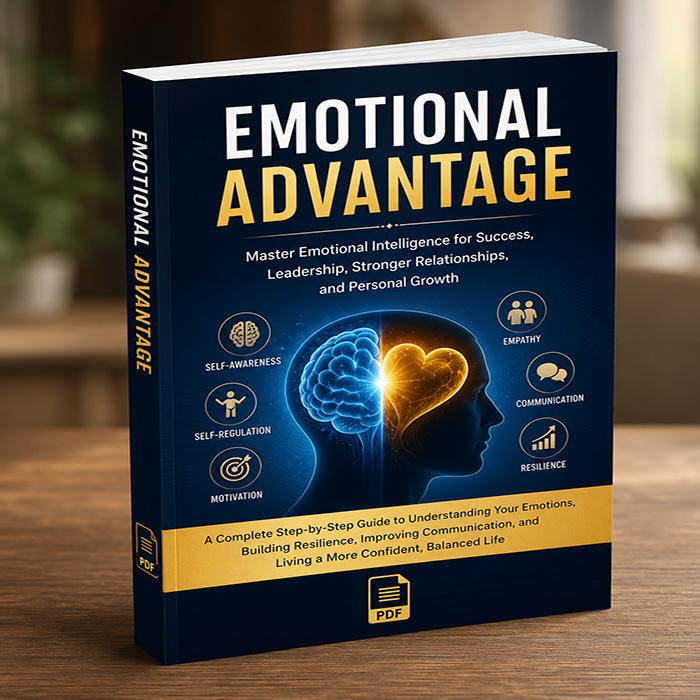
Emotional Advantage
Original price was: €12.90.€8.90Current price is: €8.90. -
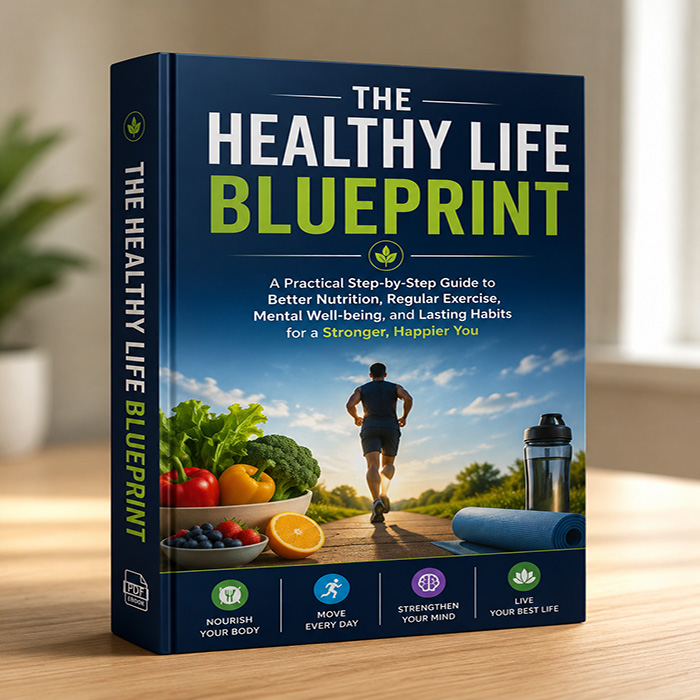
Healthy Life Blueprint
Original price was: €24.90.€15.90Current price is: €15.90. -
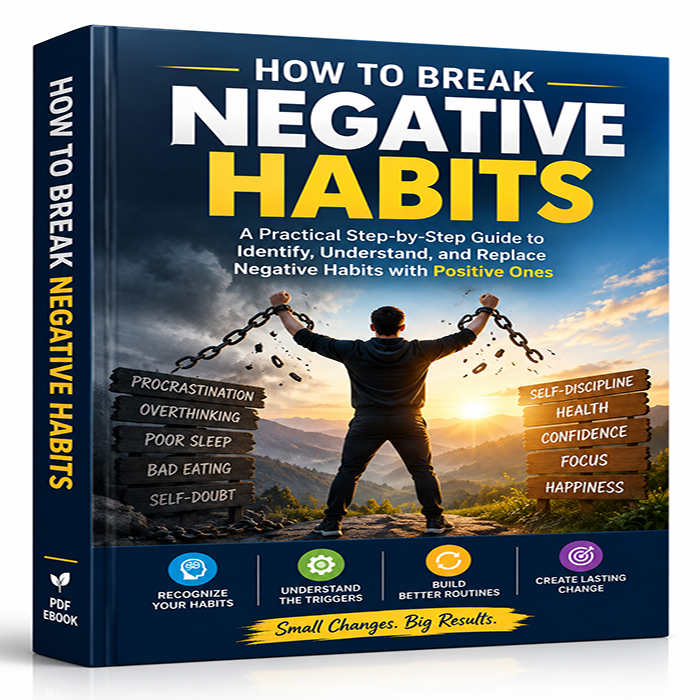
How to break negative habits
Original price was: €12.90.€6.90Current price is: €6.90. -
How to have continuity
Original price was: €15.90.€8.90Current price is: €8.90. -
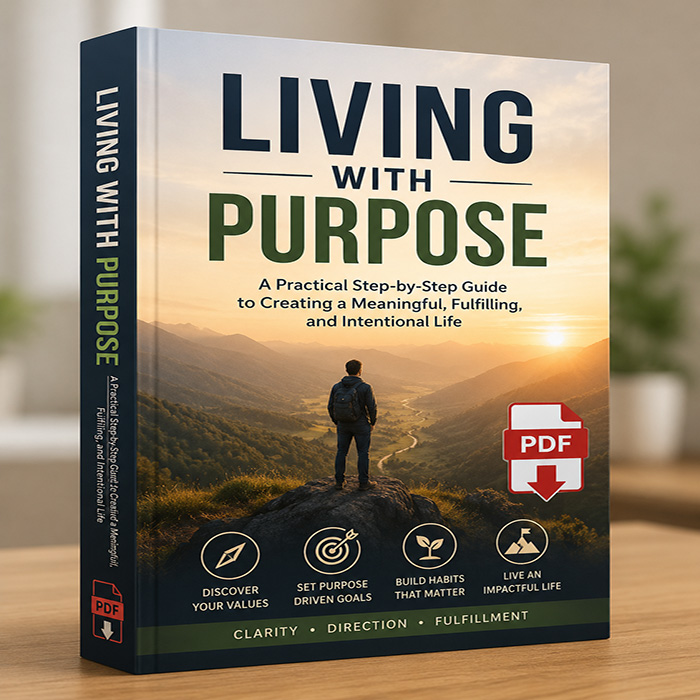
Living with Purpose
Original price was: €14.90.€9.90Current price is: €9.90.