dark chocolate antioxidants

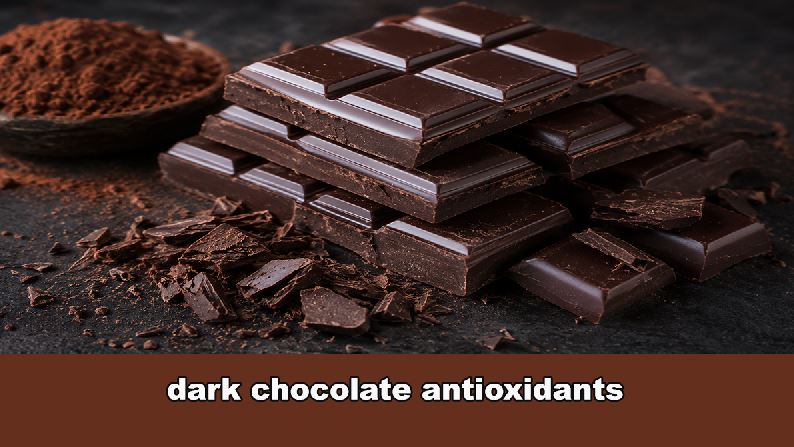
For centuries, cacao has been revered not just as a culinary indulgence, but as a potent botanical medicine. Long before it was transformed into the sweetened confections that dominate modern supermarket shelves, ancient Mesoamerican civilizations consumed bitter cacao beverages for their restorative and energizing properties. Today, modern nutritional science has finally caught up with this historical intuition, revealing that the true value of this ancient food lies deep within its complex molecular structure. The secret to its remarkable health benefits is primarily found in the dense concentration of dark chocolate antioxidants. These naturally occurring compounds serve as a powerful defense mechanism against cellular damage, transforming a simple treat into a formidable functional food. By understanding how these micronutrients interact with human biology, individuals can elevate their dietary strategies and harness the profound physiological advantages that high-quality cacao provides.
The Complex Nutritional Profile of Cacao
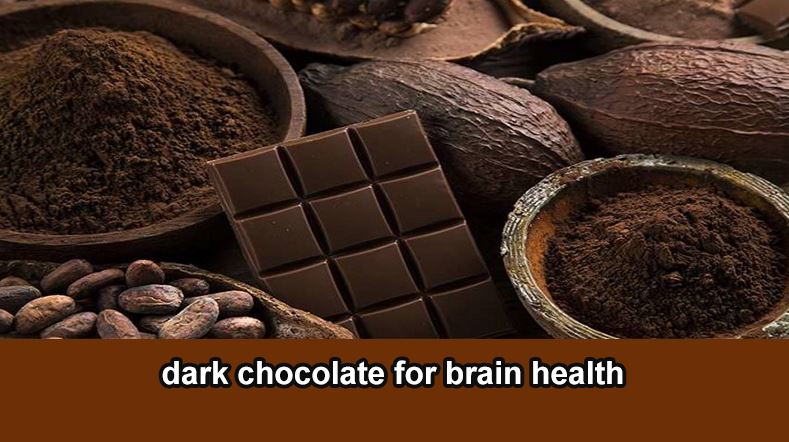
To fully appreciate the impact of this superfood, it is necessary to examine the raw material from which it is derived. The cacao bean is an incredibly complex seed, containing hundreds of distinct biological compounds, minerals, and phytonutrients. In its unadulterated state, cacao is exceptionally rich in magnesium, iron, copper, and manganese, all of which act as essential cofactors in human metabolic processes. However, the most compelling aspect of its nutritional matrix is its staggering concentration of biologically active organic compounds. These naturally occurring chemicals are the primary drivers of the therapeutic effects associated with high-percentage cacao consumption.
The journey from a bitter seed inside a tropical pod to a smooth, edible bar involves significant biochemical transformations. Fermentation, drying, roasting, and grinding all play critical roles in developing the complex flavor profiles that consumers expect. Unfortunately, standard industrial processing often strips away a vast majority of the beneficial compounds to neutralize bitterness and extend shelf life. This is why the distinction between conventional milk chocolate and high-quality dark chocolate is so critical. Milk chocolate undergoes extensive dilution with refined sugars, dairy solids, and emulsifiers, leaving only a microscopic fraction of the original plant matter intact.
In stark contrast, dark chocolate—specifically varieties containing seventy percent cacao or higher—preserves a substantial portion of the original bean’s integrity. By retaining a higher percentage of cocoa solids, these formulations maintain the dense nutrient profile required to elicit measurable physiological responses. The bitterness often associated with these premium bars is actually a direct sensory indicator of their medicinal value. That astringent flavor profile is the unmistakable signature of the exact phytonutrients that scientists and nutritionists actively seek when studying the health-promoting properties of the cacao plant.
The Science Behind Dark Chocolate Antioxidants
At the core of cellular health is the constant battle against oxidative stress. Every moment of every day, the human body produces free radicals as a natural byproduct of basic metabolic functions, such as breathing and digesting food. Environmental factors, including pollution, ultraviolet radiation, and dietary toxins, exponentially increase the presence of these unstable molecules. Free radicals are incredibly reactive because they possess unpaired electrons; in their quest to find stability, they aggressively steal electrons from surrounding cellular structures, including DNA, proteins, and cell membranes. This process of cellular theft is known as oxidation, and chronic oxidative stress is a primary catalyst for systemic inflammation, accelerated aging, and a host of chronic degenerative diseases.
This is precisely where the concept of dark chocolate antioxidants becomes highly relevant to human longevity. Antioxidants act as the ultimate biological pacifiers. They are unique molecules capable of safely donating an electron to a free radical without becoming destabilized themselves. By neutralizing these rogue molecules, antioxidants effectively halt the destructive chain reactions of oxidative stress. Cocoa happens to be one of the most concentrated botanical sources of a specific class of antioxidants known as polyphenols. When researchers measure the Oxygen Radical Absorbance Capacity of various foods—a metric used to quantify antioxidant power—raw cacao consistently ranks higher than widely celebrated superfoods like acai berries, blueberries, and pomegranates.
Within the broad category of polyphenols, the specific sub-class found in abundant quantities in cacao are known as flavanols. Epicatechin, catechin, and procyanidins form the dominant antioxidant profile of the cacao seed. These specific chemical structures are highly bioavailable, meaning the human digestive system can effectively absorb them and transport them into the bloodstream. Once circulating throughout the body, these flavanols actively hunt down reactive oxygen species, reinforcing the body’s endogenous antioxidant network and providing a vital shield for vulnerable cellular architecture.
How Cocoa Flavanols Protect the Human Body
The protective mechanisms of cocoa flavanols extend far beyond simple free radical scavenging. Once absorbed, these potent molecules actively interact with cell signaling pathways to modulate the body’s inflammatory response. They help suppress the overproduction of pro-inflammatory cytokines, which are molecular messengers that trigger systemic inflammation. By calming this biochemical signaling, flavanols help maintain a balanced immune response, preventing the chronic, low-grade inflammation that often precedes metabolic dysfunction.
Furthermore, these specific antioxidants have a profound relationship with the vascular system. Epicatechin, the most prominent flavanol in dark chocolate, directly stimulates the delicate inner lining of the blood vessels, known as the endothelium. This stimulation encourages the endothelial cells to produce nitric oxide, a critical gas molecule that signals the surrounding smooth muscle to relax. This localized physiological response not only protects the structural integrity of the veins and arteries but serves as the foundational mechanism for numerous cardiovascular and neurological benefits.
Cardiovascular Health and Oxidative Stress Reduction
The most rigorously documented clinical benefits of dark chocolate antioxidants revolve around the cardiovascular system. Heart disease remains a leading global health concern, and its pathology is deeply intertwined with chronic oxidative stress and arterial inflammation. One of the primary drivers of atherosclerosis, or the hardening of the arteries, is the oxidation of low-density lipoprotein cholesterol. When LDL cholesterol particles circulate in an environment of high oxidative stress, they become damaged and reactive. These oxidized particles are far more likely to lodge themselves into the arterial walls, triggering an immune response that eventually forms dangerous plaques.
Consuming high-quality dark chocolate provides the bloodstream with a robust supply of polyphenols that actively guard against this specific lipid oxidation. The antioxidants create a chemical barrier around the circulating cholesterol particles, preventing free radicals from altering their structure. By keeping LDL cholesterol in its benign, unoxidized state, cocoa flavanols significantly reduce the likelihood of plaque accumulation. This protective action is a vital component of long-term cardiovascular maintenance, offering a dietary strategy to support clean, unobstructed blood flow.
Beyond lipid protection, the nitric oxide production stimulated by cocoa flavanols leads directly to vasodilation, the widening of blood vessels. When arteries are flexible and dilated, blood flows with much less resistance, which naturally lowers systolic and diastolic blood pressure. Over time, reducing the mechanical stress on the arterial walls prevents the micro-tears that often invite cholesterol buildup. By simultaneously protecting lipids from oxidation and improving overall arterial elasticity, the habitual consumption of polyphenol-rich cacao serves as a comprehensive, multi-targeted approach to heart health and circulatory efficiency.
Cognitive Function and Brain Health Preservation
The human brain is an incredibly energy-demanding organ, consuming roughly twenty percent of the body’s total oxygen supply despite accounting for only a small fraction of its total weight. This high rate of oxygen metabolism naturally results in a massive production of free radicals, making brain tissue uniquely susceptible to oxidative damage. Furthermore, the brain is rich in polyunsaturated fatty acids, which are highly vulnerable to lipid peroxidation. Over decades, cumulative oxidative damage in the brain contributes heavily to cognitive decline, memory loss, and the degradation of neural pathways.
The dark chocolate antioxidants possess a unique molecular structure that allows them to cross the blood-brain barrier—a highly selective filtration mechanism that protects the central nervous system from circulating toxins. Once inside the brain environment, these polyphenols accumulate in regions responsible for learning and memory, such as the hippocampus. Here, they exert powerful neuroprotective effects, neutralizing free radicals before they can damage fragile neurons and synaptic connections. By preserving the structural integrity of brain cells, cocoa flavanols help maintain the complex neural networks required for sharp cognitive function.
Additionally, the circulatory benefits of cacao heavily influence cognitive performance. The brain relies on a constant, robust supply of oxygenated blood to function optimally. Because cocoa flavanols promote vasodilation through nitric oxide synthesis, they directly enhance cerebral blood flow. Studies indicate that acute consumption of high-flavanol cocoa can temporarily improve blood flow to the brain, resulting in measurable enhancements in focus, reaction time, and mental stamina. Over the long term, sustaining healthy cerebral circulation is considered a primary defense mechanism against age-related cognitive decline, ensuring the brain remains adequately nourished throughout a person’s lifespan.
Skin Protection and Anti-Aging Properties
While cardiovascular and cognitive health represent the internal benefits of dark chocolate antioxidants, their effects are equally visible on the body’s largest external organ. The skin is the human body’s primary barrier against a harsh external environment. Every day, it is bombarded by ultraviolet radiation from the sun, environmental pollutants, and chemical stressors, all of which generate a massive localized load of free radicals. This environmental oxidative stress breaks down collagen and elastin, the foundational proteins that give skin its firmness, elasticity, and youthful appearance, leading to premature wrinkles and structural sagging.
Dietary flavanols offer a unique form of photoprotection that works from the inside out. When consumed regularly, the antioxidants in dark chocolate are distributed to the dermal and epidermal layers of the skin. While they do not act as a replacement for topical sunscreens, they significantly increase the skin’s inherent resistance to UV-induced erythema, or sunburn. The polyphenols absorb a portion of the UV light and rapidly neutralize the free radicals generated by sun exposure before they can initiate the degradation of precious collagen fibers. This internal defensive layer is a crucial component of a comprehensive anti-aging strategy.
Beyond cellular defense, the improved microcirculation resulting from cocoa consumption profoundly impacts skin aesthetics. The tiny capillaries that supply the skin with oxygen and vital nutrients become more efficient at delivering these compounds and carrying away metabolic waste. Enhanced dermal blood flow increases skin hydration, improves density, and promotes a healthy, vibrant complexion. By supporting structural proteins and boosting hydration via improved vascular function, the antioxidants found in premium cacao help mitigate the visible signs of aging while maintaining optimal dermal health.
Maximizing Antioxidant Intake Through Proper Selection
Not all products labeled as dark chocolate deliver the medicinal benefits associated with cacao polyphenols. The modern chocolate industry utilizes a variety of processing techniques that can completely eradicate these delicate compounds. To harness the physiological advantages of dark chocolate antioxidants, consumers must become highly discerning label readers. The most critical metric is the total cacao percentage. A higher percentage indicates a greater ratio of actual cocoa mass relative to added sugars and fats. To achieve a therapeutic dose of flavanols, dietitians generally recommend selecting bars that contain a minimum of seventy percent cacao, with even greater benefits found in the eighty-five percent and higher ranges.
The manufacturing process itself is equally important to the final nutrient profile. Many commercial chocolate brands employ a technique known as “Dutch processing” or alkalization. This process involves washing the cocoa beans in an alkaline solution, typically potassium carbonate, to neutralize their natural acidity, darken their color, and mellow their flavor. While this creates a smoother tasting product, it chemically destroys up to eighty percent of the active flavanols. Consumers seeking health benefits must actively avoid products labeled as “cocoa processed with alkali” and seek out natural, non-alkalized raw cacao or minimally processed dark chocolate.
Furthermore, the addition of excessive refined sugars, artificial flavorings, and cheap emulsifiers can negate the anti-inflammatory benefits of the cacao. High sugar consumption directly triggers systemic inflammation and oxidative stress, which actively counteracts the protective mechanisms of the polyphenols. A premium dark chocolate should have a minimal ingredient list, ideally containing only cocoa beans, cocoa butter, and a very small amount of unrefined sugar. By selecting pure, high-percentage formulations, individuals ensure they are consuming a functional food rather than a sugar-laden dessert.
The Role of Origin and Roasting Techniques
The precise antioxidant density of a cacao bean is heavily influenced by its geographic origin, a concept known in the agricultural world as terroir. The mineral composition of the soil, the tropical climate, and the specific genetic strain of the cacao tree all dictate the final polyphenol count of the harvested pod. Certain regions, particularly in Central and South America, are renowned for cultivating heritage strains of cacao that naturally express significantly higher levels of active flavanols compared to the bulk hybrid varieties grown for mass-market consumption.
Once harvested, the delicate roasting process dictates how many of those nutrients survive. Raw cacao, which is fermented and sun-dried but never subjected to high-heat roasting, retains the absolute highest concentration of antioxidants. However, traditional roasting is necessary to develop the classic chocolate flavor profile. Artisan chocolate makers employ precision low-temperature roasting techniques to strike a careful balance, meticulously developing the aromatic compounds of the bean while preserving as much of the delicate flavanol content as chemically possible.
Integrating Cocoa Flavanols into a Balanced Diet
Reaping the profound biological rewards of dark chocolate antioxidants requires a strategic approach to consumption. Despite its incredible nutrient density, chocolate remains a calorically dense food, primarily due to the natural fats present in cocoa butter. Consuming entire bars in a single sitting will invariably lead to an excessive caloric intake that could undermine broader metabolic health goals. Clinical studies demonstrating the vascular and cognitive benefits of cacao typically utilize relatively small, concentrated doses. Nutritionists generally recommend a daily intake of approximately one to two ounces of high-percentage dark chocolate, an amount sufficient to deliver a potent dose of polyphenols without overwhelming daily energy requirements.
The timing and pairing of consumption can also influence the bioavailability of the antioxidants. Synergistic food pairings can dramatically amplify the body’s overall antioxidant capacity. Consuming dark chocolate alongside other polyphenol-rich foods, such as fresh raspberries, blackberries, or a cup of high-quality green tea, introduces a diverse array of complementary flavonoids into the digestive tract. This diversity allows the body to target various free radical pathways simultaneously, creating a compounding protective effect that single-source antioxidants cannot achieve alone.
Conversely, certain dietary habits can actively hinder the absorption of these beneficial compounds. The most notable interference comes from dairy products. The casein proteins found in cow’s milk have a high binding affinity for cacao polyphenols. When milk is consumed simultaneously with dark chocolate, these proteins latch onto the antioxidants in the digestive tract, forming large complexes that the human intestines cannot efficiently absorb. To maximize the absorption of cocoa flavanols, it is highly advisable to consume dark chocolate in the absence of dairy, allowing the precious phytonutrients unimpeded access to the bloodstream.
The Long-Term Impact of Cocoa Flavanols on Well-Being
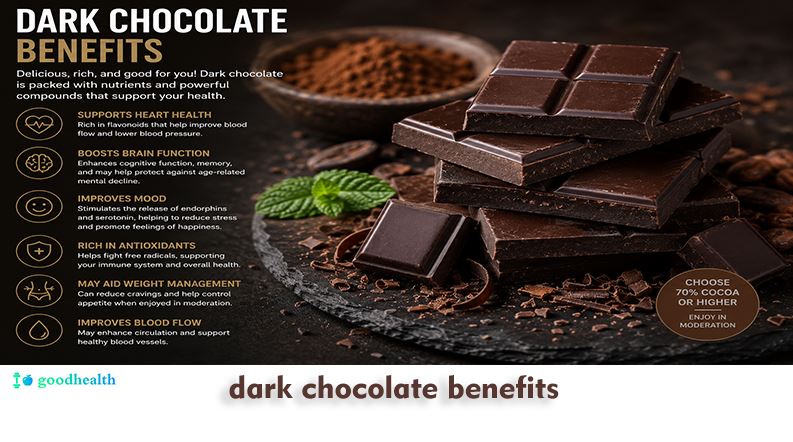
The scientific exploration of cacao has effectively transformed our understanding of this ancient botanical, elevating it from a simple confection to a highly functional dietary tool. The vast array of dark chocolate antioxidants, particularly the bioavailable flavanols, provides a robust defense mechanism against the relentless progression of cellular oxidative stress. By actively neutralizing free radicals, reducing systemic inflammation, and stimulating vital nitric oxide production, these natural compounds offer comprehensive protection for the cardiovascular system, the neural networks of the brain, and the structural integrity of the skin.
Incorporating this potent superfood into a daily routine represents a proactive approach to cellular longevity and disease prevention. The key to unlocking these benefits lies entirely in mindful selection and measured consumption, prioritizing high-percentage, unalkalized cacao over highly processed commercial alternatives. By making informed choices regarding origin, processing methods, and ingredient purity, individuals can effectively harness the medicinal legacy of the cacao bean, utilizing its complex biochemistry to support vibrant, long-term physiological health.
How dark does chocolate need to be for antioxidant benefits?
You should aim for dark chocolate that contains at least 70% cocoa to ensure you get a rich, effective dose of beneficial flavonoids.
Does dark chocolate have more antioxidants than superfruits like blueberries?
Surprisingly, yes, raw and minimally processed cocoa beans actually possess a higher overall antioxidant capacity than both green tea and blueberries.
What do the antioxidants in dark chocolate actually do for your body?
They neutralize harmful free radicals in your system, helping to reduce inflammation, protect your cells from damage, and support overall cardiovascular health.
Does milk chocolate have the same antioxidants as dark chocolate?
Milk chocolate contains significantly fewer antioxidants because it is heavily diluted with milk and sugar, which can also interfere with your body’s ability to absorb the nutrients.
How much dark chocolate should I eat daily to get the health benefits?
Enjoying just one to two small squares, or roughly one ounce per day, provides plenty of antioxidants without adding too many extra calories to your diet.
Please note
The content provided in this article is for educational and informational purposes only and should not be construed as medical, nutritional, or therapeutic advice. The recommendations provided may not be appropriate for everyone. The final decision regarding your health and lifestyle is yours, and we recommend that you consult with your doctor or other health professional before making any changes or taking any action.
Shop new arrivals
-
Emotional Advantage
Original price was: €12.90.€8.90Current price is: €8.90. -
Healthy Life Blueprint
Original price was: €24.90.€15.90Current price is: €15.90. -
How to break negative habits
Original price was: €12.90.€6.90Current price is: €6.90. -
How to have continuity
Original price was: €15.90.€8.90Current price is: €8.90. -
Living with Purpose
Original price was: €14.90.€9.90Current price is: €9.90.