protein rich foods

Protein is fundamentally the building block of human life, playing an indispensable role in maintaining physical health, supporting metabolic functions, and driving cellular repair. Every tissue in the human body relies heavily on a consistent supply of amino acids to function optimally. Incorporating a variety of protein rich foods into a daily nutritional plan is not merely a strategy for athletes or bodybuilders; it is a vital practice for anyone seeking sustained energy levels, better immune function, and long-term vitality. Understanding how to source and consume high-quality proteins can transform an average diet into a highly efficient fuel source for the human body. As nutritional science advances, the focus has rightfully shifted from simply counting calories to prioritizing the macronutrient composition of those calories, with protein standing out as the most critical component for maintaining lean muscle mass and metabolic health.
The Role of Protein in Optimal Health and Wellness
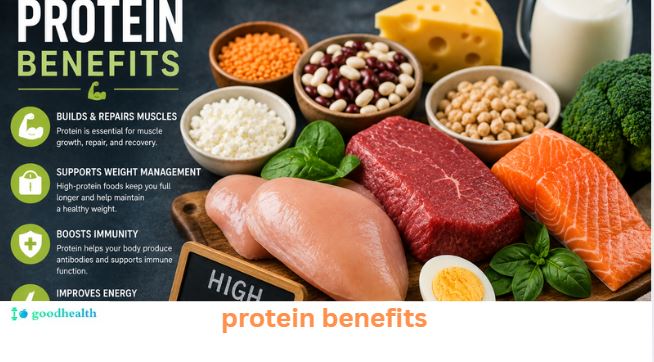
Protein is essential for the continuous repair and regeneration of tissues throughout the body. Whenever the body undergoes physical stress, whether through structured exercise, manual labor, or simply the daily wear and tear of life, muscle fibers experience microscopic tears. Amino acids derived from dietary protein are responsible for synthesizing new tissue and repairing these micro-tears, leading to stronger and more resilient muscles. Beyond muscular health, protein is a primary component of bones, skin, cartilage, and blood. It acts as the structural framework that keeps the physical body intact and functioning smoothly over the decades.
In addition to its structural responsibilities, protein is deeply involved in regulating essential physiological processes through the production of enzymes and hormones. Enzymes function as biochemical catalysts, accelerating chemical reactions that are necessary for digestion, energy production, and blood clotting. Hormones, many of which are composed of amino acid chains, act as chemical messengers that coordinate complex activities across different organ systems. For instance, insulin is a protein-based hormone that dictates how the body manages blood glucose levels. Without an adequate intake of protein rich foods, the body cannot efficiently produce these critical compounds, leading to systemic imbalances and a decrease in overall metabolic efficiency.
Another significant benefit of prioritizing protein is its profound impact on satiety and weight management. Out of the three primary macronutrients—carbohydrates, fats, and protein—protein is the most satiating. It actively reduces the levels of ghrelin, the hunger hormone, while simultaneously boosting the production of peptide YY, a hormone that signals fullness to the brain. By integrating substantial amounts of protein into meals, individuals naturally experience a reduction in appetite and caloric intake without feeling deprived. Furthermore, the body burns more calories digesting protein compared to fats or carbohydrates, a phenomenon known as the thermic effect of food. This slight metabolic advantage makes high-protein diets highly effective for individuals looking to optimize their body composition.
Top Animal-Based Protein Rich Foods
Lean Meats and Poultry
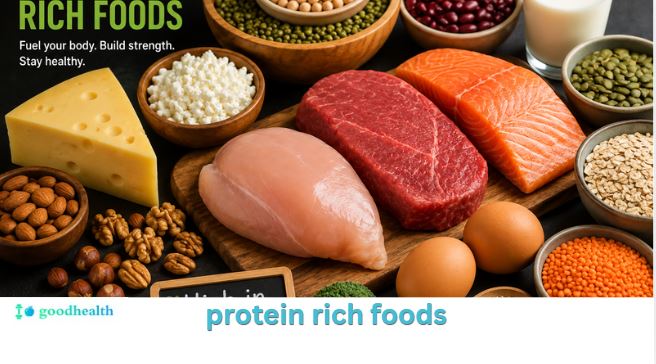
When considering the most concentrated sources of protein, lean meats and poultry frequently top the list due to their exceptional biological value. Chicken breast has long been celebrated as a dietary staple because it offers a massive dose of protein with minimal fat and carbohydrate content. A standard serving provides all the essential amino acids required by the human body in a highly bioavailable format, meaning the digestive system can easily extract and utilize the nutrients. Turkey breast functions similarly, offering a slightly different flavor profile while maintaining an incredibly favorable protein-to-calorie ratio. These poultry options are highly versatile, allowing them to be baked, grilled, or roasted and integrated into a vast array of global cuisines.
Lean cuts of beef and pork also serve as outstanding protein rich foods, bringing the added benefit of essential micronutrients like iron, zinc, and vitamin B12. While red meat often faces scrutiny regarding its fat content, choosing leaner cuts such as sirloin, tenderloin, or extra-lean ground beef ensures a robust intake of protein without excessive saturated fat. The iron found in red meat is heme iron, which is absorbed far more efficiently by the body than the non-heme iron found in plant sources. This makes moderate consumption of lean beef particularly beneficial for individuals prone to anemia or those engaged in rigorous physical training that demands rapid oxygen transport to muscle tissues.
Seafood and Fish
The aquatic world provides some of the most nutrient-dense and protein-packed food sources on the planet. Salmon, for example, is not only an excellent source of high-quality protein but also delivers a substantial amount of omega-3 fatty acids. These healthy fats are crucial for cardiovascular health, cognitive function, and reducing systemic inflammation. Tuna, whether fresh or canned, is another incredibly efficient protein source that provides maximum macronutrient value with very few calories. For individuals looking to increase their protein intake while maintaining a caloric deficit, incorporating fish like cod, tilapia, and halibut can be an excellent strategy due to their exceptionally lean profiles.
Shellfish, including shrimp, scallops, and oysters, should not be overlooked when building a protein-forward diet. Shrimp, in particular, is composed almost entirely of protein and water, making it one of the lowest-calorie protein sources available. Beyond their macronutrient composition, shellfish are uniquely rich in rare trace minerals such as selenium and iodine, which are essential for maintaining a healthy thyroid and a robust immune system. Incorporating a variety of fish and seafood into weekly meal planning ensures a diverse intake of both amino acids and critical maritime micronutrients.
Dairy and Eggs
Dairy products have long been utilized as convenient and accessible sources of high-quality protein. Greek yogurt stands out significantly from traditional yogurt due to the straining process that removes excess whey, resulting in a much thicker product with nearly double the protein content. It is exceptionally rich in casein, a slow-digesting dairy protein that provides a steady release of amino acids into the bloodstream over several hours. Cottage cheese is another phenomenal dairy option favored by health enthusiasts for its similar slow-digesting properties and high protein yield per serving, making it an ideal choice for evening nutrition or sustained energy throughout the day.
Eggs are frequently referred to as nature’s multivitamin and are widely considered the gold standard for protein quality. They contain a perfect balance of all nine essential amino acids in the exact ratios required by the human body. While the egg white houses the majority of the protein, the yolk contains vital nutrients including choline, vitamin D, and healthy fats. Whole eggs provide a highly satiating, complete nutritional package that supports brain health and cellular repair. Because they are cost-effective and easy to prepare, eggs remain one of the most reliable and efficient protein rich foods available globally.
Highly Effective Plant-Based Protein Sources
Legumes, Beans, and Lentils
For those pursuing vegetarian, vegan, or flexitarian lifestyles, the plant kingdom offers a massive variety of protein rich foods that simultaneously deliver complex carbohydrates and dietary fiber. Lentils are nutritional powerhouses, cooking quickly and absorbing flavors beautifully while providing a highly concentrated dose of plant protein. They are exceptionally beneficial for cardiovascular health due to their high fiber content, which aids in regulating cholesterol levels and stabilizing blood sugar. Chickpeas, also known as garbanzo beans, share a similar nutritional profile and offer immense culinary versatility, serving as the foundation for dishes ranging from hummus to roasted snacks.
Black beans, kidney beans, and pinto beans are foundational dietary staples in many cultures precisely because they are dense in protein and incredibly satiating. When combined with whole grains like brown rice or corn, these beans form a complete protein profile, providing all the essential amino acids necessary for tissue repair. Furthermore, the high fiber content in beans feeds beneficial gut bacteria, promoting a healthy microbiome. This gut-friendly aspect of legumes makes them a superior carbohydrate and protein hybrid that supports long-term digestive wellness alongside muscular maintenance.
Nuts, Seeds, and Quinoa
Nuts and seeds are highly concentrated sources of nutrients, offering a potent combination of plant-based protein, healthy fats, and antioxidants. Almonds, walnuts, and pistachios provide a substantial amount of protein per handful, making them perfect for on-the-go snacking or as crunchy additions to salads and oatmeal. Seeds, particularly hemp, chia, and flaxseeds, punch far above their weight class regarding nutritional density. Hemp seeds are unique among plant foods because they contain a complete amino acid profile, alongside an optimal balance of omega-3 and omega-6 fatty acids, making them an incredible addition to smoothies or baked goods.
Quinoa is frequently classified alongside grains, but it is actually a pseudocereal that stands out for its remarkable protein content. Unlike most plant foods, quinoa is a complete protein, meaning it independently supplies all nine essential amino acids without the need for complementary food pairings. It is also rich in magnesium, iron, and manganese. Because it is naturally gluten-free and boasts a fluffy, satisfying texture, quinoa serves as a vastly superior nutritional alternative to traditional white rice or pasta for those looking to elevate the protein content of their primary meals.
Soy Products and Alternatives
Soybeans are among the most heavily researched and widely consumed plant proteins in the world, largely due to their complete amino acid profile and high digestibility. Tofu, made from curdled soy milk, acts as a culinary sponge, absorbing the flavors of whatever marinades or spices it is cooked with. It is available in various firmness levels, making it adaptable for everything from smoothies to stir-fries. Tempeh, a fermented soybean product, offers an even higher protein concentration than tofu, along with the added benefit of gut-friendly probiotics generated during the fermentation process.
Edamame, which are young, immature soybeans, serve as a fantastic high-protein snack that requires minimal preparation. Beyond whole soy foods, there are excellent modern alternatives like seitan, which is made from hydrated gluten, the main protein found in wheat. Seitan possesses a dense, meat-like texture and boasts an incredibly high protein content per ounce, making it a favorite for plant-based meat substitutes. Nutritional yeast, another remarkable alternative, offers a savory, cheese-like flavor and is heavily fortified with B-vitamins, providing a highly concentrated sprinkle of complete protein to top off savory dishes.
Strategic Ways to Incorporate More Protein into Daily Meals
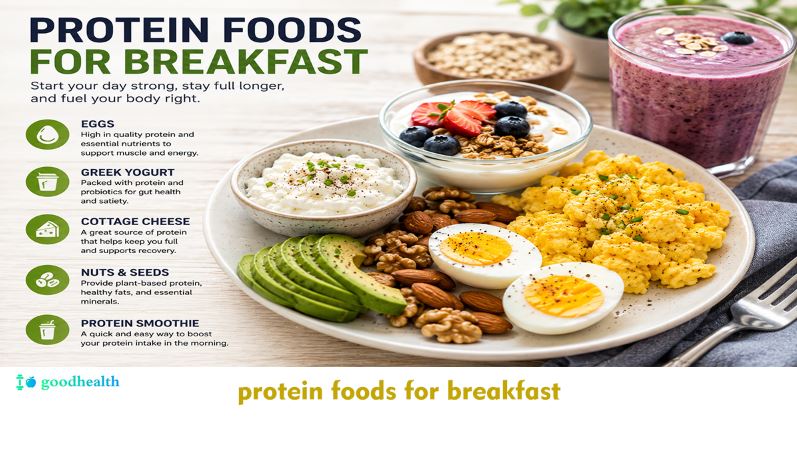
Optimizing daily nutrition requires moving beyond simply knowing which foods are healthy and stepping into practical application. Breakfast is often the meal where individuals fall shortest on protein, typically defaulting to carbohydrate-heavy options like cereals or pastries. By shifting the focus to protein rich foods early in the day, such as a vegetable-packed omelet, a smoothie fortified with a high-quality protein powder, or a dense bowl of Greek yogurt mixed with hemp seeds, one can set a metabolic tone that stabilizes blood sugar and prevents mid-morning energy crashes. A high-protein breakfast significantly curbs the desire to snack on sugary items later in the afternoon.
Smart snacking is another crucial strategy for maintaining a steady influx of amino acids. Instead of reaching for chips or candy, choosing snacks engineered for satiety makes a substantial difference in overall daily macro intake. Keeping hard-boiled eggs, roasted chickpeas, almonds, or high-quality beef jerky on hand ensures that when hunger strikes, the body is fueled with structural nutrients rather than empty calories. Snacking on cottage cheese or edamame can also bridge the gap between main meals, keeping the digestive system actively processing protein and maximizing the thermic effect of food throughout the day.
Mastering meal preparation is perhaps the most effective way to guarantee consistent protein intake. By batch-cooking large portions of lean meats, baking trays of tofu, or preparing large pots of lentils at the beginning of the week, one removes the friction of daily cooking. When building a plate, the protein source should be the focal point, occupying a dedicated quarter to a third of the plate’s visual space. Balancing this central protein source with fibrous vegetables and complex carbohydrates creates a nutritionally complete meal that supports physical recovery, sustained mental focus, and optimal metabolic function.
Understanding Protein Quality and Amino Acid Profiles
Not all proteins are created equal, and understanding the concept of protein quality is essential for structuring a highly effective diet. Protein quality is largely determined by its amino acid profile and its biological availability. There are twenty different amino acids that form human proteins, nine of which are considered essential because the body cannot synthesize them internally. Animal-based proteins, including meat, dairy, and eggs, are classified as complete proteins because they contain all nine essential amino acids in ample quantities. This makes them highly efficient for the body to utilize for immediate cellular repair and muscle synthesis.
Plant-based proteins, with a few notable exceptions like soy and quinoa, are typically classified as incomplete proteins because they often lack or contain very low levels of one or more essential amino acids. For example, legumes are typically low in methionine, while grains are often low in lysine. However, this does not mean plant proteins are inferior; it simply means they require a bit more strategic planning. By eating a diverse array of plant foods throughout the day, such as pairing beans with rice or peanut butter with whole wheat bread, the body pools the various amino acids together to create complete proteins internally.
Digestibility and bioavailability also play major roles in how effectively the body can use the protein consumed. The Protein Digestibility-Corrected Amino Acid Score (PDCAAS) and the newer Digestible Indispensable Amino Acid Score (DIAAS) are metrics used to evaluate protein quality. Animal proteins generally score higher on these scales because plant cell walls contain complex fibers and anti-nutrients like phytic acid that can slightly inhibit the absorption of some amino acids. Cooking, soaking, and fermenting plant foods significantly reduces these anti-nutrients, thereby unlocking the full nutritional potential and maximizing the bioavailability of the dietary protein.
Navigating Common Misconceptions About High Protein Diets
Despite the overwhelming clinical evidence supporting the benefits of a higher protein intake, several persistent myths continue to circulate within mainstream dietary discussions. One of the most prevalent misconceptions is that consuming high amounts of protein causes kidney damage. While it is true that individuals with pre-existing chronic kidney disease must manage their protein intake under medical supervision, extensive research shows that a high-protein diet poses absolutely no danger to the kidney function of healthy individuals. The human renal system is highly adaptive and perfectly capable of filtering the byproducts of protein metabolism without sustaining damage or excessive stress.
Another common myth suggests that high protein consumption, particularly from animal sources, leaches calcium from the bones and leads to osteoporosis. This idea originated from early studies observing an increase in calcium excretion in urine following high protein meals. However, modern clinical consensus has proven the exact opposite to be true. Dietary protein actually increases calcium absorption in the intestines and is a vital structural component of bone mass. Higher protein intakes are consistently associated with greater bone mineral density and a significantly reduced risk of fractures, especially in aging populations.
There is also a continuous, often polarized debate regarding the superiority of plant versus animal protein. The reality is that both sources offer unique and highly valuable benefits that contribute to human health. Animal proteins offer unmatched density and efficiency for muscle building, while plant proteins deliver essential dietary fiber and phytonutrients that protect against chronic diseases. Viewing these sources as mutually exclusive is a flawed approach. A balanced, omnivorous approach that incorporates high-quality animal products alongside an abundance of diverse plant-based proteins yields the most comprehensive nutritional profile, ensuring the body receives both the structural amino acids and the protective micronutrients it requires to thrive.
The consistent incorporation of protein rich foods is not a temporary dietary trend but a fundamental requirement for human health, longevity, and physical resilience. By understanding the diverse array of available protein sources—from lean meats and marine life to nutrient-dense legumes and seeds—individuals can construct a highly effective nutritional strategy tailored to their specific lifestyle. Focusing on protein quality, optimizing daily intake through strategic meal planning, and dismissing outdated nutritional myths empowers the individual to build a stronger, more energetic, and highly capable body designed for long-term well-being.
What are the best cheap sources of protein?
Eggs, canned tuna, Greek yogurt, lentils, and black beans are excellent budget-friendly options packed with high-quality protein.
Which vegetables have the highest amount of protein?
Edamame, green peas, spinach, broccoli, and asparagus are some of the most protein-dense vegetables you can add to your meals.
How can I get enough protein without eating meat?
You can easily hit your daily protein goals on a plant-based diet by relying on tofu, tempeh, lentils, quinoa, and beans.
What is the healthiest high-protein food to eat every day?
While lean chicken and turkey are staples, wild-caught salmon and legumes are incredibly healthy, nutrient-dense choices you can enjoy daily.
Are eggs or chicken breast better for building muscle?
Both are fantastic for muscle growth, but chicken breast offers more total protein per serving while eggs provide essential healthy fats.
please note
The content provided in this article is for educational and informational purposes only and should not be construed as medical, nutritional, psychological, or therapeutic advice. The advice provided may not be appropriate for everyone. The final decision regarding your health and lifestyle is yours, and we recommend that you consult with your doctor, counselor, or other health professional before making any changes or taking any action.