
protein foods for breakfast

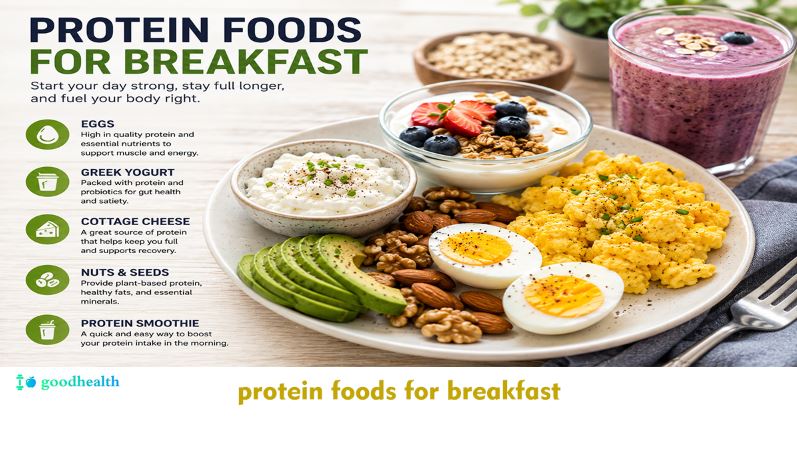
Starting your day with a carbohydrate-heavy meal often leads to a mid-morning energy crash, leaving you reaching for another cup of coffee or a quick sugary snack to stay awake. Shifting your focus toward protein foods for breakfast fundamentally changes this dynamic, transforming your morning routine into a solid foundation for sustained energy and sharp mental focus. Integrating high-quality protein into your first meal of the day is not merely a strategy reserved for competitive athletes or bodybuilders; it is a vital component of building a healthy life that supports cognitive function, stabilizes blood sugar, and helps control appetite throughout the entire day. By prioritizing morning nutrition, you establish a physiological baseline that positively influences your dietary choices, emotional resilience, and physical energy levels well into the evening.
The Physiological Impact of Morning Protein Consumption
Understanding how your body processes different macronutrients in the morning highlights exactly why protein is so crucial for early-day nutrition. When you wake up, your body is in a fasted state, and your liver has depleted a significant portion of its glycogen stores to keep your system running overnight. If you break this fast with a meal high in refined sugars and simple carbohydrates, you trigger a rapid spike in insulin, which is inevitably followed by a sharp drop in blood glucose. Consuming adequate protein foods for breakfast prevents this glycemic rollercoaster by slowing down the digestion process and ensuring a steady, manageable release of nutrients into your bloodstream.
Beyond blood sugar stabilization, a high-protein breakfast plays a dominant role in regulating the hormones responsible for hunger and satiety. Protein is highly satiating because it suppresses the release of ghrelin, often referred to as the hunger hormone, while simultaneously stimulating the production of peptide YY and cholecystokinin, which are hormones that signal fullness to your brain. This intricate hormonal dance means that eating a protein-dense morning meal physically prevents the gnawing hunger that typically drives people toward unhealthy mid-morning snacking.
Furthermore, breaking negative habits associated with poor dietary choices becomes significantly easier when your body is properly nourished from the moment you wake up. Cravings for processed foods are often biological cries for rapid energy caused by nutritional imbalances. By supplying your body with the amino acids it needs right away, you effectively silence these biological triggers. Additionally, the thermic effect of food—the energy your body expends to digest, absorb, and process nutrients—is significantly higher for protein than it is for fats or carbohydrates. This means that a morning meal rich in protein actually increases your metabolic rate for hours after consumption, supporting better overall metabolic health.
Premier Animal-Based Protein Foods for Breakfast
Animal-based proteins are generally considered complete proteins, meaning they contain all nine essential amino acids that the human body cannot synthesize on its own. Incorporating these highly bioavailable sources into your morning routine ensures that your muscles, neurotransmitters, and cellular structures have the immediate building blocks they require to function optimally throughout the day.
Eggs and Egg Whites
Eggs remain one of the most versatile and nutritionally complete protein foods for breakfast available today. A single large egg provides approximately six grams of highly digestible protein, along with an impressive array of micronutrients including choline, which is critical for brain health and memory function. While the egg white contains the bulk of the protein, the yolk houses the essential fatty acids and fat-soluble vitamins, making whole eggs a nutritional powerhouse for morning energy.
For individuals carefully monitoring their fat intake or attempting to hit a much higher protein target without excess calories, blending whole eggs with liquid egg whites offers an exceptional culinary compromise. This method allows you to significantly boost the protein volume of an omelet or scramble while maintaining the rich flavor and nutritional benefits of the yolks. Preparing a voluminous egg dish alongside nutrient-dense vegetables like spinach, bell peppers, and mushrooms creates a deeply satisfying meal that will keep you full for hours.
Dairy Powerhouses: Greek Yogurt and Cottage Cheese
Dairy products, specifically those that have been strained or cultured, stand out as phenomenal protein foods for breakfast due to their convenience and macronutrient density. Authentic Greek yogurt undergoes a straining process that removes much of the liquid whey and lactose, resulting in a thick, creamy product that boasts nearly double the protein content of traditional yogurt. A standard cup of Greek yogurt can deliver upward of twenty grams of high-quality protein, primarily in the form of slow-digesting casein, which provides a steady stream of amino acids to your muscles over a prolonged period.
Cottage cheese has experienced a massive resurgence in popularity, and rightfully so, as it is one of the most efficient ways to consume protein in the morning. With a similar protein profile to Greek yogurt, cottage cheese is incredibly versatile and bridges the gap between sweet and savory breakfasts flawlessly. It can be topped with fresh berries, chia seeds, and cinnamon for a sweet start, or mixed with cracked black pepper, cherry tomatoes, and a drizzle of olive oil for a savory morning bowl.
Lean Meats and Sustainably Sourced Fish
While breakfast meats are traditionally associated with highly processed, sodium-laden options like conventional bacon or sausage, choosing leaner, higher-quality meats provides a phenomenal morning protein boost. Slices of roasted turkey breast, leftover grilled chicken from the previous night’s dinner, or high-quality lean chicken sausage offer substantial protein without the heavy saturated fat load that can cause morning lethargy. Repurposing dinner leftovers into a morning hash is an efficient, time-saving strategy for busy professionals who refuse to compromise on their nutritional standards.
Cold-smoked salmon and other fatty fish are also spectacular protein foods for breakfast, offering the dual benefit of high-quality protein and brain-boosting omega-3 fatty acids. A few slices of smoked salmon paired with capers and a modest smear of cream cheese on a high-fiber grain product provides a luxurious, nutrient-dense start to the day. The healthy fats found in salmon work synergistically with the protein content to slow gastric emptying, ensuring that your mental clarity and physical energy remain incredibly stable until your next meal.
Outstanding Plant-Based Protein Foods for Breakfast
For those who follow a vegetarian, vegan, or flexitarian lifestyle, securing adequate morning protein requires slightly more strategic planning, but the options are abundant and incredibly nutritious. Plant-based proteins often come packaged with high amounts of dietary fiber, complex carbohydrates, and unique phytonutrients, making them exceptionally valuable for digestion and long-term cardiovascular health.
Tofu and Fermented Tempeh
Extra-firm tofu is a brilliant culinary chameleon that serves as the perfect substitute for eggs in plant-based morning meals. When crumbled and sautéed with turmeric, nutritional yeast, black salt, and a dash of garlic powder, tofu mimics both the texture and the flavor profile of traditional scrambled eggs perfectly. A well-prepared tofu scramble can easily provide twenty to twenty-five grams of complete plant protein, especially when paired with a side of black beans or a slice of sprouted grain toast.
Tempeh, a fermented soybean cake, offers a denser, nuttier alternative to tofu and provides immense benefits for gut health due to the fermentation process. Slicing tempeh thinly, marinating it in liquid aminos and smoked paprika, and pan-frying it creates a savory, high-protein alternative to traditional breakfast strips. Because tempeh is less processed than many commercial meat alternatives, it retains its natural fiber content, providing a slow, sustained release of morning energy that perfectly complements an active lifestyle.
Legumes and Fiber-Rich Beans
While beans might seem like an unconventional choice for early morning consumption in some Western diets, they are a staple breakfast ingredient in numerous cultures around the world for very good reason. Black beans, pinto beans, and chickpeas provide an exceptional ratio of plant-based protein to dietary fiber. This specific macronutrient combination makes legumes one of the most effective protein foods for breakfast for maintaining stable blood sugar levels and promoting long-lasting satiety.
Incorporating beans into your morning routine can be as simple as adding a generous scoop of warmed black beans to a breakfast wrap, or mashing chickpeas with avocado and lemon juice to spread over whole-grain toast. The soluble fiber found in these legumes forms a gel-like substance in the digestive tract, which slows down the absorption of carbohydrates and ensures that you do not experience a mid-morning energy crash.
Nuts, Seeds, and Protein-Dense Whole Grains
Nuts and seeds are nutritional concentrates, packed with heart-healthy fats, essential minerals, and respectable amounts of plant-based protein. Hemp hearts, chia seeds, and pumpkin seeds are particularly notable for their protein density and can be seamlessly integrated into almost any morning meal. Sprinkling three tablespoons of hemp hearts over a bowl of oatmeal or blending them into a morning smoothie instantly adds ten grams of complete, highly bioavailable plant protein without altering the flavor profile of your meal.
Whole grains like quinoa and amaranth inherently contain higher protein levels than refined grains like wheat or white rice. Cooking quinoa as a hot morning porridge—simmered in soy milk or almond milk and spiced with cinnamon and nutmeg—creates a comforting, warming breakfast that delivers a substantial protein payload. When you combine these protein-dense grains with an assortment of seeds and a dollop of nut butter, you create a comprehensive plant-based meal that rivals any animal-based dish in terms of overall nutritional density and staying power.
Formulating the Perfect Morning Meal
Knowing which protein foods for breakfast to choose is only half the battle; the other half lies in understanding how to combine them with other macronutrients to create a nutritionally complete meal. A solitary source of protein, while beneficial, operates best when supported by high-quality dietary fats and complex, fiber-rich carbohydrates. This trifecta of macronutrients works in harmony to optimize digestion, maximize nutrient absorption, and provide a multidimensional energy source that fuels both physical activity and intensive cognitive tasks.
When designing your morning plate, a highly effective guideline is to target between twenty-five and thirty-five grams of high-quality protein. Reaching this specific threshold is critical because it contains enough of the amino acid leucine to effectively trigger muscle protein synthesis, the biological process responsible for repairing and building muscle tissue. Whether you are actively training in a gym or simply trying to maintain lean body mass as you age, hitting this protein threshold at breakfast sets a positive metabolic tone for the rest of your day.
Practical preparation is the key to maintaining this nutritional standard, especially during chaotic weekday mornings where time is a severely limited resource. Relying on willpower alone to cook a complex meal when you are rushing out the door is a recipe for falling back into the negative habit of grabbing a convenient, sugar-laden pastry. Implementing batch-cooking strategies—such as preparing a large crustless quiche on a Sunday afternoon, pre-portioning containers of high-protein overnight oats, or boiling a dozen eggs for the week—ensures that nutrient-dense options are always immediately accessible.
Overcoming the deeply ingrained cultural conditioning that breakfast must be overwhelmingly sweet is another vital step in optimizing your morning nutrition. Many traditional breakfast items, from cereals and syrups to muffins and juice, are essentially desserts disguised as morning meals. By consciously shifting your palate toward savory options—like a vegetable and turkey sausage scramble, or cottage cheese heavily seasoned with herbs and cracked pepper—you dramatically reduce your daily sugar intake while simultaneously elevating your protein consumption.
Strategic Advantages of Consistent Morning Protein
Consistently integrating protein foods for breakfast creates a profound ripple effect that extends far beyond the morning hours, influencing your dietary behavior throughout the entire day. When you start your day nourished and satiated, you naturally experience fewer intrusive cravings for highly palatable, processed foods in the late afternoon and evening. This phenomenon occurs because your blood sugar remains stable, preventing the aggressive physiological demands for quick energy that typically derail healthy eating intentions.
Furthermore, this nutritional strategy acts as a keystone habit—a foundational behavior that naturally encourages the development of other positive routines. When you invest time and intention into fueling your body correctly first thing in the morning, you are psychologically more likely to make healthier choices at lunch, stay adequately hydrated, and follow through with your daily exercise plans. The momentum generated by a single, high-protein meal creates a compounding effect that significantly enhances your overall vitality.
Ultimately, reshaping your first meal of the day is one of the most impactful, high-leverage changes you can make for your physical and mental well-being. By moving away from hyper-processed morning conveniences and embracing a diet rich in high-quality proteins, healthy fats, and robust fibers, you equip your body with the premium fuel it requires to perform at its highest potential. This intentional approach to morning nutrition transforms breakfast from a mere afterthought into a powerful, strategic tool for lifelong health and sustained daily performance.
What are the best high-protein breakfast options besides eggs?
Greek yogurt, cottage cheese, protein powder smoothies, chia pudding, and tofu scrambles are all excellent egg-free ways to get plenty of morning protein.
Can eating a high-protein breakfast help with weight loss?
Yes, a high-protein breakfast reduces hunger hormones and boosts satiety, making it easier to manage overall calorie intake and curb cravings throughout the day.
What are the best plant-based or vegan high-protein breakfast foods?
Tofu, tempeh, oatmeal topped with hemp seeds and nut butter, soy milk, and protein-enriched plant yogurts are great vegan options.
Is it better to get breakfast protein from whole foods or protein shakes?
Whole foods are ideal because they provide extra fiber and micronutrients, though protein shakes serve as a quick and convenient alternative on busy mornings.
please note
The content provided in this article is for educational and informational purposes only and should not be construed as medical, nutritional, psychological, or therapeutic advice. The advice provided may not be appropriate for everyone. The final decision regarding your health and lifestyle is yours, and we recommend that you consult with your doctor, counselor, or other health professional before making any changes or taking any action.
Shop new arrivals
-

Emotional Advantage
€0.00 -

Healthy Life Blueprint
€0.00 -

How to break negative habits
€0.00 -
How to have continuity
Original price was: €4.90.€0.00Current price is: €0.00. -
Living with Purpose
Original price was: €8.90.€0.00Current price is: €0.00.