protein benefits

Protein serves as the foundational building block of human biology, playing a non-negotiable role in virtually every physiological process required for optimal health and longevity. As one of the three primary macronutrients—alongside carbohydrates and dietary fats—protein provides the structural material for cells, tissues, organs, and chemical messengers. While historical nutritional science primarily viewed protein through the lens of preventing deficiency, modern clinical research underscores its vital role in optimizing metabolic health, athletic performance, body composition, and healthy aging. Understanding how protein functions within the human body allows individuals to make informed nutritional decisions that support long-term vitality, functional strength, and cellular recovery.
At its core, dietary protein is composed of smaller organic compounds known as amino acids, which are linked together by peptide bonds. When protein-rich foods are digested, the gastrointestinal system breaks these complex structures down into individual amino acids and short peptides, which enter the bloodstream to join the body’s circulating amino acid pool. This dynamic pool is constantly drawn upon to repair damaged tissues, synthesize vital enzymes, maintain immune function, and support hormone production. Because the body does not possess a specialized storage organ for protein in the way it stores excess energy as adipose tissue or glycogen, consistent dietary intake is essential for maintaining positive nitrogen balance and preventing cellular breakdown.
The Fundamental Science of Protein and Amino Acids
To appreciate the expansive benefits of protein, one must first examine the chemical architecture of its constituent amino acids. Human biology relies on twenty standard amino acids to construct the thousands of distinct proteins required for survival. Nine of these twenty are classified as essential amino acids, meaning the human body lacks the enzymatic machinery to synthesize them internally. Consequently, these nine compounds—histidine, isoleucine, leucine, lysine, methionine, phenylalanine, threonine, tryptophan, and valine—must be obtained directly through dietary sources on a regular basis. The remaining eleven amino acids are considered non-essential or conditionally essential, as the body can typically synthesize them unless subjected to severe physiological stress, illness, or extreme physical exertion.
The quality of a dietary protein source is largely determined by its amino acid profile and its digestability within the human gastrointestinal tract. Complete proteins contain all nine essential amino acids in proportions that closely match human physiological requirements, whereas incomplete proteins lack sufficient quantities of one or more essential amino acids. Nutritional science evaluates these sources using sophisticated scoring systems, such as the Protein Digestibility-Corrected Amino Acid Score (PDCAAS) and the Digestible Indispensable Amino Acid Score (DIAAS). These metrics account not only for the specific amino acid concentration of a food item but also for how efficiently those nutrients are absorbed across the intestinal lumen into systemic circulation.
Digestion begins in the stomach, where hydrochloric acid denatures complex protein structures, unfolding their tightly coiled chains to expose internal peptide bonds. This acidic environment activates pepsinogen into pepsin, a powerful enzyme that cleaves long polypeptide chains into smaller peptide fragments. As these fragments pass into the small intestine, pancreatic enzymes including trypsin, chymotrypsin, and carboxypeptidases further break them down into tripeptides, dipeptides, and free amino acids. Enterocytes lining the intestinal wall absorb these single units through active transport mechanisms, routing them through the portal vein directly to the liver for redistribution throughout the systemic circulation.
Muscle Protein Synthesis and Lean Mass Maintenance
One of the most widely recognized benefits of protein centers on its indispensable role in building, repairing, and maintaining lean muscle tissue. Skeletal muscle undergoes a continuous state of turnover, characterized by simultaneous muscle protein synthesis and muscle protein breakdown. When dietary protein is consumed, essential amino acids—particularly the branched-chain amino acid leucine—trigger intracellular signaling pathways, most notably the mechanistic target of rapamycin (mTOR) pathway. The activation of mTOR initiates the translation of new structural proteins within muscle fibers, shifting the physiological balance toward net positive protein synthesis.
Physical exercise, particularly resistance training, creates microscopic disruptions within skeletal muscle fibers while simultaneously increasing the tissue’s sensitivity to amino acid uptake. When high-quality protein is consumed following strenuous physical activity, the systemic availability of amino acids accelerates the repair of these micro-tears, leading to muscle hyper-repair and adaptive growth over time. Without adequate protein intake, muscle protein breakdown can exceed synthesis, resulting in delayed recovery, increased muscle soreness, and a potential loss of functional strength, regardless of training intensity.
Beyond physical athletic performance, maintaining lean muscle mass is a critical determinant of overall metabolic rate and long-term functional health. Skeletal muscle is a highly metabolically active tissue that exerts a profound influence on basal energy expenditure, insulin sensitivity, and glucose regulation. As individuals age, they naturally experience a progressive loss of muscle mass and muscle strength, a physiological condition known as sarcopenia. Consuming adequate protein throughout life, combined with regular resistance exercise, serves as a primary non-pharmacological defense against sarcopenia, helping older adults preserve mobility, balance, metabolic stability, and physical independence well into their later decades.
Optimizing Protein Timing and Distribution
While total daily protein volume remains the foundational metric for muscle preservation and growth, the distribution of intake across individual meals significantly influences the efficiency of muscle protein synthesis. Research demonstrates that the body’s synthetic response to a single bolus of protein reaches a maximum threshold, often referred to as the muscle protein synthetic ceiling. For most healthy adults, consuming roughly 20 to 40 grams of high-quality protein per meal provides an optimal dose of leucine necessary to fully stimulate the mTOR pathway.
Spreading protein intake evenly across three to four meals throughout the day yields more consistent, sustained periods of positive net protein balance compared to consuming the majority of daily protein in a single evening meal. Additionally, ingesting a slow-digesting protein source, such as casein, shortly before extended periods of fasting like sleep can help sustain elevated plasma amino acid levels through the night, minimizing nocturnal muscle protein breakdown and optimizing overnight muscular repair.
Weight Management, Satiety, and Metabolic Rate
Protein plays a powerful role in body composition management, rendering it a cornerstone macro-nutrient for structured weight loss and maintenance protocols. The primary mechanism driving protein’s weight management efficacy is its profound effect on appetite regulation and satiety. Relative to dietary carbohydrates and fats, protein exerts the strongest influence on the gut-brain axis, triggering the release of satiety-inducing peptide hormones while dampening signals that provoke hunger.
Upon ingestion, dietary protein stimulates the enteroendocrine cells of the gastrointestinal tract to secrete peptide YY, cholecystokinin, and glucagon-like peptide-1. These circulating signals communicate directly with the hypothalamus in the brain to signal fullness, slow gastric emptying, and suppress appetite. Concurrently, high-protein intake suppresses the systemic secretion of ghrelin, often termed the hunger hormone. By altering these neuroendocrine feedback loops, adequate protein consumption reduces spontaneous caloric intake, minimizes intense food cravings, and makes adherence to a calorie-restricted diet significantly easier.
Another critical weight management benefit associated with protein is its elevated Thermic Effect of Food (TEF). TEF represents the metabolic energy required by the body to digest, absorb, transport, and metabolize incoming nutrients. Dietary protein possesses a metabolic cost far exceeding that of other macronutrients: approximately 20 to 30 percent of the total caloric content of consumed protein is expended purely during its digestive processing, compared to only 5 to 10 percent for carbohydrates and 0 to 3 percent for fats. Consequently, diets higher in protein naturally boost total daily energy expenditure through metabolic thermogenesis.
During periods of intentional energy restriction aimed at fat loss, the body is prone to breaking down skeletal muscle alongside adipose tissue to satisfy baseline energy requirements. Elevated protein intake acts as a protective shield for lean mass during a caloric deficit. By supplying an abundant pool of exogenous amino acids, high-protein diets ensure that the body preferentially oxidizes stored fat for fuel while preserving valuable lean muscle tissue. This preservation keeps the basal metabolic rate elevated, preventing the adaptive thermogenesis metabolic drop often observed during standard weight-reduction diets.
Cellular Repair, Tissue Maintenance, and Structural Integrity
Beyond skeletal muscle, protein provides the fundamental architectural scaffolding for nearly every non-fluid tissue in the human body. Connective tissues, skin, hair, nails, internal organs, and blood vessel walls rely on specific structural proteins to maintain their elasticity, tensile strength, and functional durability. Chief among these structural proteins is collagen, which accounts for roughly one-third of the total protein mass in the human body.
Collagen synthesis requires a consistent supply of specific amino acids, particularly proline, glycine, and hydroxyproline, along with micro-nutrient cofactors like vitamin C. Adequate dietary protein intake provides the raw materials necessary to synthesize type I, II, and III collagen fibers, which support joint integrity, cartilage resiliency, ligament flexibility, and skin hydration. As endogenous collagen production naturally declines with advancing age, maintaining optimal dietary protein intake helps protect joint cartilage from mechanical degradation and supports skin elasticity.
The structural necessity of protein becomes acutely apparent during wound healing, tissue trauma, and recovery from surgical interventions. When skin or internal tissues suffer injury, the body immediately enters a hyper-metabolic state characterized by increased protein breakdown and accelerated tissue reconstruction. Fibroblasts require elevated concentrations of amino acids to synthesize new extracellular matrix components and cross-link collagen fibers across damaged areas. Insufficient dietary protein during periods of recovery severely compromises wound closure rates, increases the risk of surgical dehiscence, and leaves tissue vulnerable to structural failure.
Bone health represents another vital domain where dietary protein exercises a major structural influence. Historically, outdated theories suggested that high protein intake might induce systemic acidity and leach calcium from bones. However, modern clinical trial data has thoroughly disproven this concept, establishing instead that protein is essential for maintaining strong skeletal infrastructure. Bone tissue is composed of a dense matrix of collagen fibers reinforced with hydroxyapatite crystals made of calcium and phosphate. Dietary protein stimulates the production of Insulin-like Growth Factor 1 (IGF-1), a hormone that promotes bone formation, enhances intestinal calcium absorption, and optimizes bone mineral density throughout the lifespan.
Immune System Support and Enzymatic Function
The human immune system relies entirely on protein to mount effective defenses against external pathogens, viruses, bacteria, and internal cellular mutations. Key components of the adaptive immune system, including immunoglobulins—more commonly known as antibodies—are specialized proteins produced by B-lymphocytes. Antibodies recognize, bind to, and neutralize foreign antigens with high specificity. Without a continuous supply of dietary amino acids, the body cannot manufacture adequate quantities of immunoglobulins, impairing humoral immunity and leaving the body highly susceptible to opportunistic infections.
Cellular immunity similarly depends on adequate amino acid availability. T-lymphocytes, natural killer cells, and macrophages require protein to synthesize surface receptors, cytokines, and cytotoxic granules necessary to identify and destroy infected or abnormal cells. Furthermore, amino acids like glutamine serve as a primary fuel source for rapidly dividing immune cells located within the gut-associated lymphoid tissue. During acute infection or chronic inflammation, immune system metabolic demand escalates dramatically, increasing systemic amino acid turnover and making dietary protein intake critical for sustaining immune defenses.
Beyond structural and defensive functions, proteins serve as biological catalysts in the form of enzymes. Virtually every biochemical reaction within the human body—from the breakdown of nutrients in the gut to the synthesis of DNA during cellular replication—is governed by specific proteinaceous enzymes. Enzymes lower the activation energy required for chemical reactions, allowing metabolic processes to occur at cellular temperatures and speeds necessary for life.
In addition to enzymatic catalysis, proteins function as key hormones and transport vehicles across systemic circulation. Peptide hormones such as insulin, glucagon, human growth hormone, and thyroid-stimulating hormone dictate cellular metabolism, growth, and energy partitioning throughout the body. Specialized transport proteins, including hemoglobin and transferrin, carry oxygen and iron respectively through the bloodstream to distant organs, while albumin maintains oncotic pressure within blood vessels to prevent fluid extravasation into peripheral tissues.
Evaluating Protein Sources: Animal vs. Plant-Based Nutrition
Optimizing the benefits of protein requires a nuanced evaluation of dietary sources, as animal-based and plant-based protein packages deliver distinct nutritional profiles, micronutrient matrices, and absorption characteristics. Neither category is inherently superior in all contexts; rather, each offers unique physiological advantages that can be strategically integrated into a balanced dietary pattern.
Animal-derived proteins—including eggs, poultry, wild-caught fish, grass-fed beef, pork, and dairy products—are naturally complete proteins containing high concentrations of all nine essential amino acids in optimal ratios for human physiology. Furthermore, animal sources boast exceptionally high biological value and DIAAS scores, reflecting high digestibility and rapid systemic utilization. Beyond protein content alone, animal foods provide highly bioavailable micronutrients that frequently co-exist with animal protein, such as heme iron, vitamin B12, preformed vitamin A, zinc, selenium, and long-chain omega-3 fatty acids like EPA and DHA.
Plant-derived proteins—such as lentils, chickpeas, black beans, soy, quinoa, hemp seeds, chia seeds, almonds, and whole grains—provide robust protein options alongside dietary fiber, complex carbohydrates, and protective phytonutrients. While individual plant foods (with exceptions like soy and quinoa) often contain lower concentrations of specific essential amino acids like methionine or lysine, combining diverse plant foods across the day easily yields a complete, balanced essential amino acid spectrum.
Navigating Quality and Bioavailability
When relying predominantly on plant-based protein sources, consideration must be given to digestive bioavailability and antinutrient compounds. Raw plants frequently contain naturally occurring phytates, tannins, and trypsin inhibitors that can bind to minerals and partially inhibit proteolytic digestive enzymes, slightly reducing overall amino acid absorption. Modern food preparation techniques—such as soaking, sprouting, fermenting, and thorough cooking—substantially deactivate these antinutrients, markedly improving protein digestibility and nutrient bioavailability.
Diets rich in plant-based proteins offer well-documented cardiovascular and metabolic benefits, including reductions in low-density lipoprotein (LDL) cholesterol, improved systemic endothelial function, and enhanced insulin sensitivity. The high concentration of dietary fiber and polyphenols inherent in whole plant sources supports a diverse gut microbiome, which produces beneficial short-chain fatty acids like butyrate that suppress systemic low-grade inflammation. Utilizing a diverse matrix of both plant and animal proteins, or strategically planning a well-structured plant-exclusive diet, ensures optimal amino acid delivery alongside comprehensive micronutrient support.
Determining Daily Intake and Personalizing Protein Needs
Determining appropriate daily protein targets requires moving beyond minimal baseline recommendations to account for individual activity levels, age, health status, and physical composition goals. The globally recognized Recommended Dietary Allowance (RDA) for protein is established at 0.8 grams per kilogram of body weight per day for healthy adults. However, it is vital to recognize that the RDA represents the absolute minimum intake required to prevent clinical deficiency and muscle wasting in sedentary individuals, rather than the target for achieving optimal physical health, athletic performance, or body composition.
Contemporary exercise science and nutritional literature strongly advocate for higher daily protein intakes across active populations. Individuals engaged in regular exercise, endurance training, or resistance workouts require between 1.2 and 2.2 grams of protein per kilogram of body weight daily (approximately 0.54 to 1.0 grams per pound) to support optimal tissue repair, metabolic recovery, and adaptive muscular hypertrophy. Higher end targets are particularly advantageous during caloric deficits, where elevated protein protects lean tissue from catabolism.
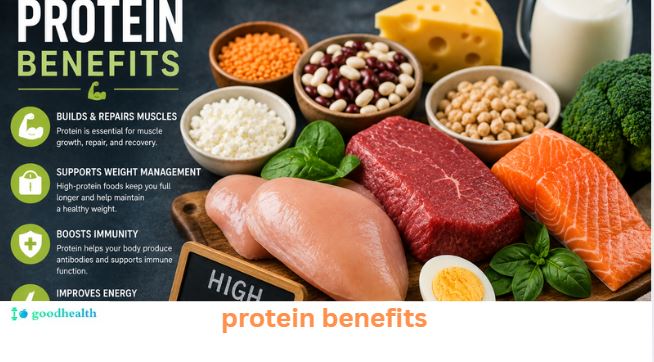
protein benefits
Older adults also benefit from elevated protein targets ranging from 1.2 to 1.6 grams per kilogram per day. Aging skeletal muscle exhibits a phenomenon known as anabolic resistance, wherein higher concentrations of essential amino acids—specifically leucine—are required to achieve the same degree of muscle protein synthesis observed in younger individuals. Increasing protein density at each meal helps older adults overcome this blunted response, safeguarding against age-related frailty and physical decline.
Practical implementation of these protein targets involves structuring meals around whole-food sources containing 25 to 40 grams of complete protein per meal. For individuals struggling to meet elevated targets through solid whole foods alone, high-quality supplemental protein powders—such as whey isolate, micellar casein, soy protein isolate, or pea-rice protein blends—offer convenient, highly digestible options to bridge nutritional gaps cleanly and efficiently.
Long-Term Health Outcomes and Broader Wellness Impact
The systemic benefits of optimal protein consumption extend into chronic disease prevention, metabolic stabilization, and cognitive wellness. One of the most significant broad-spectrum advantages of protein is its ability to smooth out blood glucose fluctuations when co-ingested with carbohydrates. Protein slows the gastric emptying rate, blunting the rapid absorption of simple sugars into the bloodstream. This modulation prevents sharp postprandial blood glucose spikes and subsequent insulin surges, promoting sustained glycemic control, reduced risk of type 2 diabetes, and stable cellular energy levels throughout the day.
Cardiovascular health is similarly influenced by strategic protein selection. Replacing refined carbohydrates and saturated-fat-dense meat cuts with lean poultry, cold-water fish, legumes, and nuts has been shown to improve lipid panels by lowering serum triglycerides and small, dense LDL particles while supporting high-density lipoprotein (HDL) levels. Additionally, specific bioactive peptides isolated from milk proteins and legumes possess natural angiotensin-converting enzyme (ACE) inhibitory properties, helping relax arterial walls and maintain healthy blood pressure levels.
Neurological function and mental wellbeing rely heavily on dietary amino acids, which serve as direct precursor molecules for major neurotransmitters in the central nervous system. The amino acid tryptophan crosses the blood-brain barrier to serve as the structural backbone for serotonin, a neurotransmitter regulating mood, sleep architecture, and emotional stability. Similarly, tyrosine acts as the direct precursor to dopamine, norepinephrine, and epinephrine, which govern executive focus, alertness, motivation, and stress response mechanisms. Ensuring steady availability of these amino acid precursors through balanced dietary protein supports neurochemical balance and cognitive clarity.
Strategic Application of Protein for Optimal Health
Dietary protein stands as an essential, multi-faceted macronutrient required for far more than basic survival or athletic performance. From driving muscle protein synthesis and supporting weight management through enhanced satiety and metabolic thermogenesis, to maintaining structural collagen matrices, reinforcing immune system defenses, and stabilizing neurochemical balance, protein serves as a primary foundation for human health. Navigating dietary protein effectively requires an individualized approach that prioritizes protein quality, amino acid completeness, proper daily distribution, and overall volume tailored to physical activity levels, age, and wellness objectives. Consistently meeting optimal daily protein targets through a diverse balance of nutrient-dense animal and plant sources provides the structural and metabolic foundation necessary for lifelong functional strength, metabolic resilience, and systemic health.
How much protein do I actually need to eat every day?
Most adults need about 0.8 grams of protein per kilogram of body weight, but active individuals should aim for 1.2 to 2.0 grams to support muscle recovery.
Can eating more protein help me lose weight?
Yes, a high-protein diet boosts your metabolism, reduces appetite, and helps preserve lean muscle mass while you shed excess fat.
Is it better to get protein from animal or plant sources?
Both are great options, but animal proteins naturally contain all essential amino acids, whereas you usually need to mix different plant proteins to get a complete profile.
What happens to my body if I consume too much protein?
Consuming excessive amounts of protein can strain your kidneys over time and will lead to weight gain if those extra calories aren’t burned off.
When is the best time to eat protein for muscle growth?
Spreading your protein intake evenly throughout the day is ideal, but consuming a protein-rich snack shortly after a heavy workout maximizes muscle repair.
please note
The content provided in this article is for educational and informational purposes only and should not be construed as medical, nutritional, psychological, or therapeutic advice. The advice provided may not be appropriate for everyone. The final decision regarding your health and lifestyle is yours, and we recommend that you consult with your doctor, counselor, or other health professional before making any changes or taking any action.