dark chocolate benefits

For centuries, chocolate was revered by ancient Mesoamerican civilizations not merely as a culinary indulgence, but as a prized restorative tonic reserved for royalty, warriors, and sacred rituals. Modern nutritional science has validated what these early cultures intuitively understood: cocoa possesses an extraordinary concentration of bioactive compounds capable of supporting human physiology. Today, dark chocolate stands out as one of the few foods that effortlessly bridge the gap between pure sensory pleasure and functional health enhancement. Unlike its heavily processed milk chocolate counterparts, high-cocoa dark chocolate delivers a powerful array of nutrients, antioxidants, and dietary fiber that positively influence everything from arterial health to cognitive function.
Understanding how dark chocolate exerts these physiological advantages requires looking closely at its primary ingredient—the cocoa bean. When processed thoughtfully and consumed in moderation, dark chocolate becomes far more than a comforting treat. It serves as a dense source of minerals, plant-based polyphenols, and unique lipids that interact with cellular pathways throughout the human body. As public interest in preventative nutrition and functional foods continues to rise, dissecting the true scope of dark chocolate benefits offers valuable insight into how simple dietary choices can yield profound long-term wellness rewards.
The Nutritional Architecture of High-Cocoa Dark Chocolate
The foundational difference between conventional confectionery and therapeutic dark chocolate lies in the concentration of cocoa solids. To experience meaningful health advantages, dark chocolate must typically contain a minimum of 70 percent cocoa, with higher percentages offering exponentially greater concentrations of beneficial compounds. The remaining portion consists of cocoa butter and a modest amount of sugar. Within these cocoa solids resides a rich matrix of essential minerals that are often lacking in modern diets, making dark chocolate a surprisingly robust dietary contributor when integrated into a balanced lifestyle.
A standard 100-gram portion of high-percentage dark chocolate delivers substantial amounts of soluble fiber, iron, magnesium, copper, and manganese, along with notable quantities of potassium, phosphorus, and zinc. Magnesium, in particular, plays a critical role in over 300 enzymatic reactions within the body, including muscle contraction, nerve transmission, and energy production. The presence of copper and iron supports red blood cell formation and oxygen transport, while manganese contributes to tissue synthesis and antioxidant enzyme activity.
The lipid profile of dark chocolate also merits careful examination. The fat content stems entirely from natural cocoa butter, which consists primarily of oleic acid, stearic acid, and palmitic acid. Oleic acid is a heart-healthy monounsaturated fat famously found in olive oil, while stearic acid is a saturated fat that exhibits a neutral effect on serum cholesterol levels because the liver rapidly converts it into oleic acid upon absorption. Although dark chocolate is energy-dense and contains some palmitic acid, its unique fatty acid composition ensures that its overall lipid contribution is far more favorable to cardiovascular stability than conventional saturated fats found in ultra-processed snacks.
Understanding Cocoa Solids and Flavonoids
The extraordinary medicinal potential of dark chocolate originates primarily from its rich concentration of polyphenols, specifically a subclass of flavonoids known as flavanols. These plant-derived bioactive molecules, including monomeric epicatechin and catechins, act as powerful signaling agents within the human body. Cocoa beans contain one of the highest concentrations of flavanols per gram of any known food source, outperforming green tea, and blueberries.
Processing techniques heavily influence the final flavanol content in commercial chocolate bars. Selecting non-alkalized dark chocolate with a clearly labeled high cocoa percentage guarantees that the intricate structural integrity of these flavanols remains intact, allowing them to exert their full physiological impact upon consumption.
dark chocolate benefits
Cardiovascular and Circulatory System Advantages
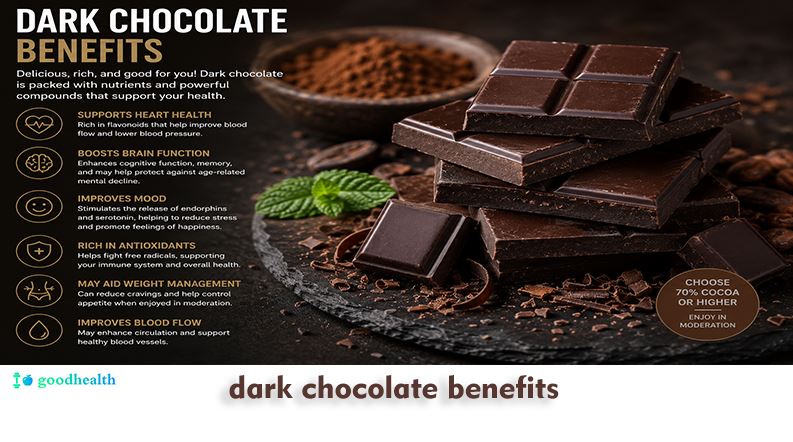
Among the most thoroughly researched dark chocolate benefits is its capacity to enhance cardiovascular health and optimize circulatory performance. The vascular system relies heavily on the internal lining of blood vessels, known as the endothelium, to regulate blood flow, maintain arterial elasticity, and prevent systemic blood pressure spikes. Cocoa flavanols interact directly with endothelial cells, stimulating the production of nitric oxide—a crucial signaling molecule that instructs the smooth muscles surrounding blood vessels to relax and dilate.
When blood vessels dilate effectively, vascular resistance drops, allowing blood to flow more freely throughout the body. This mechanism plays a fundamental role in lowering both systolic and diastolic blood pressure levels in individuals with baseline hypertension or prehypertension. Regular intake of flavanol-rich dark chocolate helps preserve arterial flexibility, reducing the workload placed on the heart and lowering the long-term risk of arterial stiffness, atherosclerosis, and associated cardiovascular events.
Beyond regulating blood pressure, dark chocolate exerts a protective effect on blood lipids by influencing cholesterol oxidation dynamics. Oxidized low-density lipoprotein (LDL) cholesterol is a primary driver of arterial plaque accumulation and localized vascular inflammation. The potent antioxidants within dark chocolate shield LDL particles from reacting with free radicals, thereby preventing the oxidative cascade that leads to plaque formation. Simultaneously, long-term clinical trials indicate that cocoa consumption can modestly increase high-density lipoprotein (HDL) cholesterol levels while improving overall lipid ratios.
The Role of Endothelial Nitric Oxide in Arterial Flexibility
The synthesis of nitric oxide by the vascular endothelium represents a cornerstone of circulatory vitality. As individuals age or encounter metabolic stressors, the endothelium often suffers from reduced nitric oxide bioavailability, leading to arterial constriction and elevated peripheral resistance. Cocoa flavanols actively upregulate the activity of endothelial nitric oxide synthase, the enzyme responsible for producing this vital gas.
This enhanced enzymatic activity restores structural resilience to aging or stressed blood vessels. Improved arterial flexibility not only protects against chronic cardiovascular disease but also enhances peripheral circulation, ensuring efficient nutrient and oxygen delivery to vital organs and peripheral tissues during periods of rest and physical exertion.
Powerful Antioxidant Profile and Cellular Protection
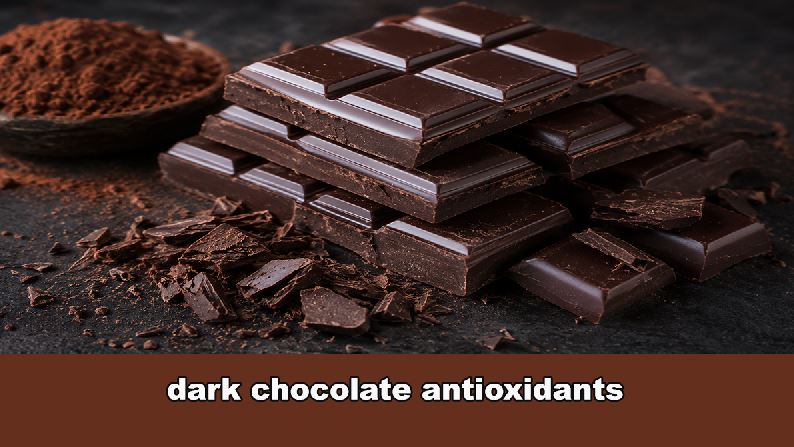
Every day, human cells face oxidative stress caused by reactive oxygen species and environmental toxins. Left unchecked, free radicals strip electrons from cellular membranes, proteins, and DNA, contributing to systemic inflammation, accelerated cellular aging, and chronic degenerative conditions. Dark chocolate stands as an exceptionally potent dietary defense against this continuous oxidative burden due to its dense array of bioactive polyphenolic compounds.
When evaluated using standardized antioxidant capacity metrics, raw cocoa and high-percentage dark chocolate consistently outrank most popular antioxidant-rich fruits and vegetables. The polyphenols present in cocoa function as direct radical scavengers, neutralizing unstable oxygen molecules before they can initiate damaging chain reactions. Additionally, these compounds bolster the body’s internal defense systems by upregulating endogenous antioxidant enzymes, creating a multi-tiered layer of cellular protection.
The systemic anti-inflammatory properties of dark chocolate further enhance its cellular protection profile. Chronic low-grade inflammation is widely recognized as an underlying factor in metabolic dysfunction, cardiovascular disease, and tissue degradation. Regular consumption of flavanol-rich dark chocolate has been shown to reduce key inflammatory biomarkers, such as C-reactive protein (CRP) and various pro-inflammatory cytokines, fostering a cellular environment conducive to long-term tissue repair and longevity.
Brain Health, Cognitive Function, and Mood Enhancement
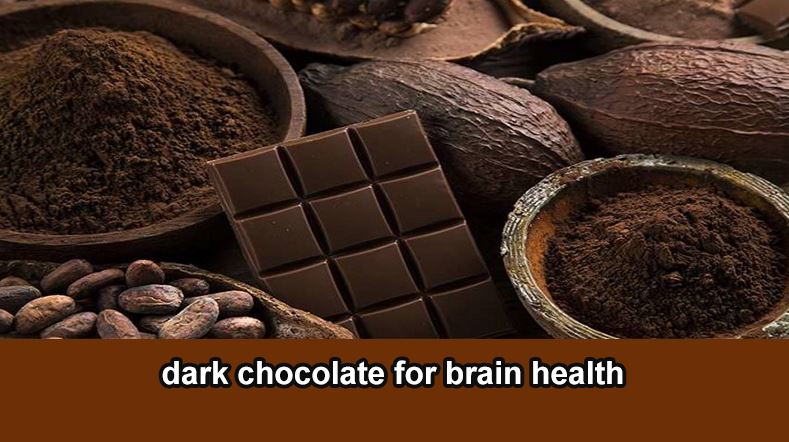
The neurological benefits of dark chocolate represent a rapidly expanding frontier in nutritional neuroscience. The brain is an extremely oxygen-hungry organ that depends on continuous, precise cerebral perfusion to sustain cognitive processing, memory consolidation, and executive function. Flavanols found in dark chocolate cross the blood-brain barrier and accumulate in regions associated with learning and memory, such as the hippocampus, where they promote both vascular flow and neuronal health.
By increasing blood flow to the brain, dark chocolate enhances neurovascular coupling, ensuring that active brain regions receive adequate oxygen and glucose during demanding mental tasks. Studies demonstrate that consumption of high-flavanol cocoa improves attention span, spatial memory, and visual processing speed in young adults, while long-term dietary intake helps mitigate cognitive decline in older populations experiencing mild cognitive impairment.
In addition to physical cognitive support, dark chocolate exerts a notable influence on mood state and emotional well-being through neurochemical pathways. Cocoa contains naturally occurring psychoactive alkaloids, including theobromine and small trace amounts of caffeine, which provide a mild, sustained sense of alertness without the jittery side effects associated with coffee. Furthermore, consuming dark chocolate triggers the release of endorphins and stimulates the synthesis of serotonin precursors, contributing to feelings of contentment and stress reduction.
Neuroplasticity and Memory Retention Benefits
Beyond immediate cerebral blood flow improvements, cocoa flavanols actively support neuroplasticity—the brain’s capacity to adapt, learn, and form new neural connections throughout life. These compounds stimulate the expression of brain-derived neurotrophic factor (BDNF), a vital protein responsible for the growth, maintenance, and survival of neurons.
Elevated BDNF levels correlate directly with enhanced synaptic plasticity and long-term potentiation, the cellular mechanisms that underlie memory formation and skill acquisition. By fostering an environment rich in BDNF, regular dark chocolate consumption helps safeguard existing neural networks while encouraging the structural development of new synaptic pathways.
Metabolic Health and Insulin Sensitivity
While chocolate is frequently viewed with suspicion in discussions surrounding metabolic disease and diabetes, dark chocolate with high cocoa content tells a remarkably different story. Clinical investigations reveal that cocoa polyphenols play a constructive role in carbohydrate metabolism, pancreatic function, and systemic glucose regulation, providing distinct advantages for individuals seeking to maintain stable blood sugar levels.
Insulin resistance occurs when body tissues become less responsive to insulin, forcing the pancreas to overproduce this storage hormone and leading to elevated circulating blood glucose. The flavanols in dark chocolate enhance insulin sensitivity by activating specific signaling cascades within muscle and fat tissue, enabling cells to take up glucose from the bloodstream more efficiently. Improved insulin sensitivity reduces systemic metabolic stress and lowers the risk of developing type 2 diabetes.
Furthermore, dark chocolate slows the rate of carbohydrate digestion and intestinal absorption by inhibiting key digestive enzymes such as alpha-amylase and alpha-glucosidase. This blunts post-meal blood sugar spikes and helps maintain stable energy levels throughout the day. When consumed in moderation as a replacement for high-sugar snacks, high-cocoa dark chocolate provides a satisfying sweet experience without triggering rapid glucose fluctuations.
Gut Microbiome Modulation and Digestive Well-Being
The human gastrointestinal tract is home to trillions of microorganisms that dictate digestive health, immune response, and metabolic balance. A significant portion of the polyphenols contained in dark chocolate pass through the stomach and small intestine without being absorbed, arriving intact in the large intestine. There, these unabsorbed compounds act as potent prebiotics, serving as a selective food source for beneficial gut bacteria.
Beneficial microbial species, such as Bifidobacterium and Lactobacillus, flourish in the presence of cocoa polyphenols. As these friendly bacteria ferment the incoming flavanols and dietary fiber, they generate short-chain fatty acids (SCFAs) like acetate, propionate, and butyrate. SCFAs are vital energy sources for colon cells, helping to maintain intestinal wall integrity, suppress harmful pathogens, and reduce local gut inflammation.
At the same time, the microbial breakdown of cocoa polyphenols converts these complex molecules into smaller, highly bioavailable metabolites that are easily absorbed into the systemic circulation. This symbiotic relationship between dark chocolate and the gut microbiome creates a positive feedback loop: healthy gut bacteria unleash the hidden therapeutic potential of cocoa flavanols, which in turn nourish and diversify the gut ecosystem.
Skin Protection and Photoprotective Properties
The physiological reach of dark chocolate extends all the way to the body’s largest organ: the skin. Dermal health relies on robust microcirculation, structural collagen integrity, and adequate hydration to preserve elasticity and resist environmental damage. The bioactive compounds in dark chocolate contribute to dermal vitality by enhancing cutaneous microvascular perfusion and supporting natural cellular defenses.
Consuming flavanol-rich dark chocolate increases blood flow to the cutaneous and subcutaneous tissues, ensuring an optimal supply of oxygen and nutrients to skin cells. Clinical trials measuring skin metrics show that consistent intake of high-flavanol cocoa improves dermal thickness, reduces skin roughness, and enhances stratum corneum hydration, resulting in a healthier, more resilient skin barrier.
Additionally, dark chocolate offers photoprotective advantages against solar radiation. The accumulating flavanols within skin tissue help neutralize reactive oxygen species generated by ultraviolet (UV) light exposure, effectively increasing the minimal erythema dose—the amount of UV radiation required to induce skin redness. While dark chocolate should never replace conventional sun protection, its internal photoprotective effects provide a valuable complementary layer of defense against premature photoaging.
Practical Guidelines for Maximizing Health Benefits
To fully unlock the impressive array of dark chocolate benefits, consumers must approach product selection and portion control with intentionality. Not all chocolate bars labeled “dark” deliver equal nutritional value, as manufacturing choices dramatically alter the final chemical composition. Selecting high-quality products demands a careful reading of ingredient labels and an understanding of key processing indicators.
The primary benchmark for therapeutic quality is cocoa percentage. Consumers should aim for dark chocolate containing 70 percent cocoa or higher, with 85 percent and above offering the densest polyphenolic content and lowest sugar load. Ingredients should remain minimal, prioritizing cocoa mass, cocoa powder, and cocoa butter over added sugars, milk solids, or artificial emulsifiers.
Portion size plays a vital role in balancing dark chocolate’s health advantages against its calorie density. Because cocoa butter is energy-dense, ideal daily intake typically ranges between 20 to 30 grams—roughly one small square to one ounce. This modest portion delivers a concentrated dose of minerals and flavanols without introducing excess calories into a daily diet. Additionally, individuals sensitive to caffeine or theobromine should consider enjoying dark chocolate earlier in the day to avoid sleep disruption.
Capitalizing on Dark Chocolate as a Nutrient-Dense Functional Food
The transformation of dark chocolate from an indulgent sweet to a scientifically recognized superfood highlights the remarkable power of plant-derived nutrition. Through its extraordinary concentration of cocoa flavanols, essential minerals, healthy lipids, and dietary fiber, dark chocolate offers a comprehensive suite of benefits that support cardiovascular performance, cerebral blood flow, metabolic stability, gut microbiome diversity, and cellular defense against oxidative stress.
Incorporating high-cocoa dark chocolate into a daily lifestyle represents a sustainable, enjoyable approach to dietary enrichment. By choosing minimally processed varieties with at least 70 percent cocoa solids and adhering to mindful portion sizes, individuals can leverage these science-backed health benefits while indulging in one of nature’s most sophisticated culinary creations. When selected thoughtfully, dark chocolate stands as an indispensable ally in the pursuit of long-term physical vitality and preventative wellness.
Is dark chocolate actually good for you every day?
Eating a small square of dark chocolate daily can boost your heart health and provide a powerful dose of antioxidants.
What percentage of dark chocolate is best for health benefits?
You should aim for a cocoa content of 70 percent or higher to get the most nutrients and the least amount of added sugar.
Can dark chocolate help you lose weight?
It can curb sweet cravings and keep you feeling full longer, but it still packs calories so strict portion control is essential.
Does dark chocolate keep you awake at night?
Since it naturally contains a small amount of caffeine, eating a large portion right before bed might make it harder to fall asleep.
Is dark chocolate better than milk chocolate?
Dark chocolate is much richer in antioxidants, iron, and magnesium while containing significantly less dairy and sugar than milk chocolate.
please note
The content provided in this article is for educational and informational purposes only and should not be construed as medical, nutritional, psychological, or therapeutic advice. The advice provided may not be appropriate for everyone. The final decision regarding your health and lifestyle is yours, and we recommend that you consult with your doctor, counselor, or other health professional before making any changes or taking any action.