how to practice self love


Navigating the complexities of modern life often leaves us drained, overwhelmed, and completely disconnected from our own needs. Society frequently glorifies burnout and relentless productivity, conditioning us to prioritize external achievements and the expectations of others over our own well-being. In this landscape, learning how to practice self love is no longer merely a trendy concept; it is an absolute necessity for sustaining mental, emotional, and physical health. Unfortunately, the true essence of self-love has been heavily commercialized, frequently reduced to images of expensive spa days, indulgent treats, or fleeting moments of luxury. While there is nothing wrong with enjoying a relaxing bath or treating yourself, these activities only scratch the surface. Authentic self-love requires a much deeper, often challenging commitment to acknowledging your inherent worth, honoring your boundaries, and treating yourself with the same profound compassion that you would readily offer to a cherished friend. It is an active, continuous process of choosing yourself, especially when it feels difficult or uncomfortable.
Understanding the True Foundation of Self-Love
To effectively integrate this practice into your life, it is crucial to first dismantle the misconceptions surrounding it. Genuine self-love is a state of appreciation for oneself that grows from actions that support our physical, psychological, and spiritual growth. It means holding yourself in high esteem and refusing to settle for less than you deserve, whether in relationships, career paths, or your internal dialogue. When you truly understand how to practice self love, you begin to recognize that it is not a destination you suddenly arrive at, but rather a lifelong relationship you cultivate with yourself. It involves facing your flaws, acknowledging your past mistakes, and deciding that you are worthy of love and respect regardless of your perceived imperfections.
Building this foundation requires a radical shift in perspective. For many, self-worth is entirely conditional, tied to productivity, appearance, or the approval of peers. Unlearning this conditional mindset is the first major hurdle. You must begin to separate your identity and your value from your output and your external achievements. This foundational work is not always pleasant; it often brings up deep-seated insecurities and unhealed emotional wounds. However, sitting with these uncomfortable feelings and offering yourself grace in those moments is the exact mechanism through which authentic self-acceptance is built. By validating your own experiences and emotions without harsh judgment, you lay the groundwork for a resilient and unshakeable sense of self-worth.
Reprogramming Your Mindset and Silencing the Inner Critic
One of the most pervasive obstacles to emotional well-being is the persistent, often subconscious voice of the inner critic. This internal monologue is frequently shaped by past rejections, societal conditioning, and early childhood experiences, manifesting as a constant stream of self-doubt and harsh judgment. To foster a healthy relationship with yourself, you must actively identify and challenge these destructive thought patterns. Left unchecked, the inner critic will convince you that you are inadequate, amplifying every minor misstep into a catastrophic failure. Recognizing that these thoughts are not objective truths, but rather conditioned responses, is a vital step in reclaiming your mental space.
Identifying Destructive Thought Patterns
The process of reprogramming begins with acute self-awareness. You cannot change a narrative that you do not consciously hear. Start paying close attention to the way you speak to yourself when you make a mistake, experience a setback, or simply look in the mirror. Notice the prevalence of cognitive distortions, such as black-and-white thinking, where anything less than perfection is deemed a total failure. Pay attention to how often you engage in unfair comparisons, measuring your behind-the-scenes struggles against the carefully curated highlight reels of others. By mentally cataloging these destructive patterns, you strip them of their power and create the distance necessary to evaluate them objectively.
Cultivating Positive and Realistic Self-Talk
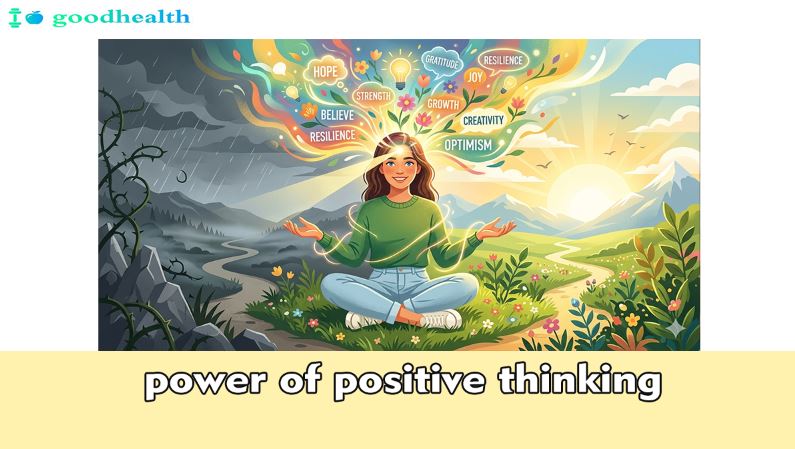
Once you have identified these negative narratives, the work of cognitive restructuring begins. This does not mean forcing toxic positivity or pretending that difficult emotions do not exist. Instead, cultivating positive self-talk involves adopting a tone of realistic self-compassion. When the inner critic claims that a mistake makes you a failure, conscious self-love demands that you reframe that thought, acknowledging the error while affirming your capacity to learn and grow from it. Imagine the exact words of encouragement you would offer a loved one in the same situation, and then direct that exact empathy inward. Over time, this deliberate practice of cognitive reframing rewires your brain, making self-compassion your default response to adversity rather than self-condemnation.
The Critical Importance of Setting Healthy Boundaries
You cannot figure out how to practice self love without fundamentally understanding and implementing boundaries. Boundaries are the invisible lines we draw around ourselves to protect our mental, emotional, and physical energy. They communicate to the world how we expect to be treated and, perhaps more importantly, they reinforce our own self-respect. Many individuals struggle with boundary-setting because they conflate it with selfishness or fear that it will lead to conflict and rejection. In reality, clear boundaries are the hallmark of healthy relationships, as they prevent resentment from building and ensure that your own needs are not consistently sacrificed on the altar of people-pleasing.
Protecting Your Emotional Energy
Every interaction, commitment, and environment requires a certain expenditure of emotional energy. Protecting this finite resource is a profound act of self-care. This requires taking an honest inventory of the relationships and obligations in your life and identifying which ones leave you feeling drained, undervalued, or anxious. It may involve limiting contact with individuals who consistently undermine your confidence, or stepping back from commitments that no longer align with your core values. Guarding your energy also means creating sacred time for solitude and decompression, allowing your nervous system to regulate away from the demands of external stimuli.
The Power of Saying No Without Guilt
The word “no” is one of the most powerful tools in your emotional wellness arsenal, yet it is often the hardest to utilize. Society trains us to be accommodating and agreeable, making the act of declining a request feel inherently wrong. However, every time you say yes to something out of sheer obligation, you are implicitly saying no to your own peace of mind. Learning to decline requests, invitations, or additional workloads without offering a lengthy justification or an apology is a transformative experience. It reinforces the belief that your time is valuable and that your primary responsibility is to your own well-being, not to managing the convenience of others.
Embracing Forgiveness and Letting Go of Past Mistakes
A significant barrier to practicing self-compassion is the heavy burden of past regrets and perceived failures. Many people hold themselves hostage to previous versions of themselves, replaying past mistakes and utilizing them as evidence of their unworthiness. True self-love requires the difficult but liberating act of self-forgiveness. You must accept that you made the best decisions you could with the knowledge, emotional maturity, and resources you had at that specific time. Punishing yourself perpetually for past errors does not change history; it only paralyzes your present and sabotages your future.
Forgiveness in this context is not about absolving yourself of accountability; rather, it is about allowing yourself the space to be human. It involves viewing your missteps as vital data points in your personal evolution instead of fatal character flaws. When you practice radical acceptance of your entire history, you integrate your shadow self—the parts of you that are messy, flawed, and imperfect—into your whole identity. This integration eliminates the exhausting need to hide or perform, allowing you to show up in the world authentically. By releasing the grip of past guilt, you free up an immense amount of psychological energy that can be redirected toward constructive personal growth and joy.
Developing Daily Habits That Reinforce Self-Worth
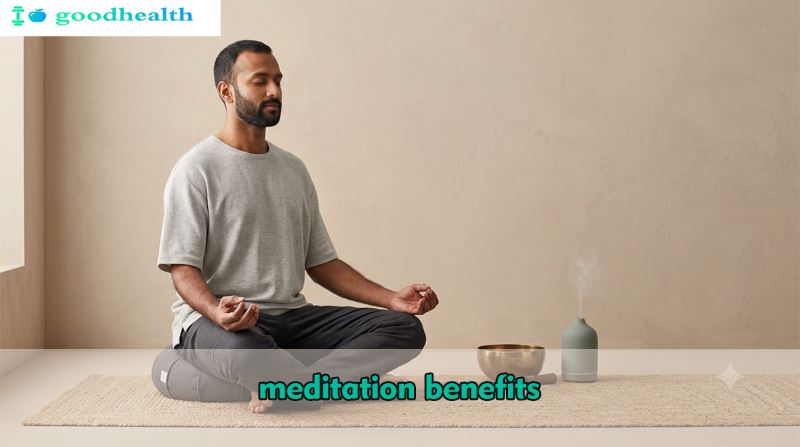
The philosophy of self-worth must be translated into actionable, daily behaviors; otherwise, it remains a purely theoretical concept. These habits do not need to be monumental or time-consuming, but they must be consistent. Emotional hygiene is just as important as physical hygiene, meaning you must carve out time daily to process your feelings rather than suppressing them. This could involve ten minutes of reflective journaling in the morning, a daily meditation practice to ground your thoughts, or simply sitting in silence to check in with your emotional state. These small pockets of intentional time send a powerful subconscious message to your brain that you are a priority.
Furthermore, how you treat your physical body is intrinsically linked to your emotional self-regard. Nourishing your body with whole foods, prioritizing adequate sleep, and engaging in joyful movement are not acts of vanity; they are fundamental acts of self-respect. When you consistently deprive yourself of sleep to work longer hours, or ignore your body’s physical cues for rest, you reinforce the narrative that your well-being is secondary. Conversely, when you treat your physical form with reverence and care, you strengthen the mind-body connection, creating a solid biological foundation from which emotional resilience and genuine self-affection can flourish.
Investing in Your Personal Growth and Authentic Joy
Self-love is deeply intertwined with personal fulfillment and the active pursuit of joy. It requires you to discover what genuinely excites you, outside of professional obligations or the roles you play in other people’s lives. Investing in your personal growth means dedicating time and resources to hobbies, passions, and educational pursuits simply because they bring you happiness and a sense of purpose. It is about permitting yourself to be a beginner at something new, embracing the learning curve without the pressure of having to monetize the skill or achieve immediate mastery.
Celebrating your milestones, no matter how small they may seem to the outside world, is another crucial aspect of this investment. We are often quick to celebrate the achievements of our friends and family, yet we routinely minimize our own progress. Taking a moment to acknowledge your resilience after a difficult week, or recognizing your bravery in having a tough conversation, actively builds your self-esteem. By consciously shifting your focus toward your progress rather than your perceived deficits, you create an internal environment of encouragement. This proactive investment in your own joy and growth solidifies your identity as someone who is inherently worthy of a rich, fulfilling life.
Committing to a Lifelong Journey of Self-Advocacy
Mastering how to practice self love is a dynamic and ongoing evolution, entirely unique to your individual needs and circumstances. It is fundamentally about becoming your own fiercest advocate, consistently choosing to protect your peace, honor your boundaries, and nurture your physical and mental health. There will inevitably be days when old insecurities resurface, when the inner critic grows loud, or when you slip back into patterns of people-pleasing. These moments are not failures, but simply reminders that emotional well-being requires active, daily maintenance.
By deliberately choosing self-compassion over self-criticism, and by aligning your daily actions with a deep-seated respect for your own worth, you fundamentally transform your experience of the world. This internal shift changes the way you engage in relationships, the way you pursue your career, and the way you handle adversity. When you operate from a baseline of unwavering self-acceptance, you no longer require external validation to feel complete. You become anchored in your own inherent value, equipped with the resilience and emotional clarity to navigate life’s challenges while remaining deeply and undeniably committed to yourself.
What are some simple ways to start practicing self-love every day?
You can start by setting healthy boundaries, forgiving your past mistakes, and taking a few minutes each morning to do something that genuinely brings you joy.
How is self-love actually different from just being selfish?
Self-love is about fulfilling your own basic needs and protecting your well-being so you have the energy to care for others, whereas selfishness involves ignoring the needs of others purely for your own gain.
Can practicing self-love really help improve my mental health?
Yes, regularly practicing self-compassion significantly reduces stress, lowers anxiety levels, and builds emotional resilience by helping you actively reframe negative self-talk.
What should I do if I constantly feel guilty for taking time for myself?
Remind yourself that rest is a necessity rather than a luxury, and try scheduling small, non-negotiable blocks of personal time until prioritizing your needs begins to feel natural instead of guilt-inducing.
Are there any quick self-love exercises I can do when my self-esteem is incredibly low?
Writing down three things you appreciate about yourself, practicing mindful deep breathing, or simply stepping away from social media for an hour are highly effective ways to quickly ground yourself and boost your mood.
Please note
The content provided in this article is for educational and informational purposes only and should not be construed as medical, nutritional, or therapeutic advice. The recommendations provided may not be appropriate for everyone. The final decision regarding your health and lifestyle is yours, and we recommend that you consult with your doctor or other health professional before making any changes or taking any action.