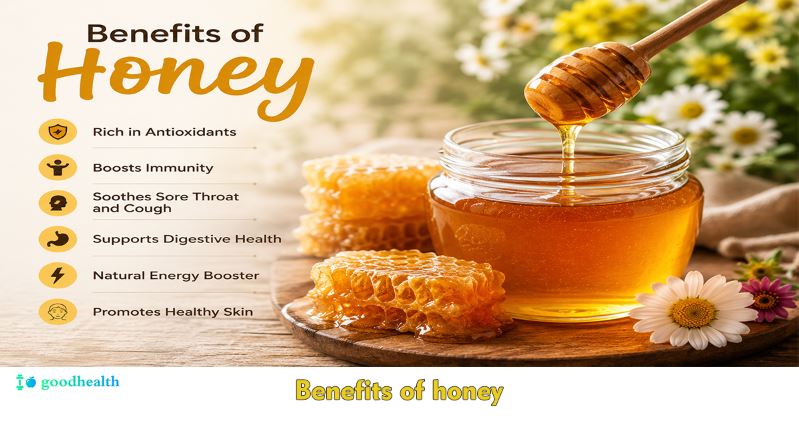
Benefits of honey

Humans have utilized the benefits of honey for millennia, treating it as both a culinary staple and a potent medicinal remedy. Long before modern medicine began to isolate active compounds in laboratories, ancient civilizations recognized the unique properties of this golden liquid. Today, scientific research continues to validate what traditional healers have long understood: honey is far more than just a natural sweetener. From its complex nutritional profile to its remarkable healing properties, pure honey offers a wide array of advantages for those looking to optimize their daily wellness routines and embrace a truly healthy lifestyle.
Nutritional Profile and Antioxidant Properties of Honey
At its core, honey is a highly concentrated source of natural carbohydrates, primarily composed of fructose and glucose. However, dismissing it as simple sugar ignores the intricate matrix of beneficial compounds it contains. High-quality, unpasteurized honey is packed with trace amounts of essential vitamins and minerals, including calcium, magnesium, manganese, niacin, pantothenic acid, and riboflavin. While these micronutrients are present in small quantities, they work synergistically within the body to support cellular function and overall vitality.
The true nutritional power of honey lies in its impressive concentration of bioactive plant compounds and antioxidants. Darker varieties of honey, such as buckwheat or Manuka, tend to have exceptionally high levels of flavonoids and phenolic acids. These antioxidants play a critical role in neutralizing free radicals, which are unstable molecules that can cause oxidative stress and damage to cells. Chronic oxidative stress is closely linked to premature aging and the development of numerous chronic conditions, making the regular consumption of antioxidant-rich foods a vital component of long-term health preservation.
It is important to distinguish between raw honey and the heavily processed varieties often found in commercial grocery stores. Commercial processing often involves pasteurization and ultra-filtration, which can strip away beneficial pollen, enzymes, and antioxidants, leaving behind a product that is nutritionally inferior. To truly harness the antioxidant benefits of honey, opting for raw, unfiltered varieties ensures that the delicate enzymes and phytonutrients remain intact and bioavailable.
Replacing Refined Sugars to Overcome Negative Dietary Habits
Transitioning away from highly processed foods is often the cornerstone of building a healthier life, yet breaking the negative habit of consuming refined sugar remains one of the most significant dietary challenges. Refined sugars offer zero nutritional value, trigger rapid spikes in blood glucose, and are heavily implicated in metabolic dysregulation. Substituting traditional table sugar with pure honey provides a practical and physiologically superior alternative for satisfying sweet cravings while actively supporting metabolic health.
Honey possesses a slightly lower glycemic index than regular sucrose, meaning it does not cause the same aggressive spikes and crashes in blood sugar levels. Furthermore, because honey tastes inherently sweeter than standard sugar, individuals typically need to use less of it to achieve the desired level of sweetness in beverages, oatmeal, or baked goods. This natural portion control assists in reducing overall daily caloric and carbohydrate intake without feeling deprived.
Behaviorally, replacing a detrimental ingredient with a functional, nutrient-dense food shifts the mindset from restriction to nourishment. Instead of simply removing an unhealthy element from the diet, introducing honey transforms a daily habit—such as sweetening morning tea—into an opportunity to consume antioxidants and beneficial enzymes. This positive replacement strategy is highly effective for breaking negative dietary cycles and establishing sustainable, life-long wellness routines.
How Honey Supports a Robust Immune System
The antimicrobial and antibacterial properties of honey have been extensively documented, making it a formidable ally for the human immune system. When bees produce honey, they secrete an enzyme called glucose oxidase into the nectar. Under the right conditions, this enzyme breaks down glucose to produce hydrogen peroxide, a well-known antiseptic agent. This naturally occurring hydrogen peroxide gives raw honey the ability to inhibit the growth of various pathogens, offering a first line of defense against common bacterial threats.
Beyond its preventative capabilities, honey is widely recognized as a highly effective, natural treatment for upper respiratory tract infections. The World Health Organization and numerous pediatric guidelines acknowledge honey as a safe and soothing remedy for coughs and sore throats, particularly for individuals seeking to avoid the side effects of over-the-counter pharmaceuticals. Its thick, viscous texture coats the mucosal lining of the throat, reducing irritation and suppressing the cough reflex to allow for restorative rest.
Certain specialized types of honey possess immune-supporting capabilities that extend far beyond standard hydrogen peroxide production. Manuka honey, derived from the nectar of the Manuka bush in New Zealand, contains exceptionally high concentrations of methylglyoxal (MGO). This unique compound provides potent, non-peroxide antibacterial activity that can withstand the digestive process, offering robust systemic support to the immune system and helping the body ward off more resilient bacterial strains.
Wound Healing and Skin Tissue Regeneration
The application of honey in wound management represents one of the most compelling intersections of ancient wisdom and modern clinical practice. Long before the discovery of penicillin, medics utilized honey to dress severe wounds and prevent infection. Today, medical-grade honey is routinely used in clinical settings to treat a variety of complex dermatological issues, from surgical incisions to chronic diabetic ulcers that have failed to respond to conventional antibiotic therapies.
The Mechanics of Tissue Repair
The effectiveness of honey in wound care is primarily driven by its osmotic properties. Honey contains very little water, creating a hyperosmotic environment that draws moisture out of bacterial cells, effectively dehydrating and neutralizing them. Simultaneously, this osmotic action draws lymph fluid to the surface of the wound, providing the damaged tissue with a steady supply of nutrients and oxygen required for rapid cellular regeneration and healing.
Treating Burns and Dermatological Conditions
For superficial burns, minor cuts, and inflammatory skin conditions, topical application of raw honey provides immediate relief and accelerates the healing process. Its anti-inflammatory compounds help to reduce swelling and redness, while its acidic pH encourages the release of oxygen from the blood into the localized tissue. Furthermore, regular application of raw honey has been shown to improve the appearance of acne-prone skin, eczema, and psoriasis by balancing the skin’s natural microbiome and reducing topical inflammation.
Digestive Health and Gut Microbiome Balance
Emerging research highlights the profound impact of the gut microbiome on overall human health, influencing everything from nutrient absorption to mood regulation. Honey serves as a potent prebiotic, providing the necessary fuel for beneficial probiotic bacteria to thrive within the gastrointestinal tract. The non-digestible oligosaccharides found in raw honey selectively stimulate the growth and activity of bifidobacteria and lactobacilli, which are crucial for maintaining a healthy and balanced gut ecosystem.
Regular consumption of honey can also soothe and protect the digestive lining. For individuals suffering from mild gastroenteritis or frequent acid reflux, honey acts as a gentle, natural protectant. By coating the esophagus and the stomach lining, it reduces the irritation caused by stomach acid and localized inflammation. The enzymes present in raw honey further assist in the breakdown of dietary carbohydrates, promoting smoother digestion and reducing instances of bloating and discomfort.
Unlike refined sugars, which can feed harmful pathogenic bacteria and yeast within the digestive tract, the unique antimicrobial profile of honey ensures that it supports digestion without contributing to gut dysbiosis. This delicate balance of suppressing harmful microbes while nourishing beneficial flora makes honey an essential dietary addition for those focused on optimizing their digestive health and overcoming chronic gastrointestinal sluggishness.
Cardiovascular Health and Metabolic Wellness
Protecting cardiovascular health requires a multi-faceted approach, and the dietary inclusion of antioxidant-rich foods is a critical component of that strategy. The polyphenols found in high-quality honey have been shown to provide significant cardioprotective benefits. These compounds help to relax the smooth muscle tissue lining the blood vessels, promoting vasodilation and improving overall blood flow. Improved circulation naturally assists in maintaining healthy blood pressure levels and reducing the workload on the heart muscle.
Clinical studies suggest that swapping refined sugars for honey may have a favorable impact on lipid profiles and cholesterol management. Regular consumption of natural honey has been associated with modest reductions in total cholesterol and low-density lipoprotein (LDL), often referred to as “bad” cholesterol. Simultaneously, it has been shown to promote slight increases in high-density lipoprotein (HDL), the beneficial cholesterol responsible for clearing excess plaque from the arterial walls.
Furthermore, substituting traditional sweeteners with honey can assist in the management of fasting triglycerides. Elevated triglycerides are an independent risk factor for coronary artery disease and are highly responsive to dietary carbohydrate intake. Because honey processes differently in the body than highly refined fructose-glucose syrups, it presents a lower risk of elevating blood lipids when consumed in moderation, making it a highly strategic choice for long-term metabolic wellness.
Natural Energy Sustenance and Athletic Performance
For athletes and active individuals, maintaining optimal energy levels is vital for both performance and recovery. Honey is an exceptional source of natural, clean energy due to its unique carbohydrate composition. It provides a dual-action energy release: the glucose in honey is absorbed rapidly by the body to deliver an immediate burst of energy, while the fructose is absorbed at a slower, steadier rate, providing sustained endurance and preventing the severe energy crashes associated with synthetic sports drinks.
Many endurance athletes have begun replacing commercially manufactured energy gels with pure honey packets. Commercial gels are often laden with artificial colors, synthetic flavors, and harsh preservatives that can cause gastrointestinal distress during intense physical exertion. Honey provides the exact carbohydrate density required to fuel working muscles, but in a completely natural, easily digestible format that is far gentler on the stomach during heavy training sessions.
In the crucial post-workout recovery window, honey continues to demonstrate its value. After intense exercise, the body requires an efficient carbohydrate source to replenish depleted muscle and liver glycogen stores. Pairing a spoonful of raw honey with a high-quality protein source immediately following a workout accelerates glycogen resynthesis, reduces exercise-induced muscle damage, and initiates the tissue repair process much faster than consuming complex carbohydrates alone.
Enhancing Restorative Sleep and Nighttime Recovery
Quality sleep is the foundation of physical and mental health, yet millions struggle with restorative rest due to modern stressors and poor evening routines. Consuming a small amount of honey before bed can significantly improve sleep architecture by stabilizing liver glycogen levels. During the night, the brain requires a continuous supply of energy to manage vital restorative processes. If liver glycogen runs out, the brain triggers the release of stress hormones like cortisol and adrenaline to break down muscle protein for fuel, which frequently causes middle-of-the-night awakenings.
A spoonful of honey provides the exact ratio of glucose and fructose necessary to top off liver glycogen stores, ensuring the brain has a steady fuel supply throughout the night and preventing cortisol spikes. Furthermore, the slight elevation in insulin triggered by honey allows the amino acid tryptophan to easily cross the blood-brain barrier. Once in the brain, tryptophan is converted into serotonin, which is then synthesized into melatonin, the primary hormone responsible for regulating deep, restorative sleep cycles.
Incorporating honey into a calming evening ritual—such as stirring it into a warm cup of chamomile or valerian root tea—combines the biochemical sleep advantages of honey with the psychological benefits of a relaxation routine. This holistic approach signals to the nervous system that it is time to down-regulate, making it vastly easier to fall asleep naturally and wake up feeling genuinely revitalized.
Maximizing the Health Benefits of Honey in Daily Life
The myriad benefits of honey establish it as one of the most versatile and valuable natural foods available for human consumption. From its ability to supply steady, clean energy and enhance athletic recovery to its profound capacity for wound healing, immune support, and microbiome nourishment, honey is a testament to the power of functional nutrition. It actively combats oxidative stress, promotes cardiovascular longevity, and provides a highly effective mechanism for eliminating harmful dietary habits centered around heavily processed, nutritionally vacant sweeteners.
To fully harness this diverse range of health benefits, the sourcing of the product is paramount. Prioritizing raw, unfiltered, and locally sourced honey guarantees that the critical enzymes, antioxidants, and phytonutrients have not been destroyed by industrial processing. By treating pure honey as both a daily nutritional staple and a natural therapeutic agent, individuals can significantly elevate their baseline health and seamlessly integrate a powerful, time-tested superfood into a sustainable, holistic lifestyle.
Is honey actually healthier than regular white sugar?
While both contain natural sugars, honey offers additional trace minerals, antioxidants, and anti-inflammatory properties that white sugar completely lacks.
Does honey really help soothe a sore throat and cough?
Yes, multiple studies show that a spoonful of honey can effectively coat the throat and reduce cough frequency, especially for nighttime coughs.
Can I use raw honey on my face for acne or skincare?
Absolutely, raw honey has natural antibacterial and soothing properties that make it an excellent gentle face mask for acne-prone or irritated skin.
What is the difference between raw honey and regular honey?
Raw honey is bottled directly from the hive without pasteurization, meaning it retains all of its natural enzymes, pollen, and maximum health benefits.
Does a jar of pure honey ever go bad or expire?
As long as it is stored in a sealed container away from moisture, pure honey will never spoil, though it may naturally crystallize over time.
please note
The content provided in this article is for educational and informational purposes only and should not be construed as medical, nutritional, psychological, or therapeutic advice. The advice provided may not be appropriate for everyone. The final decision regarding your health and lifestyle is yours, and we recommend that you consult with your doctor, counselor, or other health professional before making any changes or taking any action.