keys to a happy life


The human pursuit of fulfillment is an ancient journey, yet its core principles remain remarkably consistent across cultures and generations. Modern psychology, neuroscience, and philosophy all converge on a singular truth: lasting contentment is not an accidental occurrence or a permanent destination reached by acquiring material wealth. Instead, it is an ongoing practice shaped by intentional choices, daily habits, and internal mindsets. Understanding the foundational keys to a happy life requires a shift away from superficial pleasures toward a more holistic approach to emotional and psychological well-being. By exploring the core pillars of human satisfaction, individuals can construct a resilient framework for living that withstands the inevitable challenges of the modern world.
True happiness is often misunderstood as the complete absence of negative emotions or an unyielding state of euphoria. In reality, psychological well-being involves a deep sense of purpose, a capacity for resilience, and the ability to experience a wide spectrum of human emotions while maintaining a stable underlying sense of peace. This long-form exploration examines the actionable strategies and evidence-based concepts that serve as the building blocks for a deeply satisfying existence, guiding readers toward sustainable personal fulfillment.
Cultivating Deep and Meaningful Relationships
Human beings are fundamentally wired for connection, and decades of psychological research confirm that social integration is one of the most critical components of long-term satisfaction. The celebrated Harvard Study of Adult Development, one of the longest-running longitudinal studies on human life, revealed that close relationships, more than money or fame, are what keep people happy throughout their lives. These bonds protect individuals from life’s discontents, help delay mental and physical decline, and are better predictors of long and happy lives than social class, IQ, or even genes. Nurturing these connections requires consistent effort, active listening, and a willingness to show vulnerability.
In a hyper-connected digital age, it is easy to confuse superficial online interactions with genuine human connection. The quality of relationships matters significantly more than the quantity of social media followers or casual acquaintances. Deep relationships are characterized by mutual trust, emotional safety, and shared experiences where individuals feel seen, heard, and valued without judgment. Building this level of intimacy involves dedicating uninterrupted time to loved ones, engaging in meaningful conversations, and offering support during times of adversity, thereby reinforcing the emotional safety net that sustains psychological health.
To integrate this pillar into daily life, one must actively practice relationship maintenance. This involves expressing appreciation regularly, resolving conflicts through constructive communication rather than avoidance, and celebrating the successes of others with genuine enthusiasm. By prioritizing the well-being of friends, family, and partners, individuals create a reciprocal ecosystem of support that significantly enhances life satisfaction and buffers against the psychological impacts of isolation and stress.
Finding Purpose and Meaning in Daily Pursuits
A defining characteristic of a fulfilling existence is the presence of meaning, often referred to in psychological terms as eudaimonic happiness. While hedonic happiness focuses on immediate pleasure and pain avoidance, eudaimonia centers on living a life of virtue, personal growth, and societal contribution. Individuals who identify a clear sense of purpose tend to navigate life’s challenges with greater ease, as their overarching goals provide context and direction to daily struggles. Purpose can be derived from various sources, including a career, creative endeavors, caregiving, or volunteering for a cause greater than oneself.
Aligning daily activities with core personal values is essential for sustaining this sense of purpose. When a person’s employment or daily routines clash with their deeply held beliefs, cognitive dissonance and chronic dissatisfaction often result. Conversely, when individuals engage in work or hobbies that resonate with their internal compass, they experience states of “flow”—a psychological phenomenon where one becomes fully immersed and energized by an activity. Cultivating flow requires identifying personal strengths and actively seeking opportunities to utilize them in both professional and personal spheres.
Contribution to the broader community acts as a powerful catalyst for personal meaning. Acts of altruism, whether through formal volunteering or simple, daily kindnesses, shift the focus away from individual anxieties and foster a sense of interconnectedness. This outward perspective not only enriches the lives of others but also reinforces an individual’s sense of utility and worth within society, proving that the keys to a happy life are fundamentally intertwined with how one impacts the surrounding world.
The Power of Gratitude and Mindfulness
The human brain possesses an evolutionary survival mechanism known as the negativity bias, which causes individuals to focus more intensely on threats, failures, and negative experiences than on positive ones. While this bias kept ancestors safe from predators, in contemporary society, it often manifests as chronic anxiety and dissatisfaction. Cultivating gratitude is a scientifically proven method to counteract this bias, rewiring neural pathways to notice and appreciate the positive aspects of daily existence. A deliberate gratitude practice encourages individuals to acknowledge the abundance in their lives rather than focusing entirely on scarcity.
Mindfulness complements gratitude by anchoring the individual in the present moment, preventing the mind from drifting into anxious projections of the future or melancholic reflections on the past. When people practice mindfulness, they observe their thoughts and environment without immediate judgment, creating a psychological buffer between external stimuli and internal emotional responses. This heightened state of awareness allows for a more deliberate allocation of mental energy, ensuring that individuals appreciate current pleasures and navigate difficulties with clarity rather than reactive panic.
Implementing these practices does not require drastic lifestyle shifts; rather, it relies on consistent, small habits. Keeping a journal to document specific, positive moments or engaging in a few minutes of focused, conscious breathing each day can fundamentally alter one’s perspective. Over time, these practices build emotional resilience, enabling individuals to find contentment in ordinary moments and maintain a balanced outlook even when facing external disruption.
Prioritizing Physical and Mental Health
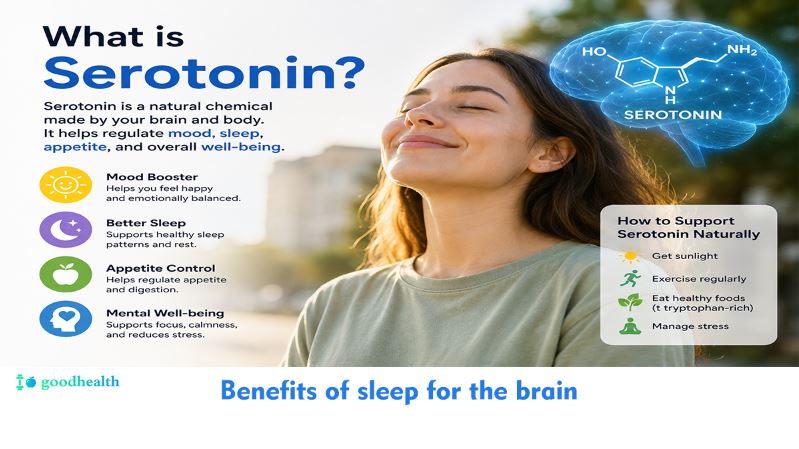
The mind and body operate as an interconnected system, meaning that physical health serves as the literal foundation for emotional well-being. Chronic sleep deprivation, poor nutrition, and physical inactivity have direct, measurable impacts on mood regulation, cognitive function, and stress levels. Neurochemical balances that dictate happiness, such as serotonin and dopamine production, are heavily influenced by systemic physical health, making lifestyle choices a primary determinant of psychological stability.
Regular physical activity is one of the most effective, natural interventions for elevating mood and reducing symptoms of anxiety and depression. Exercise stimulates the release of endorphins and neurotrophic factors that improve brain health and cognitive performance while simultaneously reducing levels of the body’s stress hormones, adrenaline and cortisol. Similarly, prioritizing restorative sleep allows the brain to process emotional experiences and clear metabolic waste, ensuring that individuals wake up with the psychological reserves necessary to handle daily demands.
In tandem with physical maintenance, proactive mental health care is vital for long-term fulfillment. This involves recognizing the limits of one’s emotional capacity, processing negative emotions rather than suppressing them, and seeking professional guidance when necessary. Destigmatizing emotional struggles and viewing mental healthcare as a routine form of self-maintenance allows individuals to address psychological wounds before they manifest as chronic dissatisfaction or burnout.
Embracing Lifelong Learning and Personal Growth
A sedentary mind often breeds stagnation and discontent, whereas a life dedicated to continuous learning fosters vitality and engagement. Adopting a growth mindset—the belief that abilities and intelligence can be developed through dedication and hard work—transforms challenges into opportunities for expansion rather than threats to self-worth. When individuals actively seek new knowledge, skills, or perspectives, they stimulate cognitive flexibility and maintain a sense of curiosity that keeps life interesting and dynamic.
Personal growth requires stepping outside comfort zones and confronting the discomfort of being a beginner. Whether learning a new language, mastering an instrument, or exploring an unfamiliar academic discipline, the process of overcoming cognitive challenges builds self-efficacy, which is an individual’s belief in their ability to succeed. This sense of competence is a core psychological need that directly fuels internal motivation and general life satisfaction.
Furthermore, intellectual curiosity prevents the onset of cognitive rigidity as people age. By remaining open to new ideas and challenging preexisting biases, individuals cultivate a richer, more nuanced understanding of the world. This continuous evolution of the self ensures that life remains an active exploration, preventing the monotony that frequently leads to existential boredom and emotional fatigue.
Establishing Healthy Boundaries and Work-Life Balance
The modern emphasis on constant productivity and hustle culture often leads to severe imbalance, eroding the very foundations of personal happiness. Establishing clear boundaries between professional obligations and personal life is essential for preserving the mental space required for relaxation and self-reflection. Without these boundaries, the chronic stress of work bleeds into domestic life, degrading the quality of relationships, rest, and leisure activities.
Learning the art of saying no is a foundational skill in boundary management. Many individuals experience burnout because they overcommit to external demands out of a desire for validation or a fear of missing opportunities. Protecting one’s time and energy requires a conscious assessment of priorities, ensuring that non-essential tasks do not crowd out foundational necessities like family time, hobbies, and solitary rest. Boundaries are not acts of selfishness; they are necessary measures for maintaining long-term health and efficiency.
True balance also involves reclaiming the concept of leisure for its own sake, rather than viewing it as a tool to optimize productivity. Engaging in play, creative expression, or unstructured downtime allows the nervous system to transition out of the sympathetic “fight or flight” mode and into the parasympathetic state of rest and digest. This restorative shift is crucial for emotional regulation, creative problem-solving, and the maintenance of long-term enthusiasm for life’s various responsibilities.
Building Emotional Resilience and Acceptance
Adversity is an inevitable facet of the human condition, and any framework for a happy life must account for periods of grief, loss, and disappointment. Emotional resilience is not about avoiding these negative experiences or pretending they do not exist; rather, it is the capacity to adapt to changing circumstances and recover from setbacks without losing one’s core sense of identity or purpose. Resilient individuals allow themselves to feel pain fully, but they do not permit that pain to permanently dictate their future trajectory.
A critical component of resilience is the practice of radical acceptance, which involves acknowledging reality as it is in the present moment, without attempting to fight or deny it. Energy wasted on wishing unalterable past events were different reduces the mental resources available for constructive action in the present. By accepting what cannot be controlled, individuals can focus their efforts entirely on what can be influenced: their own thoughts, reactions, and subsequent steps.
Cognitive reframing is another powerful tool for building resilience, allowing individuals to view obstacles through a more constructive lens. This technique involves identifying automatic negative thought patterns and consciously replacing them with more balanced, realistic interpretations. Setbacks are thus viewed not as definitive failures or indicators of personal inadequacy, but as valuable data points and opportunities for course correction, ensuring that the journey toward long-term contentment continues despite temporary roadblocks.
Achieving Long-Term Fulfillment Through Sustainable Habits
The path to long-term happiness is ultimately built from the compounding effect of sustainable, daily choices rather than grand, sporadic gestures. Just as financial wealth accumulates through consistent investment over time, psychological wealth is amassed through the daily integration of meaningful connection, purposeful work, mindfulness, and physical care. Expecting a single achievement or lifestyle shift to permanently alter one’s baseline of happiness is an unrealistic expectation that often leads to disappointment; instead, true satisfaction arises from appreciating the ongoing process of growth and alignment.
By consciously structuring routines around these foundational pillars, individuals create an internal environment where contentment can naturally flourish, independent of fluctuating external circumstances. Balancing professional ambitions with personal relationships, maintaining physical health while nurturing the mind, and meeting adversity with resilient acceptance forms a comprehensive strategy for enduring well-being. Commitment to these practices ensures that the pursuit of a fulfilling life becomes an attainable, daily reality, providing a stable anchor of peace and purpose throughout all of life’s shifting seasons.
What daily habits contribute the most to a happy life?
Prioritizing daily gratitude, getting regular exercise, and nurturing close relationships are proven to boost long-term happiness.
Can money actually buy long-term happiness?
Money increases happiness by securing basic needs and reducing stress, but beyond a comfortable income, personal fulfillment and deep connections matter much more.
How can I change my mindset to feel happier during stressful times?
You can shift your mindset by practicing mindfulness to stay grounded, focusing only on what you can control, and reframing obstacles as life lessons.
Why are strong social relationships considered the ultimate key to happiness?
Deep human connection provides emotional security, reduces loneliness, and triggers the release of feel-good hormones that naturally lower stress levels.
What is the difference between short-term pleasure and long-term happiness?
Short-term pleasure comes from fleeting external rewards like shopping, while long-term happiness is an internal state built on purpose, growth, and meaningful bonds.
Please note
The content provided in this article is for educational and informational purposes only and should not be construed as medical, nutritional, or therapeutic advice. The recommendations provided may not be appropriate for everyone. The final decision regarding your health and lifestyle is yours, and we recommend that you consult with your doctor or other health professional before making any changes or taking any action.