The benefits of self-confidence for the body and mind

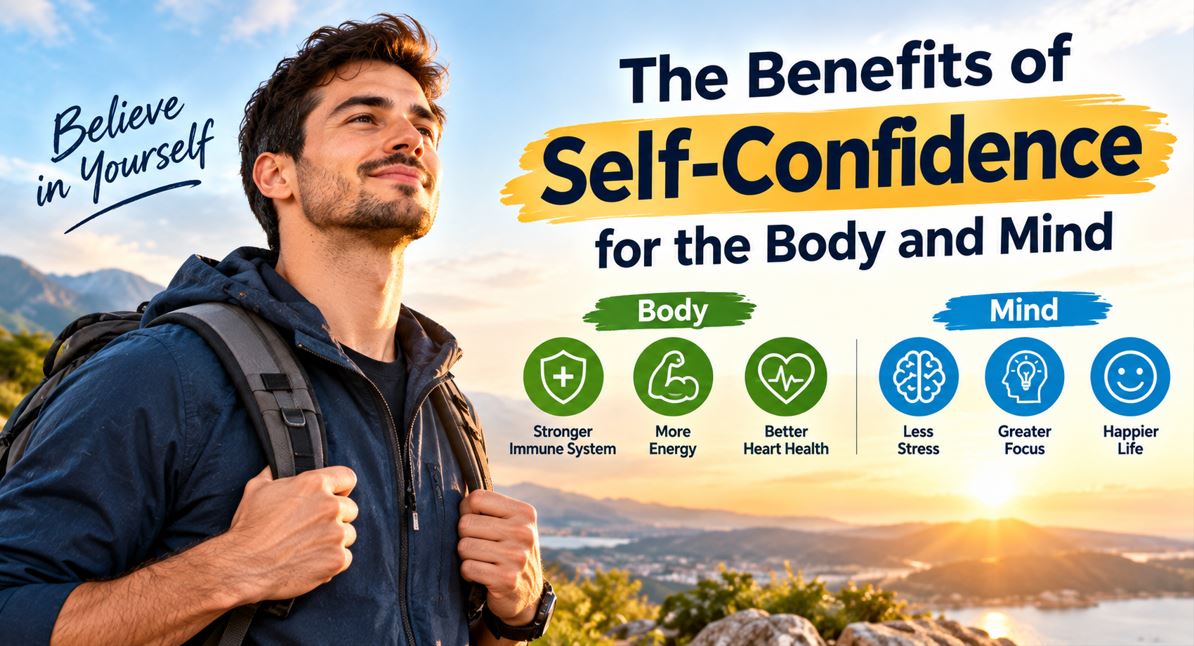
Self-confidence is more than simply believing in yourself. It can influence how you respond to challenges, communicate with others, make decisions, manage everyday pressure, and pursue personal goals. A healthy level of self-confidence can support a more positive approach to life and encourage behaviors that benefit both psychological and physical well-being.
Understanding The Benefits of Self-Confidence for the Body and Mind can help you recognize why confidence is an important part of personal development. Self-confidence does not mean believing that you are perfect or capable of everything. Instead, it means having a realistic belief in your ability to learn, adapt, make decisions, and deal with challenges.
What Is Self-Confidence?
Self-confidence is the belief that you can handle situations, learn from experience, and take action even when outcomes are uncertain. It is closely connected to self-esteem, but the two concepts are not exactly the same.
Self-esteem generally relates to how you value yourself, while self-confidence often relates to your belief in your ability to perform, respond, or cope in particular situations.
Healthy self-confidence can develop through experience, preparation, realistic goals, supportive relationships, and learning from both successes and mistakes.
How Self-Confidence Affects the Mind
One of the most important benefits of self-confidence is its relationship with the way you think. When you have greater confidence in your abilities, challenges may feel more manageable and you may be more willing to take constructive action.
Self-confidence can encourage a problem-solving mindset. Instead of immediately thinking, “I cannot do this,” you may be more likely to think, “I can learn how to do this.”
This difference in thinking can influence persistence, decision-making, motivation, and your willingness to try again after setbacks.
May Help Reduce Everyday Stress
Low confidence can sometimes contribute to excessive worry about mistakes, criticism, or failure. Constantly questioning your own abilities can consume mental energy and make ordinary situations feel more stressful.
Healthy self-confidence can help you approach challenges with a greater sense of control. You may feel more comfortable making decisions, expressing your needs, and handling situations that do not go exactly as planned.
Self-confidence does not eliminate stress, but it can influence how you respond to stressful situations.
Encourages a More Positive Mindset
A confident mindset can make it easier to focus on possibilities rather than only on limitations. This does not mean ignoring problems or pretending everything is perfect.
Instead, confidence can support a more balanced perspective. You can acknowledge difficulties while still believing that you can take useful steps forward.
Developing this attitude can encourage greater resilience and help you recover more effectively from ordinary disappointments.
Can Improve Motivation
Motivation often becomes stronger when you believe your efforts can produce meaningful results. If you constantly assume that you will fail, you may avoid starting altogether.
Self-confidence can encourage you to take action, even when you are not certain about the outcome. Completing small tasks and seeing progress can then reinforce your confidence.
This creates a positive cycle in which action leads to experience, experience leads to greater capability, and greater capability supports stronger confidence.
Supports Better Decision-Making
Uncertainty is part of everyday life. Whether you are making career decisions, managing relationships, learning a skill, or handling responsibilities, you will often need to make choices without having complete information.
Healthy self-confidence can help you trust your ability to evaluate options and deal with the consequences of your decisions.
This does not mean making decisions without thinking. In fact, confidence can work alongside careful planning and reflection.
May Improve Social Communication
Self-confidence can also influence the way you communicate. People who feel more secure in themselves may find it easier to express their thoughts, ask questions, set boundaries, and participate in conversations.
Confident communication does not require dominating other people. It can involve speaking clearly, listening carefully, and expressing your opinions respectfully.
These communication habits can contribute to healthier personal and professional relationships.
Helps You Handle Criticism
Criticism can be difficult, particularly when it affects something that matters to you. When confidence is very low, even constructive feedback may feel like a personal attack.
A healthier level of self-confidence can help you separate feedback about a specific action from your overall sense of self-worth.
You can ask whether the criticism contains useful information, make appropriate changes, and continue moving forward without allowing one mistake to define you.
Encourages Healthy Risk-Taking
Growth often requires stepping outside your comfort zone. Applying for a new job, learning a difficult skill, meeting new people, starting a project, or speaking in public may all involve some degree of uncertainty.
Self-confidence can make these opportunities feel more approachable.
Healthy confidence is not the absence of fear. It is the willingness to act thoughtfully even when some uncertainty or nervousness is present.
The Connection Between Self-Confidence and Physical Health
The relationship between confidence and physical health is indirect but important. Self-confidence can influence behaviors that contribute to a healthier lifestyle.
For example, people who believe they are capable of making changes may be more likely to begin exercising, improve their eating habits, establish better routines, or seek appropriate support when they need it.
Confidence itself should not be viewed as a treatment for physical illness. Rather, it can support behaviors and habits that contribute to overall well-being.
Can Encourage Regular Physical Activity
Exercise can be easier to maintain when you believe you are capable of improving. Someone who doubts their abilities may avoid physical activity because they are afraid of performing poorly.
A healthy approach is to focus on gradual progress rather than comparing yourself with others.
As your strength, endurance, coordination, or technique improves, those experiences can also reinforce your confidence. This creates a relationship in which positive habits and self-belief can support each other.
May Support Better Sleep Habits
Confidence does not directly guarantee better sleep, but psychological well-being can influence bedtime routines and mental relaxation.
Excessive self-criticism, worry about the next day, or repeated negative thinking can make it harder to mentally switch off.
Developing greater self-trust and using healthy stress-management strategies may make it easier to approach bedtime with a calmer mindset.
Good sleep still depends on many factors, including sleep schedules, environment, caffeine intake, physical activity, and individual health.
Can Improve Workplace Performance
Self-confidence can be valuable in professional environments. It may help you participate in meetings, communicate ideas, ask for clarification, learn unfamiliar tasks, and handle setbacks more constructively.
Confidence can also encourage people to take responsibility for their work rather than constantly second-guessing every decision.
However, confidence is most effective when combined with preparation, knowledge, humility, and a willingness to accept feedback.
Supports Personal Growth
Personal growth requires experimentation. You will not learn every skill perfectly on the first attempt, and setbacks are inevitable.
Self-confidence can make it easier to view mistakes as part of the learning process rather than proof that you should stop trying.
When you believe you can improve, you are more likely to practice, seek feedback, and continue developing your abilities.
May Strengthen Relationships
Healthy relationships require communication, honesty, respect, and boundaries. Self-confidence can help you communicate your needs without becoming unnecessarily aggressive or passive.
A confident person can say no when necessary, express appreciation, admit mistakes, and discuss disagreements respectfully.
Strong self-confidence should not be confused with arrogance. Confidence leaves room for other people’s perspectives and recognizes that everyone has strengths and limitations.
Self-Confidence and Emotional Resilience
Life inevitably includes disappointment, rejection, mistakes, and unexpected changes. Emotional resilience is the ability to adapt and continue functioning despite these challenges.
Self-confidence can contribute to resilience by reinforcing the belief that you can respond to difficulties and learn from experience.
Instead of seeing a setback as the end of the road, you may be more willing to ask what you can learn and what your next step should be.
How to Build Healthy Self-Confidence
Self-confidence usually develops through action rather than simply repeating positive statements. Set realistic goals, practice useful skills, maintain healthy routines, and recognize improvements as they occur.
Keep track of small achievements. Completing a difficult task, speaking up in a conversation, finishing a workout, learning something new, or handling a stressful situation can all provide evidence of your ability to grow.
It is also important to avoid comparing your progress constantly with other people. Personal development is not a competition, and different people begin with different experiences and circumstances.
Practice Self-Respect
Self-confidence grows more sustainably when it is based on self-respect rather than a need for constant approval.
Treat yourself with the same basic patience and respect that you would offer a friend who is learning something difficult.
This does not mean ignoring mistakes. It means correcting mistakes without unnecessary self-criticism.
A realistic view of your strengths and weaknesses can create a more stable form of confidence.
Stop Depending Entirely on Other People’s Approval
External recognition can feel rewarding, but relying on it completely can make confidence unstable.
If your sense of worth depends on receiving praise, criticism may have an unusually strong effect on you. Developing internal standards can create greater emotional stability.
Ask yourself whether your actions are consistent with your values and whether you are making genuine progress, rather than relying only on other people’s reactions.
Use Preparation to Strengthen Confidence
Preparation is one of the most practical ways to build self-confidence. When you prepare for a presentation, interview, exam, meeting, or important conversation, you increase your familiarity with the situation.
Preparation does not guarantee a perfect outcome, but it can help you feel more capable and ready to respond to unexpected situations.
Confidence becomes stronger when it is supported by actual skills and experience.
Set Achievable Goals
Large goals can feel overwhelming, especially when you are already struggling with self-doubt. Breaking them into smaller objectives can make progress easier to see.
For example, rather than deciding to become an expert immediately, focus on learning one concept, completing one project, or practicing one specific skill.
Each completed step provides evidence that progress is possible.
Be Patient With Yourself
Confidence rarely changes overnight. Some days you may feel capable and motivated, while on other days you may experience uncertainty.
This does not mean that you are moving backward. Confidence can naturally fluctuate depending on circumstances, stress, fatigue, and experience.
Focus on consistent development rather than expecting yourself to feel completely confident all the time.
Conclusion
The Benefits of Self-Confidence for the Body and Mind extend across many areas of everyday life. Healthy self-confidence can support motivation, communication, decision-making, resilience, personal growth, and healthier lifestyle behaviors.
It is important to remember that confidence does not mean believing you will always succeed. It means trusting that you can learn, adapt, seek help when necessary, and continue moving forward after setbacks.
Ultimately, The Benefits of Self-Confidence for the Body and Mind become more meaningful when confidence is built on realistic self-awareness, preparation, healthy habits, and self-respect. By developing these qualities gradually, you can create a stronger foundation for emotional well-being, productive behavior, meaningful relationships, and a more fulfilling life.
What are the main benefits of self-confidence?
Self-confidence can support motivation, decision-making, communication, resilience, personal growth, and willingness to take constructive action. It can also encourage healthier behaviors and greater participation in everyday activities.
Can self-confidence improve mental well-being?
Healthy self-confidence may support a more balanced approach to challenges, mistakes, and uncertainty. It can encourage resilience and reduce excessive self-doubt, although it is not a substitute for professional support when someone is experiencing significant psychological difficulties.
Does self-confidence affect physical health?
Self-confidence can indirectly influence physical health by encouraging behaviors such as exercise, healthy routines, adequate self-care, and seeking appropriate support. Confidence itself is not a treatment for physical illness.
How can I increase my self-confidence?
Start with achievable goals, prepare for challenging situations, practice useful skills, recognize small improvements, communicate assertively, and treat mistakes as opportunities to learn. Building confidence generally takes consistent practice and experience.
Is being self-confident the same as being arrogant?
No. Healthy self-confidence involves believing in your abilities while recognizing your limitations and respecting others. Arrogance generally involves an exaggerated sense of superiority or a lack of consideration for other people’s perspectives.
please note
The content provided in this article is for educational and informational purposes only and should not be construed as medical, nutritional, psychological, or therapeutic advice. The advice provided may not be appropriate for everyone. The final decision regarding your health and lifestyle is yours, and we recommend that you consult with your doctor, counselor, or other health professional before making any changes or taking any action.
-
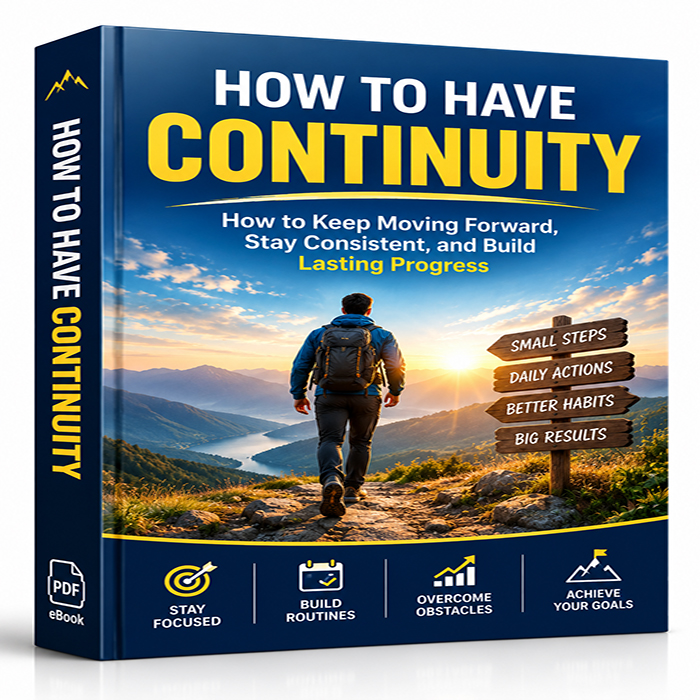
How to have continuity
How to Keep Moving Forward, Stay Consistent, and Create Sustainable Progress Progress is rarely about making one big effort. Real, lasting results come from learning how to keep moving forward, especially when motivation fades, challenges appear, or progress feels slow. How to Have Continuity is a practical training course designed to help you develop the…
Original price was: €4.90.€0.00Current price is: €0.00. -
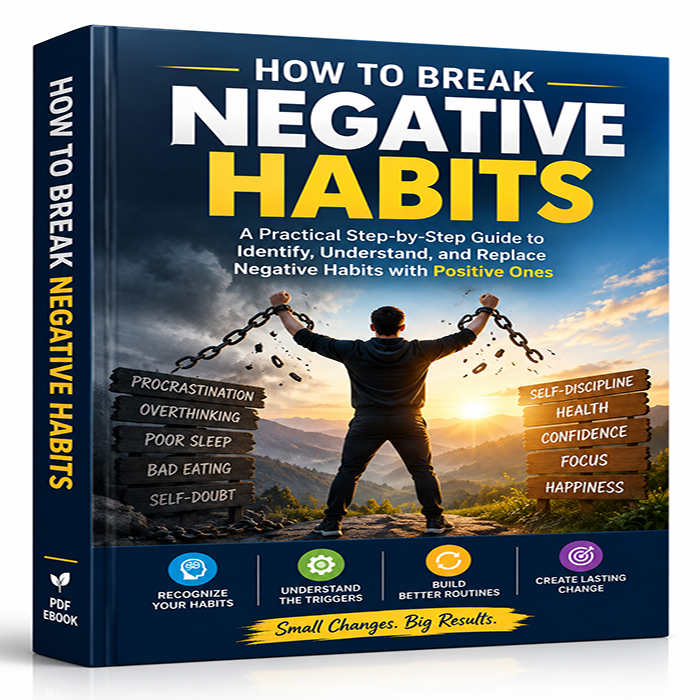
How to break negative habits
Overcoming deeply ingrained routines can feel overwhelming, but discovering how to break negative habits is the first crucial step towards achieving your full potential. Our comprehensive guide provides a practical, step-by-step approach to help you dismantle unhelpful routines and replace them with empowering actions. Whether you are looking to overcome daily procrastination, improve your professional…
€0.00 -

Unshakable Confidence
Unlock Your Potential with the Unshakable Confidence Discover the definitive roadmap to personal empowerment with the Unshakable Confidence . Designed specifically for individuals ready to break free from the limitations of self-doubt, this comprehensive digital guide offers a practical step-by-step framework to help you build lasting self-belief and overcome deep-seated fears. Whether you are navigating…
€0.00 -
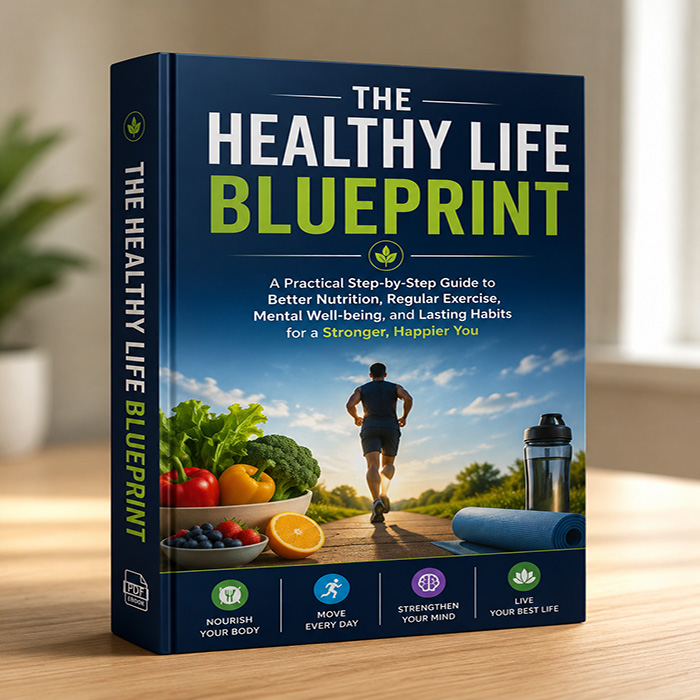
Healthy Life Blueprint
The Healthy Life Blueprint PDF: Your Complete Guide to Sustainable Wellness Healthy Life Blueprint pdf book Transform your daily routine and unlock your full potential with The Healthy Life Blueprint PDF, a comprehensive digital guide expertly designed to help you build better, long-lasting habits. Instead of relying on exhausting workout regimes or unsustainable crash diets,…
€0.00 -
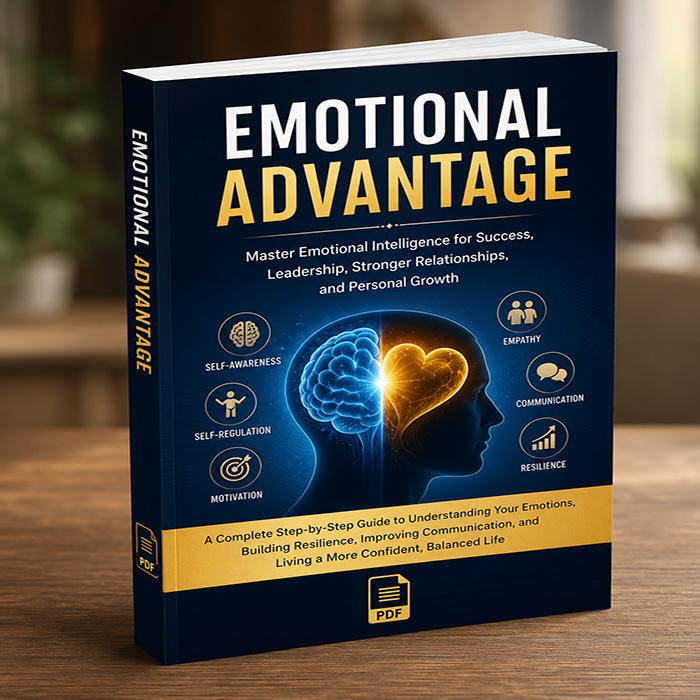
Emotional Advantage
Unlock Your Full Potential with the Emotional Advantage Transform the way you navigate life and work with the Emotional Advantage , your comprehensive guide to mastering emotional intelligence. Whether you are aiming to accelerate your career progression, step into a leadership role, or simply cultivate deeper and more meaningful relationships, this digital resource provides the…
€0.00