how to live a happy life


The quest for a fulfilling existence is a fundamental human pursuit, yet understanding how to live a happy life remains one of the most elusive challenges of the modern era. In an age dominated by curated social media feeds and a relentless focus on material achievement, true well-being is often conflated with temporary pleasure or a flawless external appearance. True happiness, however, is not a static destination or a permanent state of euphoria. Instead, it is an ongoing practice, a dynamic framework built through intentional daily habits, deep self-awareness, and a balanced approach to the inevitable ups and downs of human existence. By shifting our focus from external validation to internal alignment, we can discover a more sustainable, profound sense of life satisfaction that endures across different stages of life.
Redefining Happiness in the Modern Era
To construct a life rooted in genuine contentment, one must first deconstruct the cultural myths surrounding success and joy. Modern society frequently promotes the hedonic treadmill, a psychological phenomenon where individuals continually chase new achievements, possessions, or status markers, only to return quickly to a baseline level of happiness. This endless cycle of anticipation and adaptation creates a superficial sense of satisfaction that vanishes the moment a goal is reached. Recognizing that external acquisitions offer diminishing returns is the first critical step toward emotional freedom.
Psychological research frequently divides well-being into two distinct categories: hedonic pleasure and eudaimonic fulfillment. While hedonic happiness stems from immediate enjoyment, such as a fine meal or a new purchase, eudaimonic happiness is derived from purpose, meaningful challenges, and personal growth. A balanced life requires both, but long-term mental health is heavily anchored in the latter. When individuals align their daily actions with their core values, they experience a deeper form of psychological vitality that cannot be easily disrupted by external circumstances.
Transitioning toward a eudaimonic framework requires a conscious inventory of what truly brings joy. This means moving away from societal definitions of prosperity and exploring what fosters a sense of peace, curiosity, and connection on a personal level. Cultivating this internal metric of success allows individuals to build immunity against the comparison traps inherent in our interconnected world, laying a stable foundation for lasting emotional wellness.
Cultivating a Mindset of Growth and Resilience
The human brain possesses an extraordinary capacity for adaptation known as neuroplasticity, meaning that our cognitive habits and emotional responses are not fixed. If an individual habitually focuses on deficits, anxieties, and negative outcomes, the neural pathways associated with those thoughts strengthen. Conversely, intentionally practicing cognitive reframing can rewire the brain to notice opportunities, beauty, and reasons for appreciation. This is not about forced positivity or ignoring reality, but rather about choosing a balanced perspective that acknowledges challenges while actively seeking constructive pathways forward.
A foundational element of this cognitive shift is the disciplined practice of gratitude. Scientific studies consistently demonstrate that regularly acknowledging the positive aspects of one’s life significantly lowers cortisol levels, improves sleep quality, and enhances overall life satisfaction. Gratitude acts as an internal corrective lens, shifting focus from what is lacking to the abundance that already exists. Whether through journaling, verbal expressions, or quiet reflection, this practice alters our baseline perception, making us more receptive to moments of daily joy.
Resilience is the structural support of a happy life, ensuring that inevitable setbacks do not lead to prolonged emotional despair. Cultivating a growth mindset allows individuals to view failures not as definitive indictments of their worth, but as essential data points for personal evolution. When challenges are reframed as opportunities to build character and skill, the fear of adversity diminishes. This psychological agility enables individuals to navigate transitions, grief, and disappointment with grace, maintaining a core sense of stability even during turbulent times.
The Core Impact of Deep Social Connections
Human beings are inherently social creatures, evolved to exist within supportive communities rather than in isolation. The landmark Harvard Study of Adult Development, one of the longest-running longitudinal studies on human life, conclusively demonstrated that the single most accurate predictor of health and happiness in old age is the quality of an individual’s relationships. Strong social bonds protect the brain, reduce physical decline, and insulate the nervous system against the damaging effects of chronic stress.
Fostering these connections requires a deliberate shift from digital interactions to authentic, vulnerable engagements. While modern technology allows for constant communication, it often produces a superficial level of contact that lacks emotional resonance. Building meaningful relationships demands time, active listening, and the willingness to show up for others during moments of difficulty. Deep relationships are sustained by shared experiences, mutual trust, and the safety of being fully seen and accepted without judgment.
Equally important is the practice of relational editing, which involves setting healthy boundaries with individuals who introduce chronic toxicity or emotional exhaustion into your life. Surrounding oneself with people who inspire growth, offer constructive feedback, and provide genuine warmth creates an ecosystem of emotional safety. By prioritizing depth over breadth in social circles, individuals establish a reliable safety net that enhances joy during prosperous times and offers profound comfort during periods of struggle.
Navigating Digital Isolation in the Modern Age
The rise of digital connectivity has paradoxically coincided with a global loneliness epidemic, largely because online interactions lack the biochemical benefits of face-to-face contact. Eye contact, physical presence, and shared silence trigger the release of oxytocin, a hormone essential for bonding and anxiety reduction. Relying exclusively on text or social feeds for connection can leave individuals feeling profoundly isolated, even when surrounded by virtual networks.
To counteract this digital isolation, individuals must intentionally design opportunities for real-world community engagement. Joining local clubs, volunteering for shared causes, or establishing recurring gatherings with friends can rebuild the social infrastructure necessary for emotional wellness. By stepping away from screens and entering shared physical spaces, individuals reclaim the raw, unedited human interactions that are vital for long-term psychological health.
Integrating Physical Health with Psychological Stability
The separation of mind and body is a conceptual illusion; the two are profoundly interconnected through intricate biochemical loops. Physical vitality provides the biological energy required to sustain a positive mood, cognitive clarity, and emotional regulation. When physical health is neglected, the nervous system becomes compromised, leaving individuals highly susceptible to anxiety, fatigue, and depressive symptoms. Therefore, any comprehensive strategy for a happier life must prioritize physiological optimization.
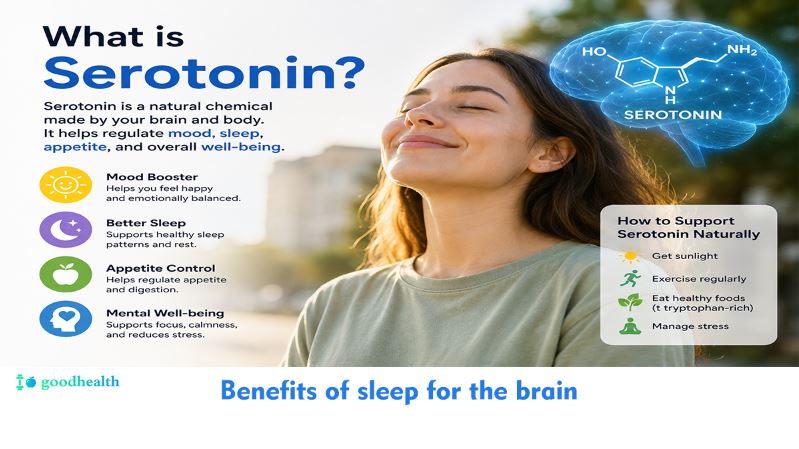
Regular physical activity acts as a potent, natural regulator of brain chemistry, triggering the release of endorphins, dopamine, and serotonin while suppressing excess adrenaline and cortisol. Exercise should not be viewed merely as a tool for physical transformation, but as a non-pharmacological intervention for stress management and emotional balance. Whether it is a brisk daily walk, strength training, or yoga, consistent movement enhances metabolic health and builds the physical resilience necessary to handle psychological demands.
Nutrition and sleep form the remaining pillars of this physiological foundation. The gut-brain axis reveals that a significant portion of the body’s serotonin is produced in the gastrointestinal tract, meaning that dietary choices directly influence emotional states. Simultaneously, chronic sleep deprivation degrades the prefrontal cortex’s ability to regulate the amygdala, leading to heightened emotional reactivity and diminished problem-solving capabilities. Prioritizing nutrient-dense foods and consistent, restorative sleep hygiene provides the brain with the optimal chemistry required to experience peace and vitality.
Uncovering Purpose and the Philosophy of Ikigai
A life devoid of meaning quickly succumbs to existential apathy, regardless of how comfortable or prosperous it may outwardly appear. To protect against this void, individuals must actively seek a sense of purpose that extends beyond self-interest. This concept is beautifully articulated in the Japanese philosophy of Ikigai, which translates to “a reason for being.” This framework suggests that optimal fulfillment is found at the intersection of four domains: what you love, what you are good at, what the world needs, and what you can be rewarded for.
Discovering this alignment does not require a dramatic career overhaul or a singular, grandiose calling. Purpose can be found in the micro-moments of daily life—in the craftsmanship applied to a mundane task, the care provided to a family member, or the dedication given to a creative hobby. When an individual understands the “why” behind their actions, even tedious or difficult responsibilities take on a deeper significance, transforming routine labor into a source of pride and fulfillment.
Continuous learning and intellectual curiosity are vital components of keeping this purpose alive. Engaging with new ideas, developing unfamiliar skills, and exploring creative outlets prevent cognitive stagnation and maintain a youthful enthusiasm for life. By treating life as an ongoing educational journey, individuals remain active participants in their own evolution, ensuring that their sense of purpose adapts and expands as they grow older.
The Practice of Present-Moment Awareness
A substantial amount of human suffering is generated not by current circumstances, but by cognitive time travel. The mind frequently wanders into the past, leading to rumination, regret, and resentment, or leaps into the future, creating anticipatory anxiety and catastrophic scenarios. This constant mental displacement robs individuals of the only space where life actually unfolds: the present moment. Learning to anchor awareness in the here and now is a transformative skill for emotional stability.
Mindfulness is the intentional cultivation of non-judgmental awareness of the present moment. This practice can be integrated into daily routines without requiring hours of isolated meditation. It involves fully engaging the senses during routine activities—tasting food deliberately, listening closely to the sounds of nature, or noticing the sensation of breathing during a stressful meeting. These moments of deliberate presence interrupt the automated stress responses of the brain, creating a sense of calm and clarity.
Embracing the present also requires the development of emotional agility, which is the capacity to accept all internal states without immediate suppression or reaction. A happy life is not one devoid of sadness, anger, or fear; rather, it is one where these emotions are permitted to surface, be acknowledged, and pass naturally. By abandoning the struggle against uncomfortable feelings, individuals conserve immense psychological energy, allowing them to respond to life’s challenges with wisdom and intention rather than impulsive reactivity.
Creating a Structured Environment for Sustained Joy
The environments we inhabit and the routines we follow act as the invisible scaffolding of our daily experiences. A chaotic, disorganized environment often mirrors or exacerbates an anxious internal state, whereas a deliberate, organized space fosters internal tranquility. By intentionally structuring our physical surroundings, daily schedules, and sensory inputs, we can construct an external ecosystem that naturally facilitates peace of mind and personal productivity.
A critical aspect of environmental design in the contemporary era is the management of digital inputs. The constant influx of breaking news, algorithmic notifications, and hyper-reactive commentary creates a state of perpetual hyper-vigilance within the human nervous system. Implementing digital boundaries, such as phone-free mornings, media fasts, and curated content consumption, protects cognitive bandwidth. This intentional insulation allows individuals to reclaim control over their attention, directing it toward activities that genuinely nourish their well-being.
Ultimately, designing a life of sustained satisfaction requires a commitment to regular self-reflection and course correction. Human needs, values, and desires evolve over time, meaning that a lifestyle that brought joy five years ago may feel restrictive today. Periodically stepping back to evaluate career trajectories, relationship dynamics, and personal habits ensures that one’s external reality remains aligned with their internal growth. This continuous refinement transforms the pursuit of happiness from a vague wish into an engineered, sustainable reality.
True well-being is achieved through the integration of deliberate lifestyle practices, balanced cognitive habits, and authentic human connections. By treating health as a holistic ecosystem—where mental, physical, and relational dimensions are mutually reinforcing—individuals move past temporary fixes and cultivate an enduring state of emotional resilience. This comprehensive approach ensures that life satisfaction is built on a durable foundation, capable of thriving through prosperity and remaining steadfast during adversity.
What daily habits have the biggest impact on overall happiness?
Practicing daily gratitude, getting regular exercise, and prioritizing quality sleep are proven to significantly boost your mood and long-term well-being.
How do I find happiness when going through a difficult time?
Focus on small things you can control, practice self-compassion, and allow yourself to feel your emotions rather than forcing toxic positivity.
Can you train your brain to be happier, or is it genetic?
While genetics play a part, you can actively rewire your brain for happiness through neuroplasticity by practicing mindfulness and shifting your internal dialogue.
Why do I feel unhappy even when my life looks good on paper?
This often happens when you are living according to external expectations instead of your own core values, or it could be a sign of underlying burnout.
How do social relationships affect our long-term happiness?
Strong, meaningful social connections and a supportive community are actually the single greatest predictors of human health and happiness as we age.
Please note
The content provided in this article is for educational and informational purposes only and should not be construed as medical, nutritional, or therapeutic advice. The recommendations provided may not be appropriate for everyone. The final decision regarding your health and lifestyle is yours, and we recommend that you consult with your doctor or other health professional before making any changes or taking any action.