habits for a happy life


True contentment is rarely discovered by accident or found waiting at the end of a major life milestone. Instead, it is actively constructed through the small, intentional choices we make every single day. Many people spend their lives chasing external achievements, believing that a higher salary, a perfect relationship, or a specific societal status will finally unlock enduring joy. However, psychological research and human experience consistently demonstrate that internal well-being is closely tied to our daily routines. By focusing on cultivating specific habits for a happy life, individuals can shift their emotional baseline, build resilience against inevitable challenges, and experience a deeper sense of fulfillment that remains steady regardless of external circumstances.
Understanding the Foundation of Lasting Happiness
To build a genuinely fulfilling existence, it is essential to first understand what happiness actually entails. Modern positive psychology distinguishes between hedonic happiness, which is derived from momentary pleasures and avoiding pain, and eudaimonic happiness, which stems from meaning, purpose, and self-realization. While enjoying a delicious meal or watching a highly anticipated movie provides a quick spike in dopamine, these fleeting experiences do not sustain long-term emotional well-being. Enduring joy requires a foundation built on actions that align with our core values and contribute to our overall personal growth.
Our brains are highly adaptable organs, constantly rewiring themselves based on our repeated behaviors and thought patterns. This concept, known as neuroplasticity, means that the routines we engage in daily physically shape our mental landscape. When we repeatedly engage in negative self-talk, doomscrolling, or chronic worrying, we strengthen the neural pathways associated with stress and anxiety. Conversely, when we intentionally practice positive behaviors, we carve out new pathways that make contentment and emotional stability our default states over time.
Recognizing that our emotional baseline is malleable empowers us to take control of our mental health. It shifts the narrative from viewing happiness as a genetic lottery or a stroke of luck to understanding it as a highly trainable skill. Just as physical fitness requires regular exercise, emotional fitness demands consistent practice. The transition from a reactive life to a proactive one begins the moment we decide to prioritize daily actions that nourish our psychological well-being.
Cultivating a Mindset of Gratitude and Appreciation
One of the most transformative habits for a happy life is the consistent practice of gratitude. In a fast-paced world that constantly highlights what we lack—be it money, time, or status—the human brain naturally gravitates toward a scarcity mindset. This evolutionary trait, known as the negativity bias, once kept our ancestors safe from predators, but today, it often keeps us trapped in a cycle of dissatisfaction. Actively practicing gratitude serves as a powerful antidote to this bias, forcing the brain to scan the environment for positive elements and recognize the abundance that already exists.
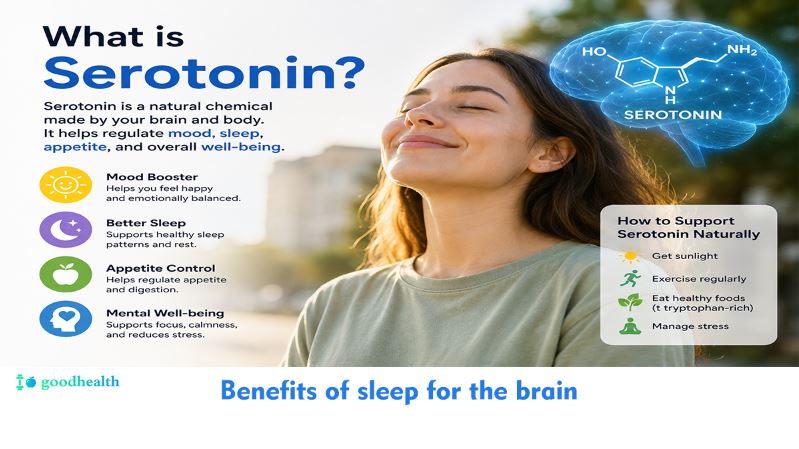
Integrating gratitude into a daily routine does not require hours of meditation or complex journaling exercises. It can be as simple as taking two minutes every morning to mentally acknowledge three specific things you appreciate. The key to making this habit effective is specificity and emotional resonance. Rather than generically being thankful for “health” or “family,” focusing on the warmth of your morning coffee, a productive conversation with a colleague, or the comfort of a good book creates a much stronger emotional impact. This shift in focus dramatically reduces cortisol levels and increases the production of serotonin and dopamine.
Over time, this practice fundamentally alters how we perceive our daily experiences. Individuals who maintain a strong gratitude habit report higher levels of optimism, better sleep quality, and a stronger immune system. Furthermore, expressing appreciation outward by thanking the people in our lives strengthens our social bonds and creates a positive feedback loop of goodwill. By training the mind to notice the good, we build an emotional buffer that protects us during periods of adversity and stress.
Prioritizing Physical Well-being for Emotional Resilience
The mind and the body are not separate entities; they operate as a deeply interconnected system. It is nearly impossible to sustain a positive outlook when the physical body is chronically exhausted, malnourished, or stagnant. Therefore, prioritizing physical health is an absolute prerequisite for maintaining emotional balance. Regular physical movement is one of the most effective, natural mood elevators available. When we exercise, the body releases endorphins and brain-derived neurotrophic factor, which not only act as natural painkillers but also stimulate the growth of new brain cells, particularly in areas associated with memory and emotional regulation.
Nutrition also plays a critical, yet often overlooked, role in our psychological state. The gastrointestinal tract is lined with millions of neurons and produces a vast majority of the body’s serotonin, a neurotransmitter heavily involved in mood management. A diet rich in whole foods, lean proteins, healthy fats, and complex carbohydrates provides the brain with the steady supply of nutrients it needs to function optimally. Conversely, diets high in refined sugars and processed foods lead to rapid spikes and crashes in blood sugar, which manifest emotionally as irritability, brain fog, and heightened anxiety.
Establishing a baseline of physical vitality ensures that we have the energy required to engage fully with our lives. When we treat our bodies with respect, we send a powerful subconscious message to ourselves that we are worthy of care and attention. This foundation of self-respect radiates outward, influencing how we handle stress at work, how we interact with our loved ones, and how we overcome daily frustrations.
The Undeniable Power of Restorative Sleep
No discussion about physical well-being and happiness is complete without addressing sleep. In modern society, sleep is often treated as a luxury or a negotiable commodity, sacrificed in the name of productivity or entertainment. However, chronic sleep deprivation is catastrophic for mental health. During the deep stages of sleep, the brain actively clears out metabolic waste, processes the day’s emotional experiences, and consolidates memories.
Without sufficient, high-quality sleep, the brain’s emotional center, the amygdala, becomes highly reactive. This explains why minor inconveniences feel overwhelmingly frustrating after a night of tossing and turning. Developing strict sleep hygiene—such as maintaining a consistent bedtime, eliminating blue light exposure an hour before sleep, and keeping the bedroom cool and dark—is a non-negotiable habit for anyone serious about improving their overall life satisfaction.
Fostering Deep and Meaningful Social Connections
Human beings are inherently social creatures, wired by evolution to seek connection and belonging within a community. Despite living in the most technologically connected era in human history, rates of loneliness and social isolation are at an all-time high. Superficial interactions on social media platforms cannot replace the psychological nourishment provided by genuine, face-to-face relationships. Investing time and energy into building deep connections is heavily correlated with long-term happiness, longevity, and cognitive preservation in later life.
Quality always supersedes quantity when it comes to social circles. Having a small handful of close friends with whom you can share your authentic self, express vulnerabilities, and celebrate successes is infinitely more valuable than having thousands of online acquaintances. Cultivating these deep bonds requires active effort. It means scheduling regular time to meet up, practicing active listening without the distraction of smartphones, and showing up for people during both their triumphs and their hardships.
Furthermore, healthy relationships require the establishment of clear boundaries. Being a good friend or partner does not mean sacrificing your own well-being to please others. Learning to communicate your needs clearly and respectfully, while also respecting the boundaries of those around you, creates a safe environment where mutual trust and respect can flourish. When we feel securely attached to our community, our baseline anxiety decreases, and our capacity for joy expands significantly.
Engaging in Purposeful and Fulfilling Activities
A life devoid of passion or purpose can quickly become a monotonous routine, leading to feelings of apathy and existential dread. Engaging in activities that spark genuine interest and provide a sense of meaning is crucial for sustaining happiness. This concept is closely tied to the psychological state of “flow,” a term used to describe the feeling of being completely immersed in an activity, where time seems to stand still, and the ego falls away. Flow states are incredibly rewarding and leave us feeling energized and deeply satisfied.
Finding purpose does not necessarily mean turning your passion into a high-paying career or changing the world on a massive scale. Purpose can be found in a wide variety of pursuits, from mastering a new hobby like woodworking or painting, to mentoring a junior colleague, or tending to a thriving garden. The importance lies in the act of creation, learning, and dedicating focus to something outside of our basic survival needs and professional obligations. These activities provide a necessary counterbalance to the stresses of daily life.
Volunteering and giving back to the community is another profound way to cultivate purpose. Research consistently shows that altruistic behaviors trigger the reward centers of the brain, creating a phenomenon known as the “helper’s high.” By shifting our focus away from our own internal struggles and dedicating time to alleviate the burdens of others, we gain a healthier perspective on our own lives. Contributing to the greater good reinforces a sense of belonging and solidifies our identity as valuable members of society.
Embracing the Mindset of Lifelong Learning
Intellectual stagnation is a common enemy of contentment. When we stop challenging our minds, life can feel incredibly predictable and dull. Embracing lifelong learning keeps the brain agile and fosters a youthful sense of curiosity about the world. This habit involves actively seeking out new information, whether through reading diverse genres of books, listening to educational podcasts, or taking courses to acquire completely new skill sets.
The process of learning something new involves a degree of productive struggle. Overcoming the initial frustration of a steep learning curve and eventually mastering a concept builds immense self-efficacy and confidence. This intellectual engagement proves to ourselves that we are capable of continuous growth, ensuring that our lives remain dynamic, interesting, and deeply fulfilling as we age.
Managing Stress and Protecting Mental Energy
Even with the best routines in place, stress and adversity are inevitable components of the human experience. What separates highly contented individuals from those who chronically struggle is their ability to manage that stress efficiently and protect their mental energy. In a hyper-connected environment, we are constantly bombarded with notifications, news cycles, and demands on our attention. Without deliberate mechanisms in place to filter this noise, mental burnout becomes unavoidable.
Practicing mindfulness is an incredibly effective tool for stress management. Mindfulness is simply the act of paying purposeful, non-judgmental attention to the present moment. By incorporating just ten to fifteen minutes of mindfulness meditation into a daily routine, individuals can train their brains to observe stressful thoughts without instantly reacting to them. This creates a vital pause between a stimulus and our response, allowing us to handle difficult situations with clarity and composure rather than panic and impulsivity.
Protecting mental energy also requires mastering the art of saying no. Many people suffer from the disease to please, overcommitting to projects, social events, and obligations out of a fear of disappointing others. This constant overextension drains the reserves needed to maintain our own well-being. Recognizing that our time and energy are finite resources allows us to be highly selective about where we invest them, ensuring that we have the capacity to fully engage in the habits and relationships that truly matter.
Building Your Blueprint for Long-Term Joy
Integrating the right habits for a happy life is a highly personal journey that requires patience, self-awareness, and consistent application. True emotional well-being is never the result of a single monumental shift, but rather the compounding effect of daily choices regarding how we think, how we treat our bodies, and how we interact with the world around us. By intentionally practicing gratitude, prioritizing physical vitality, nurturing deep connections, and managing stress effectively, anyone can redesign their internal landscape. The transition toward enduring fulfillment demands a commitment to progress over perfection, recognizing that every small, positive routine established today serves as the structural foundation for a profoundly rewarding tomorrow.
What are the most effective daily habits for long-term happiness?
Practicing gratitude, getting enough sleep, and spending time outdoors are proven to consistently boost your overall well-being.
How long does it actually take to build a new positive habit?
While it varies by person, research shows it typically takes around 66 days for a new behavior to become completely automatic.
Can small daily changes really improve my mental health?
Yes, tiny actions like meditating for five minutes or walking every morning compound over time to significantly lift your mood.
What is the best way to stick to a routine without getting overwhelmed?
Start with just one micro-habit at a time and tie it to something you already do daily, like stretching right after you brush your teeth.
Why do I struggle to maintain habits that make me happy?
You might be trying to change too much too quickly, so focus on consistency rather than perfection to keep your momentum going.
Please note
The content provided in this article is for educational and informational purposes only and should not be construed as medical, nutritional, or therapeutic advice. The recommendations provided may not be appropriate for everyone. The final decision regarding your health and lifestyle is yours, and we recommend that you consult with your doctor or other health professional before making any changes or taking any action.