healthy lunch ideas

Finding the perfect balance between convenience, taste, and nutrition during a busy workday can feel like an uphill battle. For many people, the midday meal becomes an afterthought, resulting in uninspired takeout choices, repetitive sandwiches, or skipping the meal entirely. However, what we consume during the middle of the day directly dictates our energy levels, cognitive performance, and metabolic health for the remaining hours. Transitioning to a routine filled with vibrant, nutrient-dense foods does not require hours of complex cooking or sacrificing your favorite flavors. By understanding how to combine whole foods effectively, you can transform your lunch break into a powerful tool for wellness, mental clarity, and sustained vitality.
The Anatomy of a Nutritionally Balanced Midday Meal
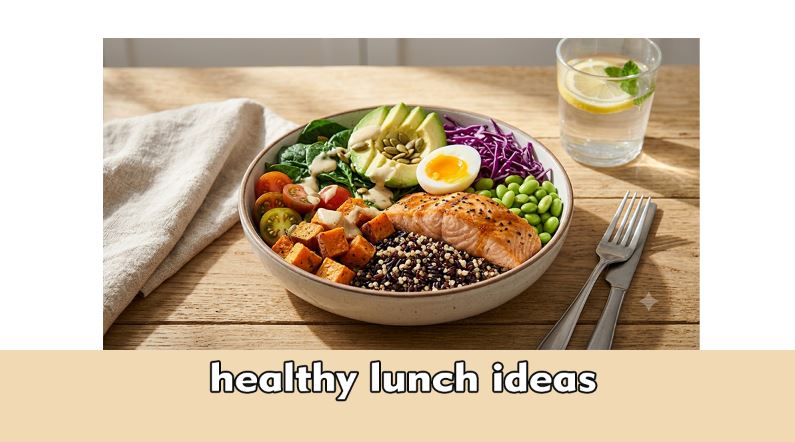
Creating a lunch that sustains focus and prevents the dreaded afternoon fatigue requires a deliberate combination of macronutrients. The foundation of any exceptional midday meal begins with high-quality lean protein, which is essential for muscle repair and signaling satiety hormones to the brain. When you skip protein at lunch, your blood sugar levels are more likely to fluctuate, leading to intense sugar cravings just a few hours later. Incorporating options like grilled chicken breast, wild-caught fish, organic tofu, or legumes ensures that your body receives a steady stream of amino acids to maintain metabolic activity.
Equally important are complex carbohydrates, which act as the primary fuel source for your brain and muscles. Unlike refined carbohydrates found in white bread or sugary snacks, complex carbs are packed with dietary fiber that slows digestion and releases glucose gradually into the bloodstream. Think of whole grains such as quinoa, brown rice, farro, and sweet potatoes as time-released energy capsules. When paired with a generous portion of fibrous vegetables—like leafy greens, cruciferous broccoli, or crisp bell peppers—you provide your gut microbiome with the prebiotics necessary for optimal digestive health.
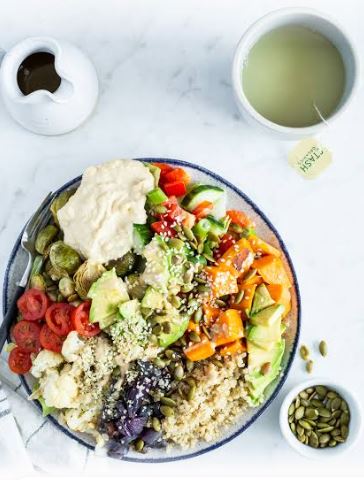
To complete the nutritional profile, healthy fats must be integrated mindfully into your recipes. Dietary fats are crucial for absorbing fat-soluble vitamins such as A, D, E, and K, while also promoting optimal cognitive function and joint health. Incorporating sources like extra virgin olive oil, sliced avocados, pumpkin seeds, or walnuts adds a rich texture to your meals while delaying gastric emptying, keeping you satisfied until dinner. Balancing these components ensures that your lunch acts as a stable foundation for your daily health rather than a catalyst for a mid-afternoon energy crash.
healthy lunch ideas
Time-Saving Meal Prep Strategies for the Busy Week
The greatest barrier to maintaining a healthy diet is often a lack of time during the chaotic workweek. This is where strategic meal prepping becomes an invaluable habit, transforming healthy eating from a daily chore into an automated routine. Batch cooking is the most efficient methodology for successful preparation; instead of cooking individual meals each night, dedicate a brief window on Sunday to prepare your base components. Roasting two large sheet pans of seasonal vegetables, cooking a double batch of ancient grains, and grilling a family-sized portion of protein ensures you have a versatile culinary inventory ready to assemble in minutes.
Storage techniques play a monumental role in maintaining the appeal and nutritional integrity of your prepared meals. Investing in high-quality, airtight glass containers prevents chemical leaching and keeps ingredients crisper for a longer duration than standard plastic alternatives. When storing components, keep components that introduce moisture separate from dry foundations until the day of consumption. For instance, storing sliced cucumbers, tomatoes, and dressings in independent compartments guarantees that your leafy greens and whole grains preserve their intended textures and flavors.
The Ingredient-Layering Method for Maximum Freshness
For those who prefer a single-container setup, the vertical layering technique is incredibly effective, particularly when assembling vibrant salads or grain bowls. Start by pouring your chosen dressing or vinaigrette at the absolute bottom of the container, followed immediately by dense, non-absorbent vegetables like diced carrots, radishes, or chickpeas. Next, add intermediate layers such as cooked grains, proteins, and softer vegetables like bell peppers or cucumbers. Finally, place delicate leafy greens, fresh herbs, and toasted seeds at the very top, safely elevated far away from the liquid elements. When it is time to eat, simply shake the container or invert it into a serving bowl to distribute the flavors perfectly without experiencing any sogginess.
Using this systematic approach allows you to prepare up to four days of nutrient-rich meals simultaneously without sacrificing quality. Another effective strategy is the intentional transformation of evening leftovers into entirely new lunchtime creations. If you roast a chicken with root vegetables for dinner, shred the remaining meat the next day to toss with fresh spinach, goat cheese, and a splash of balsamic vinegar. This minimizes kitchen waste, maximizes financial resources, and reduces the mental fatigue associated with constantly deciding what to eat next.
High-Protein Healthy Lunch Ideas to Keep You Full
When designing a lunch explicitly targeted at prolonged satiety and muscle support, prioritizing protein content is paramount. A classic grilled chicken and ancient grain wrap offers an exceptional balance of macros while remaining highly portable for individuals on the move. Utilize a whole-grain or sprouted-seed tortilla as the vessel, spreading a thin layer of Greek-yogurt-based garlic spread across the surface for added moisture and protein. Layer thinly sliced chicken breast, iron-rich baby spinach, shredded purple cabbage for antioxidants, and half an avocado to deliver essential monounsaturated fats.
Seafood provides another stellar avenue for building high-protein meals that are rich in cardiovascular benefits. A Mediterranean wild-caught tuna salad departs from the traditional heavy, mayonnaise-laden versions by utilizing mashed avocado and a touch of extra virgin olive oil as the emulsifying base. Combine the flaked tuna with diced red onions, capers, kalamata olives, and chopped parsley to create a robust, flavorful profile. Serve this nutrient-dense salad inside hollowed-out bell pepper halves or alongside a handful of flaxseed crackers to enjoy a satisfying crunch without relying on refined grains.
For a warm and comforting high-protein alternative, a white bean and turkey chili can be easily portioned into containers for the week. Lean ground turkey provides an abundance of selenium and zinc, while organic cannellini beans introduce a dual-benefit of plant protein and soluble fiber. Simmer the mixture with fire-roasted tomatoes, garlic, cumin, and chili powder to create a rich, thermal meal that reheats beautifully in any office breakroom. Top the warm chili with a sprinkle of pumpkin seeds and fresh cilantro just before serving to add texture and an extra dose of beneficial minerals.
Plant-Based and Vegetarian Lunches Rich in Nutrients
Embracing plant-based eating patterns for your midday meal is a magnificent way to increase your daily intake of phytonutrients, vitamins, and dietary fiber. A Moroccan-inspired chickpea and sweet potato bowl serves as an excellent centerpiece for a vegetarian routine, blending sweet and savory elements harmoniously. Roast cubed sweet potatoes and organic chickpeas together on a sheet pan with smoked paprika, cumin, and a touch of sea oil until they develop a crisp exterior. Serve these over a bed of fluffy quinoa and massaged dinosaur kale, drizzling the entire bowl with a creamy tahini-lemon dressing that provides healthy fats and a velvety finish.
Tofu and tempeh are exceptionally versatile soy-based proteins that readily absorb whatever flavor profiles you introduce to them. A sesame-ginger baked tofu bento box offers a structured, visually appealing, and texturally diverse lunch experience that keeps well in refrigeration. Marinate extra-firm tofu cubes in low-sodium tamari, grated ginger, garlic, and a touch of toasted sesame oil before baking until firm. Pair the savory tofu with steamed edamame pods, quick-pickled cucumbers for gut-loving probiotics, and a modest portion of black forbidden rice, which boasts higher antioxidant levels than standard white varieties.
Lentils represent another unsung hero of the plant-based culinary world, offering an impressive nutritional resume packed with iron, folate, and protein. A French green lentil salad mixed with roasted beets, crumbled feta cheese, and wild arugula provides a sophisticated, gourmet lunch option that requires minimal effort. Green lentils retain their firm texture beautifully after cooking, making them far superior for salads compared to softer red varieties. Toss the mixture gently in a light dijon mustard vinaigrette to enhance the earthy notes of the lentils and the natural sweetness of the roasted beets.
Low-Carb and Grain-Free Alternatives for Weight Management
For individuals focusing on carbohydrate management or blood sugar stabilization, replacing traditional grains with nutrient-dense vegetable substitutes is a highly effective approach. Cauliflower has emerged as a revolutionary ingredient in this space, easily transforming into a low-glycemic alternative for rice or couscous. A spicy shrimp and cauliflower fried rice mimics the comforting flavors of the classic takeout dish while significantly reducing the caloric load and carbohydrate density. Sauté riced cauliflower with garlic, scallions, frozen peas, carrots, and wild shrimp, seasoning the skillet with coconut aminos and a drizzle of sriracha for a fiery kick.
Egg-based preparations provide another marvelous, naturally low-carb vehicle for packing a wealth of vitamins and proteins into a compact format. Preparing a weekly vegetable frittata loaded with sliced mushrooms, baby Swiss chard, and cherry tomatoes allows you to slice off individual portions each morning. Eggs contain choline, an essential nutrient for neurological development and liver function, making them a fantastic food for sustaining mental focus during intense afternoon meetings. Enjoy a slice of the savory frittata alongside a crisp garden salad dressed simply with lemon juice and avocado oil.
Creative Substitutes for Traditional Sandwich Breads
If you miss the hand-held convenience of traditional sandwiches, exploring innovative wrapper alternatives can completely revitalize your low-carb routine. Large, sturdy collard green leaves or bibb lettuce cups function beautifully as durable, grain-free wraps that add a refreshing crunch to your meal. Blanching collard leaves briefly in boiling water softens their fibrous structure, making them incredibly pliable and easy to roll tightly around your favorite fillings. Fill these vibrant green wraps with sliced roast beef, spicy mustard, provolone cheese, and alfalfa sprouts to create a satisfying, nutrient-dense lunch that won’t result in a sluggish afternoon digestion process.
Another exceptional option involves utilizing thinly sliced zucchini or eggplant sheets to create cold, rolled pinwheels filled with herbed ricotta and smoked turkey. These vegetable-forward iterations not only lower the overall glycemic index of your meal but also dramatically increase your daily hydration levels, as raw vegetables possess a high water content. By shifting the focus away from processed flour products and toward whole, earth-grown alternatives, you seamlessly align your dietary habits with your wellness and weight management goals.
Maximizing Flavor Without Adding Hidden Calories
One of the most frequent missteps in healthy meal preparation is the accidental introduction of excess calories, sugars, and sodium through commercial dressings and sauces. Many store-bought condiments are heavily processed and laden with preservatives, high-fructose corn syrup, and hydrogenated oils that can quietly undermine your health goals. Transitioning to homemade flavor enhancers allows you to control every single ingredient while unlocking cleaner, brighter flavor profiles. Utilizing fresh citrus juices, such as lime, lemon, or blood orange, provides an instant burst of acidity that elevates simple proteins and greens without adding measurable calories.
Fresh and dried herbs should be used generously throughout your culinary preparations to introduce depth and variety to repetitive ingredients. Chopped cilantro, Italian flat-leaf parsley, dill, and mint possess unique volatile oils that offer subtle health benefits alongside their brilliant tastes. For example, mint can aid in soothing digestive discomfort, while parsley acts as a natural diuretic and a rich source of vitamin C. Incorporating ground spices like turmeric, cayenne pepper, and cumin not only enhances the aroma of your lunch box but also delivers potent anti-inflammatory properties directly to your body.
Fermented foods and artisanal mustards serve as magnificent secret weapons for adding complexity and tang to your midday creations. Adding a spoonful of spicy kimchi or traditional raw sauerkraut to your grain bowls introduces a savory depth while supplying your digestive tract with live beneficial bacteria. Similarly, coarse stone-ground mustard offers an incredibly rich texture and sharp flavor profile for a mere fraction of the calories found in mayonnaise or creamy bottled dressings. By masterfully manipulating these natural flavor enhancers, you can ensure that your nutritious lunches remain consistently exciting, delicious, and deeply satisfying.
Cultivating Sustainable Healthy Eating Habits for Long-Term Success
Embracing a lifestyle centered around wholesome, nourishing midday meals is fundamentally about consistency, self-compassion, and practical planning. The goal should never be absolute dietary perfection, but rather the gradual accumulation of positive choices that support your long-term health and personal wellness objectives. By focusing on the intentional integration of lean proteins, fiber-rich complex carbohydrates, and protective healthy fats, you equip your body with the clean fuel necessary to thrive. As you continue to experiment with different ingredients, flavor profiles, and batch-cooking methodologies, you will develop an intuitive approach to nutrition that feels less like a restrictive rulebook and more like a natural extension of your daily life.
What are the best healthy lunches to take to work that don’t need heating?
Grain bowls, hearty pasta salads, and wraps packed with lean proteins are perfect cold options that stay delicious and satisfying all afternoon.
How can I make a healthy lunch when I only have five minutes?
Throw together a quick mason jar salad with pre-washed greens, canned chickpeas, cherry tomatoes, and a simple vinaigrette for a nutritious meal in minutes.
What should I eat for lunch to avoid the dreaded afternoon energy crash?
Stick to lunches that balance complex carbohydrates, lean protein, and healthy fats while avoiding heavy, refined carbs that rapidly spike your blood sugar.
Are sandwiches actually considered a healthy lunch option?
Sandwiches can be incredibly healthy if you choose 100% whole grain bread, load them up with fresh vegetables, and swap heavy mayo for smashed avocado or hummus.
What are some cheap, healthy ingredients I can meal prep for the week?
Lentils, quinoa, black beans, sweet potatoes, and hard-boiled eggs are incredibly budget-friendly staples that make a highly nutritious foundation for your weekly lunches.
Please note
The content provided in this article is for educational and informational purposes only and should not be construed as medical, nutritional, or therapeutic advice. The recommendations provided may not be appropriate for everyone. The final decision regarding your health and lifestyle is yours, and we recommend that you consult with your doctor or other health professional before making any changes or taking any action.