
benefits of yoga


Millions of people unroll their mats every day, seeking more than just a physical workout. The ancient practice of yoga has evolved from a spiritual discipline into a globally recognized approach to holistic health, offering profound physiological and psychological advantages. While many individuals initially approach the mat to touch their toes or relieve a stiff neck, they quickly discover that the benefits of yoga extend far beyond basic flexibility. By harmonizing physical postures, intentional breathwork, and focused meditation, this practice provides a comprehensive toolkit for modern living. Whether you are an elite athlete looking to improve athletic recovery, a desk worker battling chronic posture issues, or simply someone searching for a moment of quiet in a chaotic world, the integration of mind and body yields transformative results. Understanding the specific advantages can help practitioners maximize their time on the mat and integrate these positive changes into their daily lives.
Physical Transformations Through Consistent Practice
The most immediate and visible effects of a regular yoga routine occur within the physical body. Unlike traditional strength training or cardiovascular exercise, which often isolate specific muscle groups or movements, yoga requires the entire body to act as an integrated unit. This holistic demand challenges the musculoskeletal system in unique ways, promoting balanced muscular development. Practitioners often notice functional improvements in how they move through daily life, finding that lifting groceries, reaching for high shelves, or simply walking upstairs becomes significantly easier and less taxing on the joints.
Furthermore, the practice encourages isometric contractions, where muscles generate tension without changing length. Holding a plank pose, sustaining a warrior stance, or balancing on one leg forces the body to recruit stabilizing muscles that are frequently neglected in conventional gym workouts. Over time, this sustained muscular engagement leads to lean, functional muscle tone. Because the resistance is provided solely by one’s own body weight and gravity, the risk of overtraining or joint strain is substantially minimized compared to heavy weightlifting.
It is also crucial to acknowledge how these physical shifts influence cellular health and physical longevity. Regular engagement in physical postures stimulates the circulatory and lymphatic systems, aiding in the efficient transport of nutrients and the removal of metabolic waste from tissues. This internal flush leaves practitioners feeling rejuvenated and physically resilient, creating a robust foundation for long-term physical independence and vitality.
Enhancing Flexibility and Range of Motion
Flexibility is perhaps the most universally recognized advantage of stepping onto a yoga mat, yet it is often misunderstood as a prerequisite rather than a natural result of the practice. When individuals begin their journey, they frequently experience tightness in the hamstrings, hips, and shoulders, which are common byproducts of sedentary lifestyles. Through consistent practice, the connective tissues, including fascia, tendons, and ligaments, gradually adapt to the gentle, sustained stretching inherent in the postures, allowing for deeper movement over time.
This gradual increase in the range of motion is not about achieving extreme contortions; rather, it is about restoring the body’s natural biomechanical alignment. As flexibility improves, the overall structural load on the spine and major weight-bearing joints decreases significantly. A supple body is less prone to sudden strains or muscular tears during intense physical exertion, making flexibility a critical component of injury prevention for people of all ages and activity levels.
Building Core Strength and Muscular Endurance
While many associate core strength exclusively with high-intensity abdominal workouts, yoga provides a highly effective, low-impact alternative for building a powerful center. Almost every posture requires active engagement of the deep abdominal muscles, the pelvic floor, and the erector spinae muscles along the back. Balancing poses and inversions, in particular, demand intense core stabilization to keep the body upright, aligned, and steady against the pull of gravity.
This continuous core activation translates directly into functional muscular endurance. As the deep stabilizing muscles become stronger, they provide superior support for the spine and pelvis. A robust core acts as a natural biological corset, protecting the delicate structures of the lower back and enabling a much more efficient transfer of kinetic energy between the upper and lower extremities. This strength supports the body in maintaining proper biomechanics throughout the demands of everyday life.
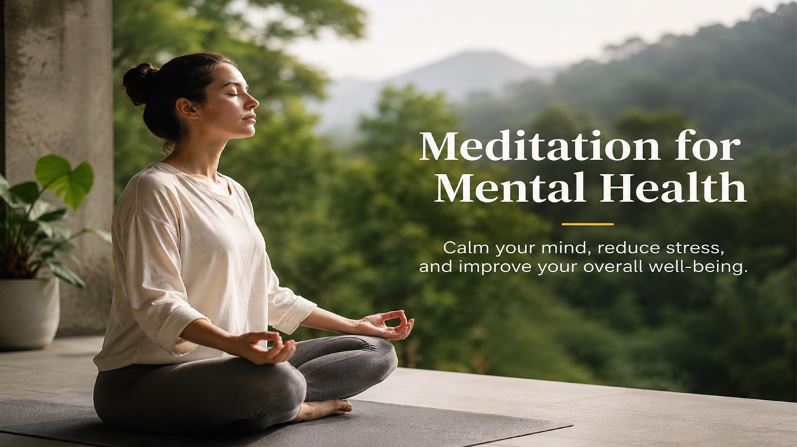
The Profound Impact on Mental Health
In our increasingly fast-paced and hyper-connected society, mental health challenges such as chronic stress and anxiety have reached epidemic proportions. The psychological benefits of yoga offer a powerful, accessible antidote to this modern crisis. By deliberately slowing down and shifting focus inward, the practice interrupts the constant stream of external stimuli and cognitive overload. This mental pivot creates a sanctuary where the mind can process complex emotions, recalibrate, and find stillness.
The integration of specific breathing techniques, known as pranayama, plays a pivotal role in this psychological recalibration. Conscious control of the breath serves as a direct bridge to the autonomic nervous system. By lengthening the exhalation and breathing deeply into the diaphragm, practitioners can actively shift their physiological state away from the hyper-vigilant fight-or-flight response. This biological override signals to the brain that the body is safe, fostering an environment where mental clarity and calmness can flourish.
Furthermore, the discipline required to stay present during physically challenging postures translates into improved mental fortitude off the mat. When practitioners learn to breathe through the physical discomfort of a difficult pose without panicking or giving up, they actively train their brains to handle real-world psychological stressors with the same equanimity. This learned resilience is a cornerstone of improved mental wellbeing, allowing individuals to navigate life’s inevitable obstacles with a grounded and centered perspective.
Stress Reduction and Nervous System Regulation
Chronic stress floods the body with cortisol and adrenaline, hormones that, when elevated over long periods, degrade both physical tissue and cognitive function. Regular yoga practice has been scientifically shown to lower baseline cortisol levels, effectively down-regulating the body’s stress response system. The deliberate pacing of a yoga class, combined with mindful movement, encourages the activation of the parasympathetic nervous system, commonly referred to as the rest-and-digest state.
Operating predominantly in a parasympathetic state allows the human body to allocate critical resources toward cellular repair, digestion, and immune function. Individuals who incorporate this practice into their weekly routines frequently report a profound sense of relaxation that persists long after the session has ended. This biological shift is essential for buffering the daily wear and tear of stressful work environments, providing a sustainable, drug-free method for long-term stress management.
Cultivating Mindfulness and Emotional Resilience
Mindfulness—the practice of maintaining a non-judgmental state of heightened awareness of one’s thoughts, emotions, or experiences—is fundamentally woven into the fabric of yoga. The mat serves as a safe laboratory for observing one’s internal dialogue. Practitioners learn to notice when their minds wander toward future anxieties or past regrets, and they learn to gently guide their attention back to the current physical sensation or the rhythm of their breath.
This continuous practice of returning to the present moment builds robust emotional resilience. By creating a deliberate space between an external stimulus and the internal reaction to it, individuals gain greater control over their emotional responses. Over time, this heightened self-awareness diminishes impulsive reactions and fosters a more measured, thoughtful approach to interpersonal relationships and personal challenges, ultimately leading to a much more balanced emotional life.
Disease Prevention and Chronic Pain Management
Beyond physical fitness and mental tranquility, the therapeutic benefits of yoga are increasingly recognized by the medical community as a viable adjunctive treatment for various chronic conditions. The systemic nature of the practice ensures that vital organs receive optimal blood flow and mechanical stimulation. By systematically compressing and releasing different parts of the body through twists and folds, yoga acts as an internal massage, promoting the health of the digestive, endocrine, and cardiovascular systems.
For individuals living with chronic pain, particularly in the musculoskeletal system, finding a safe and effective method for relief is paramount. The gentle, controlled movements of yoga help to lubricate joints and reduce systemic inflammation, which is often the root cause of persistent discomfort. Unlike high-impact exercises that can exacerbate joint degradation and cartilage wear, this mindful movement approach preserves joint integrity while encouraging necessary mobility and strength.
Furthermore, the practice promotes a heightened state of interoception, which is the ability to perceive sensations inside the body. This improved bodily awareness allows individuals to detect early signs of physical distress, muscular tension, or immune fatigue before they escalate into acute pain or severe illness. By responding proactively to these subtle physiological cues, practitioners can adjust their physical movements and lifestyle choices to support long-term health and mitigate the progression of chronic diseases.
Supporting Cardiovascular Health and Circulation
While yoga may not always elevate the heart rate to the same degree as running or cycling, it provides substantial and unique cardiovascular benefits. The practice enhances overall circulation by utilizing deep, rhythmic breathing to increase oxygenation of the blood. The dynamic movements and specific inversions facilitate venous return, helping blood flow efficiently back to the heart against the pull of gravity. This improved circulation ensures that oxygen and essential nutrients are delivered effectively to tissues and organs throughout the entire body.
Additionally, regular practice has been linked to distinct improvements in key cardiovascular risk factors. Clinical studies indicate that consistent routines can help lower resting blood pressure, improve lipid profiles, and regulate blood sugar levels by enhancing insulin sensitivity. By mitigating these physiological risk factors, individuals significantly reduce their likelihood of developing heart disease or metabolic syndrome, making yoga an excellent complementary practice for maintaining lifelong cardiovascular wellness.
Alleviating Lower Back Pain and Joint Stiffness
Lower back pain is one of the most common physical complaints globally, often resulting from prolonged sitting, poor workplace ergonomics, and muscular imbalances in the pelvis. Yoga addresses these root causes directly by strengthening the deep core muscles that support the lumbar spine, while simultaneously stretching tight hip flexors and hamstrings that pull the pelvis out of optimal alignment. This dual approach of concurrent strengthening and stretching provides profound, lasting relief for chronic back discomfort.
Joint stiffness, whether stemming from aging, osteoarthritis, or general inactivity, is also effectively managed on the mat. The synovial fluid, which lubricates the joints, is actively stimulated through the full range of motion required by various postures. Movement acts as a natural biological lubricant, preventing the joints from becoming rigid and painful over time. Regular practitioners often experience a significant reduction in morning stiffness and an overall improvement in joint mobility, allowing for a more active lifestyle.
Optimizing Sleep Quality and Energy Levels
A restorative night’s sleep is the bedrock of optimal health, yet insomnia and sleep disturbances plague a vast portion of the adult population. Engaging in a regular yoga routine, particularly during the late afternoon or evening hours, can dramatically improve sleep architecture and duration. The physical exertion helps to deplete excess nervous energy stored in the muscles, while the meditative aspects quiet the hyperactive mind that so often prevents individuals from falling asleep easily.
Specific restorative postures, such as forward folds and gentle spinal twists, are particularly effective at preparing the physical body for rest by calming the central nervous system. When the mind and body are thoroughly relaxed, the transition into deep, slow-wave sleep becomes seamless and natural. Individuals who struggle with frequent awakenings during the night often find that a consistent practice helps them achieve longer, uninterrupted sleep cycles, leading to much more profound physical repair and mental restoration.
Consequently, improved sleep quality directly translates into sustained, steady energy levels throughout the waking hours. Rather than relying on caffeine or refined sugar to combat midday fatigue, practitioners often experience a more stable and reliable reserve of natural vitality. The deep breathing techniques learned on the mat also chronically enhance oxygen intake, which naturally invigorates the body and sharpens cognitive focus, effectively eliminating the mental fog that frequently accompanies poor sleep.
Fostering Better Posture and Body Awareness
In an era dominated by digital screens and sedentary desk work, the physical structure of the human body is frequently compromised, leading to a prevalent condition known as “tech neck” and chronically rounded shoulders. Yoga is uniquely positioned to correct these modern postural deviations. The physical practice places a heavy emphasis on the vertical alignment of the spine, teaching individuals exactly how to stack their joints properly to minimize muscular strain and unnecessary skeletal wear.
Through specific heart-opening postures and gentle backbends, practitioners actively counteract the forward-leaning posture that dominates modern professional and social life. These specific movements stretch the chronically tightened pectoral muscles of the chest and strengthen the weakened rhomboids and trapezius muscles of the upper back. As this muscular imbalance is steadily corrected, maintaining an upright, confident posture becomes a natural, effortless default rather than a constant, exhausting struggle against gravity.
This permanent postural transformation is heavily reliant on the development of proprioception—the precise awareness of the body’s position in spatial environments. Yoga cultivates a deep, internal map of physical alignment and balance. Practitioners become acutely aware of when they are slouching at their office desks or shifting their weight unevenly while standing in line. This heightened bodily awareness ensures that the structural benefits of the practice extend seamlessly into everyday physical movements, fostering excellent long-term spinal health.
A Sustainable Approach to Lifelong Health
Integrating yoga into a weekly routine represents a profound investment in long-term physical vitality and psychological equilibrium. The comprehensive nature of the practice ensures that no aspect of human health is overlooked, seamlessly bridging the gap between physical conditioning, internal systemic health, and mental clarity. By moving deliberately, breathing intentionally, and cultivating a deep internal awareness, individuals equip themselves with the necessary tools to navigate the physical and emotional complexities of modern life.
The enduring value of this physical discipline lies in its universal accessibility and infinite adaptability. Regardless of age, current fitness level, or existing physical limitations, the foundational principles can be tailored to meet individual biomechanical needs and foster continuous, safe physical progression. Maintaining a consistent and mindful practice yields compounding physiological returns, fortifying the body against injury, protecting the neurological system from chronic stress, and securing a robust foundation for lasting, holistic wellness.
How often should I do yoga to see real results?
Practicing yoga two to three times a week for about 30 to 45 minutes is a great sweet spot for building strength and flexibility over time.
Can yoga actually help me lose weight?
While it is not traditionally a high-intensity cardio workout, active styles like Vinyasa burn calories and build lean muscle to support a healthy weight loss journey.
Is yoga effective for reducing everyday stress and anxiety?
Yes, the deep breathing and mindful movement in yoga are proven to lower cortisol levels and calm your nervous system almost immediately.
Do I need to be flexible before I start doing yoga?
Not at all, since improving your flexibility is exactly what yoga is designed to do, making it perfectly fine to start with tight muscles.
Will practicing yoga build real muscle strength?
Holding bodyweight poses like plank, chaturanga, and warrior sequences will absolutely tone and strengthen your entire body over time.
Please note
The content provided in this article is for educational and informational purposes only and should not be construed as medical, nutritional, or therapeutic advice. The recommendations provided may not be appropriate for everyone. The final decision regarding your health and lifestyle is yours, and we recommend that you consult with your doctor or other health professional before making any changes or taking any action.

























One thought on “benefits of yoga”