How to Think Faster


Learning how to think faster can help you make better decisions, solve problems more efficiently, improve your learning abilities, and respond more confidently in everyday situations. Fast thinking does not simply mean rushing through decisions. Instead, it means training your brain to process information efficiently while maintaining focus, accuracy, and clear judgment.
Many people want to know زbecause modern life requires us to process a large amount of information every day. From work and education to conversations and personal decisions, strong mental speed can make daily tasks easier. Fortunately, several habits can help improve cognitive performance and train your mind to think more quickly.
Improve Your Sleep Quality
Quality sleep plays an important role in mental performance. When you do not get enough sleep, your ability to concentrate, remember information, and make decisions may decrease. A well-rested brain can process information more efficiently and react more quickly to challenges.
Try to maintain a consistent sleep schedule and give yourself enough time to rest each night. Reducing screen time before bed and creating a relaxing sleeping environment may also help improve sleep quality. Better sleep can support clearer thinking, stronger memory, and faster mental processing.
Exercise Your Brain Regularly
Just as physical exercise strengthens the body, mental exercise can help improve the performance of the brain. Activities that challenge your thinking may improve problem-solving skills, memory, attention, and mental flexibility.
Reading books, learning a new skill, solving puzzles, playing strategy games, and practicing memory exercises can all provide mental stimulation. Regularly challenging yourself with new information can train your brain to process ideas more efficiently.
If your goal is to learn how to think faster, making brain training a consistent habit can be an effective part of your personal development routine.
Stay Physically Active
Physical activity is not only beneficial for the body. Regular exercise can also support brain health, improve circulation, and increase energy levels. Many people find that they can concentrate better and think more clearly after physical activity.
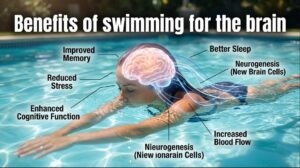
Walking, running, cycling, swimming, and strength training can all contribute to a healthy lifestyle. Even short periods of movement during the day may help you feel more alert and mentally refreshed.
Making exercise part of your daily routine can support both physical health and faster thinking.
Reduce Multitasking
Multitasking may seem like a way to accomplish more in less time, but constantly switching between tasks can reduce concentration. When your attention is divided, your brain may need extra time to refocus.
Instead of doing several demanding tasks at once, try focusing on one important activity at a time. Complete the task or reach a specific stopping point before moving to the next one.
Improving your ability to concentrate can help your brain process information more efficiently and may make your thinking feel faster and clearer.
Learn Something New
Learning new skills challenges the brain and encourages mental flexibility. When you regularly expose yourself to new ideas, your brain becomes more experienced at analyzing unfamiliar information.
You could learn a new language, develop a professional skill, study a new subject, or try a creative activity. The important thing is to continue challenging your mind.
A habit of continuous learning can improve your ability to understand information, recognize patterns, and develop solutions more quickly.
Improve Your Focus
Focus is one of the most important factors in mental speed. A distracted mind may take longer to understand even simple information. By improving your focus, you can process information with greater efficiency.
Try creating a quiet environment when working or studying. Turn off unnecessary notifications and remove distractions from your workspace. You can also divide large tasks into smaller sections to make them easier to manage.
When your attention is fully focused, your mind can work more effectively and your ability to think quickly may improve.
Eat Foods That Support Brain Health
Nutrition can influence energy levels and overall brain function. Eating a balanced diet that includes a variety of nutrient-rich foods can support both physical and mental performance.
Include foods such as fruits, vegetables, whole grains, nuts, seeds, and healthy sources of protein in your diet. Drinking enough water is also important because dehydration can affect concentration and mental performance.
Maintaining stable energy levels throughout the day may help you stay focused and mentally alert.
Practice Quick Decision-Making
Some people think slowly because they spend too much time analyzing every possible outcome. While careful thinking is valuable for important decisions, constantly overthinking can make simple decisions more difficult.
You can practice making faster decisions by starting with small choices. Give yourself a limited amount of time to choose between reasonable options. Over time, this can help you become more comfortable trusting your knowledge and judgment.
The goal is not to make careless decisions. The goal is to develop the ability to recognize when more thinking is necessary and when a quick decision is sufficient.
Manage Stress
High levels of stress can make it difficult to concentrate and think clearly. When your mind is overwhelmed, you may find it harder to remember information or solve problems.
Relaxation techniques such as deep breathing, meditation, walking, and spending time away from stressful environments may help you regain mental clarity.
Managing stress effectively can create more mental space for concentration, creativity, and faster thinking.
Take Regular Breaks
Working or studying for long periods without breaks can lead to mental fatigue. When your brain becomes tired, your thinking may slow down and your concentration may decrease.
Taking short breaks can help refresh your mind. Stand up, stretch, walk for a few minutes, or simply move away from your work environment.
Regular breaks can help you return to tasks with renewed energy and improved focus.
Read and Summarize Information
Reading is an excellent way to expose your brain to new ideas and information. However, active reading can provide even greater benefits.
After reading something, try summarizing the main points in your own words. This encourages your brain to identify important information and organize it efficiently.
Over time, practicing this skill can improve comprehension and help you process information more quickly.
Avoid Information Overload
Constant exposure to notifications, social media, news, and entertainment can overwhelm your attention. When your brain is constantly processing unnecessary information, it may become more difficult to focus on important tasks.
Consider reducing the amount of unimportant information you consume each day. Set specific times for checking messages and social media instead of constantly switching your attention.
A less distracted mind can often think more clearly and respond more efficiently.
Build Healthy Daily Habits
The ability to think quickly is often connected to your overall lifestyle. Good sleep, regular exercise, healthy nutrition, stress management, and continuous learning can work together to support better cognitive performance.
Small daily habits may create significant improvements over time. Instead of looking for one instant solution, focus on building a lifestyle that supports a healthy and active mind.
Final Thoughts on How to Think Faster
Learning how to think faster is not about forcing your brain to work at maximum speed every moment of the day. True mental speed comes from having better focus, strong habits, clear thinking, and the ability to process information efficiently.
If you want to know how to think faster, start by improving your sleep, exercising regularly, challenging your brain, reducing distractions, and managing stress. These habits can help create a stronger foundation for improved concentration, faster decision-making, and better problem-solving.
With consistent practice, you can train your mind to become more focused, flexible, and efficient. Over time, faster thinking can help you learn more effectively, make better decisions, and approach everyday challenges with greater confidence.
……
please note
The content provided in this article is for educational and informational purposes only and should not be construed as medical, nutritional, psychological, or therapeutic advice. The advice provided may not be appropriate for everyone. The final decision regarding your health and lifestyle is yours, and we recommend that you consult with your doctor, counselor, or other health professional before making any changes or taking any action.